
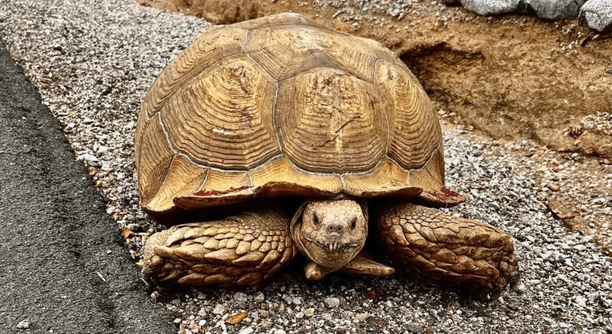
Sulcata tortoises are known for their curious nature, often displaying behaviors that might leave you wondering what drives them. One common activity is their repeated attempts to climb. Understanding this behavior can help you better care for your pet.
The primary reason your sulcata tortoise tries to climb is due to their natural instinct to explore and find food. As active foragers, they may also climb in search of shelter or a better vantage point, attempting to escape perceived threats.
This behavior can be linked to the tortoise’s need for space and stimulation, both physical and mental. Understanding this can improve their environment and overall well-being.
Why Climbing is Natural for Sulcata Tortoises
Sulcata tortoises are naturally curious animals, and climbing is one of the ways they explore their surroundings. In the wild, they climb over rocks, trees, and other obstacles as part of their daily routines. This helps them seek food, shelter, and higher ground for better visibility. Even in captivity, your tortoise may continue this instinctive behavior. Climbing provides them with a sense of accomplishment and is also a way to stay active.
Tortoises, including sulcatas, are hardwired to explore their environment. It’s essential to ensure that their enclosure gives them the space they need to express this behavior.
If your sulcata seems obsessed with climbing, it may also be a sign that it’s bored or stressed. A lack of stimulation in its environment can lead to excessive climbing, as the tortoise is trying to satisfy its natural instincts. To prevent this, provide enrichment through hiding spots, objects to climb, and varied textures for your pet to explore.
How to Keep Your Tortoise Safe While Climbing
It’s important to make sure that your sulcata’s climbing doesn’t lead to injury. Safety should always be a priority. One way to do this is by ensuring that climbing surfaces are soft, such as grass or dirt, rather than hard rocks or slippery materials.
However, there are times when tortoises attempt to climb fences or walls, putting themselves at risk of falling or escaping. To avoid this, make sure their enclosure is securely contained. Consider adding barriers like netting or taller walls if necessary. Avoid placing obstacles too close to the edges where they might encourage climbing and escaping.
Adding more variety to your tortoise’s habitat can also reduce the need for climbing. By introducing natural features like rocks, logs, or plants, you allow your pet to engage in climbing without the risks of escaping or falling. It’s essential to provide a stimulating environment that keeps them busy, preventing unwanted climbing behaviors.
Enclosure Size and Space
A small or cramped enclosure can lead to excessive climbing. Sulcata tortoises need plenty of room to move around. If their space feels limited, they may try to climb walls, looking for more area to explore.
Providing a larger enclosure is essential for their well-being. If you have a smaller space, consider expanding their area or adding more layers to their habitat. Tortoises need space to roam, forage, and burrow, which reduces the desire to climb. Offering an open, varied environment will also help mimic their natural surroundings, keeping them active and content.
When setting up an enclosure, aim for at least 10 square feet of space for each tortoise. This will provide them with room to move and prevent frustration. If the space is limited, consider rotating elements within their habitat to keep things fresh. Adding more hideouts, objects to climb, and food options throughout their environment can help create a richer, more stimulating space.
Providing Proper Enrichment
To keep your sulcata from climbing, providing enrichment is key. Enrichment encourages natural behaviors like foraging, digging, and climbing, but it does so in a controlled, safer way.
Offering different textures, like sand, soil, or rocks, provides opportunities for climbing without putting them at risk of escape or injury. Adding plants or small trees gives them something to hide behind and climb on. You can even introduce tunnels or elevated platforms that are safe for them to climb, offering the physical stimulation they need. It’s important to vary the elements of their enclosure to keep them engaged.
These enrichment ideas should not only meet their need to explore but also keep them mentally and physically stimulated. A combination of different natural materials encourages them to interact with their environment more actively. Also, rotating items regularly will prevent your tortoise from becoming bored, which is key to reducing unwanted climbing.
Temperature and Humidity
Improper temperature or humidity can stress your sulcata tortoise, making it more likely to climb. These tortoises thrive in warm, dry conditions. If their environment isn’t at the right temperature, they might seek a different area, leading them to climb.
Ensure the temperature ranges between 85°F and 95°F during the day. At night, it should drop to around 70°F. Proper humidity should also be maintained between 30% and 50%. Without these conditions, your tortoise may start climbing as a way of coping with discomfort or seeking out a more suitable environment.
Lighting and UVB
Adequate lighting and UVB are essential for your sulcata’s health. Without proper light, tortoises can become lethargic, stressed, and more prone to climbing in search of a better spot.
UVB light is necessary for vitamin D3 production, which helps your tortoise absorb calcium. Without it, they may become unhealthy, leading to restless behavior, including climbing. You should provide 10-12 hours of direct UVB light each day. A combination of natural sunlight and proper artificial lighting will help maintain their well-being, keeping them calm and less likely to try escaping.
Diet and Feeding Habits
A poor diet can cause your sulcata to feel restless, potentially leading to climbing. A healthy diet rich in fiber and low in protein is essential for their digestive health. If they are underfed or not getting enough nutrients, they may exhibit climbing behavior.
Offer a balanced diet of grasses, hay, and leafy vegetables. Avoid sugary foods, as these can disrupt their digestion and cause stress. By providing a proper diet, you can support your tortoise’s physical health, reducing the chances of unwanted climbing behavior.
FAQ
Why does my sulcata tortoise climb its enclosure walls?
Sulcata tortoises climb as part of their natural instinct to explore. In the wild, they climb over obstacles to find food, water, or shelter. If your tortoise climbs the walls of its enclosure, it’s likely trying to find more space or something interesting to explore. Sometimes, they climb out of curiosity or boredom. Ensuring your tortoise has enough room and environmental enrichment can help reduce climbing behavior.
Is it dangerous for my sulcata tortoise to climb?
Climbing itself isn’t dangerous unless it leads to falls or escape attempts. A tortoise that climbs a wall or fence may risk falling from a height, which could cause injury. To prevent this, make sure their enclosure is secure and that there are no sharp or dangerous objects they might fall onto. Providing safer climbing options, such as logs or ramps, can help satisfy their curiosity without putting them at risk.
How can I stop my sulcata tortoise from climbing?
The most effective way to stop your sulcata tortoise from climbing is to address the cause. Ensure they have a large, enriching environment with plenty of opportunities for exploration. Avoid small enclosures, as tortoises need space to move freely. Adding elements like plants, logs, or other items can help keep your tortoise entertained. Additionally, checking that the enclosure temperature and humidity are at the correct levels will reduce stress, which might contribute to climbing behavior.
Should I be concerned if my sulcata tortoise is climbing constantly?
If your tortoise is climbing constantly, it could be a sign of stress or boredom. This behavior is often linked to inadequate space, insufficient enrichment, or environmental factors like temperature or humidity being off. Ensure your tortoise’s habitat is stimulating and large enough. If the behavior persists, check their diet and health. If all else fails, consider a vet visit to rule out health issues.
What is the best enclosure size for a sulcata tortoise?
The minimum recommended enclosure size for a sulcata tortoise is around 10 square feet per tortoise. However, the more space, the better. An enclosure that allows them to roam freely, forage, and dig is essential. In larger spaces, they will feel less cramped and be less likely to try climbing. The enclosure should also have secure walls to prevent escape.
Do sulcata tortoises need a high fence?
Yes, sulcata tortoises are strong climbers and can sometimes climb over low fences. A fence should be at least 2 feet high and ideally have a curved or inward-facing top to prevent your tortoise from climbing out. A taller enclosure, ideally 3 to 4 feet, is safer and more suitable for active climbers.
Can my sulcata tortoise climb trees or plants in its enclosure?
Yes, your sulcata tortoise can climb trees or plants if they are accessible. It’s natural for them to climb over objects in their environment. However, make sure the plants and trees in their enclosure are safe for them to interact with. Some plants may be toxic, so double-check to ensure your tortoise won’t ingest anything harmful.
How do I create a more stimulating environment for my sulcata tortoise?
To make your tortoise’s environment more stimulating, include various textures and objects to interact with. Consider adding logs, rocks, or ramps for climbing, along with plenty of plants for hiding or grazing. Burrows and tunnels can also mimic the natural underground areas they seek for shelter. Rotate the objects in their habitat regularly to keep things interesting and provide more mental and physical challenges.
What are some safe climbing options for my sulcata tortoise?
Safe climbing options include low rocks, wooden ramps, and logs. These allow your sulcata to engage in climbing without posing a risk of injury. When setting up the habitat, ensure any climbing surfaces are low to the ground, so the tortoise isn’t at risk of falling from too great a height. Smooth rocks and objects should also be avoided to reduce slipping.
Why is my sulcata tortoise climbing even though its enclosure is large enough?
Even with ample space, your sulcata tortoise may still climb if it’s feeling stressed or bored. Environmental factors like temperature, humidity, or lighting may be off. Additionally, a lack of stimulation or changes in routine can cause climbing. Make sure their environment is properly set up with varied textures, places to hide, and space to roam freely. A varied diet can also help maintain their interest and reduce climbing.
Final Thoughts
Sulcata tortoises are naturally curious creatures, and their climbing behavior is a reflection of their instincts. While climbing is a normal part of their activity, it can also be a sign that something is off in their environment. Understanding why they climb and addressing the root causes can help reduce this behavior. Providing a spacious, enriching habitat with the correct temperature, humidity, and lighting is key to ensuring your tortoise feels comfortable. Proper care and attention can go a long way in keeping your sulcata happy and healthy.
It’s important to remember that climbing can sometimes be a way for your sulcata to seek out more space, food, or even a change in their environment. If your tortoise is climbing frequently, it may be trying to communicate that something in its enclosure is not meeting its needs. Checking for common issues such as poor temperature regulation, lack of stimulation, or inadequate space can help you identify potential problems. If the climbing persists, consider reviewing their overall care routine and ensuring they are receiving proper nutrition and enrichment.
By focusing on creating a safe, comfortable, and engaging environment, you can minimize climbing and help your sulcata tortoise thrive. Regularly monitor the condition of their habitat and make adjustments as needed. If your tortoise continues to climb despite making these changes, it may be worth consulting with a veterinarian to rule out any health concerns. With the right care, your sulcata tortoise can lead a healthy, active life while keeping their climbing to a minimum.

Hello,
If you enjoy the content that we create, please consider saying a "Thank You!" by leaving a tip.
Every little bit helps us continue crafting quality advice that supports the health, happiness, and well-being of pets around the world, for pets of all shapes, sizes, and species.
We really appreciate the kindness and support that you show us!