
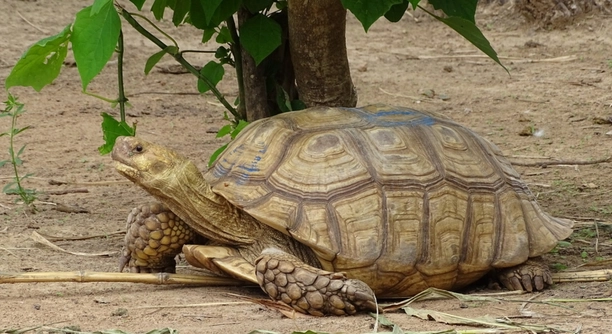
Sulcata tortoises are fascinating creatures, but when they start breathing heavily, it can be concerning. Understanding what might be causing this can help ensure their well-being.
Heavy breathing in your Sulcata tortoise is often linked to environmental stress, respiratory infections, or inadequate care. Common factors like temperature fluctuations, humidity levels, or improper diet could be affecting their health.
Taking the necessary steps to address these issues will help your tortoise breathe easier and feel more comfortable. Keep reading to learn how to care for your tortoise effectively.
Common Reasons for Heavy Breathing in Sulcata Tortoises
One of the most common causes of heavy breathing in Sulcata tortoises is poor environmental conditions. Tortoises need a stable environment to thrive. If the temperature or humidity in their enclosure is off, it can cause them stress. Sulcata tortoises need a warm habitat to remain healthy. If their basking area isn’t hot enough or the ambient temperature is too low, they may breathe harder as they try to regulate their body temperature. Similarly, humidity levels play a huge role. Too much moisture or too little can affect their respiratory system.
If the environment is not right, your tortoise may be trying to adjust. A drop in temperature or improper humidity may lead to heavy breathing. This may also signal a potential respiratory infection. It’s crucial to make sure the enclosure provides a comfortable and stable setting to prevent further health issues.
Pay attention to how your tortoise responds to changes in temperature and humidity. Adjusting their environment can be one of the simplest ways to improve their breathing.
Respiratory Infections and Their Impact
Heavy breathing can also be caused by respiratory infections, which are fairly common in reptiles. Infections are often triggered by stress, improper diet, or poor living conditions. These conditions can weaken the tortoise’s immune system, making it more vulnerable to infections. A respiratory infection may cause wheezing, nasal discharge, and labored breathing.
It’s important to notice any changes in your tortoise’s behavior, such as coughing, lethargy, or appetite loss. If left untreated, respiratory infections can become serious and require veterinary care. Keeping an eye on your tortoise’s breathing patterns and any additional symptoms can help you catch an infection early.
In cases where you suspect an infection, a vet may prescribe antibiotics to treat the illness. If necessary, they might recommend adjustments to the tortoise’s living environment as well. Reducing stress and making sure they have a balanced diet is key to helping them recover faster.
Incorrect Diet and Its Effects
A poor diet is another reason your Sulcata tortoise might be breathing heavily. Tortoises that don’t receive enough fiber or have too much protein in their diet can develop respiratory issues. Proper nutrition helps maintain a strong immune system, which is essential for fighting off infections.
It’s crucial to feed your tortoise a diet that is high in fiber and low in protein. Fresh grasses, hay, and leafy greens should be the main components of their meals. Avoid feeding them too many fruits or vegetables that are high in sugar, as this can lead to obesity and health issues. Regularly check your tortoise’s diet to ensure they are getting the right balance.
If your tortoise’s diet is lacking or unbalanced, it may be contributing to stress and affecting their breathing. Make changes gradually, and monitor their overall health to see if their breathing improves over time.
Stress and Its Role in Heavy Breathing
Stress is another factor that can lead to heavy breathing in your Sulcata tortoise. Changes in their routine, habitat, or even overhandling can cause anxiety and increase their breathing rate. A stressed tortoise will often show signs such as rapid breathing, hiding, or reduced activity.
To reduce stress, it’s important to provide a quiet and secure environment. Keep their habitat clean and ensure they have enough space to roam. Avoid frequent disturbances or moving their enclosure. If your tortoise seems stressed by your presence, reduce handling until they feel comfortable again. In some cases, stress can trigger or worsen other health issues like respiratory infections.
Addressing stress is essential for your tortoise’s well-being. When their environment is calm, their breathing will likely improve.
Temperature and Humidity Issues
If the temperature and humidity levels in your tortoise’s habitat aren’t right, it can lead to heavy breathing. Sulcata tortoises need a basking area of around 95°F and a cooler area around 75°F to 85°F.
Humidity should be kept between 30-50%. Too high or too low can cause respiratory issues. Use a thermometer and hygrometer to monitor these levels. If needed, adjust the environment with heat lamps or humidifiers. Always aim to maintain a steady temperature to avoid stressing your tortoise and causing breathing problems.
Checking for Respiratory Infections
If your tortoise’s breathing becomes labored or accompanied by other signs like nasal discharge, you may be dealing with a respiratory infection. Infections are common in reptiles when they are stressed or living in poor conditions.
A vet will need to evaluate the tortoise, and antibiotics are often prescribed to treat infections. You’ll also need to ensure your tortoise’s habitat is set up correctly to prevent further issues. Proper heating, humidity, and diet can help speed up recovery and prevent future infections.
Handling Heavy Breathing
Heavy breathing can also occur if a tortoise is stressed from being overhandled. They are naturally shy creatures and need time to adjust to their surroundings.
If your tortoise seems stressed, reduce handling for a while. Ensure they have enough space to move freely and feel safe. Giving them a secure, calm environment is essential for reducing stress-induced breathing problems.
FAQ
Why is my Sulcata tortoise breathing heavily?
Heavy breathing in Sulcata tortoises can be caused by several factors, including poor environmental conditions, stress, or respiratory infections. If the temperature or humidity in their habitat is too high or low, this can cause breathing problems. Infections can also trigger labored breathing, so it’s important to monitor for other signs like nasal discharge or coughing. Stress from changes in routine or handling can contribute as well. Identifying the underlying cause and adjusting the environment or seeking veterinary care can help resolve the issue.
What temperature and humidity should I maintain for my Sulcata tortoise?
The ideal temperature for a Sulcata tortoise’s basking area should be around 95°F, while the cooler end of their enclosure should stay between 75°F and 85°F. These temperature ranges help regulate their body temperature and metabolism. As for humidity, it should be maintained between 30% and 50%. Too much humidity can encourage fungal growth, while too little can dry out their skin and respiratory system. Use a thermometer and hygrometer to ensure these levels are consistent for your tortoise’s health.
How can I tell if my tortoise has a respiratory infection?
Respiratory infections in tortoises often present as heavy breathing, wheezing, or nasal discharge. You might also notice that your tortoise seems more lethargic than usual, has a reduced appetite, or is spending more time hiding. If these symptoms persist, it’s important to take your tortoise to a vet who specializes in reptiles for an evaluation and possible treatment. Early intervention is crucial to prevent further complications.
Can stress cause my tortoise to breathe heavily?
Yes, stress can significantly affect your tortoise’s breathing. Sulcata tortoises are sensitive to changes in their environment, handling, or routine. If they feel threatened or uncomfortable, they may begin breathing heavily. Signs of stress include rapid breathing, hiding, or a lack of appetite. To reduce stress, provide a quiet and secure space for your tortoise, minimize handling, and avoid sudden changes to their habitat.
How can I prevent respiratory infections in my tortoise?
Preventing respiratory infections starts with creating a stable, stress-free environment for your tortoise. Maintain the correct temperature, humidity, and lighting in their enclosure to avoid weakening their immune system. Offer a balanced diet with proper fiber and low protein. Regularly clean the enclosure to reduce the risk of bacterial growth. If your tortoise shows early signs of illness, seek veterinary care promptly to avoid the infection worsening.
What should I feed my Sulcata tortoise?
Sulcata tortoises are herbivores and need a diet that’s high in fiber and low in protein. The bulk of their diet should include grass, hay, and leafy greens like dandelion greens and collard greens. Avoid feeding them foods that are too high in moisture, like fruits, as this can cause digestive problems. A variety of fresh grasses will help keep their diet balanced. Make sure they also have access to fresh water at all times. A proper diet is crucial to their overall health and breathing.
How do I adjust my tortoise’s environment for better health?
Start by ensuring their enclosure is spacious enough for them to move around freely. Make sure there’s a clear distinction between the warm basking area and cooler spots in the enclosure. Install a reliable heat source, such as a heat lamp, to maintain the correct temperatures. If needed, adjust the humidity using a humidifier or dehumidifier. Regular cleaning of their habitat will help keep the environment healthy and reduce the risk of infections. Creating a calm, stable habitat can prevent stress, which will also benefit their breathing.
Is it normal for a Sulcata tortoise to breathe rapidly after exercise?
Yes, it is normal for Sulcata tortoises to breathe more rapidly after some physical activity. Like any animal, after moving around or exercising, they need to catch their breath. However, if the rapid breathing persists or is accompanied by other symptoms like nasal discharge or wheezing, it could indicate a problem. Make sure your tortoise has an appropriate environment and check for any signs of illness if rapid breathing continues after a short period.
Should I take my tortoise to the vet if it’s breathing heavily?
If your Sulcata tortoise is breathing heavily and shows other symptoms such as lethargy, nasal discharge, or a loss of appetite, it’s a good idea to take them to the vet. A vet can check for underlying health issues, including respiratory infections, and help treat them. Timely intervention is important to prevent more serious health complications.
How can I reduce stress in my Sulcata tortoise?
Reducing stress in your tortoise begins with maintaining a calm environment. Avoid loud noises or sudden changes that may disturb them. Ensure the enclosure is large enough for them to move around and has hiding spots where they can feel secure. If your tortoise seems stressed from too much handling, give them space and limit interaction until they feel comfortable. A stress-free environment will help prevent breathing issues and improve your tortoise’s overall health.
Final Thoughts
Heavy breathing in your Sulcata tortoise can be concerning, but it’s often linked to manageable issues such as environmental stress, improper temperature or humidity, or even respiratory infections. It’s important to pay close attention to your tortoise’s behavior and habitat to identify the cause. A healthy environment with stable temperatures and humidity levels can prevent many common problems. If you notice any changes in your tortoise’s breathing or behavior, adjusting their living conditions is a good first step.
If changes in the environment don’t help or if symptoms like nasal discharge or lethargy appear, a visit to the vet may be necessary. Respiratory infections, though common in reptiles, require treatment with antibiotics, and a veterinarian will be able to give the right diagnosis. Addressing infections early is key to preventing more serious complications down the road. It’s also important to keep an eye on your tortoise’s diet, as poor nutrition can weaken their immune system, making them more prone to illness.
Lastly, remember that stress is a major factor in your tortoise’s well-being. A Sulcata tortoise may struggle with changes in its routine, handling, or even an overcrowded enclosure. Providing a safe and quiet space for your tortoise to thrive in is essential. While it can take time to adjust their living conditions or to treat any health issues, with the right care, your Sulcata tortoise can return to normal breathing and overall good health. Regular monitoring of their habitat, diet, and behavior can help keep them comfortable and happy for years to come.

Hello,
If you enjoy the content that we create, please consider saying a "Thank You!" by leaving a tip.
Every little bit helps us continue crafting quality advice that supports the health, happiness, and well-being of pets around the world, for pets of all shapes, sizes, and species.
We really appreciate the kindness and support that you show us!