
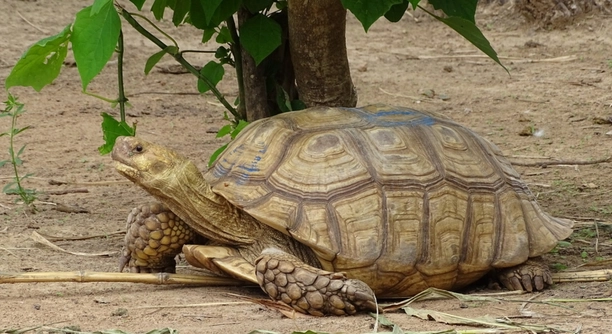
Sulcata tortoises are fascinating creatures that require special attention to their diet. Their nutritional needs must be met for them to thrive in a healthy environment. As a pet owner, it’s important to understand what foods are safe for them.
Sulcata tortoises can eat nuts in moderation, but they should only be given specific types that are safe. Nuts should not make up a large portion of their diet due to high fat content, which may lead to health issues.
There are a few safe nuts you can offer your tortoise, but understanding the right amount and frequency is key to ensuring their well-being.
Can Sulcata Tortoises Eat Nuts?
Sulcata tortoises can occasionally enjoy nuts, but it’s important to exercise caution when including them in their diet. These tortoises are herbivores, so their primary food should come from plants. Nuts, being high in fat and protein, can cause weight gain and digestive issues if fed too often. When offering nuts, it’s essential to choose the right types and to serve them in moderation. A little variety is good, but not all nuts are suitable for them. To maintain a balanced diet for your tortoise, make sure to stick to safe food options, such as leafy greens and grass.
Nuts are not a necessary part of a sulcata tortoise’s diet. While they may enjoy the taste, it’s vital to keep their nutrition in check. Overindulging in high-fat foods can lead to obesity, which puts unnecessary strain on their health.
Some nuts, like almonds and cashews, can be high in calories and unhealthy fats. These should be avoided. Instead, treat your tortoise to occasional servings of safer nuts like walnuts or hazelnuts, which are lower in fat. Keep in mind, nuts should be a rare snack. Offering a variety of fresh vegetables, grasses, and occasional fruits will give your sulcata tortoise the most balanced diet. This will keep your pet healthy and prevent any potential health issues that may arise from poor eating habits.
Nuts to Avoid for Sulcata Tortoises
Some nuts are too dangerous for tortoises. Nuts like macadamia and pecans are especially harmful due to their high fat content. These can lead to serious health problems, including obesity and liver issues.
Macadamia nuts, in particular, are known to be toxic to many animals, including tortoises. Their rich fat content can be overwhelming for a tortoise’s digestive system. High-fat foods like these can also result in sluggishness and cause digestive problems. Similarly, pecans can cause health complications in sulcata tortoises if fed too frequently.
Instead, stick to safer nuts like walnuts and hazelnuts for an occasional treat. While these nuts are lower in fat, they should still only be given in small quantities. To provide a well-rounded diet, include leafy greens, cactus pads, and fiber-rich plants, which offer essential vitamins and minerals. These will help your tortoise live a long, healthy life.
Safe Nuts for Sulcata Tortoises
Walnuts and hazelnuts are among the safest nuts for sulcata tortoises when given in moderation. These nuts are lower in fat compared to others, making them a better option. However, always be mindful of portion sizes to avoid any health issues.
Walnuts can be a good occasional treat, but they must be fed sparingly. They contain beneficial nutrients, such as omega-3 fatty acids, which are helpful for your tortoise’s overall health. However, due to the high-fat content, they should not make up a significant portion of their diet. Hazelnuts are another safe option and are less fatty than many other nuts. Just like walnuts, they should only be offered occasionally to avoid any negative health effects.
These nuts are a good way to provide variety in your tortoise’s diet, but they are not a substitute for the staple food of grasses and greens. Offering occasional small amounts will allow you to add some variety without compromising their well-being.
How Often Should You Feed Nuts?
Nuts should be an occasional treat for sulcata tortoises, ideally no more than once a week. Overfeeding can lead to health issues such as obesity.
Feeding nuts too often can cause weight gain and may affect your tortoise’s digestive health. Since sulcata tortoises are herbivores, their diet should consist mainly of grasses, weeds, and leafy greens, which provide the necessary nutrients. Nuts, being high in fat and protein, should never be a daily snack. Consider offering nuts only as a reward, not a regular part of their meals.
Balance is key when feeding your sulcata tortoise. While the occasional nut is fine, it’s important to keep their diet primarily plant-based. Providing a variety of vegetables, leaves, and cactus will offer the vitamins and minerals they need.
Risks of Overfeeding Nuts
Overfeeding nuts can cause obesity in sulcata tortoises. Their bodies are not designed to process high-fat foods frequently, leading to weight gain and potential health issues. It’s important to be aware of the amount and frequency of nuts you offer.
Since sulcata tortoises have a slow metabolism, excess fat can be particularly harmful. Regular consumption of nuts can lead to long-term health problems, like liver damage or heart issues. These issues arise because tortoises’ diets should consist mainly of low-fat, high-fiber foods. Excessive nuts will upset this balance and harm your pet’s health.
Properly balancing their diet with mainly grasses and greens ensures they get the nutrients they need while preventing obesity. This helps avoid the negative impact of too many high-fat foods.
Alternatives to Nuts
Instead of nuts, offer your sulcata tortoise more appropriate treats, such as dandelion greens or hibiscus flowers. These are not only safe but also nutritious for your tortoise. They will enjoy the variety and benefit from the added vitamins.
Many plants that are safe for tortoises provide the essential nutrients they need to thrive. Offer things like clover, kale, and cactus pads as healthy alternatives. These plants are packed with fiber, vitamins, and minerals, and they are easy to find. Providing these options is a healthier choice compared to nuts.
The Importance of a Balanced Diet
A balanced diet is crucial for the well-being of sulcata tortoises. Their digestive system requires a mix of fiber-rich plants, grasses, and occasional fruits. Regularly feeding them leafy greens, flowers, and safe fruits is key to maintaining their health.
Consistently offering a variety of vegetables ensures that your tortoise gets the right nutrients. Calcium-rich plants, such as collard greens, are essential for bone health. Avoid feeding them too much fruit, as it contains high sugar levels that can upset their digestive system. Fresh water should always be available, too, for hydration. A balanced diet supports healthy growth, digestion, and shell development.
FAQ
Can sulcata tortoises eat peanuts?
Peanuts should be avoided for sulcata tortoises. While they are technically a legume, peanuts are high in fat and protein, which can be too much for their digestive system. Offering peanuts may lead to weight gain or other health issues, so it’s better to stick to safer options like leafy greens or grasses.
Are all nuts bad for sulcata tortoises?
Not all nuts are inherently harmful, but many are too fatty for sulcata tortoises. Nuts like almonds, pecans, and macadamias should be avoided due to their high fat content. However, nuts like walnuts and hazelnuts can be offered occasionally in small quantities. Always prioritize the overall balance of their diet.
How much nuts should I give my sulcata tortoise?
If you choose to offer nuts, limit it to just a small portion, about once a week. Nuts should not make up a large part of their diet. Keep the portions minimal and make sure your tortoise gets more nutrient-dense foods like greens, vegetables, and grasses.
What happens if my tortoise eats too many nuts?
Eating too many nuts can lead to obesity and other health problems, such as liver disease. Sulcata tortoises are not built to digest high-fat foods regularly. Over time, excessive fat intake can result in poor shell development, sluggish behavior, and digestive issues. It’s important to maintain a balanced diet.
Can I feed my sulcata tortoise fruits as treats?
Yes, you can feed fruits to your sulcata tortoise, but in moderation. Fruits like apples, melons, and berries can be offered occasionally as a treat. However, fruits are high in sugar, which can upset their digestive system if consumed in large amounts. Keep it limited to ensure a healthy diet.
How do I know if my sulcata tortoise is overweight?
If your tortoise has difficulty moving, appears sluggish, or has an overly round or soft shell, it could be a sign of excess weight. A healthy sulcata tortoise should have a firm shell and be able to move around easily. If you’re concerned, consult a vet for advice.
Can sulcata tortoises eat seeds?
Some seeds are safe for sulcata tortoises, such as dandelion seeds, but they should be offered sparingly. Many seeds, especially those found in fruits, can be too fatty or high in sugars for them. Stick to offering seeds that are from safe, non-toxic plants. Avoid packaged seeds with added salts or preservatives.
What are the best vegetables for sulcata tortoises?
Sulcata tortoises thrive on a variety of vegetables and leafy greens. Collard greens, mustard greens, kale, and dandelion greens are all excellent choices. Cactus pads and hibiscus flowers can also be included. These foods are high in fiber, which is crucial for digestion, and provide essential vitamins and minerals.
Can sulcata tortoises eat flowers?
Yes, many flowers are safe for sulcata tortoises. They enjoy flowers like hibiscus, dandelions, clover, and pansies. These can provide variety in their diet while offering beneficial nutrients. Just be sure the flowers are free of pesticides or chemicals, and avoid toxic flowers like lilies or daffodils.
Is it okay to feed my sulcata tortoise lettuce?
You can feed your sulcata tortoise lettuce, but it should be limited. Avoid iceberg lettuce, as it has little nutritional value and can cause digestive upset. Opt for more nutritious varieties, such as romaine or red leaf lettuce, but remember to provide a varied diet with higher fiber and calcium-rich foods.
How often should I feed my sulcata tortoise?
Sulcata tortoises should be fed once a day or every other day, depending on their age. Younger tortoises may need daily feeding to support growth, while adults can be fed every other day. Make sure to offer a variety of safe plants and vegetables to ensure a balanced diet.
Can I feed my sulcata tortoise weeds from my yard?
Weeds from your yard can be a great food source for your tortoise, as long as they are free of chemicals and pesticides. Weeds like dandelions, clover, and plantain are often safe and nutritious. Be cautious, though—make sure you know the weeds you’re offering are non-toxic and suitable for tortoises.
Do sulcata tortoises need supplements?
Sulcata tortoises may need supplements if their diet lacks certain nutrients. Calcium supplements are often recommended to prevent metabolic bone disease, especially for young or growing tortoises. However, it’s best to provide a natural source of calcium through foods like leafy greens and cactus. Always consult with a vet before adding supplements.
Can I give my sulcata tortoise food from the grocery store?
Some store-bought foods can be safe for your tortoise, but you need to be cautious. Pre-packaged lettuce or baby carrots are fine occasionally, but avoid anything with added salts, preservatives, or dressing. Fresh, organic produce is always the best option. Avoid feeding your tortoise processed foods or anything toxic to them.
How do I make my sulcata tortoise’s diet more interesting?
To make your tortoise’s diet more interesting, offer a variety of plants, vegetables, and flowers. You can even try creating a “foraging area” where your tortoise can search for its food. Mixing up their meals will keep them engaged and help ensure they get a wide range of nutrients.
Final Thoughts
Feeding your sulcata tortoise requires careful thought and planning. While nuts can be a tasty treat for them, they should only be given in small amounts and on rare occasions. These animals need a diet mainly based on grasses, greens, and other plant-based foods. Nuts, with their high fat content, are not a natural part of their diet and can cause harm if fed too often. It’s important to remember that tortoises need a balanced diet to stay healthy and thrive. Too much of the wrong foods can lead to serious health issues like obesity and digestive problems.
In addition to limiting nuts, make sure you are offering a variety of safe vegetables, leafy greens, and some fruits in moderation. These foods will provide the right nutrients and help keep your tortoise’s digestive system working properly. Always opt for foods that are rich in fiber, low in fat, and free from pesticides. This will give your tortoise the best chance for a long and healthy life. By offering a variety of plant-based options, you can ensure that your pet gets the vitamins and minerals it needs without relying on unhealthy treats like nuts.
Overall, taking the time to understand your sulcata tortoise’s dietary needs is key to their well-being. If you’re ever unsure about a certain food, it’s best to consult a veterinarian who specializes in reptiles. They can provide guidance on what foods are safe and how often to offer them. A well-balanced diet is essential for maintaining your tortoise’s health, so always be mindful of what you are feeding them. By sticking to the right foods and avoiding harmful treats, you’ll be giving your sulcata tortoise the best care possible.

Hello,
If you enjoy the content that we create, please consider saying a "Thank You!" by leaving a tip.
Every little bit helps us continue crafting quality advice that supports the health, happiness, and well-being of pets around the world, for pets of all shapes, sizes, and species.
We really appreciate the kindness and support that you show us!