
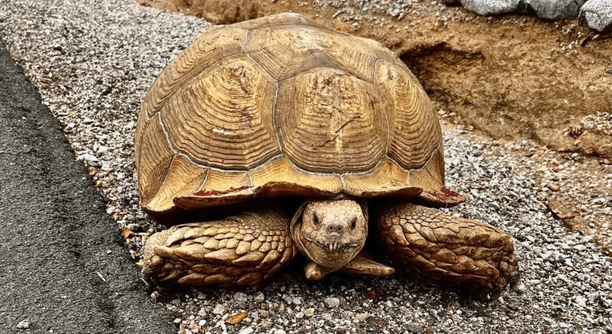
Is your sulcata tortoise losing weight, leaving you concerned about its health and well-being? Weight loss in these tortoises can be alarming, especially when you’re unsure of the cause or how to help them regain their strength.
The most common reasons for weight loss in sulcata tortoises include poor diet, parasites, dehydration, and inadequate habitat conditions. Identifying these factors early is essential for maintaining their health and ensuring proper growth and development.
Understanding these key causes will help you take the right steps to support your tortoise’s recovery and long-term well-being.
Poor Diet and Nutritional Deficiencies
A sulcata tortoise needs a diet rich in fiber, calcium, and essential nutrients to stay healthy. Feeding them too many fruits or low-fiber foods can cause weight loss, as their digestive systems require high-fiber grasses and hay to function properly. Calcium is crucial for their growth, and without it, they may experience not only weight loss but also shell deformities and weakened bones. Additionally, an imbalanced diet lacking vitamins and minerals can slow down their metabolism, causing a decline in body mass over time. Monitoring their diet and providing the right foods can significantly impact their overall health.
Tortoises fed excessive fruits may suffer from digestive issues, which can lead to nutrient absorption problems. High-sugar foods disrupt the gut’s natural bacteria, making it harder for them to break down and utilize nutrients effectively.
Ensure their meals mainly consist of grasses, hay, and leafy greens. Occasional treats like cactus pads or hibiscus flowers can add variety without harming their health. Supplement their diet with calcium powder as recommended by a veterinarian to support shell and bone development.
Parasites and Internal Health Issues
Parasites can cause weight loss by interfering with nutrient absorption. These organisms feed off the tortoise’s nutrients, leading to malnutrition and weight decline.
Internal parasites, such as roundworms or protozoa, are common in reptiles and can go unnoticed without regular check-ups. These parasites live within the digestive tract, consuming nutrients that the tortoise needs for growth and energy. Weight loss is often one of the first visible signs, along with changes in appetite or irregular stool. Left untreated, parasite infections can cause serious damage to the tortoise’s health.
Regular fecal tests conducted by a reptile veterinarian can detect the presence of parasites early. If parasites are found, the vet may prescribe medication to clear the infection. Maintaining clean, dry, and well-sanitized enclosures helps reduce the risk of parasite contamination. Avoid feeding wild plants, as these may carry parasite eggs that can infect your tortoise. Preventative care is key to keeping them healthy.
Dehydration and Lack of Water
Dehydration can quickly lead to weight loss in sulcata tortoises. Without enough water, their bodies struggle to digest food, absorb nutrients, and maintain healthy organ function, resulting in gradual weight loss and potential long-term health issues.
Tortoises need consistent access to clean water for drinking and soaking. Inadequate hydration affects their ability to digest fibrous foods, which are essential for their diet. Dry, compacted food in their digestive tract can lead to impaction, causing discomfort, reduced appetite, and subsequent weight loss. Soaking your tortoise in shallow water a few times a week can help maintain hydration.
Warm, arid environments increase the risk of dehydration, especially if the enclosure lacks proper humidity levels. Sulcata tortoises require moderate humidity to stay hydrated, even though they are desert species. Monitoring humidity with a reliable gauge and providing a shallow water dish helps maintain proper hydration and prevent unnecessary weight loss.
Inadequate Habitat Conditions
A poorly maintained habitat can contribute to weight loss in sulcata tortoises. Temperature, lighting, and space all impact their metabolism, digestion, and overall well-being, making proper setup essential for maintaining a healthy weight.
Sulcata tortoises need a warm environment to stay active and digest food effectively. Temperatures should remain between 85-95°F during the day, with a basking spot around 100°F. Nighttime temperatures shouldn’t drop below 70°F. Inconsistent or low temperatures can slow their metabolism, reducing appetite and causing weight loss. Proper UVB lighting is equally important, as it helps with calcium absorption, which supports growth and healthy weight.
The enclosure size also matters. Tortoises kept in cramped, stressful conditions may eat less and lose weight. A spacious, clean, and well-lit habitat encourages activity and healthy eating habits. Regularly check the temperature, humidity, and lighting setup to ensure everything stays within the recommended range.
Stress and Environmental Changes
Stress can cause weight loss in sulcata tortoises. Changes in their environment, such as relocation, new enclosure setups, or unfamiliar surroundings, often lead to reduced appetite. Tortoises need stability and consistent conditions to feel secure and maintain regular eating habits.
Loud noises, frequent handling, and the presence of other animals can also cause stress. Limiting disturbances and creating a calm, predictable environment helps reduce stress and supports normal eating patterns.
Illness or Underlying Medical Conditions
Health issues like respiratory infections, organ dysfunction, or metabolic bone disease can lead to weight loss. Respiratory infections may cause lethargy and reduced appetite, often triggered by incorrect temperatures or poor humidity levels. Metabolic bone disease occurs from calcium deficiencies, weakening the tortoise’s bones and reducing activity and food intake.
Regular vet check-ups are essential for early diagnosis and treatment. Any unusual signs, like wheezing, nasal discharge, or soft shell texture, should be addressed promptly to prevent further weight loss and complications.
Lack of Sunlight or UVB Exposure
Sulcata tortoises need UVB light to produce vitamin D3 and absorb calcium properly. Without adequate UVB exposure, their metabolism slows, leading to reduced appetite and weight loss. Ensure they receive daily natural sunlight or high-quality UVB lighting for proper growth and health.
FAQ
What should I feed my sulcata tortoise to prevent weight loss?
A sulcata tortoise’s diet should consist mainly of high-fiber grasses, hay, and leafy greens. Foods like dandelion greens, clover, and grass hay are ideal. Avoid feeding them too many fruits, as they are high in sugar and can upset their digestive system. Include calcium-rich foods, and consider supplementing their diet with calcium powder to support their bones and shell. Always provide fresh food daily and remove any leftovers to keep their environment clean.
How can I tell if my sulcata tortoise is dehydrated?
Signs of dehydration include lethargy, sunken eyes, dry skin, and reduced appetite. You may also notice that your tortoise is not soaking or drinking from its water dish. To help, soak your tortoise in shallow water for 20-30 minutes a few times a week. Ensure it has access to clean water daily.
How often should I feed my sulcata tortoise?
Young sulcata tortoises should be fed daily, while adults can be fed every other day. Always offer fresh food, and remove any uneaten portions to avoid contamination. Make sure they have constant access to fresh water. Monitor their weight and health regularly to adjust feeding schedules if needed.
Can stress cause my sulcata tortoise to lose weight?
Yes, stress is a major factor in weight loss. Stress can be caused by changes in the environment, sudden temperature fluctuations, loud noises, or being handled too often. It’s important to create a stable, quiet environment for your tortoise, with minimal disruptions. Give them time to adjust if you move them to a new home or setup.
What is the ideal temperature for a sulcata tortoise’s enclosure?
The temperature in the enclosure should be between 85-95°F during the day. Provide a basking area that reaches 100°F. Nighttime temperatures should be kept around 70°F to prevent the tortoise from getting too cold. Fluctuating temperatures can cause stress and affect digestion, leading to weight loss.
Can I keep multiple sulcata tortoises together?
While sulcata tortoises are generally solitary, you can keep multiple tortoises together if there’s enough space for each one. Make sure each tortoise has its own access to food, water, and basking areas to avoid competition and stress. Too many tortoises in a small space can lead to aggression, stress, and weight loss.
How do I know if my sulcata tortoise is sick?
Watch for signs like lethargy, lack of appetite, wheezing, nasal discharge, or changes in their stool. Also, check for soft or deformed shells, which could indicate metabolic bone disease. If you notice any of these signs, it’s important to take your tortoise to a reptile veterinarian for a check-up. Early detection can prevent more severe issues.
How do I properly hydrate my sulcata tortoise?
Ensure your tortoise always has access to fresh, clean water in a shallow dish. To help with hydration, soak your tortoise in lukewarm water for 20-30 minutes, a few times a week. This allows them to absorb water through their skin and helps maintain hydration, especially in dry climates.
What kind of lighting does my sulcata tortoise need?
Sulcata tortoises require UVB lighting to help them synthesize vitamin D3 and absorb calcium. Without adequate UVB, they can develop metabolic bone disease and experience weight loss. Use a high-quality UVB light for 10-12 hours a day, and if possible, provide some natural sunlight.
How can I prevent parasites in my sulcata tortoise?
Maintain a clean, dry enclosure to reduce the risk of parasite contamination. Avoid feeding wild plants, as they may carry parasite eggs. Regularly check your tortoise’s stool for signs of parasites, and have them tested by a vet at least once a year. If parasites are found, follow your vet’s treatment plan.
What should I do if my sulcata tortoise stops eating?
If your tortoise stops eating, it could be due to stress, illness, or improper environmental conditions. Check the temperature, humidity, and lighting to ensure they are optimal. If the problem persists, take your tortoise to the vet for an examination. Fasting may also happen if they’re about to shed, but long-term loss of appetite is a cause for concern.
How much space does my sulcata tortoise need?
Sulcata tortoises require a large space to roam, especially as they grow. A minimum of 100 square feet is recommended for an adult tortoise. Make sure the enclosure has both shaded areas and sunny spots, as well as room for them to forage and explore. If kept indoors, they need a large enclosure that mimics their natural environment.
Can my sulcata tortoise lose weight during hibernation?
Sulcata tortoises do not naturally hibernate, but they can experience a period of inactivity during colder months. If your tortoise becomes less active, ensure it is still eating and drinking. Inactivity shouldn’t cause significant weight loss unless other factors, like health problems or environmental stress, are involved. If you’re unsure, consult a vet.
What should I do if my sulcata tortoise’s shell is soft?
A soft shell is usually a sign of metabolic bone disease, often caused by a lack of calcium or UVB exposure. Adjust the diet to include calcium supplements and ensure proper UVB lighting. If the condition persists, seek immediate veterinary care, as it can lead to serious bone and shell deformities.
Final Thoughts
If your sulcata tortoise is losing weight, it’s important to consider several factors that could be contributing to this issue. Diet plays a significant role in their overall health. A balanced diet with the right amount of fiber, calcium, and vitamins is essential. Without these, your tortoise may not have the energy it needs to maintain a healthy weight. Foods like grasses, hay, and leafy greens should make up the majority of their meals. Avoid feeding them too many sugary fruits, as this can cause digestive issues that affect their appetite. Ensuring they receive adequate calcium and other vitamins is also crucial for maintaining strong bones and a healthy metabolism.
Another common reason for weight loss is dehydration. Tortoises, even desert species like the sulcata, need regular access to fresh water to stay hydrated. Without enough water, their digestive system can become sluggish, leading to weight loss. Providing a shallow dish of water for drinking and soaking is essential. Regular soaking sessions can help your tortoise absorb water through their skin, which is particularly helpful if they aren’t drinking enough. Keeping the habitat humidity at an appropriate level and monitoring water intake can prevent dehydration-related weight loss.
Lastly, environmental factors such as temperature, lighting, and stress can all contribute to a sulcata tortoise’s weight loss. Tortoises need a warm, stable environment to thrive. If temperatures drop too low or if their enclosure isn’t set up correctly, they may become stressed and stop eating. Proper UVB lighting is also important for calcium absorption, and a lack of it can lead to health issues like metabolic bone disease, which can cause weight loss. Keeping the habitat clean, ensuring they are not overstressed, and maintaining proper temperature and lighting conditions are all important to their overall health and well-being. If your tortoise’s weight loss continues, it’s always a good idea to consult with a vet to rule out any underlying health problems.

Hello,
If you enjoy the content that we create, please consider saying a "Thank You!" by leaving a tip.
Every little bit helps us continue crafting quality advice that supports the health, happiness, and well-being of pets around the world, for pets of all shapes, sizes, and species.
We really appreciate the kindness and support that you show us!