
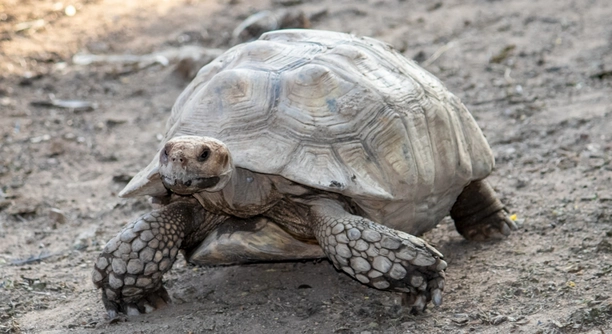
Sulcata tortoises are known for their slow, steady pace, but when they begin walking in circles, it can raise concerns. Observing this behavior may leave you wondering if it’s a natural occurrence or a sign of an underlying issue.
The circular walking of a sulcata tortoise can be a result of stress, boredom, or an enclosure that lacks sufficient space. Environmental factors such as inadequate lighting or humidity can also contribute to this repetitive behavior, signaling discomfort or a need for attention.
Understanding the causes behind your tortoise’s circling can lead to better care and comfort for your pet.
Reasons for Circular Walking in Sulcata Tortoises
One of the main reasons a sulcata tortoise might walk in circles is stress. Tortoises can be highly sensitive to changes in their environment. If they feel trapped, uncomfortable, or insecure, they may engage in repetitive behaviors like circling. This can happen if their enclosure is too small or lacks enough hiding spots to help them feel secure. Tortoises need space to roam and explore, so when they don’t have that, they may resort to this repetitive action as a way of coping.
If your tortoise is circling constantly, check the layout of their habitat. Does it have enough room for them to move around freely? Are there areas for them to hide and feel safe? Make sure their environment is stimulating and allows them to engage in natural behaviors like foraging and digging.
If the stress is due to environmental factors like lighting or temperature, adjusting these can help reduce the behavior. Make sure that the basking area is at the correct temperature and that they have access to UVB light, which is essential for their health.
How to Address the Issue
Make sure the tortoise has enough space, proper lighting, and a balanced diet. Sulcata tortoises need the right environmental conditions to thrive.
Providing the right conditions can significantly reduce circular walking. You can also add various enrichment items to their environment. These include rocks, plants, or logs they can climb over. This mimics their natural habitat and provides them with the mental stimulation they need. You could also try introducing other tortoises, as they are social animals that enjoy companionship. However, be cautious and ensure any new tortoises are compatible with the current one. If you notice any signs of injury or illness, consider consulting a vet who specializes in reptiles.
Environmental Factors
Poor environmental conditions can trigger circular walking in tortoises. Temperature and humidity must be carefully controlled for a sulcata tortoise. Too high or low temperatures, especially in their basking area, can cause stress. Make sure the habitat is consistent with their needs, avoiding temperature fluctuations.
Tortoises rely heavily on stable environments to thrive. A proper heat gradient is crucial, with a warm basking spot and cooler areas for rest. Humidity is another factor that can’t be overlooked. Sulcatas naturally live in dry environments, but they need some humidity for hydration and digestion. Check the humidity levels and adjust as needed. This simple change can make a big difference.
UVB lighting plays a key role in their health. If the light is inadequate, it can lead to stress and poor health. Ensure they have access to UVB light for around 10–12 hours a day. Providing these adjustments can help reduce circling behavior, keeping your tortoise comfortable.
Health Issues
A tortoise walking in circles could indicate underlying health issues. They might experience physical discomfort or pain, often from problems like shell deformities, injuries, or parasites. If circling is persistent, a trip to the vet might be necessary. Regular health checks can prevent this.
A sulcata tortoise’s behavior may change when they are ill. Look for signs such as lethargy, loss of appetite, or changes in their shell. Any visible changes to their shell or skin could signal a health issue. If you notice any of these symptoms, get them checked by a vet who specializes in reptiles. Stress from illness can lead to abnormal behaviors like walking in circles.
In addition to physical problems, tortoises may develop internal health concerns that cause them distress. Digestive issues, dehydration, or infections can lead to erratic behavior. If circling is new and persistent, it’s important to monitor their overall health. With proper care, many issues can be addressed early, preventing further complications.
Boredom and Lack of Stimulation
Tortoises are active creatures that need stimulation. If they aren’t provided with enough to do, they may walk in circles out of boredom. Simple activities like foraging for food or exploring different textures can help keep them engaged. A lack of these activities can cause repetitive behavior.
To prevent boredom, provide your tortoise with objects to climb on or dig around. This encourages natural behaviors and gives them mental stimulation. You can also hide their food in different spots to encourage foraging, which will keep them busy and distracted from circling. Enrichment is key.
Space and Enclosure Setup
A cramped living space can lead to frustration and repetitive walking. Tortoises need enough space to roam freely. If their enclosure is too small, they may begin walking in circles as a way of expressing their discomfort.
Ensure your tortoise has ample room to explore and move around. A larger habitat that mimics their natural environment will keep them from feeling restricted. Having multiple areas for basking, hiding, and roaming also prevents them from getting bored. This will help keep their behavior in check.
Temperature and Lighting
Proper temperature and lighting are essential for the well-being of a sulcata tortoise. An inadequate temperature gradient can cause stress and lead to unwanted behaviors like circling. Providing the right balance of heat and UVB lighting is crucial for their health.
Ensure your tortoise has access to a basking area that reaches around 95–100°F and a cooler area for them to rest. UVB lighting should be available for 10-12 hours each day to support their vitamin D3 production. These adjustments will promote a more stable, comfortable environment.
FAQ
Why is my sulcata tortoise walking in circles?
Walking in circles can be caused by several factors. Stress, boredom, or an improperly set-up enclosure are common reasons. It could also be a sign of discomfort due to health issues, temperature, or lighting problems. Make sure their environment is suitable, with enough space and proper heat. If the behavior persists, it’s best to consult a vet to rule out any health concerns.
How can I stop my tortoise from walking in circles?
The first step is ensuring your tortoise’s habitat is spacious and comfortable. Make sure the temperature is consistent, with proper heat gradients, and that they have access to UVB lighting. Provide enrichment like rocks, logs, or plants. A variety of food hidden around the enclosure can also help prevent boredom.
Can my sulcata tortoise walk in circles due to stress?
Yes, stress is a common trigger. If a tortoise feels threatened or insecure in its environment, it may begin walking in circles. This can happen if there are loud noises, new animals, or even if the tortoise feels cramped. A calm, quiet environment is crucial.
Does my tortoise’s age affect its behavior?
Tortoises of different ages may show varied behaviors. Younger tortoises are more active and curious, which can sometimes lead to circling if they don’t have enough to do. Older tortoises might circle due to health issues or stress. Both age groups benefit from a well-structured, spacious environment.
Could my sulcata tortoise have a health problem?
Health issues like shell deformities, infections, or digestive problems can cause abnormal behavior. If circling is persistent or your tortoise shows signs of lethargy, loss of appetite, or changes in its shell, consult a vet. Early diagnosis and treatment can prevent more serious problems.
How much space does a sulcata tortoise need?
Sulcata tortoises need a lot of space to roam, especially as they grow. A minimum of 100 square feet is recommended for an adult, with even more space for younger tortoises to explore. A cramped environment can lead to stress and repetitive behaviors like circling.
Can a sulcata tortoise be kept with other pets?
Sulcata tortoises can be kept with other pets, but caution is necessary. If you have other reptiles, make sure they are compatible in terms of temperature, humidity, and feeding requirements. Introducing tortoises to other species, like birds or small mammals, should be done with care to prevent aggression or stress.
What should the temperature be for my sulcata tortoise?
The temperature should be kept between 80°F to 90°F during the day. The basking area should be warmer, around 95°F to 100°F. At night, the temperature can drop to around 70°F to 75°F. Maintaining a proper heat gradient allows your tortoise to regulate its body temperature effectively.
Can the lighting affect my tortoise’s behavior?
Yes, improper lighting can stress your tortoise and contribute to abnormal behaviors. Sulcata tortoises require UVB light to synthesize vitamin D3, which is essential for calcium absorption and shell health. Provide 10-12 hours of UVB lighting daily. Without it, your tortoise could become lethargic and display repetitive behaviors like circling.
How do I tell if my tortoise is bored?
A bored tortoise will often engage in repetitive behaviors, like walking in circles. Other signs include scratching at the walls of the enclosure or acting lethargic. If your tortoise isn’t foraging or interacting with its environment, it may need more stimulation. Add enrichment items like rocks, plants, or tunnels.
Can circling be a sign of something more serious?
In some cases, yes. If circling is frequent and combined with other symptoms like weight loss, lethargy, or a change in eating habits, it could be a sign of health problems. Shell rot, parasites, or dehydration are possibilities. Consult a vet if you notice any unusual symptoms alongside the circling.
Should I give my sulcata tortoise a companion?
Tortoises are generally solitary animals, but some may enjoy the company of others. If you choose to add a companion, ensure the new tortoise is compatible in size and temperament. Some sulcata tortoises may be territorial, so careful introduction is necessary to avoid stress or aggression.
What should I do if my tortoise seems stressed?
If your tortoise shows signs of stress, first check its environment. Ensure the temperature, humidity, and lighting are correct. Redesign the habitat to make it more spacious and enriching. If stress continues despite these changes, consult a vet to rule out underlying health issues or discomfort.
Is it normal for my sulcata tortoise to be inactive at times?
Yes, sulcata tortoises can be inactive, especially during cooler parts of the day or when they are not feeling well. They can also slow down during colder weather, which is typical for reptiles. However, if inactivity becomes extreme or persistent, it may be a sign of an underlying issue.
Final Thoughts
When a sulcata tortoise begins walking in circles, it’s important to first evaluate its environment and behavior. Many times, repetitive circling can be linked to a lack of space, boredom, or stress. Tortoises are creatures of habit and thrive in a setting that mimics their natural habitat. This includes having ample space to roam, a consistent temperature, proper lighting, and an enriching environment that encourages natural behaviors. If these factors are addressed, the circling behavior may diminish or disappear entirely.
However, if the behavior persists despite adjustments to the tortoise’s living conditions, it’s essential to consider the possibility of health issues. Sulcata tortoises can be susceptible to various ailments such as respiratory infections, digestive problems, or shell issues that could cause discomfort and lead to unusual actions like circling. Regular vet check-ups are important for identifying and treating potential health concerns early. By paying close attention to their physical well-being, owners can ensure their tortoise remains healthy and comfortable.
Ultimately, understanding the root causes of circling behavior in sulcata tortoises can help in providing the best care. Whether it’s making environmental improvements or seeking veterinary advice, being proactive in identifying issues will improve your tortoise’s quality of life. A well-maintained habitat, appropriate diet, and proper care are all necessary elements to keep your sulcata tortoise happy and healthy.

Hello,
If you enjoy the content that we create, please consider saying a "Thank You!" by leaving a tip.
Every little bit helps us continue crafting quality advice that supports the health, happiness, and well-being of pets around the world, for pets of all shapes, sizes, and species.
We really appreciate the kindness and support that you show us!