
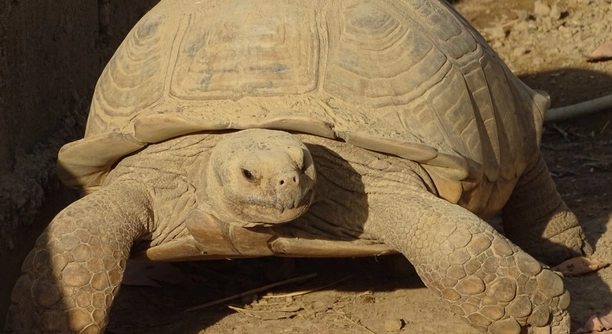
If you’ve noticed your sulcata tortoise digging next to its water dish, you may be wondering why it’s happening. Understanding your tortoise’s behavior can help ensure its comfort and well-being.
The behavior of sulcata tortoises digging near their water dish is typically related to their instinct to create a suitable environment for themselves. This behavior could stem from seeking a cooler or more humid area, as they often prefer such conditions.
This article will explore the reasons behind this behavior and provide helpful tips for creating a suitable habitat for your tortoise.
Why Do Sulcata Tortoises Dig?
Sulcata tortoises are naturally inclined to dig, a behavior they typically engage in for several reasons. They may dig to regulate their body temperature, seek shelter, or create a more comfortable environment. In the wild, they dig burrows to escape the heat and to provide themselves with protection. When in captivity, your tortoise may be replicating this behavior near its water dish, where it feels a sense of security and cooler temperatures.
Digging is also a way for tortoises to express stress or boredom. If your tortoise is confined to a small space without enough stimulation, it may dig to relieve its discomfort. Additionally, sulcata tortoises are known to dig when they’re not receiving enough attention or interaction.
Providing your tortoise with a more enriching environment, such as a larger enclosure with hiding spots, climbing opportunities, and varied textures, can help reduce excessive digging. Ensuring a consistent temperature gradient in the habitat is also important. Proper temperature control can significantly affect your tortoise’s health, as they need warmth to digest food but require cooler areas to regulate their body temperature.
How to Create a Comfortable Habitat
It’s essential to ensure your tortoise has access to different environmental conditions. Offering both warm and cool areas helps mimic natural conditions, where they can decide which part of the enclosure best suits their needs. You can create a cool space near the water dish, allowing your tortoise to feel comfortable without digging excessively.
Additionally, make sure your tortoise has space to roam and explore. A larger enclosure with areas for burrowing can help your tortoise express its natural behaviors without causing damage to the habitat. This also gives them the opportunity to find more comfort and avoid feeling stressed.
Temperature Regulation and Digging
Sulcata tortoises rely on their environment to help regulate their body temperature. If their habitat is too warm or too cold, they may dig to find a more comfortable spot. A water dish may offer some relief, as the surrounding area may be cooler.
A good practice is to set up a temperature gradient within the enclosure. By providing both warm and cool areas, your tortoise can move between them based on its needs. This helps avoid unnecessary digging. A basking area should be around 95-100°F, while the cooler side can be 70-80°F.
It’s also important to check the humidity levels in your tortoise’s habitat. Too little humidity can make your tortoise feel uncomfortable, leading it to dig in search of moisture. Ensuring your tortoise has a consistent, well-balanced environment will reduce its need to dig excessively. This balance will keep your tortoise healthy and at ease.
Space and Enrichment
If your tortoise feels confined, it might start digging out of boredom or stress. Giving your sulcata tortoise enough space to roam freely is essential for its well-being. A larger enclosure allows it to exhibit natural behaviors, like digging, without feeling trapped.
Enrichment is another key factor. Adding rocks, logs, or plants to the enclosure encourages exploration and mental stimulation. You can even hide food or treats to engage your tortoise and prevent boredom. When they have enough space and stimulation, they’re less likely to dig excessively, keeping their habitat and your home in better condition.
Stress and Anxiety
Stress can lead to a tortoise digging excessively. A change in its environment, loud noises, or handling can create anxiety. If your sulcata tortoise feels threatened, it may dig as a way to cope.
The best way to address stress is to create a quiet, stable environment. Avoid sudden changes in the tortoise’s living space. Minimize handling, especially during stressful periods, and ensure the habitat is free from disturbances. This will help reduce the digging behavior linked to anxiety.
Substrate and Digging Behavior
The type of substrate used in your tortoise’s enclosure can affect its digging behavior. Softer materials like coconut coir or soil allow your tortoise to dig easily and may encourage the behavior. Using a more rigid substrate could help reduce unnecessary digging.
Make sure the substrate is deep enough to allow for natural burrowing. If you notice your tortoise digging only around the water dish, consider adjusting the layout of the substrate to discourage this habit. A varied texture can help keep your tortoise engaged without overdoing the digging.
Diet and Digging
A tortoise’s diet can play a role in its behavior. Overfeeding or feeding the wrong types of food might lead to restlessness. In some cases, tortoises dig as a way to find more food.
Ensure that your tortoise receives a balanced diet with appropriate amounts of greens, vegetables, and other food sources. Overfeeding can also cause discomfort or lead to unhealthy behavior. Proper nutrition supports overall health, reducing stress and the need for unnecessary digging.
FAQ
Why does my sulcata tortoise dig by its water dish?
Your sulcata tortoise may dig near its water dish to create a cooler or more humid area, mimicking its natural burrowing behavior. This action helps the tortoise regulate its body temperature and stay comfortable. It may also dig as part of its instinct to seek shelter or a more suitable environment. If your tortoise feels that the area around the water dish is cooler, it might dig to settle into a more ideal spot.
Is digging near the water dish a sign of distress?
While digging by the water dish is typically a natural behavior, it can also indicate stress. If your tortoise digs excessively or in unusual patterns, it may be feeling uncomfortable due to factors like stress, a change in its environment, or poor habitat conditions. It’s important to observe other signs of distress, such as loss of appetite, erratic behavior, or refusal to bask.
How can I stop my tortoise from digging?
If your tortoise is digging excessively, ensure that it has an appropriately sized enclosure with adequate space for movement. Provide both warm and cool areas within the habitat to give the tortoise control over its environment. Ensuring the substrate is deep enough for natural digging and adding enrichment to its habitat can also reduce unnecessary digging. Regular interaction and mental stimulation can help keep the tortoise distracted from digging for no reason.
Should I be concerned if my tortoise digs all the time?
Frequent digging is often a natural behavior, but it can become a problem if it’s done out of stress or boredom. If your tortoise constantly digs, it could be seeking comfort, moisture, or temperature regulation. Evaluate the overall environment and make sure your tortoise is comfortable, as excessive digging can be a sign that the enclosure isn’t fulfilling its needs. A larger, enriched space and proper temperature control can help prevent overdigging.
Can temperature affect my tortoise’s digging behavior?
Yes, temperature plays a crucial role in a tortoise’s digging behavior. If your enclosure is too hot or too cold, your tortoise may dig to find a more comfortable spot. A temperature gradient is important, with a warm basking area and a cooler area to allow your tortoise to choose the temperature it prefers. If the habitat is too warm overall, your tortoise may dig to find a cooler area, especially near its water dish.
What kind of substrate is best for my sulcata tortoise?
A good substrate for a sulcata tortoise should allow for natural digging behaviors while also being safe. Coconut coir, soil, and sand mixtures are often used because they provide a deep, loose material for burrowing. However, it’s important to avoid substrates that are too fine or dusty, as they can cause respiratory issues. A thick layer of substrate also allows your tortoise to dig comfortably without hitting the bottom of the enclosure. Ensure the substrate is kept clean and dry to maintain a healthy environment.
Can stress cause my sulcata tortoise to dig?
Yes, stress can lead to increased digging behavior in sulcata tortoises. Environmental changes, loud noises, frequent handling, or inadequate habitat conditions can cause anxiety. When a tortoise feels stressed, it may dig as a coping mechanism to find safety or comfort. Keeping the enclosure quiet, stable, and free of disruptions is essential in preventing stress. Additionally, providing adequate space and mental stimulation can help keep your tortoise calm.
How do I know if my tortoise is bored?
Boredom is a common cause of digging behavior, especially in captive tortoises. If your tortoise is not given enough space to roam, climb, or explore, it may resort to digging as a way to entertain itself. Regular enrichment, such as hiding food or adding toys, rocks, and logs, can keep your tortoise mentally stimulated and reduce boredom-induced digging. Regular outdoor time in a safe, enclosed area can also give your tortoise the chance to engage in natural behaviors, reducing the need to dig out of boredom.
Should I add more hiding spots to my tortoise’s enclosure?
Yes, adding hiding spots can help reduce stress and unnecessary digging. Sulcata tortoises enjoy having sheltered spaces where they can retreat when they feel threatened or overwhelmed. Providing rocks, logs, or caves in the enclosure allows your tortoise to feel more secure and comfortable, potentially reducing digging behavior. Make sure the hiding spots are large enough for your tortoise to move around in comfortably.
What is the role of humidity in digging behavior?
Humidity plays a significant role in a tortoise’s health and comfort. If the air is too dry, your tortoise may dig in search of moisture or to regulate its body temperature. This behavior is especially common in desert species like the sulcata tortoise, which thrives in environments with moderate humidity. Maintaining proper humidity levels in the habitat can reduce the need for digging. Use a hygrometer to monitor the humidity and adjust the enclosure as necessary.
How much space does my sulcata tortoise need to reduce digging?
Sulcata tortoises are large, active reptiles that require ample space to thrive. A cramped enclosure can cause stress and lead to excessive digging. For an adult sulcata tortoise, the minimum recommended enclosure size is 8×4 feet, with larger enclosures being preferable. More space allows your tortoise to roam freely, dig naturally, and explore its surroundings, reducing the likelihood of digging out of stress or boredom. A well-sized enclosure can significantly improve your tortoise’s quality of life.
Final Thoughts
Sulcata tortoises are naturally curious and active animals, and digging is a common behavior in their lives. It’s important to understand that this is usually part of their instinctual patterns. Whether they’re digging to regulate their temperature, create a more comfortable environment, or just out of boredom, this behavior should be monitored to ensure your tortoise’s health and well-being. Most of the time, digging is harmless, but when it becomes excessive, it’s a signal that something may need to be adjusted in its habitat.
If your sulcata tortoise is digging near its water dish, it may be trying to create a cooler or more humid space. Tortoises, like many reptiles, rely on burrowing to control their body temperature, and digging near water could help them achieve this. Sometimes, it’s just a way for them to feel safer or more secure. In general, the key to addressing digging behavior is to ensure that your tortoise has enough space and environmental control, such as temperature gradients and humidity levels, to stay comfortable. If the tortoise feels threatened or stressed, creating a calm and stable habitat is crucial.
Ultimately, creating an enriching environment is important for the mental and physical health of your tortoise. A larger, well-maintained enclosure with plenty of hiding spots, appropriate substrates, and various forms of stimulation will allow your sulcata to express natural behaviors without resorting to excessive digging. While digging is part of being a tortoise, when it becomes a sign of stress, boredom, or poor environmental conditions, taking steps to correct these factors will ensure that your tortoise can live a happy, healthy life. Regular observation and small adjustments to the habitat can make a big difference in managing this behavior.

Hello,
If you enjoy the content that we create, please consider saying a "Thank You!" by leaving a tip.
Every little bit helps us continue crafting quality advice that supports the health, happiness, and well-being of pets around the world, for pets of all shapes, sizes, and species.
We really appreciate the kindness and support that you show us!