
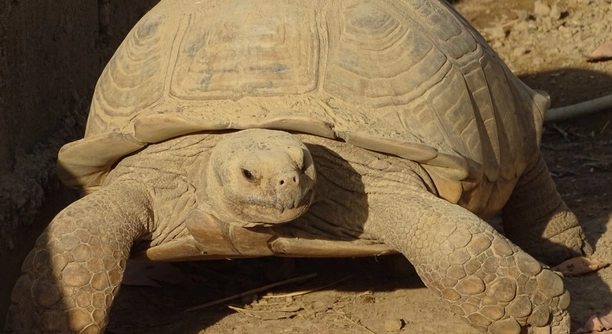
Introducing a newly adopted Sulcata tortoise into your home can be exciting but also a bit overwhelming. It’s important to understand how to create a calm environment for your tortoise, ensuring a smooth transition into its new home.
Reducing stress in a newly adopted Sulcata tortoise involves creating a proper habitat, ensuring a balanced diet, and providing appropriate lighting and temperature. Regularly monitoring its behavior and health is key to maintaining its well-being.
By following simple yet effective steps, you can ensure a smooth and stress-free transition for your new companion. Let’s explore how to create the best environment for your Sulcata tortoise’s health and happiness.
Create a Calm and Comfortable Habitat
A Sulcata tortoise needs a quiet and safe space to feel at ease. Start by setting up an enclosure with enough room for it to roam. These tortoises can grow large, so a spacious habitat is essential for their comfort. Ensure that the enclosure has solid walls to prevent escapes and maintain a stable temperature. A secure lid can help protect your tortoise from predators and drafts.
The substrate should be soft but supportive, like organic soil, which helps mimic its natural environment. It’s important to provide plenty of space for burrowing, as Sulcata tortoises naturally dig and seek out cool, shaded areas. Place a few rocks and hiding spots in the enclosure to give them options for exploring and resting.
Maintaining the correct temperature in the habitat is also essential. They require warmth during the day and a cooler temperature at night. A heating lamp or heat mat can help regulate the warmth, but be sure to monitor it regularly. If you can, place the enclosure in a quiet part of your home where noise and disturbance are minimal. A calm, controlled environment will help your tortoise feel secure and stress-free.
Ensure Proper Lighting and Humidity
Sulcata tortoises thrive with proper lighting, including both UVB and UVA light. This mimics the natural sunlight they would get in the wild.
UVB light is vital for tortoises because it helps them produce Vitamin D3, which is crucial for absorbing calcium. Lack of UVB can lead to shell and bone problems. Make sure the light is positioned correctly and replace the bulbs regularly to ensure effective coverage. You can find special UVB bulbs made for reptiles.
In addition to lighting, humidity plays a role in your tortoise’s health. Sulcata tortoises come from arid environments, but they still need a certain level of humidity for hydration and proper skin shedding. Regular misting can help maintain humidity levels within the appropriate range. You can also include a shallow water dish for drinking and soaking, which will help keep your tortoise hydrated. Make sure the water is fresh and clean at all times.
Focus on Diet and Hydration
A balanced diet is essential to keep your Sulcata tortoise healthy and stress-free. This species is primarily herbivorous, with a preference for grasses, leafy greens, and a small amount of vegetables. Avoid feeding them fruits and high-protein foods, as these can lead to health issues.
Timothy hay or similar grass hay is an excellent primary food source. This provides necessary fiber for digestion and shell growth. Additionally, you can offer dandelion greens, collard greens, and cactus pads. When offering vegetables, stick to darker, leafy greens like kale and mustard greens. Avoid spinach, as it contains oxalates, which can affect calcium absorption.
It’s important to remember that fresh water is just as important as food. Provide a shallow water dish for drinking and soaking. Tortoises may not always drink from it, but they often soak in the water to hydrate. Changing the water daily ensures it remains clean and fresh. Never leave food or water in the enclosure overnight to avoid attracting pests. Keeping your tortoise well-fed and hydrated reduces stress and promotes good health.
Minimize Stress from Handling
Sulcata tortoises can be easily stressed by excessive handling, especially in the first few weeks of their new home. Avoid picking them up too often, as this can make them feel vulnerable and unsettled.
Allow your tortoise to adjust to its environment at its own pace. If you need to handle it, do so gently and for short periods of time. Over time, they may become more comfortable with human interaction, but it’s important not to rush the process.
Make sure to handle your tortoise with clean hands, and never pick it up by the legs or tail. Supporting its body properly can prevent stress or injury. When they are allowed to roam freely in the enclosure, they can focus on exploring their new space rather than feeling confined or scared. Be patient and allow your Sulcata tortoise time to adapt.
Creating a calm and secure environment, focusing on a healthy diet, and minimizing stress from handling are key factors in helping your new tortoise thrive. By following these steps, you’ll be able to create a stress-free environment for your Sulcata tortoise to settle into and enjoy.
Regularly Monitor Health and Behavior
A healthy Sulcata tortoise shows consistent eating and drinking habits, active movement, and a clean shell.
Regularly check for signs of stress or illness, such as a lack of appetite, lethargy, or abnormal shell growth. Watch for any unusual behavior, like excessive hiding or difficulty moving. These can indicate underlying health issues.
Ensure its shell is smooth and free of cracks or soft spots, which can be a sign of malnutrition or poor calcium intake. Always monitor its breathing for any signs of respiratory issues. If any concerning symptoms arise, consult a reptile veterinarian promptly. Maintaining a watchful eye on health ensures that your tortoise remains stress-free and thrives in its environment.
Provide Opportunities for Exercise and Exploration
Sulcata tortoises need space to roam and explore to stay active and healthy.
They enjoy a variety of terrains, such as rocks, plants, and soil, to engage with. Creating different textures and hiding spots in their enclosure will encourage natural behaviors like foraging and climbing. Tortoises also need outdoor time when weather permits, as sunlight is crucial for their health.
Letting your tortoise explore a secure outdoor area can help it maintain a healthy lifestyle. Ensure the space is fenced to prevent escape, as Sulcata tortoises can dig. Allowing access to outdoor spaces promotes physical and mental well-being. Providing this opportunity for exploration reduces stress and encourages natural movements and activities.
Avoid Overcrowding in the Enclosure
Overcrowding can stress a Sulcata tortoise, as it requires space to move freely and feel secure.
If there are other pets in the same enclosure, ensure there’s enough room for each one. Too many animals can lead to competition for food, space, and resources, causing anxiety for the tortoise.
Additionally, multiple animals may increase the risk of disease transmission.
Keep the Environment Clean
A clean enclosure prevents the buildup of bacteria and parasites, which can lead to health issues.
Remove uneaten food, waste, and soiled bedding regularly. Disinfect the enclosure and all accessories frequently, using reptile-safe cleaners. Keeping the habitat clean helps maintain a healthy, stress-free environment for your Sulcata tortoise.
Regular cleaning also helps with odor control and ensures that your tortoise remains in a safe, comfortable space.
Minimize Sudden Noises
Sulcata tortoises can be sensitive to loud noises and sudden movements.
Limit the exposure of your tortoise to loud or jarring sounds, as this can lead to stress and anxiety. Creating a calm environment with minimal disturbances will allow your tortoise to feel more secure in its new home.
FAQ
How can I tell if my Sulcata tortoise is stressed?
Signs of stress in a Sulcata tortoise include reduced activity, a lack of appetite, excessive hiding, and changes in its behavior. A stressed tortoise may also retreat into its shell more frequently or appear lethargic. Keeping an eye on its eating and drinking habits is crucial. If these habits change, it’s a sign that something may be wrong, and the tortoise could be experiencing stress or illness. It’s important to ensure that its environment is quiet and comfortable, as stress can arise from various factors such as excessive handling, overcrowding, or improper habitat conditions.
What is the best way to handle a Sulcata tortoise?
When handling a Sulcata tortoise, always be gentle. Avoid picking it up by the legs or tail. Instead, support its body by placing your hands underneath, allowing the tortoise to feel secure. Limit handling to short periods, especially when it’s adjusting to a new environment. Excessive handling can cause stress, so it’s better to let your tortoise explore its surroundings at its own pace. Handling should be done with care and only when necessary, as these tortoises prefer to stay on the ground, moving at their own speed.
What is the ideal size for a Sulcata tortoise’s enclosure?
Sulcata tortoises require a spacious enclosure, as they can grow quite large. The minimum size for an indoor enclosure is 8 feet by 4 feet, but larger is always better. Outdoor enclosures should be even bigger, offering plenty of space for your tortoise to roam. A bigger enclosure allows for more exercise and helps prevent boredom, which can lead to stress. It’s important to make sure the space is secure, as Sulcata tortoises are skilled diggers and may attempt to escape. Providing both indoor and outdoor space for exploration helps to keep your tortoise happy and healthy.
What temperature should I keep my Sulcata tortoise’s habitat at?
The ideal daytime temperature for a Sulcata tortoise’s habitat is between 85°F and 95°F. At night, temperatures should drop to around 70°F. Using a heat lamp or heat mat can help maintain the necessary warmth, but it’s important to monitor the temperature regularly with a thermometer to ensure it’s consistent. Temperature fluctuations can stress your tortoise, so be sure to maintain stable conditions. A basking area should also be available, where the tortoise can warm up under a direct heat source. Keeping the environment within these temperature ranges ensures that your tortoise stays comfortable and healthy.
Do I need to provide UVB lighting for my Sulcata tortoise?
Yes, UVB lighting is essential for a Sulcata tortoise. UVB light helps them produce Vitamin D3, which is necessary for calcium absorption. Without UVB light, tortoises can develop metabolic bone disease or other health issues. A good UVB light should be placed near the basking area and replaced regularly, as UVB bulbs lose their effectiveness over time. It’s important to ensure the UVB light is at the correct distance from the tortoise, as too much or too little exposure can be harmful. Providing proper lighting ensures the tortoise’s bones and shell remain healthy.
What should I feed my Sulcata tortoise?
Sulcata tortoises are herbivores and thrive on a diet rich in grasses, hays, and leafy greens. Timothy hay or grass hay should make up the majority of their diet, with occasional leafy greens like kale, collard greens, and dandelion greens. They may also enjoy cactus pads, hibiscus flowers, and edible weeds. It’s essential to avoid feeding them high-protein foods, fruits, and vegetables that are high in oxalates, like spinach. Providing a varied diet ensures that your tortoise gets all the nutrients it needs to stay healthy and stress-free. Always ensure fresh, clean water is available.
How much water does a Sulcata tortoise need?
Sulcata tortoises require access to fresh water at all times. Although they do not drink a lot of water at once, they often soak in it to hydrate. It’s important to provide a shallow dish of water large enough for them to soak in, especially during hot weather. Make sure to change the water daily to keep it clean. You may also need to mist your tortoise occasionally to increase humidity in the habitat, which can help prevent dehydration, especially in drier climates. Providing proper hydration helps to keep your tortoise’s skin and overall health in check.
How often should I clean my Sulcata tortoise’s enclosure?
Cleaning the enclosure regularly is crucial for maintaining a healthy environment. Remove uneaten food, waste, and soiled bedding daily to prevent bacteria and parasites from building up. You should perform a deeper cleaning of the enclosure once a week, wiping down surfaces and disinfecting items like food dishes and water bowls. Using a reptile-safe cleaner ensures that the habitat remains free of harmful chemicals. Keeping the enclosure clean reduces the risk of infections and helps maintain a stress-free environment for your Sulcata tortoise. Always monitor the enclosure for any signs of mold or excess humidity.
Can I keep more than one Sulcata tortoise together?
It’s generally not recommended to keep multiple Sulcata tortoises together unless you have a very large space. These tortoises can be territorial and may fight, especially if there is not enough room for each to establish its own area. If you do choose to house more than one tortoise, make sure each one has its own space, food, and water sources. If there is any sign of aggression, it’s best to separate them to avoid injury or stress. It’s important to prioritize the well-being of each tortoise and ensure they have plenty of room to thrive.
What should I do if my Sulcata tortoise is not eating?
If your Sulcata tortoise is not eating, it could be a sign of stress, illness, or poor environmental conditions. First, ensure that the habitat is at the correct temperature, has proper lighting, and is clean. A sudden change in diet, temperature, or environment can cause a loss of appetite. If the conditions are correct and the tortoise still refuses to eat, it’s best to consult a reptile veterinarian. They can check for any underlying health issues, such as parasites or digestive problems. Promptly addressing the problem can prevent long-term health issues.
Final Thoughts
Caring for a Sulcata tortoise requires patience and attention to detail. By maintaining a proper environment, providing a balanced diet, and reducing stress, you can help ensure that your tortoise lives a long and healthy life. Creating the right habitat is essential, as these tortoises thrive in spaces that mimic their natural surroundings. Keeping their enclosure large enough for them to move freely and adding the proper heating and UVB lighting will support their overall well-being. Regular cleaning and fresh water are also key factors in maintaining a healthy habitat.
Managing stress is another important aspect of Sulcata tortoise care. These tortoises are sensitive to changes in their environment, so it’s important to minimize stress triggers, such as loud noises or frequent handling. Observing your tortoise’s behavior will help you detect signs of stress early. If you notice any changes in eating habits, activity levels, or general behavior, it’s important to address them promptly. Providing your tortoise with plenty of time to explore and enjoy its environment without being disturbed will help keep stress levels low.
Overall, understanding your Sulcata tortoise’s needs is the key to keeping it happy and healthy. As long as you provide proper care, attention, and a suitable environment, your tortoise can live a fulfilling life. It’s essential to stay informed and monitor your tortoise regularly for any signs of discomfort or illness. With the right care, a Sulcata tortoise can be a rewarding and fascinating companion for many years.

Hello,
If you enjoy the content that we create, please consider saying a "Thank You!" by leaving a tip.
Every little bit helps us continue crafting quality advice that supports the health, happiness, and well-being of pets around the world, for pets of all shapes, sizes, and species.
We really appreciate the kindness and support that you show us!