
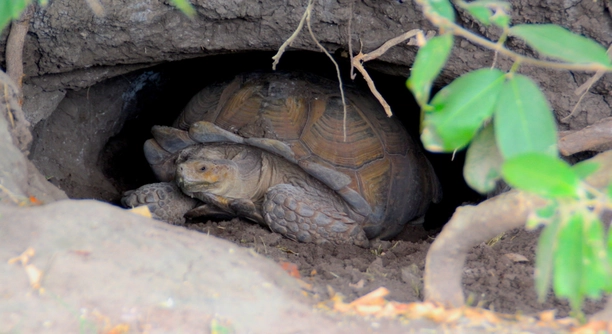
Sulcata tortoises are herbivores with specific dietary needs. While they may enjoy a variety of plants, not all foods are suitable for them. Knowing what foods are safe and beneficial for your tortoise is crucial for their health.
Almonds are not recommended for sulcata tortoises. Nuts, including almonds, are high in fat and protein, which can be harmful to their digestive system. These tortoises thrive on a high-fiber, low-protein diet, and nuts can disrupt their nutritional balance.
There are better food options to offer your tortoise for a healthy diet. Understanding which foods are safe and nutritious for your sulcata will help ensure they thrive.
Why Nuts Are Not Ideal for Sulcata Tortoises
Sulcata tortoises require a diet that is rich in fiber and low in fat. Nuts, including almonds, are high in fat and protein, which isn’t suitable for their digestive systems. These tortoises are herbivores that need mostly grasses, hay, and a variety of leafy greens. Nuts like almonds can throw off their nutritional balance, leading to potential health issues.
Offering nuts, especially almonds, can lead to obesity and liver problems for sulcata tortoises. Their digestive systems are not equipped to process foods high in fat and protein. For a tortoise to maintain a healthy weight and thrive, it’s important to stick to their natural diet. Almonds are not a part of that natural diet.
By focusing on a diet of grass, hay, and safe vegetables, you can ensure that your sulcata tortoise remains healthy and strong. Keeping their diet consistent with what they would find in the wild will help them avoid nutritional imbalances and health problems.
Safe Alternatives for Sulcata Tortoises
If you’re looking for healthy alternatives to nuts for your sulcata tortoise, leafy greens are an excellent option. Collard greens, dandelion greens, and mustard greens are all great choices. You can also feed them some flowers like hibiscus and clover. These foods are rich in vitamins and fiber and provide the nutrients your tortoise needs.
When it comes to tortoise diets, variety is key. Ensure that their meals are filled with different types of grasses and leafy vegetables. Always avoid feeding them fruits or high-fat foods, which can upset their delicate digestion. By sticking to natural and safe foods, your sulcata tortoise can thrive and live a long, healthy life.
The Risks of Feeding Almonds to Sulcata Tortoises
Almonds are high in fat and protein, both of which are difficult for sulcata tortoises to digest. These tortoises naturally graze on grasses and plants, and their digestive systems are designed to process high-fiber, low-protein foods.
Feeding almonds can lead to weight gain, liver problems, and other digestive issues. The high fat content can interfere with their metabolism, and over time, it can negatively impact their overall health. The tortoise’s body simply isn’t designed to handle the complex nutrients found in nuts, so these foods should be avoided for their well-being.
If you’re unsure about the best diet for your tortoise, stick with what they would naturally eat. Proper diet management helps maintain their health and energy levels while preventing unnecessary health complications. It’s essential to offer foods that align with their natural diet to avoid serious long-term issues.
Nutritious and Safe Alternatives to Nuts
Instead of almonds, sulcata tortoises benefit from a diet rich in fibrous plants. Safe options include grasses like timothy hay, clover, and dandelion greens. These offer a much better nutritional profile.
Feeding your tortoise foods that are similar to their natural habitat helps them stay strong. You can also include dark leafy greens such as collard greens and mustard greens in their diet. These options are packed with essential nutrients like calcium and fiber, which are important for shell and bone health. You can provide variety by adding flowers like hibiscus and dandelion.
By making sure your tortoise’s diet includes appropriate greens and fiber, you’ll help support their long-term health. These foods are more in line with their natural habits and will keep their digestive system functioning as it should.
Understanding the Dietary Needs of Sulcata Tortoises
Sulcata tortoises require a high-fiber, low-protein diet to thrive. Their primary food should consist of grasses, hay, and leafy greens. This diet helps maintain their digestive health and supports their overall growth.
Feeding them foods that mimic their natural habitat ensures they get the right nutrients. A balanced diet also helps in maintaining a healthy weight and promotes strong bones and shell.
Why Processed Foods Are Harmful
Processed foods are not suitable for sulcata tortoises because they often contain additives, preservatives, and artificial ingredients. These can upset their digestive systems, leading to health issues over time.
A diet consisting of whole, natural foods will better suit their nutritional needs. Stick to fresh, unprocessed options to help keep your tortoise healthy and happy.
FAQ
Can sulcata tortoises eat fruits?
Fruits should be fed to sulcata tortoises only in moderation. While they are not toxic, fruits are high in sugar, which can cause digestive issues and lead to obesity if offered too frequently. A small amount of fruits like strawberries, apples, or melons can be given occasionally, but they should not make up a large part of their diet. The primary focus should always be on grasses, hay, and leafy greens, which are far more suitable for their digestive systems.
What is the best type of hay for sulcata tortoises?
The best type of hay for sulcata tortoises is grass hay, especially timothy hay, which is rich in fiber and low in protein. This supports their digestive health and helps maintain a healthy weight. Other options like oat hay and meadow hay are also suitable, but timothy hay is usually the most accessible and beneficial for tortoises. Hay should always be available to your tortoise, as it makes up a large portion of their diet.
Are vegetables safe for sulcata tortoises?
Yes, vegetables are safe and important for sulcata tortoises, but they should be carefully chosen. Dark leafy greens like kale, collard greens, and mustard greens are excellent choices. You can also feed them vegetables like bell peppers, squash, and zucchini. Avoid vegetables that are high in oxalates, like spinach, which can interfere with calcium absorption. Ensure that any vegetables are thoroughly washed to remove pesticides or chemicals that could harm your tortoise.
Can sulcata tortoises eat flowers?
Sulcata tortoises can safely eat certain flowers, which can be a great addition to their diet. Flowers like hibiscus, dandelions, and clover are not only safe but also offer variety and some additional nutrients. Always make sure the flowers are pesticide-free and safe for tortoises before feeding them. Avoid feeding them flowers that may have been sprayed with harmful chemicals or grown in areas that may contain pollutants.
How often should I feed my sulcata tortoise?
Sulcata tortoises should be fed once a day, with plenty of access to fresh hay at all times. In their natural environment, they graze throughout the day, so providing fresh food daily is important to keep them healthy. For younger tortoises, feeding them every day is essential for their growth. Adult tortoises can be fed once a day or every other day depending on their size, but they should always have access to hay and fresh water.
Can sulcata tortoises eat almonds or other nuts?
Almonds and other nuts should be avoided in a sulcata tortoise’s diet. They are high in fat and protein, which can cause digestive issues and disrupt the nutritional balance that sulcata tortoises need. Nuts are not a natural food for these tortoises, and their digestive systems are not equipped to process high-fat foods. Offering almonds or other nuts can lead to obesity and liver problems. Stick to grass, hay, and safe leafy greens for their health.
What is the best way to keep a sulcata tortoise hydrated?
Hydration is important for sulcata tortoises, especially since they come from arid environments. The best way to keep them hydrated is to provide fresh water daily, making sure it is clean and accessible at all times. In addition to drinking water, you can also provide a shallow water dish for soaking. Soaking your tortoise in lukewarm water once or twice a week can also help maintain hydration and promote healthy digestion.
Is calcium important for sulcata tortoises?
Calcium is extremely important for sulcata tortoises, especially for their shell and bone health. Without enough calcium, they can develop metabolic bone disease, which affects their ability to grow and maintain a healthy shell. A calcium supplement is often necessary for young tortoises, but adult tortoises can usually get enough calcium from their diet if it includes calcium-rich greens like dandelions and collard greens. Offering a calcium supplement in the form of a powder that can be dusted on food may also be helpful, especially for young tortoises.
Can sulcata tortoises eat lettuce?
Lettuce can be offered to sulcata tortoises, but only in moderation. Iceberg lettuce should be avoided, as it offers little nutritional value and can cause diarrhea. Romaine or other dark leafy lettuces can be given occasionally, but they should not be a staple in their diet. Lettuce is not as nutrient-dense as other greens like kale or collard greens, so it’s important to offer a variety of other foods that provide more vitamins and minerals.
Are there any foods that are toxic to sulcata tortoises?
Yes, there are several foods that are toxic to sulcata tortoises. These include onions, garlic, avocado, rhubarb, and certain types of mushrooms. These foods can cause serious health problems, including digestive issues, poisoning, or even death. Always research any new foods before offering them to your tortoise, and stick to the safe and natural options like grasses, hay, and leafy greens. If you’re ever unsure about whether a food is safe, it’s best to avoid it.
Final Thoughts
When it comes to feeding sulcata tortoises, it’s essential to focus on a diet that mirrors their natural environment. These tortoises thrive on a high-fiber, low-protein diet that primarily consists of grasses, hay, and leafy greens. Offering the right foods ensures they stay healthy and helps prevent common health issues like obesity and shell deformities. Understanding the types of foods they can and cannot safely consume is key to providing proper care. A balanced diet will contribute to their long-term health and well-being.
Though sulcata tortoises might seem like they could eat a variety of foods, many items are not suitable for them. Almonds and other nuts, for example, should be avoided, as they are too high in fat and protein. Feeding them too much of such foods could lead to digestive problems, obesity, or even more serious health concerns. Always stick to natural, unprocessed foods that align with their herbivorous diet. Offering fruits and vegetables in moderation, as well as occasional flowers, can also provide variety, but their primary nutrition should come from grasses and hay.
Taking the time to understand your sulcata tortoise’s specific dietary needs will lead to a healthier, longer life for your pet. Providing fresh water daily, offering a variety of safe greens, and avoiding harmful foods will help keep them thriving. In the end, maintaining a balanced diet that aligns with their natural habitat will support their health and allow them to live a happy, active life. By following these guidelines, you’ll be giving your tortoise the best care possible.

Hello,
If you enjoy the content that we create, please consider saying a "Thank You!" by leaving a tip.
Every little bit helps us continue crafting quality advice that supports the health, happiness, and well-being of pets around the world, for pets of all shapes, sizes, and species.
We really appreciate the kindness and support that you show us!