
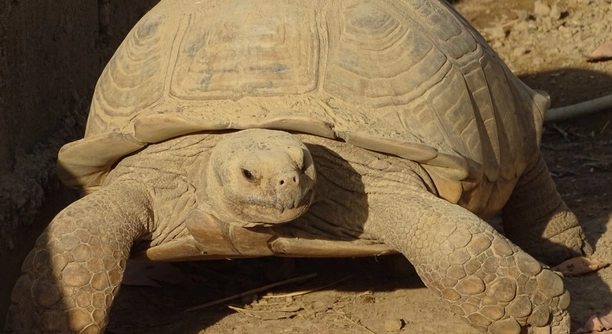
Sulcata tortoises are fascinating creatures, but when they start kicking their back legs, it can be concerning. Observing your tortoise’s behavior closely helps in understanding what might be causing this odd action.
The kicking motion is often a sign of discomfort, stress, or an attempt to relieve pressure. It can also indicate a possible underlying health issue, such as an injury or discomfort due to improper habitat conditions.
There are several factors that may be contributing to this behavior, and understanding them will help you address the issue and ensure your tortoise’s well-being.
Possible Causes for the Kicking Behavior
There are several reasons why your Sulcata tortoise may be kicking its back legs. A common cause is discomfort or stress, often linked to environmental factors. If the tortoise feels cramped, threatened, or exposed to sudden changes in temperature, it might react by kicking its back legs. Stress from improper living conditions, like inadequate humidity or lighting, can trigger this type of behavior. Another factor could be injury or physical discomfort. Tortoises are tough creatures, but they can still develop minor injuries that cause them to move in an unusual way. It’s also important to consider diet and hydration, as dehydration or nutritional deficiencies can affect their physical state, leading to uncharacteristic movements.
If you notice this behavior regularly, it’s worth checking the habitat.
A proper environment for your Sulcata includes ample space, stable temperature, and access to clean water. Regular checks on its living conditions will help you identify potential issues and create a more comfortable space for your tortoise.
When Health Issues Are Involved
Health problems such as arthritis, injuries, or internal issues could also lead to excessive leg kicking. Tortoises, like other reptiles, can develop joint pain or fractures that are not always visible immediately. Arthritis in particular is common in older tortoises, and it can cause them to move awkwardly, including kicking their back legs. If the tortoise is struggling to walk or appears to have a limp, it could indicate something more serious. Other health concerns, such as gastrointestinal distress or bloating, can also make a tortoise feel discomfort, which might manifest as leg kicking.
If you suspect a health issue, consider visiting a veterinarian. A professional assessment will help determine if there’s an underlying medical cause that needs to be addressed.
Environmental Factors and Behavior
Environmental stressors can be a significant factor in why your tortoise might kick its back legs. Sulcata tortoises thrive in warm, dry climates, and their behavior often reflects any discomfort with their surroundings. If the tortoise’s habitat is too small, too hot, or too cold, it could act out by kicking. Sudden changes in temperature, humidity, or lighting might confuse or stress out your tortoise. Providing a larger, more controlled space can help alleviate the issue. Additionally, tortoises need access to a heat source that mimics the sun’s warmth, and their substrate should allow for natural digging behavior. A lack of these environmental essentials can lead to physical discomfort that your tortoise may express through kicking.
By ensuring a stable and comfortable habitat, you can help reduce the likelihood of behavior like leg kicking and improve your tortoise’s overall health.
Checking for Injury or Injury-Related Stress
If your Sulcata tortoise is kicking its back legs, one possible reason is an injury. Even a minor fall or bump can cause internal pain that isn’t immediately obvious.
To check for injuries, carefully observe your tortoise for any signs of swelling, redness, or a limp. If you notice any unusual physical changes, like tenderness in the legs or a reduced range of movement, it’s crucial to take the tortoise to a vet. Injuries may not always be apparent externally, so any change in behavior, like persistent leg kicking, should be taken seriously.
Injuries can lead to significant discomfort, causing your tortoise to express pain through movements like kicking. Once you’ve ruled out injury, you can focus on other factors that might be contributing to the behavior. If the tortoise is unable to move without discomfort, it might require medical intervention to treat the underlying issue.
Habitat Considerations for Your Tortoise
The environment your tortoise lives in plays a huge role in its overall well-being. Poor habitat conditions can lead to stress and discomfort, often resulting in abnormal movements like leg kicking.
Sulcata tortoises need plenty of space to roam and explore. If they are kept in too small of an area, they can feel cramped, leading to stress. Additionally, temperature regulation is crucial for these reptiles. They need a warm, dry environment, with a heat source that replicates the sun. If the temperature fluctuates too much or the humidity is off, it can make the tortoise feel uncomfortable.
Another factor to consider is the substrate. Tortoises like to dig and burrow, and a substrate that doesn’t allow for this can cause frustration and stress. Providing a more suitable space with proper heating, humidity, and substrate will help improve your tortoise’s comfort and possibly reduce the kicking behavior.
Dehydration or Nutritional Deficiencies
Dehydration can cause physical stress on your Sulcata tortoise, which may lead to unusual behaviors like kicking its back legs.
It’s important to ensure your tortoise has constant access to fresh water. Dehydration can cause muscle weakness and discomfort, leading to abnormal movements. Similarly, a lack of essential nutrients, such as calcium or fiber, can also affect their behavior.
Ensuring that your tortoise is well-hydrated and has a balanced diet is key to preventing this. Regularly providing fresh, nutritious food and making sure it drinks enough water will help maintain its overall health and reduce leg kicking due to dehydration or deficiencies.
The Role of Temperature Fluctuations
Sudden changes in temperature can cause stress for your Sulcata tortoise, which may trigger the kicking behavior.
Tortoises are very sensitive to temperature. If the habitat becomes too hot or too cold, it can cause discomfort and stress. A temperature gradient in the enclosure is important, allowing your tortoise to move between warmer and cooler areas to regulate its body temperature. Proper heating should be provided, especially in colder months. If the tortoise cannot regulate its temperature, it may react by kicking its legs or showing other signs of distress.
The Impact of Stress on Behavior
Stress is a major factor that could cause your Sulcata tortoise to kick its back legs.
The stress might come from various sources like loud noises, sudden changes in their environment, or interactions with other animals. Even the presence of other tortoises can sometimes cause stress if they feel crowded or threatened. Keeping the environment calm, quiet, and stable is crucial to your tortoise’s well-being. Removing any stress-inducing factors will help your tortoise feel more secure and might reduce the kicking behavior.
FAQ
Why is my Sulcata tortoise kicking its back legs?
Kicking the back legs in Sulcata tortoises is often a sign of discomfort or stress. It could be caused by a number of factors, including environmental issues, such as improper temperature or humidity, or physical discomfort like injury or muscle pain. It may also happen if the tortoise feels cramped or stressed in its environment. Checking for signs of injury, assessing its habitat, and ensuring proper hydration and diet are key steps to take when addressing this behavior.
What should I do if my tortoise is kicking its legs?
First, observe your tortoise for signs of injury, such as swelling or difficulty moving. Check its living conditions to ensure they are appropriate for a Sulcata, including proper temperature, humidity, and space. If the tortoise is dehydrated or showing signs of poor nutrition, improve its diet and water supply. If there’s no improvement, a visit to the vet is recommended to rule out any health problems.
Could a lack of space cause my tortoise to kick its legs?
Yes, a lack of space can cause a Sulcata tortoise to feel stressed. These tortoises are naturally inclined to roam and explore. If their enclosure is too small, they may become frustrated, leading to behaviors like leg kicking. Make sure your tortoise has enough space to move around comfortably, with an area large enough for them to engage in natural behaviors like digging and exploring.
How can I make my tortoise feel more comfortable in its habitat?
Ensure your Sulcata tortoise has a spacious habitat with a warm and dry environment. The enclosure should have a temperature gradient, allowing your tortoise to regulate its body temperature by moving between warmer and cooler areas. Adding appropriate substrate, such as sand or soil, will give your tortoise the opportunity to burrow, which is a natural behavior for them. Also, make sure to provide fresh water and a balanced diet to support its health and comfort.
Can temperature fluctuations cause my tortoise to kick its legs?
Yes, temperature changes can cause stress, leading to unusual behaviors like kicking. Sulcata tortoises are sensitive to temperature fluctuations, and if they are exposed to extreme heat or cold, they may experience discomfort. Ensure that their habitat maintains a stable temperature within their required range (around 75–85°F during the day and cooler at night). Having a heat source, like a basking light, can help maintain the correct environment for your tortoise.
How do I know if my tortoise is injured?
Look for signs such as limping, swelling, tenderness, or difficulty moving. If your tortoise is kicking its back legs and appears to be in pain or moving awkwardly, it could indicate an injury. Check its legs and body for any visible marks or abnormalities. Gently feel around its limbs and joints to see if there’s any swelling or tenderness. If you’re unsure, it’s always best to consult a veterinarian for a proper diagnosis.
Could dehydration be causing my tortoise to kick its legs?
Yes, dehydration can lead to muscle weakness and discomfort, which may cause your tortoise to kick its back legs. Ensure your Sulcata tortoise has constant access to fresh water. A lack of hydration can also affect their digestive system and overall health, leading to additional stress and unusual behavior. If your tortoise is not drinking water, you may need to gently hydrate it using a moist towel or misting the enclosure.
What kind of diet should I give my tortoise to prevent leg kicking?
A proper diet is essential for your tortoise’s overall health. Sulcata tortoises are herbivores, so they should be fed a variety of grasses, hay, and leafy greens. Incorporating calcium-rich foods and offering occasional vitamin D3 supplements can help maintain healthy bones and muscles, reducing the risk of physical stress that could cause leg kicking. Avoid feeding them high-protein or high-fat foods, as these can lead to health problems.
Can stress from other animals cause my tortoise to kick its legs?
Yes, interactions with other animals can cause stress, especially if the tortoise feels threatened. Sulcata tortoises are solitary by nature and may not enjoy the company of other pets. If you have other animals in the same space, make sure your tortoise has its own area where it feels safe and secure. The presence of other pets can cause anxiety, leading to unwanted behaviors like kicking.
Is there any way to reduce the stress that causes leg kicking?
Reducing stress starts with creating a peaceful and comfortable environment. Ensure your tortoise has plenty of space, appropriate temperature and humidity, and a stable environment free from loud noises or sudden changes. Minimize handling, as excessive touching or interactions can stress the tortoise. If you live in a noisy area, consider placing your tortoise in a quieter room or providing natural hiding spots where it can retreat.
Should I see a vet if my tortoise is kicking its legs?
If the kicking behavior persists or worsens, it’s a good idea to consult a veterinarian. A professional can help rule out medical issues like arthritis, fractures, or internal pain that may not be obvious. Regular vet check-ups are important for maintaining your tortoise’s health, especially if you notice changes in behavior like excessive leg kicking.
Final Thoughts
When you notice your Sulcata tortoise kicking its back legs, it’s important to assess both its physical and environmental conditions. Often, behaviors like this are signs of stress, discomfort, or even injury. By observing your tortoise’s movements closely and checking for other signs of distress, you can better understand what might be causing the behavior. Whether it’s a cramped space, improper temperature, or a health issue, understanding the root cause is crucial in providing the right care. It’s essential to keep their habitat spacious, warm, and consistent, as well as provide a balanced diet to ensure overall health.
If you’re unsure about the cause of the kicking, it’s always a good idea to seek advice from a veterinarian. A professional can help identify any underlying medical conditions that may not be immediately visible. Sometimes, the cause might not be physical but environmental, such as a lack of space or a change in their routine. In these cases, making small adjustments to their living conditions, like increasing space, improving hydration, and making sure the temperature stays within the ideal range, can make a significant difference. Remember that tortoises can be sensitive to changes, and a bit of patience can often lead to a happier, healthier pet.
In conclusion, while leg kicking might be a sign of distress, it is something that can typically be addressed with proper care and attention. Understanding your Sulcata tortoise’s needs and making sure it feels secure and comfortable in its environment is key to reducing stress and encouraging positive behavior. Whether it’s a simple environmental tweak or a need for professional care, being proactive about your tortoise’s well-being will help ensure that your pet stays healthy and content. Regular monitoring, combined with a good understanding of their behavior, will go a long way in preventing issues before they become major concerns.

Hello,
If you enjoy the content that we create, please consider saying a "Thank You!" by leaving a tip.
Every little bit helps us continue crafting quality advice that supports the health, happiness, and well-being of pets around the world, for pets of all shapes, sizes, and species.
We really appreciate the kindness and support that you show us!