
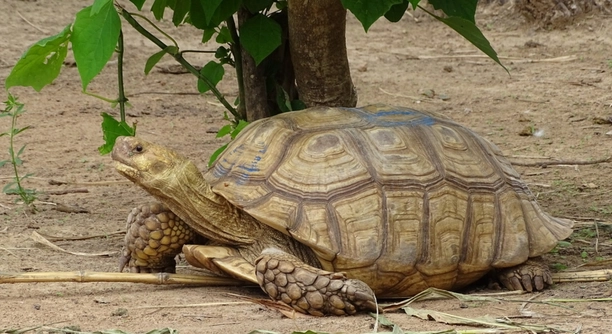
Building a secure and affordable sulcata tortoise enclosure is key to ensuring your pet’s safety and comfort. With some basic materials, you can create a space that will serve them well without breaking the bank.
The best way to build a cheap and secure sulcata tortoise enclosure is by using durable materials such as wooden panels, wire mesh, and untreated plywood. Focus on ensuring there are no escape routes while providing enough space for your tortoise to roam and graze.
Creating a safe and affordable enclosure doesn’t have to be complicated. It’s all about using the right materials and focusing on your tortoise’s needs.
Choosing the Right Materials for Your Enclosure
To build an affordable sulcata tortoise enclosure, choosing the right materials is crucial. You want something that will last while also keeping your tortoise secure. Start with wooden panels or pressure-treated lumber for the walls. These are sturdy and will keep your tortoise inside the enclosure. For the flooring, gravel or sand is ideal. It allows for proper drainage and mimics a natural environment for your pet. Wire mesh or fencing is essential to prevent escape and protect your tortoise from potential predators.
When selecting wood, make sure it’s untreated. Pressure-treated wood can have harmful chemicals that could be dangerous for your tortoise. A simple wooden frame with mesh wire is inexpensive and effective.
It’s also important to consider the size of your tortoise and its growth. A larger enclosure will be required over time. However, starting with a smaller space and gradually expanding will help you save costs while still meeting the tortoise’s needs.
Adding a Roof for Extra Security
While many enclosures focus on the sides and bottom, a secure roof is just as important. A roof keeps your tortoise from escaping and protects them from harsh weather. Use a lightweight material like corrugated plastic or simple wooden slats for this part of the enclosure. Ensure that the roof is securely attached to prevent any gaps.
The roof’s primary purpose is to provide shade and shelter from the elements. If you’re in a climate that gets extreme heat, adding a solid roof can help maintain a cooler environment for your tortoise. You can also install a small door or access point for easy maintenance and feeding.
Creating the Perfect Habitat Inside
Inside the enclosure, it’s essential to create a habitat that reflects your tortoise’s natural environment. Add plenty of space for roaming and areas for hiding. This helps to reduce stress and promotes healthy behaviors. You can use a mix of soil and sand to allow for digging, which sulcata tortoises naturally enjoy. Add plants that are safe for them to nibble on, such as dandelions and clover.
Include a shallow water dish, but make sure it’s not too deep to prevent accidental drowning. As sulcata tortoises are herbivores, focus on offering a variety of greens and vegetables. Adding natural rocks or logs can provide additional hiding spots and enrich the enclosure.
Providing the right space and environment is as important as the materials. This encourages your tortoise to thrive and feel at home. You can modify the habitat as they grow, ensuring it always meets their needs.
Creating Secure Fencing for the Enclosure
Fencing plays a huge role in keeping your sulcata tortoise safe. It needs to be tall and strong enough to prevent escapes. Opt for a durable material like welded wire or chain-link fencing. Be sure to bury the bottom few inches of the fence to avoid digging attempts.
The height of the fence should be at least 3 to 4 feet tall to keep your tortoise from climbing out. Make sure the mesh holes are small enough that they can’t slip through. Regularly check for any weak spots or damage that may compromise the security of the enclosure.
Don’t forget to reinforce the corners and edges where the fence meets the ground. This will ensure that your tortoise remains secure while providing a safe boundary. A strong, reliable fence is one of the best ways to protect your pet and prevent unwanted surprises.
Budget-Friendly Options for Materials
Building a cheap enclosure doesn’t mean you have to compromise on quality. Recycled materials like old pallets or wooden crates can be a great, affordable option for walls. Many home improvement stores sell scrap wood that can be used at a reduced cost.
Consider checking out local classifieds or second-hand stores for materials that can be repurposed. For example, you can find metal wire or even old garden fencing that can be used to secure the enclosure. When it comes to flooring, sand or gravel is often inexpensive and easy to find.
Using recycled or inexpensive materials doesn’t sacrifice the security or comfort of your sulcata tortoise. The key is to get creative and make sure everything is secure. You can always upgrade the enclosure later as your tortoise grows.
Ensuring Proper Ventilation
Proper ventilation is essential for a sulcata tortoise enclosure. Good airflow helps keep the temperature consistent and prevents humidity buildup, which can be harmful. A few strategically placed vents or mesh openings can make a big difference in maintaining a comfortable environment.
Without proper ventilation, the enclosure can become too hot and stuffy, potentially causing your tortoise stress or health issues. Mesh wire around the top or sides is ideal for airflow while still keeping your tortoise safe inside. Be careful not to leave gaps that could allow escape.
Temperature Control for Your Tortoise
Sulcata tortoises need both warm and cooler areas within their enclosure to regulate their body temperature. You can use heat lamps or ceramic heaters to create a warm basking area, but make sure there’s also a cooler section. A proper temperature gradient lets your tortoise choose the perfect spot for comfort.
The basking area should be around 90°F, while the cooler side can range between 70°F and 80°F. Adding a thermometer will help ensure temperatures stay in the right range. It’s essential to monitor these temperatures regularly to keep your tortoise healthy and active.
Adding Natural Elements
Adding natural elements like rocks, logs, and plants makes the enclosure feel more like home for your sulcata tortoise. These items provide hiding spots and climbing opportunities. Rocks also help wear down their beaks, which is important for their health.
Safe plants like dandelions, clover, and grasses not only make the enclosure visually appealing but also offer healthy snacks. Just ensure that the plants are safe for tortoises to eat. Avoid toxic plants, as they can be harmful if ingested. Adding a few natural features enriches the environment.
FAQ
How much space does a sulcata tortoise need in its enclosure?
Sulcata tortoises are large and need a lot of space to roam. The minimum recommended size for one tortoise is about 8 feet by 8 feet, though larger enclosures are always better. As your tortoise grows, you’ll need to expand the space to accommodate its size. A bigger area allows for natural movement, grazing, and digging, which are vital for its physical and mental well-being. Make sure the space is escape-proof and doesn’t have sharp edges that could harm the tortoise.
Can I build a sulcata tortoise enclosure indoors?
While it’s possible to build an indoor enclosure for a sulcata tortoise, it’s not the ideal environment. Sulcatas need a lot of space to roam and access to natural sunlight, which can be challenging indoors. If you plan to keep one indoors, you’ll need to provide UVB lighting and a heating source to replicate their natural environment. However, it’s recommended to house sulcata tortoises outdoors when possible, as they thrive in larger outdoor enclosures with access to natural elements.
What are the best materials for building a secure sulcata tortoise enclosure?
The best materials for a sulcata tortoise enclosure are strong and safe. Use pressure-treated wood for the frame, and welded wire or chain-link fencing for the walls. For the floor, gravel or sand provides a good natural feel. Avoid using materials with sharp edges or toxic finishes that could harm your tortoise. Make sure to build the enclosure with durable materials that can withstand both the size of the tortoise and outdoor weather conditions.
How do I prevent my sulcata tortoise from escaping the enclosure?
To prevent escape, ensure that the enclosure is tall enough and that the fencing is buried a few inches deep into the ground to stop digging. You can bury the wire or mesh a few inches below the soil, so your tortoise can’t dig under it. Double-check that there are no gaps in the fencing, especially around corners or near the edges. A secure roof may also be necessary to keep the tortoise from climbing or escaping, especially if the fencing is not tall enough. Regularly inspect the enclosure for damage.
How can I keep my sulcata tortoise warm during colder months?
Sulcata tortoises are cold-blooded, so they rely on external heat sources to regulate their body temperature. In cooler months, you can use heat lamps or ceramic heaters to keep the enclosure warm. Make sure the basking area stays around 90°F, and the cooler side of the enclosure is between 70°F and 80°F. If you live in a region where temperatures drop below freezing, consider bringing your tortoise inside during the winter months or using a heated shelter in the outdoor enclosure. Regularly check temperatures with a thermometer to ensure proper conditions.
Do I need to provide my sulcata tortoise with water?
Yes, water is essential for your sulcata tortoise. Provide a shallow, wide water dish that is easy for the tortoise to access. It should be large enough for the tortoise to drink from and soak in if it desires. Make sure to change the water daily to prevent contamination. If you live in a hot climate, make sure the water doesn’t evaporate too quickly. It’s important to keep the water dish in a place where your tortoise can drink freely without the risk of falling into deep water.
What kind of food should I give my sulcata tortoise?
Sulcata tortoises are herbivores and require a diet rich in grasses, weeds, and leafy greens. Offer a variety of plants such as dandelions, clover, and grass hay. You can also provide some leafy greens like kale, collard greens, and mustard greens. Avoid feeding them high-oxalate vegetables, such as spinach, as they can cause kidney issues. Fruits should be given sparingly, as they are high in sugar. Always ensure that the food you offer is pesticide-free and safe for tortoises to eat.
How do I maintain the proper humidity for my sulcata tortoise?
Sulcata tortoises require a dry environment but still need a bit of humidity, especially during shedding periods. To maintain the right humidity level, you can lightly mist the enclosure once a day or add a small humidity box or hide. However, make sure the overall humidity does not become too high, as this can cause respiratory problems. Monitor the humidity with a hygrometer and aim for a range of 40-60%. If the humidity is too low, consider adding a shallow water dish, but avoid excess moisture in the enclosure.
What should I do if my sulcata tortoise digs under the fence?
If your tortoise is digging under the fence, it’s essential to reinforce the perimeter. Bury the bottom of the fence at least 6 inches deep into the ground to prevent digging. You can also consider adding a lip or barrier at the bottom of the fence, extending outward to discourage digging. Check for any weak spots along the enclosure’s base and fix them immediately. Keep the ground inside the enclosure well-maintained and regularly check for signs of digging.
Is it necessary to provide a hide or shelter in the enclosure?
Yes, providing a hide or shelter is important for your sulcata tortoise. Tortoises need a place to retreat to for warmth, rest, and protection from extreme weather. A shelter will also give your tortoise a sense of security. You can build a simple shelter using wood or use a large ceramic pot turned upside down with a hole for entry. Make sure the shelter is large enough for your tortoise to move in and out freely.
Final Thoughts
Building a cheap and secure sulcata tortoise enclosure can be a rewarding experience. By carefully planning your enclosure, you can ensure your tortoise has a safe, comfortable environment. A secure enclosure not only keeps your tortoise safe but also promotes its health and happiness. Whether you are using affordable materials or working within a limited space, the key is to prioritize your tortoise’s well-being. Pay attention to the right size, ventilation, and materials that will last long term. These steps help in creating a suitable home that meets the needs of your pet.
Don’t forget to factor in your tortoise’s need for warmth, shade, and a safe space to roam. Proper lighting, heating, and access to fresh water are essential for maintaining your tortoise’s health. A secure enclosure will also prevent escape and ensure your sulcata remains safe from external dangers. Consistent monitoring of its environment can help address any issues early, like temperature fluctuations or unwanted humidity. Taking care of these details will help your sulcata thrive, both physically and mentally.
While the process of building and maintaining an enclosure may seem time-consuming, it is well worth the effort. A tortoise’s needs can be quite specific, but with the right knowledge, you can build an enclosure that meets all of them. As your sulcata grows, the enclosure may need to be expanded or adjusted, so it’s good to plan for the future. With patience and the right materials, your tortoise will have a safe and enjoyable living space for years to come.

Hello,
If you enjoy the content that we create, please consider saying a "Thank You!" by leaving a tip.
Every little bit helps us continue crafting quality advice that supports the health, happiness, and well-being of pets around the world, for pets of all shapes, sizes, and species.
We really appreciate the kindness and support that you show us!