
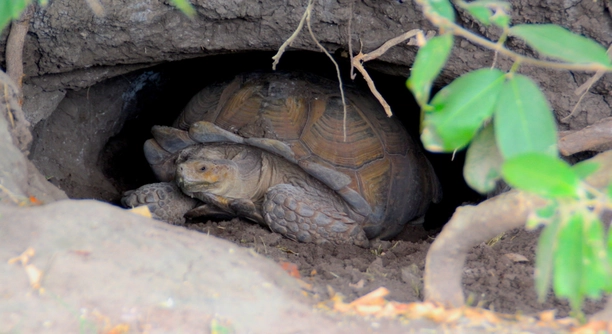
If you’re a proud owner of a sulcata tortoise, you may notice an odd clicking sound coming from your pet. This behavior might raise some questions and concerns, especially when you’re unsure of its cause.
The clicking sound you hear from your sulcata tortoise is likely due to its respiratory system. It can occur from minor irritations or infections, or even from an environmental factor such as humidity or dust.
Learning about your tortoise’s health and environment can help prevent issues in the future. By paying attention to signs and understanding their needs, you’ll be better prepared to provide proper care.
Common Causes of Clicking Sounds in Sulcata Tortoises
When your sulcata tortoise makes clicking sounds, it often points to issues related to its respiratory system. These tortoises can develop respiratory infections from bacteria, fungi, or viruses. Such infections often lead to nasal discharge, wheezing, and a clicking noise when they breathe. If your tortoise is housed in a damp or dusty environment, these conditions can irritate their sensitive airways. Additionally, temperature changes can make breathing harder for these reptiles, causing more noticeable sounds.
Respiratory issues are most common when the humidity and temperature in the tortoise’s environment aren’t maintained properly. Sulcatas require a warm, dry area with humidity levels that mimic their natural habitat. Too much humidity can lead to excessive moisture, while low temperatures can strain their respiratory system, making it harder for them to breathe properly.
Keeping your sulcata in a well-regulated environment is essential for avoiding respiratory problems. If you suspect an infection, take note of additional symptoms like nasal discharge, lethargy, or appetite loss. These could be clear signs that medical attention is needed. Keeping their habitat clean, dry, and at the correct temperature is the best preventive measure.
How to Manage Respiratory Infections
If your tortoise is suffering from a respiratory infection, you must act quickly. A vet specializing in reptiles can prescribe the right treatment, such as antibiotics or antifungals. It’s vital to follow the treatment plan carefully to prevent complications. Without treatment, the infection can worsen and become life-threatening.
In addition to the medication prescribed, you can help your tortoise recover by improving its living conditions. Provide a warmer and drier environment, as heat helps with healing. You might also need to clean the habitat more frequently to reduce potential irritants like dust or mold. Make sure your pet gets plenty of quiet time to rest and recover, and avoid handling it too much during this period.
Prevention is better than cure. Ensure your sulcata tortoise’s habitat is clean, dry, and well-lit to avoid these respiratory infections in the future. Regular check-ups with a reptile vet are also a good practice to keep your tortoise in optimal health.
When Clicking Sounds Aren’t Related to Illness
While clicking sounds are often linked to respiratory issues, there are other reasons your sulcata may make noises. These include physical irritation or stress. Stress can sometimes cause rapid breathing, resulting in audible sounds. Environmental factors like loud noises or being handled too much can also cause distress.
If your sulcata is stressed or anxious, adjusting its environment can help calm it down. Make sure it has a quiet space away from sudden changes or distractions. Too much handling can also stress your tortoise out, especially if it’s not used to human interaction. Keep handling to a minimum to avoid unnecessary stress.
It’s important to observe your tortoise’s behavior and surroundings. Stress may cause your sulcata to act differently, but once the triggers are identified and removed, the clicking sound should stop. If the sounds persist or worsen, then it might be time to consult with a reptile vet for further advice.
How Temperature Affects Your Sulcata Tortoise’s Breathing
Temperature plays a significant role in your sulcata tortoise’s ability to breathe properly. If the environment is too cold or too hot, it can make their respiratory system work harder. Consistent temperatures are important for maintaining their overall health.
A sulcata’s ideal temperature range is between 80°F and 95°F during the day, with a cooler night temperature around 70°F. If temperatures drop below this range, it can cause stress, slow down their metabolism, and potentially lead to respiratory issues. Overheating can also cause difficulty in breathing. It’s essential to monitor and adjust the temperature regularly, especially during colder months.
In addition to maintaining proper ambient temperature, ensure that the basking area is even warmer. A hot basking spot around 100°F to 110°F helps your tortoise maintain a healthy body temperature, improving digestion and immune function. Regularly check that all heat lamps and heating pads are functioning correctly to avoid fluctuations in temperature.
Humidity Levels and Respiratory Health
Humidity is another factor that directly affects your sulcata tortoise’s respiratory health. If the humidity is too high, it can lead to excess moisture in the air, which encourages bacterial and fungal growth. If the humidity is too low, it can dry out their respiratory tract, causing irritation.
Ideal humidity levels for sulcatas should be between 40% and 60%. If you live in a particularly dry climate, you might need to increase humidity levels by using a humidifier or misting their habitat lightly. On the other hand, if the humidity is too high, adding more ventilation or adjusting your setup can help. Proper airflow is key to preventing fungal infections and respiratory issues.
By keeping the humidity levels within the recommended range, you help maintain your tortoise’s respiratory health. You can monitor the humidity using a hygrometer and make adjustments as necessary. This way, your sulcata will be more comfortable and less likely to develop breathing problems.
Dust and Debris in the Habitat
Dust and debris in your sulcata’s habitat can cause irritation to their respiratory system, leading to clicking sounds. When they breathe in dust, it can block their airways, making it difficult for them to get a full breath.
Keeping their enclosure clean is essential to prevent dust buildup. Regularly replace bedding and remove any old food or waste. Use non-dusty substrates like coconut coir or grass hay, as these are gentler on their respiratory system. If you use sand or soil, make sure it’s kept dry and clean to avoid dust clouds when your tortoise moves around.
It’s also a good idea to monitor the environment for any other debris or mold that could trigger respiratory issues. Keeping the habitat dry and free from contaminants will not only reduce the risk of respiratory infections but also improve your sulcata’s overall well-being. Make cleanliness a priority to avoid unnecessary health problems.
How to Spot the Early Signs of Respiratory Infections
When your sulcata tortoise develops a respiratory infection, early signs can often be subtle. Watch for a runny nose, slight wheezing, or any change in breathing patterns. These symptoms can signal an issue, even before a more noticeable clicking sound appears.
Lethargy and loss of appetite are also common indicators. If you notice these behaviors along with clicking sounds, it’s a clear sign that something may be wrong. Immediate attention can prevent the infection from worsening.
Keeping track of your tortoise’s behavior and health helps you catch these problems early. Regular observation is key to identifying these subtle signs.
The Importance of Proper Hydration
Hydration plays an important role in your sulcata’s overall health, including respiratory function. Dehydration can make it harder for your tortoise to recover from illnesses and can irritate its breathing system. Providing fresh water daily ensures that your tortoise stays hydrated.
A well-hydrated tortoise is better equipped to deal with environmental stress and infections. Additionally, when the body is hydrated, mucus production is regulated, which may help reduce respiratory issues. Make sure the water is clean and accessible at all times to encourage drinking.
Proper hydration combined with good habitat conditions can help keep respiratory problems at bay.
Ventilation and Air Quality
Good ventilation in your sulcata’s enclosure is critical to maintaining air quality. Poor airflow can trap heat, moisture, and harmful gases, which can exacerbate respiratory issues. Ensure your tortoise’s living space is well-ventilated to avoid stale air buildup.
Make sure there are openings or vents that allow for proper air circulation without creating drafts. Regular cleaning and removing waste also help keep the air fresh, preventing bacteria or fungi from building up and causing harm. If necessary, use a fan or air purifier to keep the air clean.
Regularly assess the airflow to ensure it’s optimal for your tortoise’s health.
FAQ
Why is my sulcata tortoise making clicking sounds?
Clicking sounds in your sulcata tortoise are often a sign of respiratory issues. These sounds can result from infections, such as pneumonia, or environmental factors that irritate their respiratory system. Poor air quality, humidity, or temperature imbalances can also contribute to these noises. It’s important to keep a close eye on your tortoise’s overall behavior and look for other signs like nasal discharge or lethargy to determine if a visit to the vet is necessary. Maintaining proper environmental conditions can help prevent these issues from developing in the first place.
How can I prevent respiratory issues in my sulcata tortoise?
The best way to prevent respiratory issues is by maintaining a proper habitat. Ensure your sulcata has a warm, dry environment with the right humidity levels (40-60%) and temperature range (80°F to 95°F during the day). Keep the enclosure clean by removing old food, waste, and debris that could cause respiratory irritation. Avoid drafts and excess moisture, which can lead to fungal and bacterial growth. Proper hydration and fresh water should be provided daily to help with respiratory health as well. Regularly checking your tortoise’s behavior for any early signs of illness can also prevent severe issues.
What are the signs of a respiratory infection in my tortoise?
Respiratory infections in sulcata tortoises can present in various ways. Watch for nasal discharge, wheezing, and difficulty breathing. Clicking or popping sounds while they breathe may be an indication of an infection. If your tortoise seems unusually lethargic, has a reduced appetite, or is breathing heavily or labored, it may be suffering from a respiratory issue. These infections can worsen quickly, so it’s important to take action as soon as symptoms appear, usually with a trip to a reptile vet for diagnosis and treatment.
Can stress cause my sulcata to make clicking sounds?
Yes, stress can cause your sulcata tortoise to breathe in a way that produces clicking sounds. Stress from environmental factors such as loud noises, frequent handling, or changes in habitat can lead to increased breathing rates and subtle respiratory changes. Though it’s less common than respiratory infections, stress-induced breathing issues can still cause noticeable sounds. Ensuring your tortoise has a calm, quiet, and comfortable environment is crucial for its health. Avoid excessive handling and provide a secure space for your tortoise to feel safe and relaxed.
How do I treat my sulcata tortoise if it has a respiratory infection?
If you suspect your sulcata has a respiratory infection, the first step is to consult a reptile vet for diagnosis and treatment. Your vet will likely prescribe antibiotics or antifungal medications depending on the cause of the infection. It’s crucial to follow the treatment plan exactly as prescribed. In addition to medication, make sure the tortoise’s habitat is warm, dry, and clean to help with recovery. Reducing stress and allowing your tortoise to rest will also aid in healing. Always monitor for any worsening symptoms and keep your vet updated on your pet’s condition.
What temperature should my sulcata tortoise’s habitat be?
The ideal temperature for a sulcata tortoise should range from 80°F to 95°F during the day. The basking area should be the warmest, around 100°F to 110°F, to provide proper thermal regulation. At night, temperatures can drop to around 70°F. Sudden temperature fluctuations can stress your tortoise and contribute to respiratory problems. Use a thermometer to regularly check the temperatures in various areas of the enclosure to ensure consistency. This helps prevent overheating or chilling, both of which can negatively impact your sulcata’s health.
What kind of bedding should I use for my sulcata tortoise?
Bedding material is an important aspect of maintaining your sulcata’s health. It should be dry and non-dusty to prevent respiratory irritation. Materials like coconut coir, grass hay, or shredded paper are good choices for bedding. Avoid using sand or soil that may create dust or become too damp, as it could harbor bacteria or fungi. Make sure to replace bedding regularly to maintain a clean environment. You can also provide some natural elements like small rocks or logs for enrichment, but always ensure they are safe and free from sharp edges.
Can humidity cause clicking sounds in my tortoise?
Yes, excessive humidity can irritate your sulcata’s respiratory system, potentially leading to clicking sounds when it breathes. While sulcatas require a moderate level of humidity, too much moisture in the air can cause fungal and bacterial growth, leading to respiratory infections. On the other hand, too little humidity can dry out their airways and cause similar issues. The ideal humidity level should be between 40% and 60%. Monitoring the humidity regularly using a hygrometer and adjusting ventilation or misting as needed can help maintain the right balance for your tortoise.
How do I know if my sulcata tortoise is stressed?
Signs of stress in a sulcata tortoise can vary, but common indicators include erratic behavior, excessive hiding, or becoming unusually lethargic. A stressed tortoise may also stop eating, refuse to drink, or show signs of discomfort such as rapid breathing or excessive movement. Environmental stressors like loud noises, changes in temperature, or overcrowding can all contribute to these reactions. Providing a quiet, secure space and minimizing handling during stressful periods can help your sulcata feel more at ease. If the stress seems severe or prolonged, consider consulting a reptile vet for further guidance.
Final Thoughts
When it comes to your sulcata tortoise, understanding the causes behind the clicking sounds can help ensure it stays healthy. While these sounds are often linked to respiratory issues, there can also be other reasons, such as stress or environmental factors. By observing your tortoise’s behavior and being aware of the habitat conditions, you can address problems early before they become more serious. Regularly checking your tortoise’s health and environment is key to preventing potential issues, and keeping its habitat clean and properly regulated will help reduce the risk of respiratory infections.
If you do notice any unusual symptoms, such as nasal discharge, lethargy, or persistent clicking sounds, it’s important to consult a reptile vet. Early diagnosis and treatment can help your tortoise recover more quickly. Respiratory infections are common but treatable, so prompt care is essential. Ensuring that your sulcata has the right temperature, humidity, and air quality in its environment will prevent many of these issues from arising in the first place. A proper diet, hydration, and minimal stress also play a significant role in maintaining your tortoise’s health.
By keeping your sulcata tortoise in a stable and comfortable environment, you can help it live a long, healthy life. While the clicking sounds can be alarming, they’re often a sign that something in the environment may need adjusting. Whether it’s improving the air quality, regulating temperature, or reducing stress, taking the right steps can resolve the issue. With regular care, attention, and timely intervention, your sulcata will thrive and continue to be a wonderful companion for years to come.

Hello,
If you enjoy the content that we create, please consider saying a "Thank You!" by leaving a tip.
Every little bit helps us continue crafting quality advice that supports the health, happiness, and well-being of pets around the world, for pets of all shapes, sizes, and species.
We really appreciate the kindness and support that you show us!