
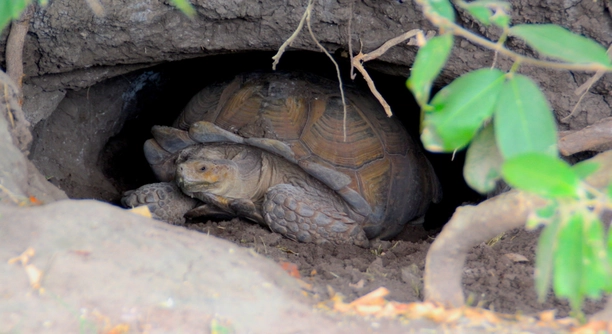
Sulcata tortoises are herbivores, but understanding their dietary needs can be tricky. Knowing which foods are safe is essential for their health. Tomatoes, a common food, might seem like a treat, but how safe are they for these reptiles?
Sulcata tortoises can eat tomatoes in moderation. However, the high acidity and sugar content can cause digestive issues. Only ripe tomatoes should be offered, and it is important to avoid the stems and leaves, which are toxic to them.
Tomatoes should be given carefully, considering their potential effects on your tortoise’s digestion. It is important to learn the best ways to incorporate them into their diet.
Are Tomatoes Safe for Sulcata Tortoises?
Tomatoes can be safe for sulcata tortoises when given in moderation, but it’s important to be cautious. While ripe tomatoes may not pose an immediate danger, offering them too frequently could lead to health problems. Tomatoes are acidic and high in sugar, which can upset your tortoise’s digestive system. The leaves and stems of the plant are particularly harmful, as they contain toxins that can cause serious issues. A small piece of ripe tomato as an occasional treat is fine, but it should not be a staple in their diet. Balance and variety are key to their nutrition.
Avoiding these parts is crucial to ensure your tortoise’s safety. Offering tomatoes only occasionally can help maintain their health. It’s always better to stick to the right balance when introducing new foods.
Tomatoes should never replace a diet rich in grass, hay, and leafy greens. These form the foundation of a sulcata tortoise’s nutritional needs. The occasional tomato can serve as a treat but must be given with caution. The right choices will ensure your tortoise remains healthy.
How Often Should Sulcata Tortoises Eat Tomatoes?
Tomatoes should be given no more than once a week. Since they are high in sugar and acid, it’s essential to monitor the amount provided.
Although a small amount of tomato can be a nice treat, it shouldn’t dominate your tortoise’s diet. Focus primarily on providing hay, grasses, and leafy greens. Regular exposure to high-acid foods like tomatoes can interfere with their overall well-being. Moderation is key for their long-term health.
When you do feed tomatoes, make sure they are fresh, fully ripe, and free of any stems or leaves. A small slice is enough to offer variety without risking digestive issues. The aim is to ensure the main diet is balanced and does not rely on sugary, acidic fruits like tomatoes.
Risks of Overfeeding Tomatoes to Sulcata Tortoises
Feeding tomatoes too often can lead to digestive problems and obesity in sulcata tortoises. High sugar levels can upset their stomachs, leading to diarrhea or other issues.
When tomatoes are overfed, they can also replace essential nutrients that tortoises need from their main diet of grasses and hay. This imbalance can result in nutrient deficiencies. Too many tomatoes can also disrupt their digestive system, causing bloating or discomfort. Always ensure the majority of their food intake consists of more suitable, nutritious items to keep them healthy.
Introducing tomatoes too often may also lead to an over-reliance on fruit, which can lower their intake of important fibers and vitamins. Without proper fiber, a sulcata tortoise’s gut will not function properly, leading to further health problems. Therefore, it’s essential to treat tomatoes as an occasional snack, not a regular part of their diet.
Signs of Tomato Toxicity in Sulcata Tortoises
If your tortoise consumes leaves or stems of a tomato plant, they may show signs of poisoning. Symptoms include lethargy, loss of appetite, or digestive distress.
Toxicity can occur quickly if a tortoise eats parts of the plant that are not the fruit. The leaves and stems contain solanine, which can be deadly to many reptiles, including sulcata tortoises. Symptoms may range from mild stomach upset to more severe reactions, such as vomiting or loss of coordination. If your tortoise shows any of these signs, immediate veterinary attention is required.
The key to preventing toxicity is proper preparation. Always remove any leaves, stems, or unripe tomatoes before feeding them to your tortoise. Ensuring the tomato is completely ripe and properly cut into manageable pieces helps reduce the risk of harm.
How to Safely Feed Tomatoes to Sulcata Tortoises
When feeding tomatoes, always ensure the fruit is ripe and cut into small, manageable pieces. Avoid giving them large portions that might cause digestive distress. Remove all leaves and stems, which can be toxic.
Offering small, bite-sized pieces helps prevent overfeeding. Make sure the tomato is fresh, not overripe or spoiled. This ensures your tortoise gets the best, safest treat.
Best Diet for Sulcata Tortoises
A sulcata tortoise’s diet should primarily consist of grasses, hay, and leafy greens. These foods provide essential fiber, which supports their digestive health and overall well-being. Fruits like tomatoes can be given occasionally but should not replace their main meals.
It’s crucial to ensure the diet remains balanced. Providing a variety of grasses and leafy greens ensures they receive proper nutrients. Including calcium-rich foods, like dandelion greens, can support their shell health. Regularly changing the food types will prevent deficiencies and keep them satisfied.
How to Avoid Digestive Issues
To prevent digestive issues, stick to foods that are high in fiber and low in sugar. Fruits, including tomatoes, should be a rare treat. Always monitor how your tortoise reacts to new foods to ensure they are handling it well.
Can Sulcata Tortoises Eat Tomatoes Every Day?
No, sulcata tortoises should not eat tomatoes every day. While the fruit is not toxic in moderation, it is high in sugar and acid, which can upset their digestive system if overfed. A small amount once a week is sufficient. Overfeeding tomatoes can cause diarrhea, digestive discomfort, or other health issues. The main focus should be on hay, grasses, and leafy greens, which provide the necessary nutrients for proper growth and digestion. Treat tomatoes as a rare treat rather than a regular part of their diet.
Are Tomato Leaves and Stems Safe for Sulcata Tortoises?
No, tomato leaves and stems are toxic to sulcata tortoises. These parts of the tomato plant contain solanine, a toxic compound that can cause poisoning. Symptoms of toxicity include lethargy, loss of appetite, and digestive issues. It’s essential to remove all leaves, stems, and unripe tomatoes before feeding them to your tortoise. Always check the food thoroughly to avoid accidental poisoning. Even a small amount of tomato plant material can cause significant harm, so it’s best to stick to the ripe fruit.
How Much Tomato Can I Give My Sulcata Tortoise?
A small slice of ripe tomato is enough for your sulcata tortoise. As a general rule, avoid giving them more than a few small pieces per week. Tomatoes should not make up a significant portion of their diet. They are meant to be an occasional treat rather than a staple. Stick to leafy greens, grasses, and hay as the main components of their meals. Offering a variety of vegetables and fruits in small amounts ensures that your tortoise gets a balanced diet while avoiding overfeeding sugary or acidic foods like tomatoes.
What Are the Symptoms of Tomato Toxicity in Sulcata Tortoises?
If your sulcata tortoise eats tomato leaves or stems, you may notice symptoms like lethargy, loss of appetite, or difficulty moving. Digestive problems such as diarrhea, bloating, or vomiting can also occur. In severe cases, it can lead to long-term health problems or even death. If you observe any of these signs, it is critical to seek veterinary care immediately. Early intervention can help prevent further complications. Make sure to always check the food you offer and ensure it’s safe and suitable for your tortoise.
Can Sulcata Tortoises Eat Other Fruits?
Yes, sulcata tortoises can eat other fruits, but they should only be offered in moderation. Fruits like apples, strawberries, and melons are safe, but high-sugar fruits should not be given frequently. Excessive fruit can lead to digestive problems and weight gain. Fruits should be given as an occasional treat, with the majority of their diet consisting of hay, grasses, and leafy greens. Always remove any seeds or pits that could pose a choking hazard or contain harmful compounds. Variety in their diet is important for their overall health, but fruits should be a small part.
Can Sulcata Tortoises Eat Tomatoes with the Skin On?
Yes, sulcata tortoises can eat tomatoes with the skin on. The skin of the tomato is safe and can provide extra nutrients and fiber. However, it’s essential to ensure that the tomato is fully ripe and free from any harmful chemicals, such as pesticides. Wash the tomato thoroughly before offering it to your tortoise. Cutting the tomato into small, manageable pieces will help avoid choking hazards. As with any fruit, moderation is key to preventing digestive upset. Stick to occasional servings to ensure their diet remains balanced.
Is It Safe to Feed Tomatoes to Baby Sulcata Tortoises?
It is not recommended to feed tomatoes to baby sulcata tortoises regularly. Their digestive systems are more sensitive, and high-sugar, high-acid fruits can cause digestive issues or discomfort. Baby tortoises require a diet rich in fiber and low in sugar to support their growth and development. It’s better to stick to grasses, hay, and leafy greens for babies. If you want to offer a fruit, make sure it’s a very small amount of ripe tomato as a rare treat. Always prioritize foods that help their digestion and overall health.
Can Tomatoes Help Sulcata Tortoises with Hydration?
Yes, tomatoes can help with hydration because they have a high water content. While tomatoes are not a substitute for fresh water, they can be an additional way to provide moisture. However, they should not replace water as the primary hydration source. Always make sure your sulcata tortoise has access to fresh, clean water at all times. Tomatoes should be offered in moderation, as their high sugar content can lead to other health issues. Use water-rich fruits as a supplement, not as a replacement for proper hydration.
What Are the Best Foods for Sulcata Tortoises?
The best foods for sulcata tortoises are high-fiber plants like grasses, hay, and leafy greens. These foods are essential for their digestion and overall health. Commonly offered greens include dandelion greens, collard greens, and mustard greens. It’s also important to include calcium-rich foods like clover and cactus pads to support their shell health. Avoid high-sugar or high-acid foods like tomatoes, and feed them fruits sparingly. A varied diet that includes the right balance of nutrients ensures that your tortoise remains healthy and active. Providing a mix of different greens and grasses will keep them satisfied and nourished.
Final Thoughts
Feeding tomatoes to sulcata tortoises can be a safe treat if done in moderation. While tomatoes themselves are not toxic, they contain high levels of sugar and acid, which can upset your tortoise’s digestive system if overfed. The key is balance. A small piece of ripe tomato, offered occasionally, is perfectly fine. However, it should never replace their regular diet, which should primarily consist of grass, hay, and leafy greens. These foods provide the essential fiber and nutrients that sulcata tortoises need for proper digestion and overall health.
It’s important to keep in mind that the leaves, stems, and unripe fruit of tomatoes should be avoided at all costs. These parts of the tomato plant are toxic to tortoises and can cause serious health issues. Always ensure that the tomatoes are fully ripe and free from any harmful chemicals, such as pesticides, before offering them. Cutting the tomato into small pieces makes it easier for your tortoise to consume and reduces any potential choking risks. This helps maintain their safety while still allowing them to enjoy the occasional treat.
Ultimately, the goal is to provide a well-balanced diet that supports your sulcata tortoise’s long-term health. While tomatoes can be a fun addition to their diet, they should be treated as a rare treat and not a staple food. Sticking to a diet focused on grasses, hay, and safe vegetables ensures that your tortoise gets all the necessary nutrients without the risks associated with sugary or acidic fruits. Regular monitoring of your tortoise’s health and diet will help keep them thriving for years to come.

Hello,
If you enjoy the content that we create, please consider saying a "Thank You!" by leaving a tip.
Every little bit helps us continue crafting quality advice that supports the health, happiness, and well-being of pets around the world, for pets of all shapes, sizes, and species.
We really appreciate the kindness and support that you show us!