
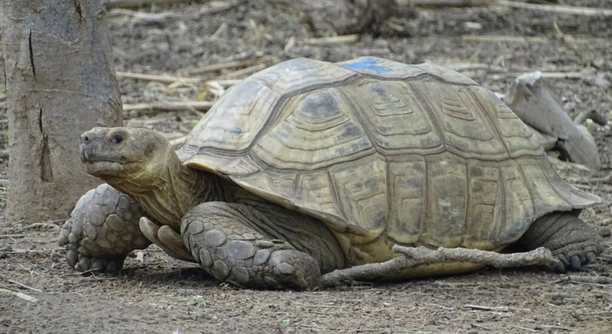
Are you feeding your sulcata tortoise the right way, or are common mistakes affecting its health? Proper nutrition is essential for these herbivorous reptiles, yet many owners unknowingly make feeding errors that can lead to long-term health problems.
Overfeeding protein, providing improper calcium ratios, and offering high-oxalate foods are some of the most common mistakes when feeding a sulcata tortoise. These dietary errors can result in metabolic bone disease, shell deformities, and digestive issues, impacting the tortoise’s overall well-being.
Feeding mistakes can have lasting consequences, but making simple adjustments will help support your sulcata’s health. Recognizing these common errors can prevent complications and promote a balanced diet for a thriving tortoise.
Overfeeding Protein
Sulcata tortoises need a diet rich in fiber, but too much protein can lead to serious health issues. Excess protein causes rapid growth, leading to shell deformities and kidney damage. Many owners unknowingly feed foods like legumes, dog food, or excessive alfalfa, thinking they provide necessary nutrients. Instead, focus on offering high-fiber grasses and weeds to maintain proper growth and organ function. A diet low in protein but high in fiber supports a healthy digestive system and prevents long-term complications. Avoiding protein-rich foods will help your tortoise grow at a steady, natural rate.
Too much protein disrupts a sulcata’s ability to metabolize calcium properly, increasing the risk of shell pyramiding. This condition results in raised, uneven scutes that can affect mobility and overall health. A natural, grass-based diet is essential for maintaining a smooth, well-formed shell.
Providing the right foods ensures your tortoise thrives. Stick to grasses, weeds, and leafy greens while limiting protein-heavy options. Avoid commercial pet foods and high-protein vegetables, as these can harm your tortoise’s health. Making dietary adjustments now will support steady growth and prevent avoidable health issues.
Improper Calcium and Phosphorus Balance
An imbalanced calcium-to-phosphorus ratio weakens a tortoise’s bones and shell. Too much phosphorus prevents proper calcium absorption, leading to metabolic bone disease. To avoid this, focus on calcium-rich foods and limit those high in phosphorus.
Dark, leafy greens like dandelion and turnip greens provide natural sources of calcium. However, some vegetables, such as spinach and beet greens, contain oxalates that block calcium absorption. Supplementing with calcium powder without added phosphorus helps ensure your tortoise gets the nutrients needed for strong bones and a healthy shell.
A balanced diet also includes exposure to UVB lighting. Without it, a tortoise cannot metabolize calcium properly, leading to weak bones and shell deformities. A combination of proper diet and sufficient UVB ensures optimal calcium absorption. Regular shell and bone health checks can help detect early signs of nutritional deficiencies.
Feeding Too Many Fruits
Fruits are high in sugar and can disrupt a sulcata tortoise’s digestion. Unlike tropical tortoises, sulcatas are adapted to a dry, fiber-rich diet. Too much fruit can cause diarrhea, bloating, and imbalanced gut bacteria, leading to long-term health problems.
A sulcata’s diet should primarily consist of grasses, weeds, and leafy greens. Fruits should only be given occasionally, if at all. High-sugar foods like berries, bananas, and melons can lead to obesity and fermentation in the gut, causing discomfort. Instead, focus on foods that mimic their natural diet, such as hay and fibrous greens. A consistent, low-sugar diet keeps their digestive system functioning properly and prevents unnecessary health issues.
Even small amounts of fruit can cause problems over time. If offering fruit, do so sparingly and in tiny portions. Prioritizing high-fiber, low-sugar foods ensures better digestion, stable energy levels, and overall improved well-being.
Offering High-Oxalate Vegetables
Oxalates bind to calcium, making it harder for a tortoise to absorb this essential nutrient. Vegetables like spinach, beet greens, and rhubarb contain high levels of oxalates, which can contribute to metabolic bone disease and kidney stone formation. Limiting these foods helps maintain proper calcium absorption.
A well-balanced diet includes a variety of calcium-rich greens with low oxalate levels. Good options include dandelion greens, collard greens, and mustard greens. These provide necessary vitamins and minerals without interfering with calcium uptake. Occasionally feeding moderate-oxalate foods, like kale, is fine, but they should not be a dietary staple. Sticking to a low-oxalate, high-fiber diet ensures better nutrient absorption and helps prevent serious health conditions.
To further support calcium levels, offer a cuttlebone or calcium supplement. Ensuring a proper diet, combined with UVB exposure, promotes strong bones and a healthy shell. Making informed food choices prevents nutritional deficiencies and long-term complications.
Feeding Too Many Store-Bought Vegetables
Store-bought vegetables often lack the fiber and nutrients sulcata tortoises need. Many commercial greens, like lettuce and cucumber, have high water content but little nutritional value. Regularly feeding these can lead to poor digestion, dehydration issues, and a lack of essential vitamins and minerals.
A diet rich in natural grasses and weeds is far more beneficial. Foods like Bermuda grass, timothy hay, and dandelion greens provide fiber, promoting healthy digestion. While store-bought vegetables can supplement the diet, they should not be the main food source. Prioritizing natural, fibrous options ensures better overall health.
Inconsistent Feeding Schedule
Sulcata tortoises thrive on routine, and irregular feeding can lead to digestive issues. Skipping meals or sudden dietary changes can cause stress and disrupt their metabolism. A consistent feeding schedule, offering food daily or every other day, helps maintain stable digestion and prevents unnecessary fluctuations in weight.
Lack of Hydration
Sulcata tortoises need regular access to clean water. Dehydration leads to kidney problems, poor digestion, and reduced overall health. A shallow water dish should always be available, and occasional warm water soaks help maintain hydration, especially in dry environments.
FAQ
Can sulcata tortoises eat fruits every day?
No, fruits should only be an occasional treat. Sulcata tortoises are not designed to process high-sugar foods regularly. Too much fruit can disrupt their gut bacteria, leading to diarrhea and bloating. Stick to a diet rich in grasses, weeds, and leafy greens for optimal health.
What vegetables are safe for sulcata tortoises?
Safe vegetables include dandelion greens, collard greens, mustard greens, and turnip greens. These provide essential nutrients without interfering with calcium absorption. Avoid feeding high-oxalate vegetables like spinach and beet greens regularly, as they can block calcium absorption and lead to long-term health issues.
How often should I feed my sulcata tortoise?
Adult sulcata tortoises should be fed once daily or every other day, depending on their activity level and appetite. Hatchlings and juveniles need daily feedings to support their rapid growth. Providing a consistent feeding schedule helps maintain proper digestion and overall well-being.
Do sulcata tortoises need additional calcium?
Yes, calcium is essential for shell and bone health. A cuttlebone or calcium supplement should be provided regularly, especially for young tortoises. Without enough calcium, sulcatas can develop metabolic bone disease, leading to deformities and weakness. Proper UVB lighting also helps with calcium absorption.
Can sulcata tortoises eat store-bought lettuce?
Lettuce, especially iceberg, has little nutritional value and is mostly water. Feeding it too often can lead to nutrient deficiencies. If offering store-bought greens, opt for more nutritious choices like romaine, endive, or escarole, but natural grasses and weeds should always be the primary food source.
Why is my sulcata tortoise not eating?
Loss of appetite can be caused by cold temperatures, dehydration, stress, or illness. Ensure the enclosure has proper heating and UVB lighting. If your tortoise is not drinking enough water or appears lethargic, a warm soak may help. Persistent appetite loss requires veterinary attention.
How can I keep my sulcata tortoise hydrated?
Provide a shallow dish of clean water at all times. Soaking your tortoise in warm water once or twice a week can also help prevent dehydration. Dry environments require extra attention to hydration, as sulcatas can be prone to kidney issues without sufficient water intake.
Can sulcata tortoises eat flowers?
Yes, some flowers are safe and beneficial, such as hibiscus, dandelions, and rose petals. These provide additional nutrients and variety. However, avoid flowers treated with pesticides or chemicals, as they can be toxic. Always ensure any flowers given are free from harmful substances.
What happens if a sulcata tortoise eats too much protein?
Excessive protein can cause pyramiding, a condition where the shell grows unevenly. This is often seen when sulcatas eat high-protein foods like dog food or excessive legumes. Sticking to a natural, fiber-rich diet prevents abnormal shell growth and supports overall health.
Do sulcata tortoises need UVB lighting?
Yes, UVB lighting is crucial for vitamin D3 synthesis and calcium absorption. Without it, sulcatas are at risk of metabolic bone disease. If kept indoors, a high-quality UVB bulb is necessary. Outdoor access to natural sunlight is the best option when possible.
Can sulcata tortoises eat hay?
Yes, hay is an excellent source of fiber and closely mimics their natural diet. Timothy hay and orchard grass are good choices. Alfalfa hay should be given in moderation due to its high protein content. Providing hay ensures proper digestion and helps maintain healthy growth.
Is it okay to feed sulcata tortoises commercial pellets?
Some high-quality tortoise pellets can be used as a supplement, but they should not replace natural foods. Look for pellets with high fiber and low protein content. Always ensure fresh grasses, weeds, and leafy greens make up the majority of their diet.
How much space does a sulcata tortoise need?
Sulcatas grow large and require a spacious enclosure. Adults need at least 100 square feet of space, but more is always better. They are active and need room to roam, graze, and dig. Outdoor enclosures with sturdy fencing are ideal for long-term housing.
Final Thoughts
Caring for a sulcata tortoise requires commitment, but providing the right diet, habitat, and care ensures a healthy life. A proper diet focuses on high-fiber foods like grasses and leafy greens, with occasional vegetables and safe flowers. Fresh water should always be available, and calcium supplementation helps maintain strong bones and shells. Avoid high-protein and sugary foods, as they can cause long-term health problems. Consistency in feeding and hydration plays a key role in preventing digestive issues and dehydration.
Housing must be spacious to accommodate their large size and natural behaviors. Outdoor enclosures are ideal, providing fresh grazing opportunities and exposure to natural sunlight. If kept indoors, strong UVB lighting is necessary for proper calcium absorption. A secure and well-ventilated shelter protects them from extreme weather conditions. Monitoring temperature, humidity, and substrate quality ensures a comfortable environment. Proper care prevents stress-related health issues and encourages natural behaviors.
Routine health checks and environmental maintenance help keep a sulcata tortoise in good condition. Watching for signs of illness, adjusting diet as needed, and ensuring proper hydration prevent common health problems. Providing enrichment, such as different textures and safe digging areas, supports mental stimulation and overall well-being. With the right care and attention, a sulcata tortoise can thrive for decades, making them a lifelong responsibility.

Hello,
If you enjoy the content that we create, please consider saying a "Thank You!" by leaving a tip.
Every little bit helps us continue crafting quality advice that supports the health, happiness, and well-being of pets around the world, for pets of all shapes, sizes, and species.
We really appreciate the kindness and support that you show us!