
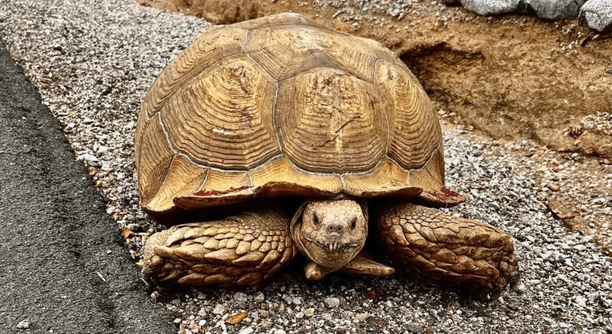
Sulcata tortoises are fascinating creatures, and many owners enjoy finding new foods to offer them. One food that often comes up in discussion is blueberries. Let’s explore whether these fruits are a good choice for your tortoise’s diet.
Sulcata tortoises can eat blueberries in moderation, as they are not harmful. However, their high sugar content means they should be treated as an occasional treat rather than a regular part of their diet.
It’s important to understand how to safely incorporate blueberries into your tortoise’s meals. Let’s explore the best practices and potential risks.
Benefits of Blueberries for Sulcata Tortoises
Blueberries are rich in vitamins and antioxidants, which can benefit your sulcata tortoise when given in moderation. These nutrients help support their immune system and overall health. Blueberries also contain fiber, which aids in digestion and can keep your tortoise’s system running smoothly. The antioxidants found in blueberries can help protect cells from damage caused by free radicals. This can be beneficial, especially for older tortoises. However, it’s important to remember that the high sugar content can outweigh these benefits if fed too often.
While blueberries can provide some nutritional value, they should not replace the more essential leafy greens and hay that make up the majority of a tortoise’s diet.
It’s easy to get excited about offering your sulcata tortoise new foods, but the key is balance. Blueberries can be a fun and healthy treat, but they shouldn’t become a habit. Their sugar content can lead to weight gain and other health problems if given too often. Moderation is crucial for ensuring that treats like blueberries do not disrupt the tortoise’s balanced diet.
Potential Risks of Feeding Blueberries
Giving too many blueberries to your sulcata tortoise can cause issues due to their sugar content.
Excessive sugar can lead to obesity, diabetes, or other health problems. Tortoises that are overfed sugary fruits may also experience gastrointestinal upset. When introducing blueberries, it’s best to start small and monitor for any changes in behavior or digestion. Too much fruit, even healthy types like blueberries, can cause soft stools or diarrhea.
Besides sugar, the seeds in blueberries can also pose a risk. While they are small and generally harmless in small amounts, there’s a possibility that your tortoise could choke on a larger piece or have difficulty digesting the seeds. Always cut the blueberries into smaller pieces to avoid choking hazards. It’s essential to keep an eye on your tortoise after offering any new food, just to ensure they handle it well.
How Often Should You Feed Blueberries to Your Sulcata Tortoise?
Blueberries should only be offered as an occasional treat, not a regular part of your tortoise’s diet.
Once or twice a week is a reasonable frequency to offer blueberries. This ensures your tortoise gets a variety of nutrients from other foods without consuming too much sugar. It’s always good to offer a mix of leafy greens, hay, and other vegetables as the primary foods. If you’re ever in doubt, it’s safer to stick to these staple foods and use blueberries as a fun snack rather than a key part of their diet.
Make sure to observe how your sulcata tortoise reacts after eating blueberries. If you notice any digestive upset or changes in behavior, it might be best to reduce the amount or frequency of blueberries offered. Every tortoise is different, and some may tolerate certain foods better than others. Always prioritize their health over the excitement of introducing new treats.
Signs of Overfeeding Blueberries
Overfeeding can lead to digestive issues, weight gain, or other health concerns.
If your tortoise begins to show signs like soft stools, diarrhea, or becomes less active after eating blueberries, it could be a sign that they’re being fed too many sugary fruits. It’s essential to monitor your tortoise closely after introducing new foods into their diet. When their digestive system is overwhelmed by sugar, it can disrupt their natural balance, leading to discomfort. A sudden decrease in activity or appetite can also be a red flag.
Overfeeding fruits like blueberries can also affect their long-term health. If left unchecked, the sugar overload can lead to obesity, which can place unnecessary strain on their organs. Keeping track of their weight and overall behavior can help you adjust their diet appropriately.
How to Prepare Blueberries for Your Sulcata Tortoise
Before offering blueberries to your tortoise, make sure they are clean and free from pesticides.
Rinse the blueberries thoroughly with water to remove any chemicals or dirt. Organic blueberries are a safer option, as they are less likely to contain harmful pesticides. You may also want to cut the berries into smaller pieces, especially if your tortoise is young or has trouble chewing. This makes it easier for them to eat and reduces the risk of choking.
Avoid offering blueberries that are overripe or moldy. Only give fresh, firm berries, as spoiled fruit can cause digestive problems. Keep portions small and offer them alongside other healthy foods to create a well-rounded meal.
The Best Diet for Sulcata Tortoises
Leafy greens, hay, and vegetables should make up the bulk of your tortoise’s diet.
It’s important to provide a variety of food to ensure your sulcata tortoise gets all the nutrients it needs. High-fiber foods like grass hay and leafy greens such as dandelion greens, collard greens, and turnip greens are essential for digestion. Fruits like blueberries can be offered occasionally but should not take priority.
Avoid offering high-protein foods, as they can cause kidney problems in tortoises. Stick to foods that mimic their natural diet in the wild, which is mostly made up of plants. A balanced diet will keep your tortoise healthy and happy.
Storing Blueberries for Your Tortoise
Keep blueberries fresh by storing them in the fridge.
Blueberries should be kept in a cool place to maintain their freshness. Store them in an airtight container in the refrigerator. Avoid leaving them out at room temperature for extended periods, as they will spoil quickly. Always check the berries for signs of mold or over-ripeness before feeding them to your tortoise.
FAQ
Can sulcata tortoises eat other fruits besides blueberries?
Yes, sulcata tortoises can eat other fruits, but they should be given sparingly. Fruits like strawberries, apples, and melons are safe, but they are high in sugar, so moderation is key. Always avoid citrus fruits, as their acidity can cause digestive issues. You can offer small amounts of fruit occasionally, but their primary diet should consist of leafy greens, hay, and other vegetables. Offering a variety of fruits occasionally is fine, but they should never make up a large portion of your tortoise’s diet.
Are blueberries good for sulcata tortoises?
Blueberries can offer benefits, such as vitamins and antioxidants, which support a sulcata tortoise’s immune system and overall health. However, they should only be given as a treat. Their high sugar content can be problematic if offered too frequently. Blueberries are best served in moderation to avoid any potential digestive problems or weight gain.
How many blueberries should I give my sulcata tortoise?
It’s best to limit blueberries to one or two small berries a few times a week. A good rule of thumb is to offer them once or twice a week as an occasional treat, not as a staple food. Too many blueberries can lead to digestive upset or weight gain, so it’s important to keep portions small. Always balance blueberry treats with other more essential foods like leafy greens and hay.
Can blueberries cause diarrhea in sulcata tortoises?
Yes, feeding too many blueberries can cause diarrhea in sulcata tortoises. Their high sugar content may be difficult for your tortoise to process in large amounts, leading to soft stools or diarrhea. If your tortoise shows signs of digestive upset after eating blueberries, reduce the amount or frequency. Always monitor your tortoise’s reactions when introducing new foods.
Is it safe to feed sulcata tortoises dried blueberries?
Dried blueberries are not ideal for sulcata tortoises. Dried fruits often contain concentrated sugar, which can lead to digestive problems or weight gain when consumed. Additionally, the drying process may remove some of the natural nutrients found in fresh berries. Stick to fresh blueberries to ensure your tortoise gets the most benefit from the fruit.
What are the signs that I am feeding my sulcata tortoise too many blueberries?
If your sulcata tortoise starts showing signs like soft stools, lethargy, or a decrease in appetite, it could be a sign that they are being overfed blueberries. Too many fruits, especially sugary ones, can cause weight gain, digestive issues, or general discomfort. It’s important to monitor your tortoise closely after offering any new foods and adjust their diet if necessary.
Can sulcata tortoises eat frozen blueberries?
Frozen blueberries are generally safe for sulcata tortoises but should be thawed before being offered. Freezing doesn’t harm the fruit, but cold temperatures may be uncomfortable for your tortoise. Make sure the berries are thawed to room temperature before serving them. As with fresh blueberries, moderation is key when offering frozen berries as a treat.
Should I peel the blueberries before feeding them to my sulcata tortoise?
There is no need to peel blueberries before feeding them to your sulcata tortoise. The skin is safe to eat and contains fiber and other beneficial nutrients. Just make sure the berries are thoroughly rinsed to remove any dirt or pesticides. Cutting the blueberries into smaller pieces may be helpful, especially for younger tortoises or those that have trouble chewing.
Can sulcata tortoises eat blueberry plants?
It’s best to avoid feeding the actual blueberry plant to your sulcata tortoise. While the fruit is safe in moderation, the leaves, stems, and other parts of the blueberry plant can be toxic to some animals. It’s important to provide a balanced diet of safe and appropriate foods. Stick to feeding only the fruit itself to your tortoise.
Do I need to remove the seeds from blueberries before feeding them to my sulcata tortoise?
No, you do not need to remove the seeds from blueberries. The seeds are small and generally harmless for sulcata tortoises to consume. However, if you are concerned or if the berries are large, you can cut them into smaller pieces to reduce the risk of choking. In any case, make sure to offer blueberries in moderation.
Final Thoughts
Feeding blueberries to your sulcata tortoise can be a nice way to offer them a treat, but it’s important to do so in moderation. These fruits are rich in vitamins and antioxidants, which can benefit their health when given occasionally. However, blueberries are also high in sugar, which can lead to digestive issues and weight gain if offered too frequently. It’s best to keep blueberries as an occasional snack rather than a regular part of their diet.
Your sulcata tortoise’s main diet should focus on high-fiber foods, such as leafy greens and hay. These foods provide the essential nutrients they need to stay healthy and support their digestive system. Fruits, like blueberries, should only make up a small portion of their overall diet. Offering a variety of vegetables and occasional fruit will help create a well-balanced diet. Remember that every tortoise is different, so it’s important to observe how they react to new foods and adjust their diet accordingly.
In the end, it’s all about balance and moderation. While blueberries can be a healthy and tasty treat, they shouldn’t replace the staple foods that your sulcata tortoise relies on for proper nutrition. Be mindful of the quantity and frequency, and always ensure their diet is as natural and balanced as possible. By taking these precautions, you can keep your tortoise happy and healthy while offering them the occasional treat like blueberries.

Hello,
If you enjoy the content that we create, please consider saying a "Thank You!" by leaving a tip.
Every little bit helps us continue crafting quality advice that supports the health, happiness, and well-being of pets around the world, for pets of all shapes, sizes, and species.
We really appreciate the kindness and support that you show us!