
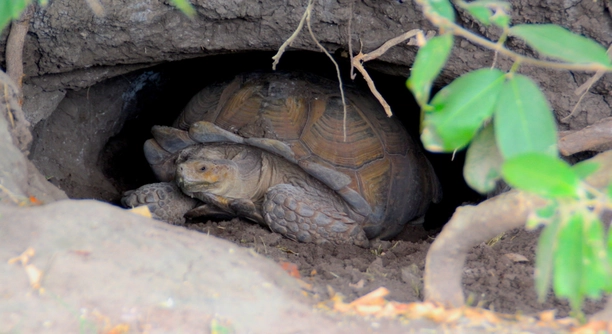
Growing a sulcata tortoise can be an exciting journey, but sometimes they grow faster than expected. It’s important to understand how to monitor their growth for the sake of their long-term health and well-being.
Sulcata tortoises can grow quickly due to factors like diet, habitat, and genetics. If they grow too fast, it may lead to health problems, such as shell deformities and joint issues. Regular monitoring of their growth rate is essential.
Monitoring their growth is key to maintaining their health. The right care and attention can help ensure they grow steadily and remain healthy.
Factors Affecting the Growth of Your Sulcata Tortoise
The growth of your sulcata tortoise can be influenced by several factors. The most common ones are diet, living environment, and overall health. A well-balanced diet, consisting of high-fiber grasses, vegetables, and occasional fruits, helps regulate their growth. Providing proper UVB lighting and a spacious, temperature-controlled enclosure is essential for healthy growth. These elements support your tortoise’s metabolic rate, ensuring they grow at a steady pace. However, if any of these factors are out of balance, it can lead to rapid growth or growth issues that may be harmful to your tortoise’s long-term health.
Temperature also plays a big role in their growth. A too-warm or too-cold habitat can cause stress, impacting their development. Proper humidity levels are crucial as well, as they prevent dehydration, which could also affect growth. Keeping track of your tortoise’s weight and shell measurements regularly can help you spot any abnormal growth patterns early on. Consistency in care is key to preventing issues before they arise.
Another important factor is genetics. Like humans, some tortoises may naturally grow faster than others due to their genetic makeup. However, improper care can exaggerate these growth rates. It’s always best to stick to the guidelines and avoid pushing for rapid growth, as this may lead to deformities in the shell or other health concerns.
The Risks of Rapid Growth
Growing too fast can be dangerous for your sulcata tortoise. When their growth is not regulated properly, it can cause health problems that last a lifetime.
Rapid growth can cause deformities in the shell, leading to scute misalignment or pyramiding. This happens when the tortoise’s body grows faster than the shell can keep up. Joint issues may also arise, causing discomfort and difficulty in movement. A well-controlled growth process helps your tortoise avoid these risks, ensuring they have a long, healthy life.
To avoid these problems, ensure your tortoise’s diet is fiber-rich, avoid overfeeding, and provide proper lighting. Monitoring the growth rate with regular checks will help you catch any signs early. If growth does become an issue, you can adjust their care to help slow it down, such as reducing protein intake and adjusting temperatures.
How to Measure Your Sulcata Tortoise’s Growth
Measuring your sulcata tortoise regularly helps you track their growth. Use a soft measuring tape to check their length from the tip of the nose to the end of the shell. You can also monitor their weight using a digital scale. These measurements will give you a better idea of their growth rate and help detect any abnormal changes.
Take note of their growth every few months, as growth rates can fluctuate. If you notice significant changes or sudden growth spurts, it might be a sign of improper care. Keeping a record of measurements and weight is important, as it lets you compare them over time. If growth becomes too rapid, adjustments in their diet or environment may be necessary.
A slow, steady growth rate is ideal for sulcata tortoises. If they are growing too quickly, it’s important to reduce high-protein foods and focus on more fiber-based options. Keep track of changes in your tortoise’s shell to spot any signs of deformation or pyramiding.
Managing Your Sulcata Tortoise’s Diet
Your sulcata tortoise’s diet plays a huge role in their growth. A high-fiber diet with grasses, hay, and leafy greens supports their healthy development. Too much protein or rich foods can lead to overgrowth and shell deformities. Balance is key.
It’s important to avoid feeding your tortoise too many high-protein foods like commercial tortoise pellets, which can cause rapid growth. Stick to a mostly grass and hay-based diet to slow their growth and support shell health. Occasionally, you can offer vegetables such as kale and dandelion greens, but avoid fruits that are too sugary. Ensuring the right ratio of nutrients is essential for their long-term well-being.
Proper hydration is another key factor in diet management. Ensure your tortoise always has access to fresh water, as dehydration can lead to health problems. Alongside food, adequate UVB light helps metabolize calcium, which is vital for shell development. Keeping a consistent diet is one of the most reliable ways to ensure that your sulcata tortoise grows at a healthy, steady pace.
Signs Your Sulcata Tortoise is Growing Too Fast
If your sulcata tortoise is growing too fast, you might notice its shell becoming uneven or developing pyramiding. This happens when the growth rate outpaces the development of the shell. Joint problems and weakness are also common signs of excessive growth.
Watch for other physical changes, such as soft or deformed shells, which indicate the tortoise might not be growing at a healthy pace. A sudden increase in size, accompanied by visible changes to the body, could be a sign that you need to adjust their care. Always check your tortoise’s shell regularly to ensure proper development.
Taking action early can prevent further issues. If you see these signs, reevaluate their diet, lighting, and temperature to make sure they’re optimal.
Proper Habitat for Healthy Growth
The environment in which your sulcata tortoise lives is vital to controlling its growth rate. A warm, dry habitat with plenty of space for movement helps prevent unhealthy rapid growth. Proper lighting is crucial for calcium metabolism, which affects shell growth.
Temperature plays a large role in your tortoise’s overall well-being. Ensure the basking area is around 90°F and that cooler areas are about 75°F. UVB lighting is also necessary for bone health and should be provided for about 12 hours a day. These factors allow your tortoise to grow steadily and healthily, preventing deformation or overgrowth.
A spacious enclosure will allow them to roam and develop stronger muscles. Avoid overcrowding the enclosure, as this can cause stress, which impacts growth and overall health.
Adjusting Diet for Better Growth Control
If your tortoise is growing too fast, it might be due to a diet that’s too rich in protein. Adjusting this can help slow growth to a healthier rate. Focus on more fibrous, low-protein foods.
Switching to a high-fiber diet, mainly made of grasses and hay, reduces the chance of excessive growth. Too much protein can lead to soft shells and other deformities, so balance is crucial. Overfeeding any type of food can also contribute to rapid growth, so be mindful of portion sizes.
FAQ
How fast should my sulcata tortoise grow?
A healthy sulcata tortoise typically grows around 4 to 6 inches per year during its first few years. Growth rate may slow down after the first few years, but it can still grow steadily into adulthood. However, it’s important to focus on steady growth rather than rapid growth, as this can lead to health issues like pyramiding in the shell or joint problems. Keeping track of your tortoise’s measurements over time will help ensure that their growth rate is healthy.
How can I slow down my sulcata tortoise’s growth?
To slow down your tortoise’s growth, make sure they’re not getting too much protein in their diet. Focus on high-fiber foods like grasses and hay, and limit high-protein options such as commercial pellets. Additionally, check that their habitat temperature is not too warm, as excessive heat can increase metabolism and cause faster growth. By controlling their diet and environment, you can help maintain a steady, healthy growth rate.
What are the signs that my sulcata tortoise is growing too fast?
If your sulcata tortoise is growing too fast, you may notice issues like pyramiding of the shell, where the scutes (the bony plates on their shell) become raised and uneven. Joint problems, like limping or stiffness, could also be a sign. Sudden changes in size, particularly when not matched by an appropriate increase in shell growth, are also red flags. Regularly check for these signs so you can address any growth issues early on.
Can diet affect the speed at which my sulcata tortoise grows?
Yes, diet plays a significant role in how fast your sulcata tortoise grows. A diet too high in protein can cause rapid growth, while a diet rich in fiber from grasses, hay, and leafy greens helps support healthy, slow growth. It’s important to avoid foods that are too rich in nutrients, like fruits or commercial tortoise pellets, as these can encourage too fast growth. Maintaining a balanced diet is key to healthy, gradual development.
How often should I measure my sulcata tortoise to monitor its growth?
It’s recommended to measure your sulcata tortoise every 2 to 3 months, especially in its early years when growth is rapid. This will help you track how much they’ve grown and spot any potential problems. Use a soft measuring tape to record their length from the nose to the tip of their shell. You can also weigh them regularly to keep track of their health and overall growth.
What temperature should my sulcata tortoise’s habitat be to prevent fast growth?
The basking area of your sulcata tortoise’s enclosure should be around 90°F, with cooler areas around 75°F. Maintaining a consistent temperature is important to avoid stressing your tortoise or encouraging too fast of a growth rate. Too warm a habitat can speed up metabolism and cause accelerated growth, while too cold can slow it down or cause other health issues. It’s essential to monitor the temperature regularly to keep your tortoise comfortable.
What’s the ideal humidity level for my sulcata tortoise’s enclosure?
A humidity level of around 30% to 50% is ideal for sulcata tortoises. While they are desert dwellers, maintaining proper humidity levels ensures they stay hydrated and prevents health issues like dehydration, which can hinder proper growth. You can achieve this by offering a shallow water dish for drinking and soaking, along with occasional misting of the enclosure. Keep humidity in check by using a hygrometer to monitor the levels.
Can overfeeding my sulcata tortoise cause problems with growth?
Yes, overfeeding can lead to rapid, unhealthy growth. When you feed your sulcata tortoise too much food, especially protein-rich foods, it can cause them to grow too fast, which can result in shell deformities and joint issues. It’s essential to feed them the right amount based on their size and age, providing primarily high-fiber foods like grasses and hay. Overfeeding can also contribute to obesity, which further stresses their joints and health.
Is it possible for my sulcata tortoise to outgrow its shell?
No, a tortoise cannot outgrow its shell. The shell grows along with the tortoise’s body. However, if growth occurs too rapidly, the shell may become deformed or develop pyramiding. Pyramiding occurs when the tortoise’s body grows too fast for the shell to keep up, causing uneven, raised scutes. This is often due to a high-protein diet or improper living conditions. Consistent care and diet adjustments are necessary to ensure the shell grows in a healthy manner.
What type of lighting does my sulcata tortoise need for healthy growth?
Your sulcata tortoise needs UVB lighting to help metabolize calcium, which is essential for proper shell and bone development. Providing 10-12 hours of UVB light each day will help your tortoise process calcium efficiently, preventing issues like soft shells or bone deformities. If your tortoise is housed outdoors, natural sunlight can suffice, but in an indoor setup, you’ll need a UVB light fixture designed for reptiles to ensure their health.
What should I do if I notice my sulcata tortoise’s shell is deforming?
If you notice shell deformities, such as pyramiding or softness, it’s crucial to adjust your tortoise’s diet and habitat immediately. Deformation is often caused by improper diet or insufficient UVB light. Reduce protein intake and focus on high-fiber foods. Make sure your tortoise is receiving enough UVB light and has a properly heated enclosure. If the issues persist, consult a reptile veterinarian to ensure no other health problems are at play.
Can genetics affect the growth rate of my sulcata tortoise?
Yes, genetics can play a role in how quickly your sulcata tortoise grows. Just like with any animal, some tortoises may naturally grow faster or slower due to their genetic makeup. However, improper care or an unbalanced diet can exaggerate these natural tendencies, leading to too rapid growth. Even if your tortoise is genetically predisposed to grow quickly, providing the right environment and diet can help moderate this and ensure healthy development.
Final Thoughts
Taking care of a sulcata tortoise requires attention to many factors, from their diet to their living environment. One of the most important things to remember is that growth should be steady and controlled. While it’s exciting to watch them grow, rapid growth can lead to serious health issues like shell deformities and joint problems. By regularly measuring your tortoise and adjusting their diet and habitat as needed, you can help prevent these issues and ensure they have a healthy development.
It’s essential to monitor your tortoise’s environment closely. Temperature, humidity, and lighting play significant roles in their overall well-being and growth rate. Too much heat can speed up their metabolism and cause rapid growth, while improper humidity can lead to dehydration and shell problems. Keeping the enclosure at the right temperature and providing UVB light will help your sulcata tortoise grow at a steady pace, supporting both their shell and bone health.
In the end, slow and steady growth is the goal for a sulcata tortoise. Proper diet, habitat, and regular health checks will help you keep your tortoise on track for a long, healthy life. If growth seems too fast or abnormal, it’s important to act quickly by adjusting their care. A healthy, well-cared-for sulcata tortoise will thrive and be a wonderful companion for many years to come.

Hello,
If you enjoy the content that we create, please consider saying a "Thank You!" by leaving a tip.
Every little bit helps us continue crafting quality advice that supports the health, happiness, and well-being of pets around the world, for pets of all shapes, sizes, and species.
We really appreciate the kindness and support that you show us!