
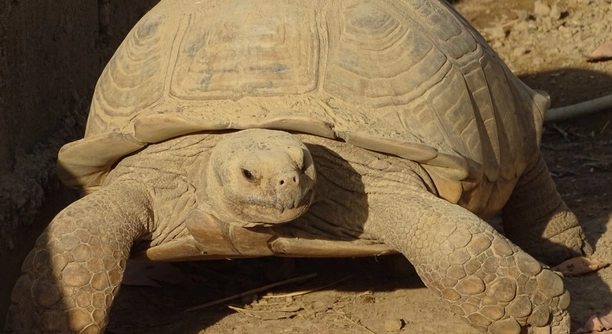
Many sulcata tortoise owners notice their pets being more active at night. Understanding this behavior can help ensure your tortoise’s well-being and happiness. Here are some reasons why your sulcata tortoise might be more active after dark.
Sulcata tortoises are primarily crepuscular, meaning they are naturally more active during dawn and dusk, but some may exhibit increased nighttime activity due to factors like temperature, habitat conditions, and their natural instincts to forage.
Keeping your tortoise’s environment in mind is key to maintaining its health and happiness. There are several factors influencing its nighttime behavior, from habitat lighting to its biological rhythms.
Sulcata Tortoises Are Naturally Crepuscular
Sulcata tortoises are known for being more active during the early morning and evening hours. This behavior is common among tortoises, as they are crepuscular by nature. In the wild, they spend most of their time foraging during these times, as temperatures are cooler and predators are less active. This is why they may seem less interested in being active during the daytime, especially when the sun is at its peak.
Despite being crepuscular, some sulcata tortoises may be more active at night. This could be because they are adapting to the artificial lighting or temperature in their enclosure, or simply due to their individual preferences. These creatures are built to handle heat, so when the environment is cooler, they feel more comfortable exploring or eating.
When your tortoise is more active during the night, it’s essential to ensure its enclosure provides adequate warmth, lighting, and space. If these elements are unbalanced, it can cause your tortoise to become restless during the night. It’s a good idea to monitor the conditions in its habitat to see if improvements can help regulate its activity levels.
Temperature Plays a Role in Activity
Sulcata tortoises prefer warmer temperatures, so if the temperature in their environment drops too low at night, they may become more active in search of heat.
Nighttime temperature changes can impact their natural rhythms. A cool environment may cause your tortoise to explore more as it tries to find warmth. If the nighttime temperatures are too low, the tortoise might be trying to stay comfortable by moving around more. A warm area for resting is important, as it encourages natural sleeping patterns.
Additionally, providing heat lamps or basking areas in the enclosure allows the tortoise to regulate its body temperature as needed. If it gets too cold, your tortoise may feel uncomfortable and try to stay active, looking for a more suitable place to rest. Adjusting the temperature and ensuring it’s consistent could help your tortoise return to a more natural sleep schedule.
Lighting Can Affect Activity Levels
The lighting in your tortoise’s environment plays a significant role in its activity levels. If artificial lighting is too bright or on for extended periods, it could disrupt their natural day-night cycle.
In the wild, sulcata tortoises experience natural shifts between day and night. In captivity, however, improper lighting can confuse them. Bright lights late into the night or constant artificial light may keep them awake and active when they would normally rest. It’s essential to maintain a proper light schedule, ensuring that the lights are turned off at night and turned on in the morning to mimic the natural cycle.
Having a consistent routine in terms of light exposure can help maintain their internal clock. This, in turn, allows them to rest during the night and stay active during the daytime or early evening. Consider using a timer for the lights to maintain regularity.
A Healthy Diet Can Influence Behavior
Your sulcata’s diet affects its overall health, including its sleep-wake cycles. Poor nutrition can lead to restlessness at night.
When your tortoise is not getting the right balance of nutrients, it may struggle to feel satisfied, leading it to search for food at odd hours. A diet rich in fiber and vegetables encourages proper digestion and overall well-being, which helps with natural sleep patterns. Avoid feeding it too much at night as this can cause unnecessary restlessness.
Providing fresh, high-quality food throughout the day ensures that your sulcata tortoise feels full and comfortable when it’s time to sleep. A balanced diet promotes better health and helps regulate sleep, allowing your tortoise to follow a more predictable schedule.
Stress and Anxiety Can Cause Restlessness
Stress from changes in the environment or handling can make your tortoise more active at night. Tortoises, like many reptiles, can become anxious when something feels unfamiliar.
If your tortoise is under stress, it may move around more during the night to find a safe space. This can happen if there are sudden changes in its habitat, such as a new tank mate, or if the tortoise is disturbed frequently. Reducing stress by keeping a consistent environment and limiting unnecessary handling can help regulate its sleep cycle.
Health Issues Can Affect Sleep Patterns
Health problems, such as respiratory infections or digestive issues, can lead to increased activity at night. When a tortoise is uncomfortable, it might not sleep as soundly as usual.
A sick sulcata may struggle to find comfort, leading to more movement at night. It’s important to monitor your tortoise for signs of illness, such as lack of appetite, breathing difficulties, or abnormal behavior. Regular checkups with a reptile vet will help ensure your tortoise stays healthy. Addressing any health problems early can prevent sleep disruptions caused by discomfort or pain.
FAQ
Why is my sulcata tortoise moving around a lot at night?
Tortoises often move more at night due to their natural crepuscular behavior, where they are more active during dawn and dusk. If it’s night and your tortoise is active, it could also be due to the environmental conditions, such as temperature or lighting. If your sulcata feels too hot or too cold, it may seek comfort by moving around. Additionally, stress, hunger, or health issues could also make them restless. It’s important to ensure the temperature is appropriate and to check that it is not stressed or unwell.
How can I reduce my sulcata tortoise’s nighttime activity?
To reduce nighttime activity, ensure the enclosure is properly set up with the correct temperatures and lighting cycle. Avoid excessive artificial light at night, as this can confuse your tortoise’s internal clock. Also, try to feed your tortoise earlier in the day to ensure it doesn’t search for food at night. Regularly inspect your tortoise for signs of stress or discomfort, which could also lead to restlessness. If the activity persists, consider consulting with a reptile vet to rule out any health issues.
Is it normal for my sulcata tortoise to be active at night?
Yes, it’s normal for a sulcata tortoise to be active at night to some extent. They are naturally crepuscular creatures, meaning they are more active at dawn and dusk, but some may still have bursts of activity during the night. As long as the nighttime activity is not excessive and your tortoise has a comfortable environment, it’s usually not a cause for concern. However, keep an eye on its behavior and environment to ensure that it is not due to discomfort or stress.
Should I be concerned if my sulcata tortoise is not sleeping at night?
If your tortoise is consistently not sleeping at night, it could indicate a problem with its environment or health. First, check the enclosure’s temperature and lighting. An improper light cycle can disrupt your tortoise’s natural sleep patterns. Stress or illness could also prevent your tortoise from resting. If you suspect health issues, a visit to a vet is recommended. If the behavior continues, making adjustments to its environment or diet might help encourage a more natural sleep schedule.
Can stress cause my sulcata tortoise to be more active at night?
Yes, stress is one of the reasons your tortoise might be more active at night. Changes in its environment, new tank mates, or frequent handling can cause stress, leading to restlessness. When stressed, tortoises tend to move around more as they look for a safe space or escape. Reducing stress by keeping the environment calm and familiar is key. Handling your tortoise less frequently and ensuring its habitat is stable can help promote a more restful sleep.
What should I do if my sulcata tortoise is active and not eating during the night?
If your sulcata is active but not eating at night, it could be a sign of stress or health issues. First, ensure its temperature and lighting are at the correct levels, as these can impact appetite. If your tortoise is otherwise healthy but simply not eating, give it some time to adjust to its environment. However, if the lack of appetite persists for more than a couple of days or if other symptoms appear (such as lethargy or breathing problems), a visit to the vet may be necessary.
Is my sulcata tortoise eating too much at night?
It’s possible for your sulcata tortoise to eat too much at night, especially if it’s given food right before bedtime. Overfeeding or providing food too late can cause your tortoise to be more active at night as it digests. It’s best to feed your tortoise earlier in the day, allowing it enough time to digest before resting. Ensure the diet is balanced and appropriate for its size and age. Overfeeding, especially with high-protein foods, can lead to digestive issues and irregular sleep patterns.
How can I tell if my sulcata tortoise is stressed?
Signs of stress in a sulcata tortoise include excessive movement, hiding, loss of appetite, or aggressive behavior. If your tortoise is pacing or trying to escape its enclosure, it may be stressed. Stress can also lead to health problems, so it’s important to address it quickly. To reduce stress, maintain a stable environment, avoid handling too much, and make sure the habitat has all the necessary features (correct temperature, humidity, space, etc.) to make your tortoise feel secure.
Can health issues cause my sulcata tortoise to be active at night?
Yes, health issues such as respiratory infections, digestive problems, or pain from injury can make your tortoise more active at night. When in discomfort, tortoises may move around more in an attempt to find a better resting position. If you notice other symptoms such as a lack of appetite, labored breathing, or unusual lethargy, it’s important to consult a reptile vet. Early detection and treatment of health issues can help your tortoise feel better and return to its normal activity patterns.
How do I make my sulcata tortoise feel more comfortable at night?
To make your tortoise more comfortable at night, focus on maintaining a stable and suitable environment. Ensure the enclosure has the right temperature gradients, with a warm basking area and cooler areas for rest. Use a nighttime light schedule that mimics natural day-night cycles to prevent confusion. Make sure your tortoise has a soft substrate to rest on and enough space to roam. Keeping its environment calm, quiet, and consistent will help your sulcata tortoise feel safe and more likely to sleep during the night.
Final Thoughts
Understanding why your sulcata tortoise may be more active at night is important for providing a comfortable environment. These creatures are naturally crepuscular, meaning they are most active during the cooler parts of the day, like dawn and dusk. While it’s normal for them to have some nighttime activity, prolonged restlessness or unusual behavior might be linked to external factors such as temperature, lighting, or stress. Taking time to observe your tortoise’s habits can help you pinpoint potential issues and ensure its well-being.
Making sure your tortoise has the right temperature is essential. If your enclosure is too hot or too cold, it could cause your tortoise to be more active at night as it searches for a comfortable spot. Providing a proper heating system and ensuring the temperatures don’t drop too low will help regulate its sleep cycle. Also, be mindful of the lighting. Bright or constant artificial light can disrupt its natural circadian rhythm, leading to more nighttime activity. Using timers to simulate day and night cycles will help your tortoise feel more at ease and promote better sleep.
Additionally, keeping stress to a minimum can make a big difference. Sulcata tortoises can become restless when they’re stressed, whether it’s due to changes in their environment, new tank mates, or excessive handling. Creating a peaceful, stable environment is crucial for their health and natural behavior. By addressing potential causes of discomfort or anxiety, such as excessive noise, overcrowding, or improper diet, you can help your tortoise feel secure and less likely to stay active at night. Regularly checking for signs of illness and ensuring it has a balanced diet also plays a key role in maintaining your tortoise’s well-being.

Hello,
If you enjoy the content that we create, please consider saying a "Thank You!" by leaving a tip.
Every little bit helps us continue crafting quality advice that supports the health, happiness, and well-being of pets around the world, for pets of all shapes, sizes, and species.
We really appreciate the kindness and support that you show us!