
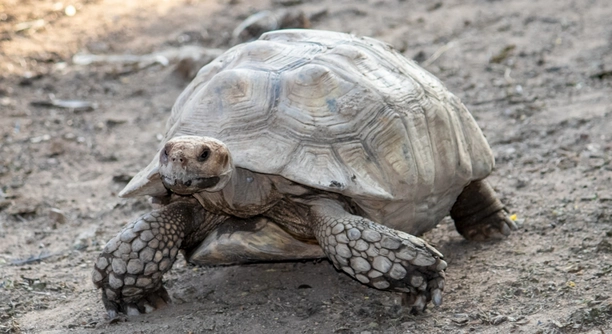
Sulcata tortoises are known for their impressive climbing abilities. If your tortoise has taken an interest in climbing over objects, it’s likely trying to navigate its environment. Understanding the reasons behind this behavior can be helpful.
Climbing is a natural behavior for sulcata tortoises. They may climb due to curiosity, seeking food, or trying to escape their habitat. Other factors, like improper enclosure setup or boredom, can also contribute to climbing tendencies.
This behavior can be managed by adjusting your tortoise’s environment. Understanding why your tortoise climbs helps prevent unnecessary stress and supports its well-being.
Curiosity Drives Climbing Behavior
Sulcata tortoises are naturally curious animals. They often climb as a way to explore their surroundings. Their instinct to investigate and find new spaces can lead them to scale objects in their habitat. If your tortoise is climbing, it might simply be trying to learn more about its environment, which is typical of this species.
Tortoises tend to focus on anything within their reach, using it as a stepping stone to explore further. In the wild, they might climb over rocks or other objects as they roam. Your tortoise’s climbing is just part of this natural behavior, often linked to its search for more space.
Even if climbing seems harmless, it’s important to keep the environment safe for your tortoise. Ensuring there are no sharp objects or unstable structures can prevent injuries while it explores. Making sure your pet has plenty of room and things to interact with will help keep it engaged.
Lack of Space in the Enclosure
When a tortoise doesn’t have enough space to roam, climbing becomes a common behavior. A cramped environment can lead to frustration, making your tortoise try to escape by climbing over objects.
If the enclosure is too small, your tortoise may feel restricted and look for ways to explore beyond its boundaries. Adding more space or rearranging the current setup can reduce climbing. Consider expanding its living area or providing different levels for climbing to help it feel more at ease.
Additionally, if the enclosure lacks visual barriers, your tortoise might climb to find a clearer view or a sense of freedom. Creating zones within the habitat can give your tortoise options for resting and climbing without feeling trapped. This approach encourages natural behavior while minimizing stress.
Boredom and Lack of Stimulation
Boredom can lead to climbing as a form of self-entertainment. If your tortoise is not mentally stimulated, it will seek new ways to engage with its environment.
Sulcata tortoises are active creatures that need more than just food and water to stay happy. If they’re left in an environment that doesn’t offer enough stimulation, they may turn to climbing objects as a way to release pent-up energy. Providing enrichment, such as different textures, hides, and objects to interact with, can help keep them busy.
Tortoises also enjoy exploring and foraging. Placing items they can investigate or climb on can satisfy this natural urge. When their environment offers various things to explore and climb, the tortoise’s climbing will be less focused on escaping and more on exploring the space.
Temperature and Environmental Comfort
Sulcata tortoises are sensitive to temperature changes. A lack of proper heating in the enclosure may cause them to climb in search of warmer areas.
Tortoises are ectothermic, meaning they rely on external temperatures to regulate their body heat. If the enclosure is too cool, your tortoise may climb over objects to reach a warmer spot. It’s crucial to maintain a proper temperature gradient within the enclosure, offering both warmer and cooler areas for your tortoise to choose from.
A well-placed heat lamp and a basking area will ensure your tortoise is comfortable. If the temperature is consistent and appropriate, the climbing behavior may decrease significantly. Ensure the enclosure offers warmth without any extreme temperature fluctuations to help your tortoise remain relaxed.
Unstable Objects in the Enclosure
If objects in the enclosure are unstable, your tortoise may climb over them to find balance or stability.
Objects that wobble or shift can cause a tortoise to attempt climbing or moving them. Ensuring that all items in the enclosure are securely placed will help avoid unnecessary climbing. Using stable, heavy objects can prevent this behavior.
Social Behavior and Mating Instincts
Sulcata tortoises can display climbing behavior due to natural social instincts, especially during mating season.
Male tortoises may climb over objects or other tortoises when seeking a mate. This behavior is most common during breeding season and is driven by their natural instincts. If you have more than one tortoise, they might display increased climbing or territorial behavior.
FAQ
Why does my sulcata tortoise climb?
Climbing is a natural behavior for sulcata tortoises. They climb for various reasons, such as curiosity, searching for food, exploring, or escaping from their environment. If the enclosure is too small or lacks stimulation, climbing can become a way for them to release excess energy or seek out more space.
How can I stop my tortoise from climbing?
To reduce climbing, start by addressing its environment. Ensure your tortoise has a spacious enclosure with enough room to move freely. Adding enrichment, like objects to climb on safely or foraging items, can provide more stimulation. Additionally, check the temperature, as tortoises often climb in search of warmth.
Can my sulcata tortoise hurt itself by climbing?
Yes, if the objects in the enclosure are unstable or sharp, your tortoise could potentially hurt itself while climbing. It’s important to make sure the items inside are secure and free from any hazards. Avoid placing objects that could tip over or cause injury to the tortoise.
Do sulcata tortoises climb to escape?
In some cases, sulcata tortoises may climb in an attempt to escape. If they feel confined or lack enough space to roam, they might try to climb over barriers. Ensure their enclosure is large enough, with proper fencing, and has a roof or walls high enough to prevent escape attempts.
Is climbing common for sulcata tortoises?
Climbing is common in sulcata tortoises, particularly when they are exploring or trying to navigate their environment. It’s an instinctive behavior that can occur both in the wild and captivity. However, excessive climbing can indicate that the enclosure might need adjustments for space or enrichment.
How do I know if my tortoise is climbing due to stress?
If your tortoise climbs frequently or exhibits signs of restlessness, stress might be the cause. Stress can result from overcrowded enclosures, lack of stimulation, improper temperature, or social conflict. Monitor your tortoise’s behavior closely and make sure it has an appropriate habitat to feel secure and comfortable.
Can sulcata tortoises climb over fences?
Sulcata tortoises are strong climbers, and while they may not always scale a fence, they can manage to climb over low barriers. Ensure your fence is tall enough, at least 3 to 4 feet high, to prevent escape. Make sure it’s secure and check for any gaps they could squeeze through.
How do I keep my tortoise entertained so it doesn’t climb?
Offering various enrichment items can keep your tortoise entertained and distracted from climbing. Things like logs, rocks, plants, and safe objects to explore can give your tortoise more to engage with. Consider adding areas for hiding or digging, as this encourages natural behaviors and reduces boredom-driven climbing.
Should I give my tortoise a larger enclosure to stop climbing?
A larger enclosure can help reduce climbing, as sulcata tortoises need plenty of space to feel comfortable. A larger area will allow them to move around freely and minimize their need to climb. It also helps provide different zones for basking, resting, and foraging, keeping them mentally stimulated.
Can sulcata tortoises climb on each other?
Yes, sulcata tortoises, especially males, may climb on each other. This can be part of mating behavior or dominance displays. If you have multiple tortoises, make sure they have enough space to avoid conflicts and ensure that they’re not stressed by constant climbing or territorial issues.
What should I do if my tortoise is climbing constantly?
Constant climbing can indicate an issue with the enclosure or its environment. Check the space, temperature, and enrichment levels to ensure your tortoise is comfortable. If the enclosure is too small or lacking in stimulation, it may cause the tortoise to climb excessively. Ensure its habitat is well-maintained and adjusted for its needs.
Can sulcata tortoises climb over their basking area?
Sulcata tortoises might climb over their basking area if it’s not secured or if they are looking for more space. It’s important to place basking spots in a secure, stable area within the enclosure. You can also make sure the basking spot is placed where the tortoise can reach it easily but doesn’t feel compelled to climb over it.
How do I create a proper enclosure for my tortoise to prevent climbing?
To create an enclosure that minimizes climbing, make sure the space is large enough to accommodate the tortoise’s size. Provide a proper heating system, with a warm basking spot and cooler areas. Include safe objects for climbing, foraging, and hiding to keep your tortoise busy.
Is climbing a sign that my tortoise is unhappy?
Climbing itself is not necessarily a sign of unhappiness, but it can be an indication that your tortoise is looking for more stimulation or space. If climbing is excessive or linked with signs of stress, it may be time to adjust the enclosure setup or environment.
Can I reduce climbing by adding other tortoises?
Adding another tortoise may or may not reduce climbing behavior. If your tortoise is climbing due to loneliness or social behavior, another tortoise could help. However, it may also lead to competition or territorial behavior, which could increase stress and climbing. It’s essential to monitor interactions closely.
Final Thoughts
Sulcata tortoises are naturally curious creatures. Climbing over objects can be a sign of exploration, play, or even stress. Understanding the reasons behind this behavior helps in managing it effectively. It’s important to recognize that climbing is part of their instincts and not necessarily a problem, as long as the behavior isn’t excessive or harmful. If your tortoise is climbing in search of better conditions, providing a larger enclosure or more stimulation can go a long way in addressing this.
Creating a safe and stimulating environment is key. A well-designed enclosure that offers enough space for movement, hiding spots, and stable objects for climbing can prevent your tortoise from feeling the need to climb out of frustration or boredom. The environment must also mimic the natural conditions of their habitat, providing proper temperature gradients, access to food, and opportunities for mental and physical stimulation. This will not only reduce the likelihood of climbing but also promote overall health and well-being.
Finally, always keep in mind that each tortoise is unique. While some may climb more than others, it’s essential to observe the behavior and make adjustments accordingly. Regularly check the enclosure for safety, temperature consistency, and space requirements. By ensuring that your tortoise’s environment is suited to its needs, you can minimize climbing and allow your sulcata tortoise to thrive comfortably.

Hello,
If you enjoy the content that we create, please consider saying a "Thank You!" by leaving a tip.
Every little bit helps us continue crafting quality advice that supports the health, happiness, and well-being of pets around the world, for pets of all shapes, sizes, and species.
We really appreciate the kindness and support that you show us!