
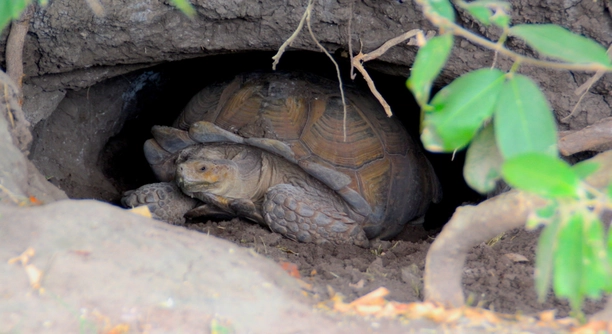
A sulcata tortoise is sensitive to temperature changes. If the environment is too hot or too cold, it can affect their health. Recognizing temperature changes is essential for ensuring their well-being.
The ideal temperature for a sulcata tortoise should range from 80-90°F during the day, with a cooler area between 70-75°F. If exposed to temperatures outside of this range for extended periods, they may become stressed or ill.
Maintaining the right temperature will support their health and activity. Learning how to regulate this environment is key to your tortoise’s care.
Signs Your Sulcata Tortoise is Too Hot
When a sulcata tortoise is too hot, it may seek shade or try to bury itself in cooler areas. If the environment is consistently too warm, your tortoise will likely become lethargic and drink more water than usual. Excessive heat can cause dehydration and stress, leading to potential health issues. Be sure to monitor your tortoise’s behavior closely. If they appear sluggish or try to hide constantly, the temperature may be too high for comfort.
The main sign of heat stress is lack of movement. You may notice your tortoise sitting in one place for long periods. It can also lead to overheating, so it’s crucial to adjust their environment immediately. Always provide a shaded area where they can retreat if they need a cooler spot.
Make sure to check your tortoise’s habitat for areas that might trap heat. A basking spot should be set up properly, with a temperature gradient allowing them to choose between warmth and cooler areas. Adjusting these will help keep your sulcata healthy.
Recognizing When Your Sulcata Tortoise is Too Cold
Cold temperatures cause sluggishness and loss of appetite in sulcata tortoises. They may hide more and move very little. If the temperature drops significantly, they will enter a state of dormancy to conserve energy.
Sulcata tortoises are native to warm climates and cannot withstand prolonged cold exposure. If your tortoise becomes inactive or seems to hide more frequently, it may be too cold for them. The environment needs to stay warm enough to encourage movement and eating.
Maintaining a consistent temperature is crucial for a sulcata’s health. When temperatures fall below 60°F, they may become too cold to digest food. This can lead to further complications, including respiratory issues and stunted growth. Providing a proper heat source, such as a ceramic bulb or heat mat, is essential in colder months. A thermostat can help maintain a stable temperature and prevent fluctuations. Regularly check your tortoise’s temperature, adjusting the heat source as necessary to ensure it remains in a safe range.
How to Adjust the Temperature for Your Sulcata Tortoise
If your sulcata tortoise is too hot or too cold, adjusting the temperature can restore comfort. Create a temperature gradient by providing a warm basking spot and a cooler area. This gives your tortoise the option to regulate its body temperature.
A simple way to manage the temperature is by using a heat lamp or ceramic bulb for warmth. Ensure the basking spot reaches 90°F, but allow cooler areas between 75-80°F. Keep a thermometer in different areas of the enclosure to ensure the correct temperatures are maintained.
It’s important to monitor the humidity as well. A dry environment can stress the tortoise. Using a humidifier or misting occasionally helps balance the moisture levels. Ensure the habitat stays ventilated to prevent excessive humidity buildup. This will support their overall health while keeping the temperature comfortable.
Providing Shade and Shelter for Temperature Regulation
Always offer your sulcata tortoise shade to escape from the heat. A shaded area provides relief when the tortoise becomes too warm. This also reduces stress and keeps them hydrated.
Create a shaded retreat within the enclosure where they can move to when they feel overheated. A log or hut works well for shelter, but be sure it doesn’t trap heat. It should offer a cool, safe spot. Providing this shade encourages your tortoise to roam freely while maintaining proper body temperature.
In addition to shade, you should protect your sulcata from drafts. Sudden temperature changes from drafts can be harmful, especially in colder weather. Keep the enclosure in a stable environment to prevent such fluctuations.
Monitoring Your Sulcata Tortoise’s Behavior
Keep a close watch on your tortoise’s behavior. A sulcata tortoise may become less active or refuse food if the temperature is too high or too low. This is a sign that adjustments may be needed.
Changes in behavior such as hiding, becoming lethargic, or excessive drinking are signals to check the temperature. These signs often indicate that your tortoise is uncomfortable. Regularly monitoring its movements and activity levels can help you identify when the temperature needs adjustment.
Checking Temperature with a Thermometer
Using a thermometer is the most accurate way to monitor your tortoise’s habitat. Place one at the basking spot and another in the cooler areas. This helps ensure a balanced environment.
A reliable thermometer gives you peace of mind. Checking temperatures daily can prevent temperature-related stress or health issues for your tortoise. Be sure to use a digital thermometer for more precise readings, and adjust the heating sources accordingly.
Handling Temperature Changes
If the temperature suddenly changes, your sulcata tortoise may become stressed. To avoid this, gradually adjust the temperature when needed. Sudden shifts in temperature can cause shock.
Use a gradual heat adjustment method by turning the heat sources up or down slowly. Keep your tortoise’s well-being in mind to ensure it isn’t exposed to rapid changes, which could lead to illness.
FAQ
What temperature should my sulcata tortoise’s enclosure be?
The ideal temperature for a sulcata tortoise should be between 80-90°F during the day. The basking spot should reach 90°F, while the cooler areas of the enclosure can range from 75-80°F. Nighttime temperatures should be kept above 70°F to prevent your tortoise from getting too cold.
How can I tell if my sulcata tortoise is too hot?
If your sulcata tortoise is too hot, it may show signs like excessive drinking, seeking shade, or becoming lethargic. Tortoises in high heat often stop moving around as much and may stay in one spot. Monitoring their behavior will give you clues if temperatures are too high.
How can I tell if my sulcata tortoise is too cold?
Signs of a cold sulcata tortoise include lethargy, lack of appetite, or hiding more often than usual. They may not want to move or feed and could become inactive. If the temperature drops below 60°F, your tortoise may enter a state of dormancy.
Can I use a heat lamp for my sulcata tortoise?
Yes, a heat lamp or ceramic heat emitter is essential for providing warmth in your sulcata tortoise’s enclosure. The heat lamp should create a basking area where the temperature is 90°F. Make sure to place the lamp in a way that allows your tortoise to escape the heat when necessary.
Should I use a humidity control system for my sulcata tortoise?
Sulcata tortoises do not require high humidity, but you should still monitor the moisture level in their environment. If the humidity is too high, your tortoise may experience respiratory issues. Using a hygrometer helps maintain appropriate humidity levels between 30-50%.
How often should I check the temperature in my tortoise’s enclosure?
It’s essential to check the temperature at least once a day, especially during extreme weather conditions. Make sure both the basking and cooler areas are within the ideal range. Having a thermometer in both areas ensures your tortoise is comfortable and safe from temperature extremes.
Can I keep my sulcata tortoise outside?
Yes, sulcata tortoises can live outside in warm climates, provided they have access to shade, shelter, and a safe, secure environment. Be sure to protect them from predators and ensure the outdoor enclosure has temperature control during cooler months to avoid cold stress.
What is the best way to heat my sulcata tortoise’s enclosure at night?
Use a ceramic heat emitter or a low-wattage bulb for nighttime heating. These sources provide heat without emitting light, which is important for maintaining a natural day-night cycle. The nighttime temperature should stay above 70°F to ensure your tortoise’s health.
How can I create a temperature gradient in my sulcata tortoise’s habitat?
Creating a temperature gradient is simple. Place a heat source on one side of the enclosure to create a basking spot. The opposite side of the enclosure should remain cooler. This allows your tortoise to regulate its temperature by moving between the two areas.
What is the ideal humidity level for a sulcata tortoise?
Sulcata tortoises prefer a dry environment, with humidity levels between 30-50%. This range prevents respiratory issues and skin shedding problems. Make sure to monitor humidity regularly with a hygrometer to avoid unnecessary fluctuations.
Can my sulcata tortoise survive in temperatures below 60°F?
Sulcata tortoises are not suited for temperatures below 60°F. At such low temperatures, they may become dormant, and prolonged exposure can lead to health problems. If your tortoise is outside, provide a heated shelter to ensure it stays warm during cooler nights or seasons.
How do I maintain the right temperature during the winter months?
During winter, you can maintain the proper temperature by using a space heater or a heat lamp. Ensure the enclosure is sealed off from drafts, and use a thermostat to regulate the temperature. It’s crucial to prevent cold drafts and maintain a consistent environment.
What are the signs that my sulcata tortoise is dehydrated due to heat?
Dehydration in sulcata tortoises may show up as excessive drinking, sunken eyes, or dry skin. They may also become lethargic or less active than usual. If dehydration occurs, increase the humidity slightly and offer fresh water regularly to help them recover.
How do I prevent my sulcata tortoise from overheating?
To prevent overheating, provide ample shade and a cooler area within the enclosure. Make sure the basking area doesn’t exceed 95°F. You can also create an area where your tortoise can hide or burrow to escape the heat if necessary. Ensure ventilation to avoid stagnant air.
Can a sulcata tortoise survive cold weather outdoors?
A sulcata tortoise is not suited for cold weather. Exposure to cold temperatures, especially under 60°F, can lead to health problems. If kept outside in cooler climates, provide a heated shelter or bring them indoors during colder months.
Final Thoughts
Maintaining the right temperature for your sulcata tortoise is crucial for its health and well-being. These tortoises are naturally adapted to hot environments, so they need consistent warmth to thrive. Both the basking area and cooler spots in the enclosure must be monitored carefully. If the temperature gets too high or too low, your tortoise may become stressed or even sick. Regular checks on the temperature, humidity, and behavior of your tortoise are key to ensuring it stays healthy.
Proper heating is also essential for night-time care. Keeping the temperature above 70°F at night is necessary for your sulcata to rest well and avoid health complications. Using a reliable heat source, like a ceramic heat emitter or a low-wattage bulb, will ensure the temperature remains stable. It’s important not to rely solely on heat lamps during the night, as they can disrupt your tortoise’s sleep cycle due to light emissions. A balanced approach to heating and lighting can help your tortoise feel comfortable all day and night.
Finally, understanding the signs that your sulcata tortoise is too hot or too cold is important for taking action before any damage is done. Look for changes in behavior, such as lethargy, loss of appetite, or hiding. These signs usually indicate that the temperature needs adjusting. With proper care and a carefully controlled environment, your sulcata tortoise will remain healthy, active, and comfortable for years to come. Monitoring temperature and adjusting as needed will ensure that your tortoise leads a happy life in its enclosure.

Hello,
If you enjoy the content that we create, please consider saying a "Thank You!" by leaving a tip.
Every little bit helps us continue crafting quality advice that supports the health, happiness, and well-being of pets around the world, for pets of all shapes, sizes, and species.
We really appreciate the kindness and support that you show us!