
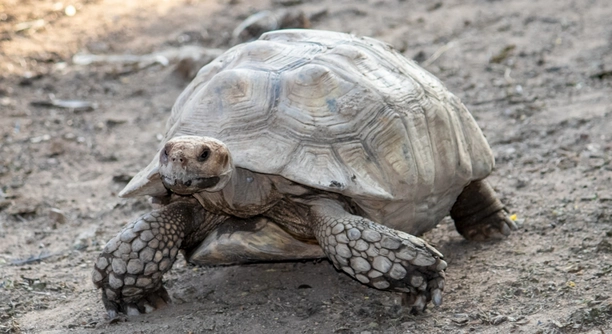
If your sulcata tortoise has stopped showing interest in food, it can be concerning. Their feeding habits are essential for their overall health, and a sudden change may indicate an underlying issue. Understanding these signs can help.
A sulcata tortoise’s disinterest in food can stem from various factors such as stress, improper habitat conditions, or health issues like parasites or dehydration. Ensuring the correct temperature, humidity, and food variety is crucial for their well-being.
Understanding these causes will help you take the necessary steps to restore your tortoise’s appetite and improve its health.
Stress and Environmental Factors
A sulcata tortoise’s environment plays a huge role in its appetite. These tortoises thrive in warm, dry conditions, and stress from improper habitat can make them lose interest in food. Changes in lighting, temperature, or humidity can disrupt their natural behavior and feeding habits.
If the environment is too cold or too humid, your tortoise may feel uncomfortable, causing them to refuse food. Sudden changes, such as a move to a new location, can also create stress. Pay attention to any environmental fluctuations, as they can directly impact their health and appetite.
It’s essential to replicate their natural habitat as closely as possible. You can achieve this by ensuring the enclosure has proper heating and lighting. A basking spot should range between 95°F and 105°F, and the cooler side of the tank should be around 80°F. Regularly check the humidity, which should be around 50-60%. These factors work together to keep your tortoise comfortable and encourage eating.
Dehydration and Health Issues
Dehydration can also affect your tortoise’s appetite. Like all reptiles, sulcatas rely on water to help digest food. If they’re not drinking enough, they may become sluggish or disinterested in eating.
Health problems like parasites or infections could be another reason your sulcata is refusing food. Keep an eye out for other signs of illness, such as lethargy or abnormal behavior. If you suspect any underlying health issues, visit a veterinarian. Proper treatment is crucial for recovery and appetite restoration.
Improper Diet
A sulcata tortoise’s diet directly impacts their feeding habits. If they’re not getting the right balance of nutrients, they may lose interest in food. Offering only one type of food, like lettuce, can lead to nutritional deficiencies and a lack of appetite.
A variety of vegetables, grasses, and high-fiber plants should be included in their diet to keep them healthy and interested in eating. Avoid feeding them high-protein foods like meat or dairy, as it can upset their digestion. Stick to leafy greens, hay, and cactus pads to provide the proper nutrition. If they are not eating enough, try offering different foods to see what they prefer.
Overfeeding fruits or high-calcium vegetables can also cause an imbalance. Make sure to provide fresh food and remove uneaten portions daily. A balanced diet will help your tortoise stay healthy and eager to eat.
Temperature and Lighting Adjustments
The temperature and lighting setup in your tortoise’s habitat are crucial. If the temperatures are off, it can cause your sulcata to become lethargic and uninterested in food. Ensure that there is a heat source to provide a basking spot.
Inadequate lighting can affect their circadian rhythm, making them feel out of sync and less likely to eat. Providing a UVB light for 12-14 hours a day will ensure they get the necessary exposure to UV rays. This helps in the synthesis of vitamin D3, which is essential for calcium absorption and overall health. Adjusting the lighting and temperature will make your tortoise feel comfortable and encourage them to eat.
Boredom and Lack of Stimulation
A lack of stimulation can lead to a sulcata tortoise losing interest in food. If the enclosure is too plain or doesn’t allow for natural exploration, your tortoise may feel bored and stop eating. Adding variety in their environment can help.
Introduce different textures, hides, or climbing areas to give them something new to explore. You can also scatter food around their enclosure, encouraging them to forage. This mimics their natural behavior in the wild, keeping them active and engaged. By providing a more dynamic environment, your tortoise may regain its appetite.
Overhandling or Stress from Interaction
Too much handling or interaction with your tortoise can stress them out, which may affect their eating habits. Tortoises generally prefer a calm, quiet environment. If they feel constantly disturbed, they may stop eating.
Avoid excessive handling and give them time to adjust to their space. This will help your sulcata feel secure and reduce stress levels. A relaxed environment supports healthy eating and overall well-being.
FAQ
Why isn’t my sulcata tortoise eating?
There are several reasons why your sulcata tortoise may not be eating. The most common causes are environmental factors, such as temperature or humidity being too high or low, which can cause stress. A lack of proper lighting can also lead to poor digestion and appetite loss. Ensure the habitat is set up correctly with a basking area of 95°F to 105°F and a cooler side of around 80°F. UVB lighting for 12-14 hours daily is essential for digestion and overall health.
How do I know if my sulcata tortoise is stressed?
Signs of stress in a sulcata tortoise can include hiding, lack of movement, or refusing food. If you notice these behaviors, check for environmental issues such as incorrect temperature or humidity levels. Also, consider if there have been any changes in their surroundings or routine. Too much handling or loud noise can also cause stress.
Can I feed my sulcata tortoise fruit?
Fruits can be offered occasionally, but they should not be a primary part of their diet. Sulcata tortoises are herbivores that thrive on high-fiber grasses, hay, and leafy greens. Fruits contain too much sugar and can upset their digestive system if fed in excess. Use fruits as treats, not as a regular part of their meals.
Should I be worried if my sulcata tortoise is eating less in the winter?
It’s common for tortoises to eat less during the colder months as their metabolism slows down. However, if the temperature in their habitat is kept in the proper range (around 80°F to 95°F for daytime temperatures and a drop at night), they should still be eating. If they are refusing food for extended periods, check for other health concerns.
Can dehydration cause my sulcata tortoise to stop eating?
Yes, dehydration can cause a sulcata tortoise to lose its appetite. Make sure your tortoise has access to fresh water at all times. If you suspect dehydration, you can offer a shallow dish of water or soak your tortoise in lukewarm water for about 20 minutes. Keeping their humidity levels correct also helps maintain hydration.
How often should I feed my sulcata tortoise?
Young sulcatas (under 5 years old) should be fed daily, while adults can be fed every other day. Offer a variety of grasses, hays, and leafy greens. Avoid overfeeding, especially with high-calcium or high-protein foods. Always remove uneaten food to prevent it from spoiling in the habitat.
Why is my sulcata tortoise not eating its vegetables?
If your sulcata tortoise refuses vegetables, it may be due to the type of greens you’re offering. Sulcatas are selective eaters, and they may reject certain foods. Try offering a variety of leafy greens like dandelion greens, collard greens, and hibiscus. Additionally, ensure the vegetables are fresh and properly cleaned before serving.
Could a health issue be preventing my sulcata tortoise from eating?
Health problems like infections, parasites, or even a respiratory infection can cause a sulcata tortoise to stop eating. If you notice lethargy, nasal discharge, or other unusual symptoms along with a lack of appetite, it’s important to take your tortoise to a vet experienced with reptiles for diagnosis and treatment.
Is it normal for my sulcata tortoise to be picky with food?
Yes, sulcata tortoises can be picky eaters. They might refuse certain vegetables or greens and prefer others. Offering a variety of foods can help ensure they get proper nutrition. However, if they continue to refuse food or show signs of weight loss, you should consider consulting a vet to rule out any health issues.
How can I encourage my sulcata tortoise to eat?
To encourage eating, try offering a variety of foods and changing their diet regularly. You can also soak leafy greens in a bit of water to increase their appeal. If your tortoise is particularly picky, offer food items like cactus pads or flowers to stimulate their interest.
Is it normal for a sulcata tortoise to stop eating after hibernation?
If your sulcata tortoise has gone through hibernation, it’s normal for them to eat less initially as their metabolism adjusts. However, if they are not eating at all or showing signs of weight loss or dehydration, this could be a sign of a health problem and you should consult a veterinarian.
What are the best foods for a sulcata tortoise?
The best foods for a sulcata tortoise are high-fiber grasses, weeds, and hays, along with leafy greens such as dandelion greens, collard greens, and mustard greens. Cactus pads and flowers are also great additions. Avoid high-protein foods, such as meat, and limit the amount of fruit offered.
Can my sulcata tortoise eat lettuce?
Lettuce can be offered but should not be a staple in their diet. Iceberg lettuce, in particular, lacks nutritional value and can cause digestive problems. Romaine lettuce or other dark leafy greens can be a healthier option. Variety in diet is key to keeping your tortoise interested in food.
How can I tell if my sulcata tortoise is sick?
Signs of illness in a sulcata tortoise include lethargy, lack of appetite, nasal discharge, wheezing, or swollen eyes. If you notice any of these symptoms, it’s important to take your tortoise to a reptile vet as soon as possible. Prompt treatment can prevent more serious health issues.
Final Thoughts
A sulcata tortoise may lose interest in food for a variety of reasons. It’s important to consider their environment, diet, and overall health. If your tortoise is refusing food, ensure their habitat is well-maintained with the correct temperature, humidity, and lighting. These factors are crucial for digestion and appetite. Without proper care, even the healthiest tortoise can begin to feel stressed, which can lead to a loss of appetite. Monitoring their environment regularly can prevent many of these issues before they arise.
Diet plays a significant role in keeping your tortoise healthy and interested in eating. Offer a variety of high-fiber grasses, weeds, and leafy greens to encourage them to eat. Avoid feeding them too much fruit or protein-rich foods, as these can disrupt their digestive system. Additionally, try to maintain consistency in their feeding routine to avoid unnecessary stress. A balanced diet and fresh food are vital for their overall health. You may also want to scatter their food to encourage foraging, which mimics their natural behavior and can help stimulate their appetite.
If changes to their environment and diet don’t help, or if you notice signs of illness, seeking veterinary care is essential. Tortoises can be resilient, but health issues can sometimes go unnoticed until they become serious. Always be proactive in monitoring your tortoise’s behavior, and don’t hesitate to consult a reptile vet if you are concerned. With the right care and attention, your sulcata tortoise can maintain a healthy appetite and thrive in your care.

Hello,
If you enjoy the content that we create, please consider saying a "Thank You!" by leaving a tip.
Every little bit helps us continue crafting quality advice that supports the health, happiness, and well-being of pets around the world, for pets of all shapes, sizes, and species.
We really appreciate the kindness and support that you show us!