
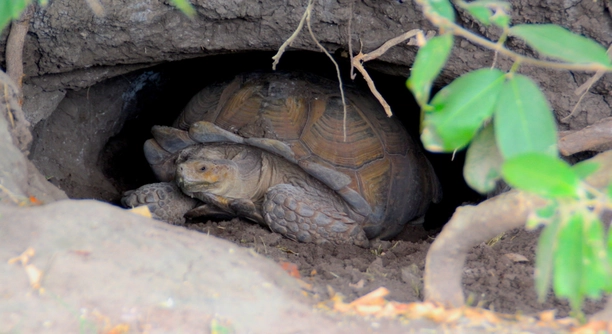
A sulcata tortoise’s enclosure should be more than just a safe space. It’s essential to provide comfort and security through the right accessories. These items ensure your tortoise thrives in a healthy, enriching environment.
The essential accessories for a sulcata tortoise enclosure include a substrate for burrowing, a UVB light for proper metabolism, water and food dishes, a basking platform, a hide box for shelter, a thermometer for temperature control, and fencing to contain them safely.
These accessories create a stable habitat that supports their well-being.
Substrate for Burrowing
A proper substrate allows sulcata tortoises to display their natural burrowing behavior, which is essential for their well-being. These tortoises like to dig, creating a space that mimics their native environment. Use a substrate that can hold moisture, such as coconut coir or organic soil. Avoid using sand as it can cause digestive issues if ingested. A thick, soft layer of substrate helps retain humidity and provides an ideal surface for burrowing, maintaining comfort throughout the day. This also helps with temperature regulation, making it a crucial element in their habitat.
The substrate must be deep enough for burrowing. Aim for at least a 6-inch layer to allow enough space for your tortoise to dig.
Burrowing also provides security for your sulcata, offering them a sense of privacy and a retreat. In the wild, these tortoises often dig burrows to escape extreme temperatures. Recreating this in their enclosure will make them feel safe and comfortable, promoting their overall health.
UVB Lighting
Sulcata tortoises need access to UVB light to metabolize calcium properly. In captivity, natural sunlight may not always be enough, especially during colder months. Installing a UVB light in their enclosure helps prevent metabolic bone disease and supports their general health.
The UVB light should be placed 12-18 inches above the basking area. Ensure it’s positioned to cover a significant part of their space, so your tortoise can enjoy it fully.
A UVB light mimics sunlight, giving the tortoise essential exposure to UV rays. It is crucial for proper calcium absorption, bone health, and overall metabolic function. Without it, your tortoise may develop deformities or other serious health issues. Regularly change the bulbs as UVB output decreases over time, even if the light still appears to work.
Water and Food Dishes
Tortoises need easy access to both water and food, making these dishes essential. Choose shallow, wide containers to prevent them from tipping over. Make sure they are large enough for the tortoise to eat and drink comfortably.
Water should be changed daily to maintain cleanliness. Avoid deep dishes, as they can be dangerous if your tortoise falls in. Instead, a shallow dish allows them to drink safely and easily. Food dishes should also be large enough to hold their meals without overcrowding. Regularly clean both dishes to prevent bacteria growth and ensure proper hygiene.
By providing clean water and food dishes, you’re promoting your sulcata’s health and encouraging them to stay hydrated and well-nourished. Keeping these items clean reduces the risk of illness and ensures they have a safe eating and drinking area. A consistent, reliable setup also prevents stress and improves their overall comfort.
Basking Platform
A basking platform gives your tortoise a space to soak in heat and bask in warmth, essential for their digestion. Ensure the platform is solid and non-slippery. The surface should support their weight without the risk of tipping.
Position the basking platform under a heat lamp so your tortoise can regulate its body temperature by moving between warm and cool areas. The platform should be placed near the lamp but allow enough space for the tortoise to wander around comfortably.
A basking area encourages natural behaviors. It helps maintain a stable body temperature, aiding in digestion and overall activity levels. Without proper basking space, sulcata tortoises may struggle to regulate their internal systems. Providing them with a designated area also helps with routine and ensures they feel secure in their environment.
Hide Box
A hide box provides your sulcata tortoise with a safe space to retreat when it feels stressed or needs rest. It should be large enough for your tortoise to enter and exit comfortably. The material should be durable and easy to clean.
Choose a box with a simple, open entrance to make it accessible. Make sure it’s positioned in a quiet part of the enclosure where your tortoise can have some peace. The hide box should offer a sense of security, helping your tortoise feel comfortable in its environment.
Thermometer
Maintaining the correct temperature in your tortoise’s enclosure is crucial for its health. A thermometer allows you to monitor temperature levels, ensuring they stay within the optimal range.
Keep one thermometer in the basking area and another in the cooler part of the enclosure. This will allow you to track the temperature differences, ensuring your tortoise can move between areas that suit its needs. Proper temperature regulation is necessary for digestion, growth, and overall well-being.
FAQ
What should the temperature be for a sulcata tortoise?
Sulcata tortoises need a warm environment to thrive. The basking area should be kept at 95–100°F, while the cooler side of the enclosure should be around 75–85°F. A consistent temperature gradient allows them to move to areas that suit their needs. Ensure that the night temperature doesn’t drop below 65°F.
How often should I feed my sulcata tortoise?
Feed your sulcata tortoise daily, providing a variety of grasses and leafy greens. They are herbivores, so their diet should consist mostly of plant material. Avoid high-protein foods, which can cause health issues. Offer hay, dandelion greens, and other suitable plants. Fresh water should always be available.
Can sulcata tortoises eat fruit?
Fruits should be fed sparingly due to their high sugar content. Offering small amounts once or twice a week is sufficient. Some safe fruits include watermelon, berries, and cantaloupe. Always remove any seeds or pits to avoid digestive issues.
Do I need to provide UVB lighting all day?
UVB lighting is essential for 10–12 hours a day to simulate natural sunlight. Turn off the UVB light at night to allow your tortoise to rest. Make sure to replace the bulb every 6–12 months to maintain effectiveness, even if it still looks functional.
How do I clean the tortoise’s enclosure?
Clean the enclosure regularly by removing waste and old food. Weekly, disinfect the entire enclosure using a safe reptile cleaner or a diluted vinegar solution. Rinse thoroughly to remove any residue. Keep the substrate dry and change it if it becomes soiled or too damp.
Can sulcata tortoises be kept with other animals?
Sulcata tortoises are solitary animals and can be aggressive towards other pets. It’s best to keep them alone to avoid stress and territorial behavior. If you do keep them with other animals, ensure that the animals are compatible and won’t interfere with the tortoise’s space.
How big should the enclosure be for a sulcata tortoise?
The enclosure should be at least 4 feet by 8 feet for a small tortoise, but larger enclosures are always better. As sulcatas grow, they need more space to roam and explore. For an adult sulcata, aim for a minimum of 8 feet by 8 feet.
How can I prevent my sulcata tortoise from escaping?
Sulcata tortoises are known for their ability to dig and climb. Use a secure, tall fence around their enclosure, ensuring it’s buried deep into the ground to prevent burrowing. Regularly check for weak spots where they might try to escape.
What should I do if my tortoise isn’t eating?
If your sulcata tortoise stops eating, check the temperature in the enclosure, as improper temperatures can affect their appetite. Stress or illness can also cause a lack of appetite. If the problem persists, consult a veterinarian specializing in reptiles.
How can I provide proper humidity for my sulcata tortoise?
Sulcata tortoises prefer a dry environment, but maintaining some humidity can help them avoid dehydration. Use a shallow water dish to create some moisture in the air and consider adding a misting system to the enclosure. Keep the substrate slightly moist but not wet.
What kind of bedding should I use for my tortoise?
Choose a bedding that allows for burrowing and keeps the environment comfortable. Safe options include coconut coir, cypress mulch, or a mix of organic soil and sand. Avoid using cedar or pine wood chips, as they can cause respiratory issues for your tortoise.
Can sulcata tortoises be kept outdoors?
Yes, sulcata tortoises can be kept outdoors, but only if the climate is suitable. Ensure the area is secure, free of predators, and has both sunny and shaded areas. In colder climates, they should be brought indoors or provided with a heated shelter during winter months.
How do I know if my sulcata tortoise is sick?
Signs of illness in sulcata tortoises include loss of appetite, lethargy, abnormal feces, or abnormal breathing sounds. If you notice any of these symptoms, consult a veterinarian. Regular health check-ups are also recommended to catch potential issues early.
Can I take my sulcata tortoise outside?
Yes, sulcata tortoises enjoy outdoor time and benefit from it, especially if they can bask in natural sunlight. Be sure the area is safe, and always supervise them to prevent escape or exposure to harmful substances.
What is the lifespan of a sulcata tortoise?
Sulcata tortoises can live for 50–70 years, sometimes even longer with proper care. It’s important to consider their long lifespan when deciding to keep one as a pet. Ensure that you can provide a stable environment for them for many years to come.
How do I bathe a sulcata tortoise?
Bathing a sulcata tortoise is simple. Fill a shallow container with lukewarm water and let the tortoise soak for 15–20 minutes. This helps with hydration and can aid in digestion. Never use soap or chemicals when bathing.
How do I prevent my sulcata from getting dehydrated?
Ensure that your tortoise always has access to fresh water. If your tortoise is not drinking enough, try offering water baths, which will help with hydration. Make sure the humidity levels in the enclosure are appropriate for its needs.
Final Thoughts
Creating a suitable environment for a sulcata tortoise is essential for its health and well-being. The proper enclosure setup involves providing the right temperature gradient, hiding spaces, and clean water access. These tortoises require ample space to move around, as they can grow quite large. Understanding their needs and offering an environment that mimics their natural habitat as much as possible is key. By ensuring the right conditions, you create a stable and safe home for your tortoise.
In addition to physical space and temperature control, diet and hydration are crucial. A balanced, herbivorous diet with fresh greens, hay, and occasional fruits ensures proper growth. Dehydration can be a common issue, so providing a consistent water source and maintaining a humidity level that suits their needs is important. Regular monitoring of their health and making necessary adjustments to their environment, like adjusting temperature or providing fresh food, will help prevent potential problems down the line. It’s also essential to keep their enclosure clean, both for hygiene and to avoid bacterial buildup, which could lead to illness.
Finally, owning a sulcata tortoise requires commitment. These tortoises can live for decades, which means long-term responsibility. They are not just pets, but living beings that need attention, care, and a stable environment throughout their lives. With the right setup and consistent care, your sulcata tortoise can thrive in its home for many years. Taking time to learn about their habits and needs will help you be the best caregiver for your tortoise.

Hello,
If you enjoy the content that we create, please consider saying a "Thank You!" by leaving a tip.
Every little bit helps us continue crafting quality advice that supports the health, happiness, and well-being of pets around the world, for pets of all shapes, sizes, and species.
We really appreciate the kindness and support that you show us!