
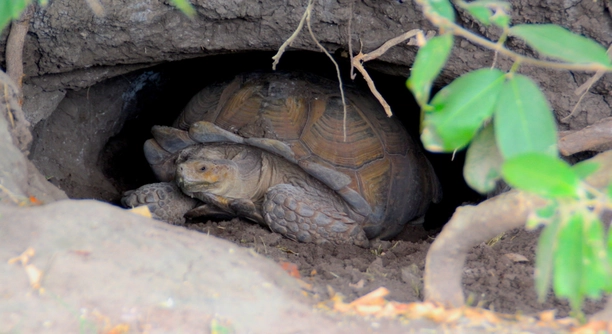
Sulcata tortoises are known for their unique eating habits. These reptiles can sometimes develop a tendency to consume non-food items, like rocks, which can be concerning. Understanding the reasons behind this behavior is key to addressing it effectively.
To prevent your Sulcata tortoise from eating rocks, provide proper nutrition, a varied diet, and an appropriate environment. Ensure access to grass, hay, and leafy greens while removing potential hazards like small rocks in their enclosure.
Addressing these factors can improve your tortoise’s eating habits and overall well-being.
Reasons Why Sulcata Tortoises Eat Rocks
Sulcata tortoises often eat rocks due to a lack of proper nutrients in their diet. When these reptiles don’t get enough fiber, calcium, or minerals, they may try to compensate by consuming non-food objects. This behavior can also be linked to boredom, stress, or the search for something to chew on. In some cases, it may be a sign of digestive issues or a vitamin deficiency. If your tortoise is eating rocks regularly, it’s essential to assess its diet and environment to prevent any long-term health problems.
Providing a balanced diet and a safe environment can help address this issue. Regularly check for loose rocks or gravel in the habitat and remove them if necessary.
Feeding your Sulcata tortoise a variety of foods like grasses, hay, and leafy greens is crucial. Ensure it receives adequate calcium and vitamin D to prevent deficiencies. Offering larger, safer objects to chew on can also keep your tortoise mentally and physically engaged. Creating a comfortable, low-stress environment will help reduce the likelihood of unwanted behaviors like rock eating.
The Role of Enclosure Design
The design of your Sulcata tortoise’s enclosure can impact its eating habits. If the space is too small or lacks stimulation, the tortoise may turn to rocks for something to do. It’s important to provide an enclosure that encourages natural behaviors, such as exploring and foraging. Adding items like logs, plants, and larger rocks for climbing can provide the necessary engagement.
A spacious, well-structured enclosure will allow your tortoise to move around freely and access various food sources.
How Diet Affects Rock-Eating Behavior
If your Sulcata tortoise isn’t getting enough food or the right nutrients, it may resort to eating rocks. Tortoises need a varied diet with high fiber, calcium, and proper hydration. Without it, they may seek out non-food items. A poor diet can lead to health issues like metabolic bone disease, making it even more important to offer balanced meals.
A diet of grasses, hay, leafy greens, and occasional vegetables is essential for a Sulcata tortoise. Make sure to provide access to calcium supplements or cuttlebone to promote bone health. Offering water regularly ensures proper hydration. If these elements are lacking, your tortoise may look for alternate sources of nutrition, like rocks.
Calcium and vitamin D3 play a significant role in bone health. Sulcatas, in particular, need a diet rich in these nutrients to prevent deficiencies. If your tortoise lacks them, it might try to ingest rocks to get what it needs. Proper supplementation and a good diet will encourage healthier behavior.
Managing Stress in Sulcata Tortoises
Stress can lead to unusual behaviors, including eating rocks. Sulcata tortoises are sensitive to changes in their environment, such as temperature fluctuations, excessive noise, or overcrowding. When stressed, they may seek comfort in unusual ways, including eating objects they shouldn’t.
To reduce stress, maintain a consistent temperature and humidity level in their habitat. Sulcatas are native to warm environments, so ensuring their enclosure mimics their natural surroundings will help. Avoid sudden changes and disruptions that could cause anxiety. Providing plenty of hiding spots or shelters can help your tortoise feel secure and reduce stress-related behaviors.
A calm, controlled environment is key to a healthy Sulcata. Ensure their habitat is large enough to allow for movement and exploration. A well-designed space with areas for both sun and shade can offer a balance that reduces stress, encouraging healthier eating habits.
Creating a Safe and Engaging Habitat
A stimulating environment is essential to prevent your Sulcata tortoise from eating rocks. If there’s not enough to explore, the tortoise may turn to non-food items out of boredom. Add plants, logs, and safe objects for climbing or hiding to make the habitat more engaging.
Ensure that the enclosure is large enough for your Sulcata to roam freely. It should have a variety of textures, including soft and rough surfaces, to simulate its natural habitat. Providing a mix of hiding spots and basking areas will keep your tortoise engaged, reducing the risk of rock-eating behavior.
A variety of surfaces like sand, soil, and grass should make up the flooring of the enclosure. Regularly check for any loose rocks or debris that might attract the tortoise’s attention. Keeping the habitat clean and organized encourages healthy behaviors and makes it easier for your tortoise to focus on its natural food sources.
Offering Safe Chew Options
Giving your Sulcata tortoise safe things to chew on can help distract from rock eating. Suitable chew items include large pieces of grass, hay, or specially designed tortoise chews. These will allow your tortoise to maintain healthy teeth while avoiding harmful rocks.
Chew toys can also provide mental stimulation. Just be sure they are large enough to avoid accidental swallowing. Regularly introduce new, safe chewing objects to maintain interest and prevent the tortoise from returning to rocks. A variety of textures will keep your tortoise engaged and satisfied with healthier chewing alternatives.
Monitoring Health and Behavior
Regular health checkups are necessary to ensure your Sulcata tortoise is not eating rocks due to an underlying medical issue. If your tortoise continues the behavior despite dietary changes or habitat adjustments, consult a vet. Sometimes, rock-eating can indicate more serious health problems, such as gastrointestinal issues.
FAQ
Why does my Sulcata tortoise eat rocks?
Sulcata tortoises may eat rocks due to a lack of essential nutrients in their diet, such as calcium or fiber. When their diet is unbalanced, they may look for alternative sources to fulfill nutritional needs. Stress, boredom, and an inadequate environment can also contribute to this behavior. Ensuring a balanced diet and providing a stimulating habitat can help prevent rock eating.
How can I prevent my Sulcata tortoise from eating rocks?
To prevent rock eating, ensure your Sulcata tortoise has a varied diet that includes grasses, hay, and leafy greens. Provide calcium supplements like cuttlebone and offer proper hydration. Create an engaging habitat with plenty of space, hiding spots, and safe climbing objects to reduce boredom and stress. Regularly check the enclosure to remove any loose rocks or gravel that could tempt your tortoise.
What should I feed my Sulcata tortoise?
Sulcata tortoises thrive on a diet of grasses, hay, and leafy greens. They should also have access to calcium-rich foods, such as dandelion greens, collard greens, and hay. Occasionally offering vegetables like squash or carrots is fine, but avoid feeding them fruits or too many high-sugar foods. Providing a balanced diet will support their overall health and reduce the urge to eat rocks.
Can stress cause my Sulcata tortoise to eat rocks?
Yes, stress can trigger rock-eating behavior. Sulcata tortoises are sensitive to changes in their environment, such as fluctuating temperatures, loud noises, or overcrowding. Stress can lead them to seek comfort in inappropriate items like rocks. Maintaining a stable, calm environment will help minimize stress and prevent unhealthy behaviors.
How much space does my Sulcata tortoise need?
Sulcata tortoises need plenty of space to roam. A minimum of 100 square feet is recommended for an adult tortoise. The larger the enclosure, the better. The space should have varied textures, areas for basking, and plenty of room for foraging. A cramped enclosure can lead to boredom and stress, both of which may contribute to rock-eating.
What are the signs that my Sulcata tortoise is not getting enough calcium?
Signs of calcium deficiency in Sulcata tortoises include soft or deformed shells, weak limbs, and overall lethargy. If your tortoise is eating rocks, it may be a sign it’s seeking calcium. Offering calcium-rich foods and supplements like cuttlebone can help prevent deficiencies. If you notice these signs, consult a veterinarian for advice on proper supplementation.
How often should I feed my Sulcata tortoise?
Adult Sulcata tortoises are grazers and should be fed once a day, with their diet consisting mainly of grasses and hay. Juvenile tortoises may require more frequent feedings. Make sure to provide fresh food daily and ensure it’s clean and free of pesticides. Overfeeding should be avoided, as excess food can lead to health problems.
Can I keep a Sulcata tortoise in a small enclosure temporarily?
While it’s not ideal for long-term care, a smaller enclosure can be used temporarily if necessary. However, it should be spacious enough to allow your tortoise to move around and access food, water, and basking areas. Long-term confinement in a small space can cause stress, poor health, and unwanted behaviors like eating rocks. Ideally, move your tortoise to a larger space as soon as possible.
Are there specific plants that are toxic to Sulcata tortoises?
Yes, several plants are toxic to Sulcata tortoises, including oleander, azalea, and ivy. Avoid placing these plants in your tortoise’s enclosure or feeding them to your tortoise. Stick to safe, tortoise-friendly plants like dandelion greens, clover, and hibiscus. Always research plants before introducing them to your tortoise’s environment to ensure they are safe.
How do I know if my Sulcata tortoise is eating enough?
A healthy Sulcata tortoise should be active, alert, and steadily growing. If it is eating rocks, it could be a sign it’s not getting enough food or proper nutrients. Monitor your tortoise’s behavior and check for signs of malnutrition, such as weight loss or soft shells. If you’re unsure, a vet can help determine if your tortoise is eating enough.
Final Thoughts
Dealing with a Sulcata tortoise that eats rocks can be frustrating, but understanding the root cause of the behavior is the first step in resolving it. Often, this behavior is a sign that the tortoise is lacking certain nutrients, like calcium, or is experiencing stress due to its environment. By ensuring your tortoise receives a balanced diet rich in fiber, calcium, and other essential nutrients, you can reduce the likelihood of rock-eating. Regularly offering safe chewing options, like hay and grasses, will also help prevent this behavior.
Creating an engaging and comfortable habitat for your Sulcata tortoise is just as important. A spacious enclosure that mimics its natural environment will help keep your tortoise busy and healthy. Providing various textures for climbing, hiding, and basking areas will not only prevent boredom but also ensure your tortoise feels secure. Make sure the enclosure is free of any loose rocks or debris that may attract your tortoise’s attention. A clean and stimulating environment reduces stress, which is another common reason tortoises turn to rock-eating.
If, after making these changes, the behavior persists, it may be time to seek professional help. A veterinarian can assess whether your tortoise has any underlying health conditions that need attention. Sometimes, persistent rock-eating is a sign of a more serious issue that requires medical intervention. However, with the right diet, environment, and care, you can help your Sulcata tortoise lead a healthy, happy life, free from the habit of eating rocks.

Hello,
If you enjoy the content that we create, please consider saying a "Thank You!" by leaving a tip.
Every little bit helps us continue crafting quality advice that supports the health, happiness, and well-being of pets around the world, for pets of all shapes, sizes, and species.
We really appreciate the kindness and support that you show us!