
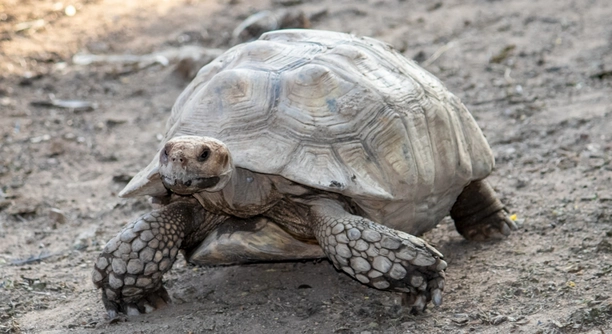
Male and female Sulcata tortoises exhibit distinct differences that affect their behavior, size, and appearance. Understanding these differences can help in identifying and caring for each gender more effectively.
The key differences between male and female Sulcata tortoises include size, behavior, and physical traits such as shell shape and tail length. Males tend to be smaller, with longer tails and a more concave plastron, while females are larger with flatter shells.
Recognizing these differences will assist in better understanding your Sulcata tortoise’s needs and behavior.
Physical Differences Between Male and Female Sulcata Tortoises
Male Sulcata tortoises are generally smaller than females. They have longer, thicker tails, and their plastron (the underside of the shell) is concave, which helps during mating. Female tortoises, on the other hand, are larger, with a flatter plastron to accommodate their egg-laying process. These differences are essential for identification and understanding their behavior.
Males often exhibit more active and aggressive behavior compared to females. This behavior is particularly noticeable during mating seasons, where they may become territorial or engage in head-bobbing displays. Females tend to be more passive and focus on finding food or nesting areas.
Understanding the physical characteristics of both genders helps in providing the proper care. Males, being smaller, are easier to house in smaller spaces, while females require larger enclosures. Their size and behavior can also impact their interaction with other animals in the same environment.
Behavioral Traits in Male and Female Sulcata Tortoises
Females are typically more laid-back. They often focus on eating and nesting rather than engaging in displays or territorial behavior. Males, however, exhibit more energy, especially during mating periods.
The behavioral differences between males and females can significantly affect their care. Male tortoises tend to be more active and will need larger areas for exercise and territory. Female tortoises, on the other hand, require an environment suitable for nesting and egg-laying. By understanding these behaviors, you’ll be able to cater to each gender’s specific needs.
Size Differences Between Male and Female Sulcata Tortoises
The size difference between male and female Sulcata tortoises is quite noticeable. Males tend to stay smaller, typically reaching around 18 inches in length. Females are larger and can grow up to 30 inches long. These size differences play a role in their behavior and care.
Female tortoises need more space to move around due to their larger size. They also require more room to nest and lay eggs, which is a vital consideration when setting up their environment. On the other hand, males are more compact, but they can still benefit from larger enclosures to allow for active movements.
As a general rule, the larger the enclosure, the more comfortable and healthier your tortoises will be, regardless of gender. It’s important to make sure both males and females have enough room to roam, stretch, and exhibit natural behaviors without feeling cramped.
Shell Shape and Structure
Male and female Sulcata tortoises have distinct shell shapes that can help in identifying them. Males tend to have a more concave plastron, while females have a flatter one. This difference is most noticeable when viewed from below.
The concave shape of a male’s plastron allows it to better position itself during mating. It gives them a stable base to mount the female, as opposed to the female’s flatter plastron, which is designed to accommodate the laying of eggs. These shapes are essential for their reproductive behaviors, making them more than just cosmetic differences.
If you’re looking to breed Sulcata tortoises, these physical traits are key to identifying gender and ensuring successful mating. The shell structure will also impact their ability to move and interact with the environment, as the plastron’s shape can affect how they navigate or rest.
Tail Length and Shape
The tail of a male Sulcata tortoise is longer and thicker than that of a female. This is especially noticeable when comparing both genders side by side. The length and thickness of the tail help differentiate the two.
Males use their longer tails to facilitate mating. A longer tail allows for easier reaching of the female’s cloaca during copulation. Females, with shorter tails, have a more compact appearance, which is crucial for their egg-laying process. Understanding this physical difference makes it easier to determine the tortoise’s gender.
Behavior During Mating Season
During the mating season, male Sulcata tortoises become notably more active and aggressive. They will often display head-bobbing movements and chase after females. This is typical mating behavior as they try to assert dominance.
Males may also become territorial, especially if there are other males nearby. This behavior is a natural part of their attempt to claim mates. Females, however, remain more passive, only showing signs of interest during mating periods. Recognizing these behaviors can help ensure the well-being of both genders during breeding.
Diet Preferences Between the Genders
Male and female Sulcata tortoises generally have similar diets, but there are slight differences. Males are typically more active feeders, eating larger amounts of food during active periods.
Females, especially when carrying eggs, might show an increase in food intake to support their reproductive needs. Both genders benefit from a high-fiber diet consisting of grass, hay, and leafy greens, but females may require extra nutrients when preparing to lay eggs.
FAQ
What is the best habitat for a male Sulcata tortoise?
Male Sulcata tortoises require a spacious enclosure that allows them to roam freely. Ideally, the space should be large enough for them to display their active nature and territorial behaviors. A combination of an indoor area and an outdoor enclosure works well. The indoor space should be kept warm, with a temperature range between 75°F to 85°F. The outdoor enclosure should be secure, offering sunlight and access to grass for grazing.
Do female Sulcata tortoises need a different habitat?
Female Sulcata tortoises generally require a similar habitat, but they need more space for nesting. It’s essential to provide them with a dedicated area to dig and lay eggs. A soft substrate like sand or soil will encourage them to dig. The rest of the habitat can remain the same, with access to sunlight, food, and water.
How can I tell if my Sulcata tortoise is male or female?
To determine the gender of a Sulcata tortoise, examine the shape of the plastron (bottom of the shell). Males have a concave plastron, which helps them mount females during mating. Females have a flatter plastron. Males also tend to have longer, thicker tails compared to females, who have shorter, less pronounced tails.
What is the typical lifespan of male and female Sulcata tortoises?
Both male and female Sulcata tortoises can live for over 50 years with proper care. In fact, their lifespans can even reach up to 70 years in some cases. Their longevity depends on maintaining a healthy diet, proper living conditions, and regular veterinary care.
Do male and female Sulcata tortoises behave differently?
Yes, male Sulcata tortoises tend to be more active and aggressive, especially during mating seasons. Males may engage in head-bobbing displays and chase females. They are also more territorial. Female tortoises, on the other hand, are generally more passive and focused on food and nesting activities.
Can male and female Sulcata tortoises live together?
Yes, male and female Sulcata tortoises can live together, but careful consideration is needed. During mating seasons, the male might exhibit aggressive behaviors toward the female. It’s important to ensure the female has enough space to avoid unwanted interactions. If you’re housing both genders, make sure there is enough room for the female to escape from the male when needed.
What should I feed my Sulcata tortoises?
Sulcata tortoises are herbivores and should be fed a diet rich in grasses, hay, and leafy greens. They should also have access to high-fiber vegetables like collard greens, dandelion greens, and clover. Avoid feeding them fruits too often, as it can cause digestive issues. Fresh water should always be available.
How much should I feed my Sulcata tortoise?
The amount you feed your Sulcata tortoise will depend on its size and activity level. A general guideline is to offer as much hay and grass as the tortoise can eat in one sitting, twice daily. Fresh leafy greens can be given in smaller amounts. Avoid overfeeding to prevent obesity, which can lead to health problems.
Do Sulcata tortoises need supplements?
While a well-balanced diet of grasses and leafy greens should provide the necessary nutrients, Sulcata tortoises may benefit from occasional calcium supplements, especially if they are not receiving enough calcium from their food. Vitamin D3 can be provided through exposure to UVB light, which is essential for calcium absorption. Consult with a vet before adding supplements to their diet.
How do I care for a pregnant female Sulcata tortoise?
Pregnant female Sulcata tortoises require a few special considerations. Ensure that she has a private, secure area where she can dig and lay her eggs. Provide a substrate that is easy for her to dig in, such as a mix of sand and soil. She may also need extra food during this time, especially foods rich in calcium.
What are common health problems for Sulcata tortoises?
Some common health issues for Sulcata tortoises include shell rot, respiratory infections, and obesity. Shell rot can occur due to prolonged exposure to wet conditions, while respiratory infections may result from improper temperatures. Obesity is often a result of overfeeding or a poor diet. Regular vet check-ups can help prevent and address these issues.
How can I prevent shell rot in Sulcata tortoises?
Shell rot can be prevented by ensuring that the tortoise’s habitat is dry and clean. Avoid excessive moisture in the enclosure and make sure that the substrate is well-drained. Regularly inspect the tortoise’s shell for signs of damage, and if you notice any issues, clean the affected area gently and seek veterinary advice.
Final Thoughts
Understanding the differences between male and female Sulcata tortoises is essential for proper care. Both genders share many similarities, but their physical characteristics and behaviors set them apart. Recognizing these differences helps in creating a comfortable and healthy environment for both males and females. Whether it’s adjusting the habitat to meet the specific needs of a female tortoise during egg-laying or managing the more active nature of a male, knowing what to expect can make a significant difference in their overall well-being.
It is important to consider the long lifespan of Sulcata tortoises when planning for their care. These tortoises require consistent attention and a stable environment to thrive over the years. Their needs, such as proper diet, space, and temperature, should be addressed from the start. As both males and females can live for decades, ensuring they have a suitable home from the beginning will contribute to their health and longevity. Regular check-ups with a veterinarian are also recommended to monitor their health and address any issues early.
Caring for Sulcata tortoises, whether male or female, involves attention to detail and a willingness to learn. The more you understand their behavior, diet, and specific needs, the better you can care for them. This knowledge will help you provide the best possible environment for your tortoise, allowing them to live a long, healthy life. Ultimately, the reward is watching them grow and thrive, knowing you’ve created the ideal setting for their unique needs.

Hello,
If you enjoy the content that we create, please consider saying a "Thank You!" by leaving a tip.
Every little bit helps us continue crafting quality advice that supports the health, happiness, and well-being of pets around the world, for pets of all shapes, sizes, and species.
We really appreciate the kindness and support that you show us!