
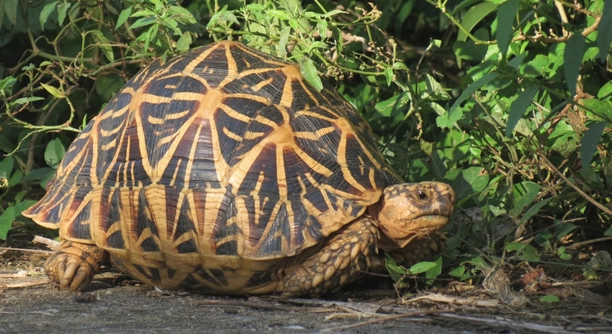
Many people love keeping an Indian Star Tortoise as a pet, appreciating its beauty and calm nature. However, common mistakes can affect their well-being. It’s important to understand the proper care to ensure they thrive.
The most frequent mistakes people make with their Indian Star Tortoise are improper diet, inadequate lighting, poor humidity levels, and improper housing. These errors can lead to health problems and shortened lifespans for your tortoise if not corrected.
Avoiding these mistakes will improve your tortoise’s overall health and happiness. Proper care and attention will ensure a long and healthy life for your pet.
Common Diet Mistakes with Your Indian Star Tortoise
Feeding your Indian Star Tortoise the wrong foods can have serious consequences for its health. A proper diet is essential, as it influences their growth, shell development, and overall well-being. Many people make the mistake of feeding their tortoise too much protein or offering foods that are too high in fat. These can lead to obesity, kidney problems, or shell deformities. Your tortoise needs a variety of grasses, leafy greens, and some fruits in moderation. If you rely too heavily on vegetables or protein sources, you might see a decline in their health over time. Another common mistake is failing to provide calcium supplements, which are vital for maintaining a strong shell and bones. Without the right balance, your tortoise may suffer from metabolic bone disease.
Calcium supplements, alongside a high-fiber diet, will support your tortoise’s growth and shell health.
Providing a variety of plant-based foods that mirror their natural diet is key to maintaining optimal health. Avoid feeding them processed or sugary foods, which can lead to poor digestion and other health issues.
Inadequate Lighting for Your Indian Star Tortoise
Proper lighting is crucial for your tortoise’s health. Many owners neglect this by using the wrong type of bulbs or not providing enough UVB exposure. Without UVB light, your tortoise won’t be able to process calcium properly, leading to weak bones and shells.
Your tortoise needs access to UVB light for about 12 hours a day, just like in its natural environment. Overhead lighting or using lights that emit heat without UVB won’t provide the necessary benefits. UVB helps them synthesize vitamin D3, which is essential for calcium absorption. Without it, they’re at risk of serious health issues.
In addition to UVB, your tortoise needs a temperature gradient in its enclosure, with a basking area around 95°F and cooler areas around 75°F. This helps regulate their body temperature, which is crucial for digestion and metabolism. Avoid placing your tortoise under direct sunlight without proper shelter, as it can overheat quickly.
Improper Humidity Levels
Humidity plays a vital role in your tortoise’s health, as it prevents dehydration and respiratory issues. Too low humidity can lead to dry, cracked skin and poor shell growth. On the other hand, high humidity can cause mold growth and fungal infections.
Maintaining humidity around 50–60% in their enclosure will help ensure their skin stays hydrated. A simple way to check the humidity is by using a hygrometer, and you can adjust levels by misting the enclosure or using a humidity box. Regularly check for signs of dehydration or excessive moisture buildup.
An essential part of humidity management is ventilation. Without proper airflow, stagnant air can encourage bacteria growth and affect your tortoise’s respiratory system. Be sure to keep the enclosure clean and well-ventilated to maintain a healthy balance of humidity and airflow.
Incorrect Enclosure Size
Providing an enclosure that’s too small can stress your tortoise and hinder its growth. A cramped space limits their movement, which is essential for muscle development and overall health. Make sure the enclosure is large enough to give them room to roam.
The minimum recommended size for an Indian Star Tortoise enclosure is 40 gallons. However, larger is better as your tortoise grows. A bigger space allows for proper temperature gradients, a larger basking area, and enough space for your tortoise to stretch out and explore.
Overlooking Proper Substrate
The right substrate helps regulate humidity and allows your tortoise to dig and burrow naturally. Avoid substrates like sand or gravel, which can cause digestive issues if ingested.
Coconut coir or organic soil mixed with sphagnum moss provides a safe and comfortable surface for your tortoise. It also helps maintain humidity levels and allows for digging, which is a natural behavior for them. Regularly change the substrate to keep it clean and free of bacteria.
FAQ
What temperature should I keep my Indian Star Tortoise at?
Indian Star Tortoises require a temperature gradient in their enclosure. The basking area should be around 95°F, while the cooler side should be around 75°F. This gradient helps regulate their body temperature, which is essential for digestion and metabolism. Avoid extreme temperatures or sudden temperature drops.
How often should I feed my Indian Star Tortoise?
Feed your tortoise every other day or every third day, depending on its age and size. Younger tortoises require more frequent feeding to support growth, while adults can be fed less often. Offer a variety of grasses, leafy greens, and some fruits in moderation to maintain a balanced diet.
Can I let my Indian Star Tortoise roam outdoors?
Yes, but only in a secure, safe environment. Ensure there are no predators or areas where your tortoise could escape. The outdoor area should be free from harmful plants and be shaded during the hottest parts of the day. Always supervise your tortoise when it’s outside.
Do Indian Star Tortoises need calcium supplements?
Yes, calcium supplements are essential for shell and bone health. Dust their food with a calcium powder or provide a cuttlebone for them to nibble on. Without calcium, your tortoise could develop metabolic bone disease, which can cause deformities and other health issues.
How do I handle my Indian Star Tortoise?
While it’s important to handle your tortoise gently, excessive handling can cause stress. Pick them up slowly, supporting their entire body, especially the shell. Avoid grabbing them by the legs or tail. Handling should be kept to a minimum, as they prefer to stay in their enclosure.
How long do Indian Star Tortoises live?
Indian Star Tortoises can live for 30 to 50 years, sometimes even longer, with proper care. Their lifespan is influenced by factors like diet, living conditions, and overall health. Regular vet check-ups are important to ensure they live a long, healthy life.
Can I keep multiple tortoises together?
It’s possible to keep more than one Indian Star Tortoise together, but it requires careful planning. Tortoises are territorial and may fight, especially if there isn’t enough space or resources. If you keep multiple tortoises, ensure the enclosure is large enough and has multiple basking spots and hiding places to avoid aggression.
What should I do if my tortoise isn’t eating?
If your tortoise refuses food, it could be due to stress, illness, or improper environmental conditions. Check the temperature, humidity, and lighting in the enclosure. Offer fresh, appealing foods like dandelion greens or clover. If the issue persists, consult a veterinarian to rule out any health problems.
How can I tell if my Indian Star Tortoise is sick?
Signs of illness in a tortoise include lethargy, lack of appetite, swollen eyes, discharge from the nose, or shell deformities. If you notice any of these symptoms, seek veterinary care immediately. Early detection and treatment can prevent more serious issues from developing.
Can I bathe my Indian Star Tortoise?
Yes, you can bathe your tortoise occasionally to help with hydration and cleanliness. Use lukewarm water and let your tortoise soak for about 10 to 15 minutes. Make sure they are not in the water for too long, as it can lead to stress or respiratory issues.
What do I do if my tortoise’s shell has a crack?
If your tortoise’s shell is cracked, it’s essential to consult a veterinarian immediately. Shell injuries can become infected, so prompt treatment is necessary. Keep the tortoise in a clean, dry environment and avoid handling them until the injury is properly assessed and treated by a professional.
Should I trim my Indian Star Tortoise’s nails?
Tortoises naturally wear down their nails through movement, but if the nails become too long or sharp, you may need to trim them. Be very careful when trimming, as you don’t want to cut into the quick, which could cause pain and bleeding. If you’re unsure, a vet can help with nail care.
Final Thoughts
Caring for an Indian Star Tortoise involves paying attention to its basic needs, including proper diet, habitat, and lighting. The tortoise thrives when provided with the right environment, a balanced diet, and regular care. Without these, the tortoise may face health issues that can affect its growth and lifespan. Being aware of common mistakes and addressing them early can ensure your tortoise leads a long and healthy life.
Understanding the importance of factors like proper enclosure size, temperature regulation, and calcium intake is essential. Additionally, regular vet check-ups are crucial in identifying potential health problems before they become serious. While they are relatively low-maintenance pets, they do require attention to their needs, including an appropriate humidity level, proper lighting, and safe handling. These simple but necessary steps will help you provide a happy life for your Indian Star Tortoise.
When keeping any pet, including the Indian Star Tortoise, patience and consistent care are key. It’s a long-term commitment that will require adjustments along the way. Always ensure that you research thoroughly, consult with professionals, and monitor your tortoise’s condition closely. By avoiding common mistakes and being proactive in your care, you can enjoy the company of this fascinating creature for many years to come.

Hello,
If you enjoy the content that we create, please consider saying a "Thank You!" by leaving a tip.
Every little bit helps us continue crafting quality advice that supports the health, happiness, and well-being of pets around the world, for pets of all shapes, sizes, and species.
We really appreciate the kindness and support that you show us!