
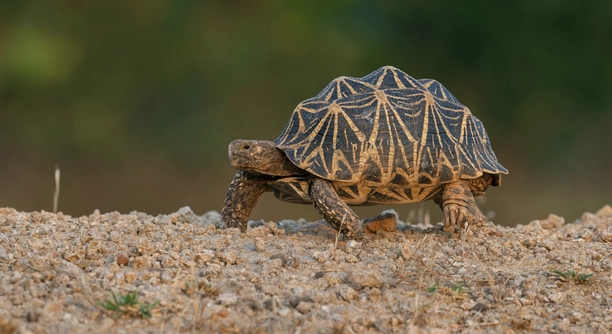
Indian Star Tortoises are popular pets, but they require proper care to thrive in captivity. Ensuring their health and happiness involves understanding their unique needs, from diet to environment. Keeping them healthy requires attention to detail and commitment.
To maintain a healthy and happy Indian Star Tortoise, it is essential to provide a balanced diet, a suitable habitat, regular exercise, and proper sun exposure. Consistent care and monitoring of their health can significantly improve their quality of life.
By following these simple yet effective steps, your tortoise can live a long, healthy life. We’ll walk through each one to ensure your pet remains both active and content in its environment.
Providing a Proper Diet
A well-balanced diet is essential for the health of your Indian Star Tortoise. Their diet should primarily consist of high-fiber plants, such as grasses, leaves, and flowers. You can also feed them leafy greens like dandelion and clover. Avoid high-protein foods like fruits and vegetables that are rich in sugars, as this can lead to obesity or shell problems. Supplements like calcium should be added to their diet regularly, ensuring proper bone and shell development.
Feeding them fresh food daily is important, but avoid overfeeding. Offer a variety of plants to ensure they get a mix of nutrients. The right amount of calcium, fiber, and low-protein foods will keep them in good shape.
In addition to the right diet, make sure they have access to fresh, clean water. Hydration is just as important for tortoises as the food they eat. Water bowls should be changed regularly, and ensure they are big enough for the tortoise to soak in. Healthy eating habits can prevent common health issues such as pyramiding or shell deformities.
Setting Up the Right Habitat
Creating the right habitat for your tortoise is a key factor in maintaining its health. The environment must mimic its natural habitat as closely as possible.
Ensure the enclosure has plenty of space, with room for your tortoise to roam around. Add a mix of soft substrate like coconut husk or sand, as this allows the tortoise to dig, an instinctual behavior for them. Providing hiding spots will help them feel secure. Make sure the temperature in the habitat is carefully regulated—too hot or too cold will stress them out. A basking spot should be available for them to warm up under a heat lamp, but they should also have a cooler area to retreat to if they get too warm. This balance between heat and cool areas will allow them to regulate their body temperature properly.
It’s also vital that the enclosure is free from predators or anything that may scare them. Regularly clean their habitat to avoid bacteria buildup. Keeping it safe, clean, and comfortable will ensure your tortoise stays happy and healthy.
Ensuring Proper Lighting
Indian Star Tortoises need proper lighting to stay healthy. UVB lighting helps them metabolize calcium, which is essential for strong bones and shells. Without proper UVB exposure, they can develop metabolic bone disease.
You should provide UVB light for 10-12 hours daily. This helps simulate sunlight and supports their calcium absorption. Position the UVB light about 12 inches above their basking spot for maximum effectiveness. It’s also important to replace the bulbs regularly, as their effectiveness diminishes over time.
In addition to UVB lighting, providing natural sunlight whenever possible is beneficial. If you can’t provide outdoor exposure, ensure their artificial lighting is as close to natural sunlight as possible. This is crucial for their well-being and prevents deficiencies.
Regular Exercise
Exercise is crucial for the overall health of your tortoise. Tortoises that don’t move enough can become overweight or have difficulty with their digestion. A proper exercise routine helps maintain their muscle strength and ensures they are agile.
Provide an area where they can roam and explore. The larger the space, the better. You can also encourage movement by placing food in different areas of their enclosure, making them actively search for their meal. Ensure the surface they walk on is safe and not too rough to avoid shell damage.
Be mindful of their environment. Small spaces with limited movement may cause your tortoise to become stressed. Create an environment where they have freedom to roam without feeling restricted. A well-exercised tortoise is happier and healthier in the long run.
Maintaining Proper Humidity Levels
Humidity is key for your tortoise’s health, especially for their skin and shell. Too low or too high humidity can cause discomfort or health issues.
Maintain a humidity level of around 50-60%. You can monitor it with a hygrometer to keep track. Mist the enclosure lightly to help keep the air moist.
Humidity is also important for their respiratory health. A proper balance helps prevent infections or skin problems. Ensure their habitat stays warm and humid, especially in dry environments, to mimic their natural surroundings.
Bathing Your Tortoise
Bathing your tortoise helps keep them hydrated and prevents dry skin. A simple soak once or twice a week is enough.
Place them in shallow, lukewarm water that comes up to their knees. Allow them to soak for 15-20 minutes, but always supervise to avoid them drowning. This practice is beneficial for their overall health.
Monitoring Health
Regularly check your tortoise for signs of illness. Watch for changes in behavior, eating habits, or shell appearance.
Healthy tortoises are active and alert. Any unusual changes should be taken seriously. Early detection of health issues can prevent major problems and ensure they stay happy.
FAQ
What should I feed my Indian Star Tortoise?
Indian Star Tortoises thrive on a diet rich in fiber. Offer them a variety of grasses, leaves, and edible flowers like dandelions and clover. These foods provide the nutrients they need without adding too much protein. Avoid feeding them high-protein vegetables like lettuce, as it can lead to obesity. You can also add some calcium powder to their food to support strong shells. Ensure the diet is varied and fresh. Offering a mix of plants ensures that they get all the essential vitamins and minerals they need to stay healthy.
How often should I feed my tortoise?
Feed your Indian Star Tortoise every day. Make sure you are offering the right portion sizes. Overfeeding can cause health issues like obesity and shell problems. Typically, a small amount of food that they can finish within an hour is enough. It’s important to remove any leftover food after feeding to avoid it spoiling. Adjust portions depending on your tortoise’s size and activity level, keeping an eye on their weight and overall health. The key is consistency and balance.
Can I keep my tortoise outside?
Yes, you can keep your Indian Star Tortoise outside as long as the environment is safe and suitable for them. A secure outdoor enclosure with plenty of space for them to roam is ideal. Make sure the enclosure has adequate sun and shade areas for temperature regulation. You’ll also need to ensure the area is free from predators and that the tortoise cannot escape. Outdoor environments allow for natural sunlight, which is beneficial for their health, particularly for UVB exposure. Just make sure the temperature remains consistent and that your tortoise is protected from extreme weather.
How can I tell if my tortoise is sick?
Look for changes in their behavior, eating habits, or physical appearance. If your tortoise becomes less active, refuses food, or shows signs of weight loss, these could be indicators of illness. Shell problems like softening, cracking, or changes in shape are also signs of poor health. Respiratory issues, such as wheezing or excessive nasal discharge, can indicate a respiratory infection. If you notice any of these symptoms, it’s important to take your tortoise to a veterinarian who specializes in reptiles for a check-up.
How do I keep my tortoise’s shell healthy?
A healthy shell starts with the right diet and proper care. Ensure your tortoise gets enough calcium, as this is crucial for strong shell growth. Vitamin D3 from UVB light helps with calcium absorption. Keep their enclosure clean to prevent bacterial infections and avoid sharp objects or rough surfaces that could damage their shell. If their shell begins to show signs of damage or soft spots, seek veterinary advice. Regular bathing can also help maintain hydration and skin health, promoting a healthy shell.
What temperature should my tortoise’s habitat be?
Maintain a temperature range between 75-85°F (24-29°C) in your tortoise’s habitat, with a basking spot that reaches up to 90°F (32°C). This will allow your tortoise to regulate its body temperature by moving between warmer and cooler areas. A thermometer is crucial to monitor these temperatures, as fluctuations can cause stress or health issues. In colder climates, it’s best to keep the tortoise indoors during winter or use a heat lamp in their outdoor enclosure to maintain warmth.
Is it safe to handle my tortoise?
While it’s generally safe to handle your tortoise, it’s important to do so gently. Tortoises are not used to being picked up often, so excessive handling can stress them out. Pick them up carefully, supporting their body, and avoid grabbing them by the shell, as this can cause injury. Short periods of handling are fine, but always return them to their habitat afterward. If your tortoise seems stressed or anxious, reduce the handling time and allow it more time to acclimate to its environment.
Can I house multiple tortoises together?
It’s possible to house multiple Indian Star Tortoises together, but there are a few things to keep in mind. Males, in particular, may become territorial, leading to fights or stress. Ensure the enclosure is large enough for multiple tortoises to have their own space. If you choose to keep more than one, observe their behavior for signs of aggression or stress, such as biting or hiding. Sometimes, it’s best to house them separately to avoid these issues. Always provide enough food, water, and hiding spots for each tortoise.
Do I need to provide a water bowl for my tortoise?
Yes, a water bowl is necessary for your tortoise’s hydration. Make sure it’s shallow enough for them to drink from and large enough for them to soak in if they choose. Regularly clean the bowl and replace the water to ensure it remains fresh. Soaking can also aid in hydration, as tortoises can absorb moisture through their skin. Bathing your tortoise occasionally also helps keep their skin hydrated and maintains healthy digestion.
How long do Indian Star Tortoises live?
Indian Star Tortoises can live a long time if cared for properly. On average, they live between 40 to 50 years, though some have been known to live even longer. The key to a long life is providing a balanced diet, proper housing, regular exercise, and consistent health monitoring. With the right care, your tortoise can be a lifelong companion, offering many years of enjoyment.
Final Thoughts
Caring for an Indian Star Tortoise requires attention to their specific needs, but the effort is well worth it. These tortoises can live long, healthy lives when provided with the right environment and care. By offering a proper diet, regular exercise, and suitable lighting, you can help your tortoise thrive. It’s important to remember that every tortoise is unique, so being observant of their behavior and health will guide you in providing the best care possible.
One of the most important factors in keeping your tortoise happy and healthy is maintaining their habitat. This includes not only providing the right temperature and humidity levels but also ensuring they have enough space to roam. A secure, clean, and well-maintained enclosure will reduce stress and encourage natural behaviors. Keep an eye on their health, and don’t hesitate to consult with a reptile vet if anything seems unusual. Taking these steps will prevent common health problems and ensure your tortoise stays in good condition.
Patience and consistency are key when it comes to tortoise care. These animals may require time to adjust to new surroundings or changes in their routine. By offering a stable, loving environment, your Indian Star Tortoise will likely become a content companion for years to come. Whether you’re a first-time tortoise owner or have cared for reptiles before, remember that the effort you put into their care directly impacts their well-being.

Hello,
If you enjoy the content that we create, please consider saying a "Thank You!" by leaving a tip.
Every little bit helps us continue crafting quality advice that supports the health, happiness, and well-being of pets around the world, for pets of all shapes, sizes, and species.
We really appreciate the kindness and support that you show us!