
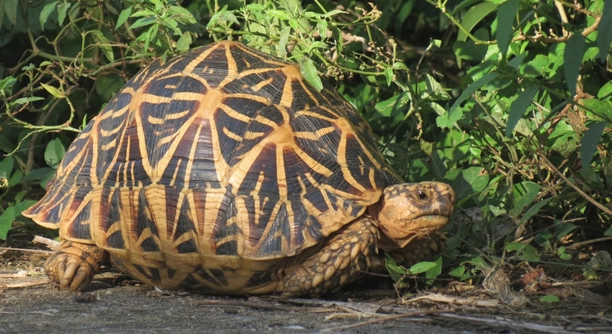
Handling an Indian Star Tortoise requires understanding their unique needs and providing the right care. These fascinating reptiles can live for decades with the proper attention and environment. Here’s what you need to know.
The proper way to handle an Indian Star Tortoise involves minimal stress and careful management. Always support their body fully and avoid lifting by the shell to prevent injury. Consistent, safe handling ensures they remain healthy and comfortable.
Learning how to handle an Indian Star Tortoise the right way can prevent injuries and keep them happy. The guidelines provided will help you build a better connection with these reptiles.
Understanding the Indian Star Tortoise
Indian Star Tortoises are unique reptiles native to India and Sri Lanka. They are known for their striking shell patterns that resemble a star. These tortoises can live for more than 50 years, making them long-term pets. Their natural habitats include dry forests and grasslands, where they thrive in warm temperatures and mild humidity. In captivity, they require specific care to mimic these conditions and ensure they stay healthy.
Handling an Indian Star Tortoise properly is crucial for their well-being. These reptiles are naturally slow movers, so sudden movements or improper handling can stress them out. They rely on a stable, calm environment, and it’s essential to avoid disturbing them unnecessarily. Keep in mind that while they’re sturdy creatures, they can be quite sensitive to changes in temperature, light, and food.
Understanding their behavior is important for building trust and making them feel safe. If stressed, they may retreat into their shell, which is a natural defense mechanism. Creating a comfortable space for your tortoise will help them thrive in their environment.
Basic Care Needs for an Indian Star Tortoise
Indian Star Tortoises need a proper enclosure to thrive. They require ample space to roam, as well as access to a heat source and UVB light.
A good-sized enclosure should have areas for them to hide, bask, and explore. The temperature inside the enclosure should range between 75-85°F, with a basking area that reaches up to 95°F. You should also provide a shallow water dish, ensuring they stay hydrated.
Maintaining humidity is another critical aspect. A humidity level of 50-60% is ideal, as it mimics their natural environment. You can achieve this by misting the enclosure regularly or using a humidity control system. Be sure to avoid over-wetting the habitat, as this can lead to health problems.
A proper diet plays a significant role in keeping your tortoise healthy. Feed them a mix of leafy greens, vegetables, and occasional fruits. Avoid feeding them high-protein or high-fat foods, as this can cause health issues like shell deformities. A balanced diet will keep them strong and active.
Handling an Indian Star Tortoise Safely
When handling your tortoise, always support their body fully with both hands. Never pick them up by the shell or tail, as this can cause injury. Always move slowly and gently to avoid startling them.
Indian Star Tortoises are not particularly fond of being picked up too often. However, you can handle them for short periods as long as it’s done carefully. Make sure the surface they’re placed on is non-slippery, as they can lose their balance and fall. Their fragile legs and shells require gentle care, so avoid rough handling. Place them back in their habitat as soon as possible to minimize stress.
Avoiding handling during feeding or after meals is also crucial. They should be allowed to eat without interruption, as this provides them with necessary nutrients. If you’re unsure of how much handling is too much, it’s always best to observe their behavior. If they seem stressed, it’s better to give them space.
Temperature and Lighting Requirements
Indian Star Tortoises require specific lighting and heat to thrive in captivity. Make sure to provide UVB light for 10-12 hours daily to promote proper shell and bone health.
Without UVB light, they can develop metabolic bone disease, which affects their ability to absorb calcium. A heat source, like a basking lamp, should be used to create a temperature gradient in their enclosure. The basking spot should reach around 95°F, while the cooler side of the enclosure should be around 75°F. This temperature difference allows the tortoise to regulate its body temperature naturally.
It’s also essential to create a natural day-night cycle. This means turning off the lights in the evening and ensuring the tortoise has a quiet, dark space to rest. If the lighting isn’t set up properly, it can lead to stress and poor health.
Choosing the Right Diet for Your Tortoise
An Indian Star Tortoise thrives on a diet of leafy greens, vegetables, and a small amount of fruit. Avoid high-protein foods, as they can lead to shell deformities.
Some good options include dandelion greens, hibiscus flowers, and collard greens. You can occasionally offer fruits like strawberries or melons, but in moderation. It’s important to remember that variety is key to ensuring your tortoise gets all the necessary nutrients. Adding calcium supplements to their food helps maintain healthy shell growth.
Always avoid feeding them processed or sugary foods, as this can disrupt their digestion and overall health. A balanced, natural diet will keep your tortoise strong and happy.
The Importance of a Humid Environment
Maintaining the right humidity level is crucial for your tortoise’s well-being. Aim for a humidity of around 50-60%.
To help regulate this, you can mist the enclosure daily or use a humidity control device. However, be careful not to overdo it. Too much moisture can lead to respiratory issues or shell rot. On the other hand, too little humidity can cause dehydration, leading to other health complications.
Make sure there are dry spots in their habitat where they can retreat if they want to escape moisture. It’s all about balance to keep your tortoise comfortable and healthy.
Ensuring Proper Space for Exploration
Indian Star Tortoises need ample space to explore and move around. A larger enclosure gives them room to roam, helping them stay active and healthy.
The enclosure should be large enough to accommodate hiding spots, basking areas, and space to walk. It should be at least 4 feet by 2 feet for a single tortoise, though bigger is always better. If you can, try to provide an outdoor area where they can enjoy natural sunlight for short periods under supervision. Always keep their environment clean and free from hazards.
FAQ
What temperature is ideal for an Indian Star Tortoise?
The ideal temperature for an Indian Star Tortoise should range between 75-85°F in the main part of the enclosure. The basking area needs to be around 95°F, which provides them with a warm spot to regulate their body temperature. At night, the temperature can drop slightly, but it should not go below 70°F.
How much space do Indian Star Tortoises need?
Indian Star Tortoises need a relatively large enclosure to feel comfortable. A single tortoise should have at least 4 feet by 2 feet of space. The more room they have, the better. Providing a larger enclosure with various areas for basking, hiding, and roaming is ideal for their health and happiness.
Can Indian Star Tortoises be kept together?
Indian Star Tortoises are generally solitary animals and prefer their own space. However, they can be kept together in large enclosures if there’s enough space for each tortoise to have its own basking area and hiding spots. Male tortoises may show aggression towards each other, so it’s better to house females together or ensure there’s no competition for space.
How often should I feed my tortoise?
An adult Indian Star Tortoise should be fed every day, but the amount should be based on their size. Younger tortoises may need to be fed more frequently. Ensure their meals consist mostly of leafy greens and vegetables, with occasional fruits. It’s also important to provide fresh water daily.
What should I do if my tortoise stops eating?
If your Indian Star Tortoise refuses to eat, first check their environment. Ensure that the temperature and humidity levels are correct. Stress from an improper habitat or illness can lead to a loss of appetite. If they continue to refuse food for more than a couple of days, consult a vet for further advice.
How do I know if my tortoise is stressed?
Stressed tortoises may withdraw into their shells, refuse to eat, or become unusually aggressive. Changes in behavior, such as being more withdrawn or hiding for long periods, are signs that something might be wrong with their environment or health. Try to maintain a consistent, calm habitat and monitor them closely.
Is it okay to handle my Indian Star Tortoise often?
While it’s okay to handle your tortoise occasionally, it shouldn’t be done too often. Indian Star Tortoises are generally not fond of being picked up frequently. Handling should be kept to a minimum to avoid stress. Always support their body properly when you do handle them, and return them to their habitat after a short time.
How do I provide UVB lighting for my tortoise?
UVB lighting is essential for your tortoise’s health. Use a UVB bulb that’s specifically designed for reptiles and place it in their enclosure. The light should be on for about 10-12 hours per day. Make sure the bulb is positioned close enough for your tortoise to benefit from the UVB rays. Replace the bulb regularly, as the UVB output diminishes over time.
What type of substrate is best for an Indian Star Tortoise’s enclosure?
For the substrate, a mix of sand and soil works well for Indian Star Tortoises. You can also use coconut coir or cypress mulch. Avoid using cedar or pine wood shavings, as these can release harmful oils. The substrate should be easy to clean, help maintain humidity, and provide a natural environment for your tortoise.
Can Indian Star Tortoises be housed outdoors?
Yes, Indian Star Tortoises can be housed outdoors during warm months, but only in a secure, safe enclosure. Make sure the area is free of predators and has both shaded and sunny spots for them to move between. Always supervise outdoor time to ensure they don’t escape or come into contact with harmful plants or chemicals.
How often should I clean my tortoise’s enclosure?
Cleaning your tortoise’s enclosure should be done at least once a week. Remove waste daily to prevent bacteria buildup. Replace the substrate every 4-6 weeks to maintain a clean environment. Regular cleaning helps prevent health issues like respiratory infections or shell rot. Always disinfect the enclosure and all accessories to maintain hygiene.
What should I do if my tortoise’s shell is damaged?
If your tortoise’s shell is cracked or damaged, seek immediate veterinary attention. A cracked shell can lead to infection, so it’s important to have it treated as soon as possible. Never attempt to fix the shell yourself. A vet will assess the severity and recommend the proper course of treatment.
Can I take my Indian Star Tortoise to the vet for a check-up?
Yes, it’s a good idea to have your Indian Star Tortoise checked by a reptile vet at least once a year. Regular check-ups can help detect health issues early, such as respiratory infections, shell problems, or parasites. If you notice any abnormal behavior or physical changes, schedule a vet appointment as soon as possible.
Final Thoughts
Caring for an Indian Star Tortoise can be a rewarding experience, but it comes with responsibilities. These tortoises are long-lived and need consistent care to stay healthy and happy. Creating the right environment for them is key, as they require specific temperature, humidity, and lighting conditions to thrive. Regularly monitoring their habitat and ensuring they have enough space to move around will help keep them active and stress-free. Handling should be done with care, and only when necessary, to avoid causing unnecessary stress to your tortoise.
Their diet plays a significant role in their overall well-being. A balanced diet of leafy greens, vegetables, and occasional fruits will ensure they receive all the essential nutrients they need. Avoid feeding them too much protein or fatty foods, as this can lead to health issues like shell deformities. In addition to a proper diet, offering fresh water every day is important for hydration. A calcium supplement can also help maintain healthy shell growth, but make sure you follow the right dosage to avoid over-supplementation.
Lastly, it’s important to keep an eye on your tortoise’s behavior. If they start showing signs of stress, illness, or a change in appetite, it’s essential to act quickly and make adjustments to their environment. Regular veterinary check-ups are also crucial, as they can help catch any health issues early. By taking the time to properly care for your Indian Star Tortoise, you’re not only giving them a comfortable home, but also building a lasting bond with a unique and fascinating pet.

Hello,
If you enjoy the content that we create, please consider saying a "Thank You!" by leaving a tip.
Every little bit helps us continue crafting quality advice that supports the health, happiness, and well-being of pets around the world, for pets of all shapes, sizes, and species.
We really appreciate the kindness and support that you show us!