
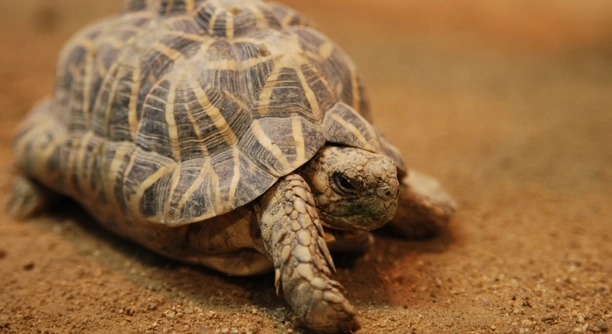
Creating a safe and secure outdoor space for your Indian Star Tortoise is essential for their well-being. With the right setup, your tortoise can roam freely and safely enjoy their environment.
To create a secure outdoor area for your Indian Star Tortoise, ensure the space is enclosed with a sturdy fence, free from predators and hazards. The enclosure should include shaded areas and a clean, dry surface for your tortoise to roam comfortably.
In this article, we’ll explore simple steps to make your tortoise’s outdoor area safe and enjoyable. We’ll also touch on tips to avoid common mistakes.
Build a Secure and Enclosed Space
When planning your tortoise’s outdoor space, safety is key. The area should be fully enclosed to prevent your tortoise from wandering off or getting exposed to predators like birds or small animals. A sturdy fence, at least 18-24 inches tall, is often recommended. You can use wood, plastic, or metal mesh materials, but make sure there are no gaps large enough for your tortoise to squeeze through. Be sure the bottom of the enclosure is also secure to avoid escape attempts through digging. A properly enclosed space will keep your tortoise safe from harm and offer them the freedom to explore.
The size of the enclosure is also important. A larger area will allow your tortoise to roam, forage, and exercise, which is crucial for their health. Aim for at least 8-10 square feet of space, but more is always better, especially for adult tortoises.
Adding plants and rocks within the enclosure can also be beneficial. It helps provide hiding spots and areas where your tortoise can bask, mimicking a natural environment. Always ensure that the plants are non-toxic and safe for your tortoise to interact with.
Provide a Safe Surface
The surface in your tortoise’s outdoor space should be both comfortable and safe. Avoid using gravel or small rocks that could cause injury or be harmful if ingested. Instead, use a mix of soil and sand, which allows your tortoise to dig and burrow naturally.
A natural substrate is important for your tortoise’s comfort and health. It promotes proper temperature regulation and provides enrichment for their behavior.
Ensure Proper Shade and Shelter
Providing shade is crucial for your tortoise’s comfort. Without it, they can easily overheat, which can lead to serious health problems. Offer shaded areas like a small hut or a raised platform where they can escape from the sun during the hottest parts of the day.
A shaded shelter will protect your tortoise from the harsh sun, especially during the summer months. Ensure it is cool and dry, with ventilation to avoid trapping heat. You can use natural materials such as a small wooden shelter or even a large potted plant to create shade. These shelters also provide a place for your tortoise to retreat when they feel stressed or need to rest.
When designing shade, consider the weather conditions in your area. If you live in a hot climate, you may need to create more shade or add a cooling system, like a misting setup, to help keep the environment comfortable. Adjust your setup based on seasonal changes to ensure year-round protection.
Keep It Predator-Proof
Your tortoise’s enclosure should be safe from predators, such as birds of prey, raccoons, and even household pets. Check for any gaps or weak spots in the fence where these animals might get through. Securing your enclosure is essential to keeping your tortoise safe.
One of the most important steps is to dig the bottom edge of the fence into the ground. This will prevent any predators from digging under it to reach your tortoise. If your tortoise is particularly small or vulnerable, consider adding a top to the enclosure to further prevent aerial predators. Be mindful of the size of the gaps in the fencing to ensure that smaller animals cannot squeeze through.
In addition, regularly check for any damage that could create vulnerabilities. Small holes or loose spots can be an open invitation for unwanted visitors. A secure, predator-proof space is vital for your tortoise’s safety and peace of mind.
Monitor Temperature and Humidity
Maintaining the right temperature and humidity is crucial for your tortoise’s well-being. A thermometer and humidity gauge will help you track these conditions in real-time. Make sure the enclosure has a warm side for basking and a cooler side for when your tortoise needs to retreat.
Temperature should vary between 80°F and 90°F during the day, with a basking area reaching up to 95°F. At night, temperatures can drop to around 70°F to 75°F. Humidity levels should be maintained between 50% and 60%. Too much humidity or heat can lead to respiratory problems, so adjust as needed.
A proper heat source, such as a UVB light or heat lamp, is also necessary for the tortoise to absorb the right levels of UV radiation for healthy shell growth.
Add Enrichment Items
Your tortoise will benefit from enrichment to stay active and mentally stimulated. Simple additions like rocks, branches, and tunnels can create a more interesting environment. These objects will also help them feel more at home and allow for natural behaviors like climbing and exploring.
By providing a variety of textures and hiding spots, you encourage healthy movement and exploration. You can even use plants to mimic their natural habitat, but remember to check that they’re safe. Creating an engaging space keeps your tortoise content and active throughout the day.
Ensure Clean Water Access
Always provide fresh, clean water for your tortoise. A shallow water dish is ideal, as it helps prevent accidental drowning while allowing your tortoise to hydrate. Change the water daily to keep it free from debris and bacteria.
Water is essential for your tortoise’s health, as it helps with digestion and hydration. Place the water dish in a shaded area to keep the water cool and avoid the dish drying out too quickly in the sun.
FAQ
How do I prevent my tortoise from escaping the enclosure?
To prevent escape, ensure your enclosure has no gaps large enough for your tortoise to slip through. A secure fence, buried at least 6 inches below the ground, will stop them from digging out. Additionally, the height of the fence should be at least 18-24 inches, depending on the size of your tortoise. Adding a top to the enclosure can further prevent escapes, especially for smaller tortoises or in areas with aerial predators. Regularly inspect the fence for any wear or weak spots.
Can I let my tortoise roam in the garden freely?
It’s not recommended to let your tortoise roam freely in your garden unless it’s properly enclosed. Gardens may contain toxic plants, predators, or places where they can get stuck or lost. A secure enclosure will provide your tortoise with a safe space to explore without risking their safety. It’s also easier to monitor their behavior and health in a controlled environment.
What should I feed my Indian Star Tortoise?
Your Indian Star Tortoise should be fed a variety of vegetables, leafy greens, and some fruits in moderation. Leafy greens such as dandelion greens, collard greens, and romaine lettuce are great options. Avoid high-oxalate vegetables like spinach, which can affect calcium absorption. Fruits like strawberries and apples are good treats but should not make up a large part of their diet. Commercial tortoise pellets can be used occasionally, but fresh food is preferred for their overall health.
How often should I clean my tortoise’s outdoor enclosure?
The frequency of cleaning depends on the size of the enclosure and the number of tortoises, but generally, it should be cleaned every 1-2 weeks. Remove uneaten food daily and spot clean waste, such as droppings or soiled bedding. Every few weeks, completely clean the surface, disinfect the water dish, and replace bedding. Regular cleaning ensures a hygienic environment for your tortoise and helps prevent illness.
What type of shelter should I provide for my tortoise?
A simple wooden shelter or a small hut works well to provide shade and protection for your tortoise. The shelter should be cool, dry, and well-ventilated to prevent overheating. Make sure it’s large enough for your tortoise to comfortably retreat to and that it has a roof to block rain or intense sunlight. Providing shelter also helps your tortoise feel safe and secure, mimicking the behavior of finding refuge in nature.
Do I need to provide UVB lighting in an outdoor enclosure?
Yes, UVB lighting is essential, even in an outdoor enclosure, as it helps your tortoise synthesize vitamin D3, which is necessary for healthy bone growth and shell development. While natural sunlight can provide UVB, it’s not always reliable, especially in colder climates or during cloudy weather. Consider using a UVB light to ensure they are receiving adequate exposure, especially if their outdoor time is limited.
How can I ensure my tortoise is getting enough exercise?
Your tortoise will get plenty of exercise in a large, secure outdoor enclosure. Make sure the space has varied terrain, such as rocks, logs, and other obstacles, to encourage movement and climbing. The more they explore, the better for their physical health. You can also give them time in an enclosed outdoor area for foraging, as this encourages natural behaviors and provides mental stimulation.
Should I worry about predators in the area?
Yes, it’s important to be mindful of potential predators like birds of prey, raccoons, or dogs. Make sure your tortoise’s enclosure is secure by checking for any weak spots in the fence or holes that predators could use to enter. A fence that extends below the ground to prevent digging is essential, and a top can further protect your tortoise from airborne predators. Regularly check the enclosure to ensure it remains secure.
What’s the best way to keep my tortoise hydrated?
Always provide access to fresh, clean water in a shallow dish. Change the water daily to prevent bacteria buildup. Tortoises will drink as needed, but it’s important to make sure they have water available at all times. During hot weather, they may drink more frequently, so check their water supply regularly.
Can I keep my tortoise with other animals?
It’s generally not advisable to house your tortoise with other animals, especially if they are of a different species. Tortoises can be territorial and might not get along with other reptiles or pets. Additionally, some animals may pose a threat to your tortoise, either by being aggressive or carrying diseases. If you want to keep multiple tortoises, ensure their enclosure has enough space for each one and that they get along.
How do I know if my tortoise is stressed or sick?
Signs of stress in a tortoise include lethargy, loss of appetite, excessive hiding, and changes in behavior. If your tortoise refuses to eat, seems unusually inactive, or exhibits strange behaviors, it could be a sign of illness. In this case, it’s best to take them to a veterinarian specializing in reptiles. Stress can also be caused by improper environmental conditions, so ensure their enclosure is safe, clean, and appropriately set up for their needs.
Creating a safe and secure outdoor area for your Indian Star Tortoise is essential for their well-being. A properly designed enclosure not only keeps your tortoise protected from predators and harsh weather but also ensures they have a space to explore and live naturally. With the right setup, your tortoise can enjoy a healthy, happy life outdoors. Whether you’re building a new enclosure or improving an existing one, it’s important to regularly check for safety issues and make necessary adjustments. Consistent care will help ensure your tortoise’s environment remains a safe and comfortable place.
Remember, the key to a secure outdoor space is making sure it’s predator-proof, well-shaded, and provides opportunities for exercise. Proper temperature control, clean water, and a suitable surface are also essential elements of a healthy outdoor habitat. While some steps, like setting up a strong fence, may seem like extra effort, they’ll go a long way in ensuring your tortoise’s safety. Keeping the area clean and free from harmful plants or objects will also help prevent injury. The more natural you can make the environment, the better it will be for your tortoise to thrive.
Finally, it’s important to stay proactive and observant. Regularly check your tortoise’s health and their surroundings to ensure everything is in top shape. Your tortoise relies on you to provide a safe and comfortable space, so the more attention you give to their needs, the happier and healthier they’ll be. With a bit of effort and the right approach, you can create a secure, enriching outdoor space where your tortoise can roam freely and enjoy its natural behaviors.

Hello,
If you enjoy the content that we create, please consider saying a "Thank You!" by leaving a tip.
Every little bit helps us continue crafting quality advice that supports the health, happiness, and well-being of pets around the world, for pets of all shapes, sizes, and species.
We really appreciate the kindness and support that you show us!