
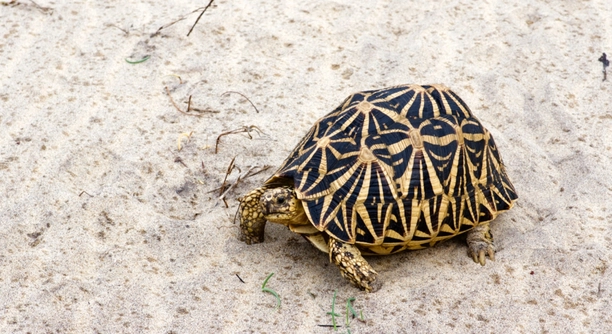
A healthy and well-lit environment is essential for your Indian Star Tortoise. Proper lighting ensures its overall health and helps regulate its activity. Without the right light, your tortoise could experience stress or illness.
To ensure proper lighting for your Indian Star Tortoise, invest in high-quality UVB lighting. This helps mimic natural sunlight, promoting calcium absorption and overall well-being. Additionally, balance this lighting with a heat source to maintain the correct temperature.
By following these guidelines, you’ll provide a comfortable environment for your tortoise. Keep reading for seven valuable tips to help optimize its lighting needs.
Choosing the Right UVB Light for Your Indian Star Tortoise
When it comes to lighting, UVB light plays a crucial role in your tortoise’s health. UVB light helps in the production of vitamin D3, which is essential for calcium absorption. Without it, your tortoise may develop metabolic bone disease, a serious condition that affects its bones and shell. The right UVB light mimics natural sunlight and should be placed within 12 inches of your tortoise’s basking area. It’s important to replace the bulbs every 6 to 12 months, as their effectiveness diminishes over time. Choosing the correct UVB light ensures that your tortoise can stay healthy and strong.
UVB light should be used alongside a heat source to provide a full spectrum of care. Consider using a combination of UVB bulbs and a basking light to replicate the natural sunlight and temperature gradients your tortoise would experience in the wild.
A high-quality UVB bulb that covers the entire enclosure helps ensure that your tortoise receives the necessary light exposure. If you’re unsure which bulb to choose, consult with a pet store specialist who can help you pick the best option based on the size of your enclosure. Make sure the light reaches all areas where your tortoise spends time. Regular monitoring of the light’s effectiveness is key to keeping your tortoise in peak health.
Understanding the Heat Requirements for Your Tortoise
Temperature is just as important as lighting for your tortoise’s well-being. Make sure to maintain a proper gradient, with a basking area reaching around 90-95°F and a cooler side at around 75-80°F. Your tortoise needs this temperature difference to regulate its body heat.
A basking light helps maintain this warmth. It’s vital that your tortoise has access to both warm and cooler spots to regulate its body temperature properly. Without this gradient, your tortoise may experience health problems, such as digestive issues.
Providing a Proper Light Cycle
A proper light cycle is essential for your tortoise’s overall health. Aim for 10-12 hours of light each day, replicating natural daylight hours. This will help regulate your tortoise’s sleep-wake cycle and prevent stress. Avoid leaving the lights on all day or all night. Consistency in the light cycle also helps maintain healthy habits.
It’s best to set up a timer for your lights. This ensures your tortoise receives a steady day and night cycle, which is vital for maintaining its natural rhythm. A timer will also help you avoid accidentally keeping the lights on too long or forgetting to turn them off at night.
If you’re using multiple light sources, make sure all are working together to provide the necessary light exposure. Having lights that are too bright or dim can confuse your tortoise. Keep the light cycle consistent even if you’re adjusting the temperature. It’s key to balancing both lighting and heat for the best results.
Monitoring Light Placement
The placement of the light can greatly impact your tortoise’s health. Ensure that the UVB and basking lights are positioned correctly to cover the most active areas of your tortoise’s enclosure. The basking spot should be directly under the heat source, while the UVB light should cover a larger area.
Positioning the lights properly allows your tortoise to have the choice to move between warmer or cooler areas, giving it the ability to regulate its temperature. Avoid placing lights in areas where they will be obstructed by objects or substrate, as this may reduce the light’s effectiveness. Ensure the lights are securely mounted to avoid accidents.
Monitoring the distance between your tortoise and the light sources is essential for maintaining proper exposure. If the lights are too close, they may cause burns, while being too far can lead to insufficient exposure. Adjust the lights as needed based on your tortoise’s behavior and health, and regularly check for any signs of stress.
Using the Right Bulbs
The quality of the bulbs you use is crucial for your tortoise’s health. Choose bulbs specifically designed for reptiles that provide both UVB and heat. Regular light bulbs do not meet the necessary requirements, so don’t make the mistake of using them.
UVB bulbs come in various strengths, so choose one appropriate for your enclosure size. Too weak a bulb may not provide enough UVB exposure, while a stronger one could lead to burns. Make sure to regularly replace these bulbs to ensure they remain effective. A well-chosen bulb can prevent serious health issues.
Avoiding Overexposure to Light
Your tortoise can suffer from overexposure to light, leading to stress or burns. Keep a careful eye on its behavior to ensure it’s not getting too much UVB or heat. This balance is important for overall well-being.
Be sure to adjust the distance between your tortoise and the light to avoid overexposure. Watch for signs like lethargy or excessive hiding. These could be indicators that the lighting setup needs to be adjusted. It’s always better to have a slightly dimmer setup than one that risks overexposure.
Ensuring Proper Ventilation
Good ventilation is just as important as the right lighting. Without it, your tortoise could face health risks like respiratory problems. Make sure there’s enough airflow in the enclosure to avoid any build-up of heat or humidity.
Proper ventilation allows the heat to disperse evenly, preventing hotspots from forming. Inadequate airflow can lead to poor temperature regulation and even create a breeding ground for bacteria. Regularly check the ventilation system and ensure the air quality remains fresh for your tortoise’s safety and comfort.
FAQ
How long should my Indian Star Tortoise be exposed to light each day?
Your tortoise should be exposed to light for 10-12 hours each day. This helps maintain a healthy day-night cycle, mimicking the natural environment. Keeping a consistent light schedule is important for its overall well-being. You can set up a timer to regulate the lighting automatically, ensuring your tortoise gets the right amount of exposure daily.
Can I use regular light bulbs for my tortoise?
Regular light bulbs will not provide the necessary UVB light that your tortoise needs. UVB light is essential for the absorption of calcium and the prevention of metabolic bone disease. Invest in specialized reptile bulbs that provide both UVB and heat, designed specifically for your tortoise’s needs.
What is the best temperature range for my tortoise’s basking area?
The basking area should be between 90-95°F. This allows your tortoise to absorb heat and maintain its body temperature. You can use a basking bulb to achieve this warmth. Make sure to also have a cooler side of the enclosure, around 75-80°F, for your tortoise to retreat to if it gets too warm.
How can I tell if my tortoise is getting enough UVB light?
If your tortoise is not getting enough UVB light, it may show signs of lethargy, poor appetite, or abnormal behavior. Over time, inadequate UVB exposure can lead to shell deformities or metabolic bone disease. Make sure the UVB bulb is positioned correctly and that it’s replaced regularly to avoid these issues.
What type of bulb should I use for UVB lighting?
Choose a UVB bulb designed specifically for reptiles. These bulbs come in different strengths, depending on the size of your enclosure. A good rule of thumb is to get a bulb that emits UVB over the full basking area. Make sure to replace these bulbs every 6-12 months, even if they still light up, as their UVB output weakens over time.
How close should the UVB light be to my tortoise?
The UVB light should be positioned about 12 inches away from your tortoise’s basking spot. This distance allows for optimal exposure without causing burns. Check the manufacturer’s guidelines for the specific bulb you’re using, as distance requirements can vary based on the bulb’s strength.
Can my tortoise get too much UVB light?
Yes, too much UVB light can lead to overexposure, causing stress or burns on your tortoise. It’s important to monitor the distance between the tortoise and the light. If your tortoise shows signs of distress, such as hiding or lethargy, adjust the light placement or duration.
Is it necessary to have both a UVB light and a heat source?
Yes, both are essential. UVB light helps your tortoise produce vitamin D3, while the heat source provides the necessary warmth for digestion and metabolism. These two elements should work together to create a balanced environment that mimics the tortoise’s natural habitat.
How do I set up the right light cycle for my tortoise?
Set up a light cycle that mimics natural daylight hours. A timer is useful to ensure the lights are on for 10-12 hours and off at night. Consistency is key to helping your tortoise maintain a natural sleep-wake cycle. Avoid leaving the lights on for extended periods, as it could disrupt your tortoise’s biological rhythm.
What are the signs that my tortoise’s enclosure is too hot or too cold?
Signs that your tortoise’s enclosure is too hot include excessive hiding or lethargy. If it’s too cold, your tortoise may become sluggish or stop eating. Make sure to regularly monitor the temperature and adjust your heat source accordingly to maintain a proper temperature gradient between the basking and cooler areas.
Should I replace the bulbs regularly?
Yes, you should replace the UVB and basking bulbs regularly. Even if the light is still working, the UVB output diminishes over time. It’s recommended to replace UVB bulbs every 6-12 months and basking bulbs as needed based on their brightness and performance.
Can I use a single bulb for both UVB and heat?
Yes, there are UVB bulbs available that also provide heat, commonly known as combined bulbs. These bulbs are convenient and efficient for creating a balanced environment. However, ensure the bulb provides adequate UVB exposure and the correct level of heat for your tortoise’s needs.
What should I do if my tortoise isn’t basking under the light?
If your tortoise isn’t basking under the light, it could be a sign that the temperature or lighting setup isn’t right. Check if the basking spot is at the correct temperature, and ensure the light is providing enough UVB. Also, ensure the light is properly positioned so your tortoise can access it comfortably.
Can I use natural sunlight instead of UVB bulbs?
While natural sunlight can provide UVB, it’s not always reliable, especially during winter months or in cloudy weather. It’s safest to use a UVB bulb to ensure consistent light exposure. If you do use natural sunlight, make sure your tortoise is exposed to it for a few hours each day, but avoid direct sunlight through glass, as it blocks UVB rays.
Final Thoughts
Proper lighting is crucial for the health of your Indian Star Tortoise. The right UVB light and heat ensure that your tortoise can absorb the necessary nutrients, digest properly, and stay active. If the lighting setup is not correct, it can lead to health issues like metabolic bone disease or other complications that are difficult to treat. Regular maintenance, such as replacing bulbs and adjusting the distance between the light and your tortoise, is necessary for a healthy environment.
Creating the right habitat for your tortoise involves more than just lighting. You need to make sure the temperature gradient in the enclosure is just right. Having a basking area that stays warm, while offering a cooler space for your tortoise to retreat to, creates a more comfortable environment. This balance helps maintain your tortoise’s natural behaviors, ensuring it can regulate its body temperature and stay healthy.
Remember that every tortoise is different, and their needs can vary. Keep an eye on your tortoise’s behavior. If it seems lethargic, hides too much, or shows signs of stress, this could be an indication that something in its lighting or habitat setup needs to be adjusted. A little extra care and observation can go a long way in keeping your Indian Star Tortoise healthy and thriving. Regularly check your lighting equipment and make necessary adjustments, and your tortoise will thank you by staying active and happy.

Hello,
If you enjoy the content that we create, please consider saying a "Thank You!" by leaving a tip.
Every little bit helps us continue crafting quality advice that supports the health, happiness, and well-being of pets around the world, for pets of all shapes, sizes, and species.
We really appreciate the kindness and support that you show us!