
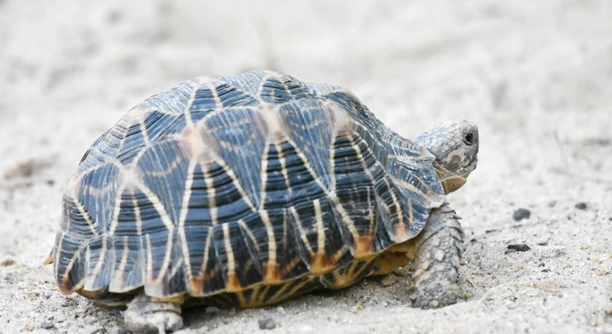
Ensuring your Indian Star Tortoise gets enough calcium is crucial for its health. Calcium supports shell growth and helps prevent metabolic bone disease. Without it, your tortoise could face serious health problems that may affect its long-term well-being.
Calcium is vital for your Indian Star Tortoise’s health, as it promotes strong shell growth and bone development. A calcium deficiency can lead to deformities, lethargy, and even death. Providing adequate calcium through diet and supplementation is essential.
Proper calcium intake plays a significant role in maintaining your tortoise’s overall health. Discover the ways you can support its calcium needs effectively.
Understanding the Role of Calcium in Your Tortoise’s Health
Calcium plays a critical role in your Indian Star Tortoise’s overall health. It is essential for maintaining strong bones, a healthy shell, and proper muscle function. Without enough calcium, your tortoise could develop weak bones and a deformed shell, leading to significant health issues. These conditions can be difficult to treat, which is why preventive measures are key. Calcium also helps in nerve function, blood clotting, and supporting organ systems. A proper balance of calcium is necessary for growth, especially for younger tortoises, who are still developing. Ensuring your tortoise gets enough calcium will prevent unnecessary health complications and improve its quality of life.
Calcium deficiency is a major concern for tortoises. Proper supplementation and dietary choices can effectively prevent these issues.
It’s not just about adding a calcium supplement. You need to ensure your tortoise’s diet is rich in calcium-rich foods. Common choices include dark leafy greens like collard greens, dandelion greens, and turnip greens. These foods not only provide calcium but also offer important nutrients like vitamins and minerals. Another option is to add cuttlebone to their habitat, which your tortoise can nibble on for extra calcium. A balanced diet with these foods will keep your tortoise healthy and support its shell growth. Keep in mind that a combination of food sources, along with calcium supplements if necessary, will ensure your tortoise’s calcium needs are met effectively.
How to Supplement Calcium in Your Tortoise’s Diet
Adding calcium to your tortoise’s diet can be done easily with a few simple adjustments. A calcium powder supplement can be sprinkled on the food.
You can purchase calcium supplements specifically designed for reptiles. These come in various forms, including powder and liquid, and can be easily added to your tortoise’s food or water. For powdered supplements, lightly dust the food with calcium powder, making sure not to overdo it. Offering calcium in the water is also an option but may not always be effective, as not all tortoises drink enough to absorb sufficient calcium. If you’re using liquid calcium, ensure it’s diluted and added in small amounts. The key is consistency—providing calcium regularly will help maintain the proper levels in your tortoise’s system. Additionally, offering a variety of calcium-rich foods will keep your tortoise engaged and healthy.
Offering Natural Sources of Calcium
Leafy greens are an excellent natural source of calcium for your tortoise. These should be part of a regular diet.
Dark leafy greens like collard greens, mustard greens, and kale are packed with calcium. They also provide additional nutrients that help with overall health. You can mix these greens with other vegetables like zucchini and bell peppers to ensure variety. It’s important to avoid feeding your tortoise too much high-oxalate food, such as spinach, as it can interfere with calcium absorption. In addition, dandelion greens, clover, and even cactus pads can be added to the diet as they are rich in calcium. Offering a balanced mix of these foods will help meet calcium needs.
When choosing leafy greens, variety is key to prevent your tortoise from becoming too accustomed to one food. Rotating greens can ensure your tortoise receives a well-rounded diet with all the essential nutrients.
The Importance of UVB Lighting
UVB lighting plays a critical role in calcium absorption. Without it, your tortoise won’t be able to process calcium effectively.
Providing proper UVB lighting mimics natural sunlight, which helps your tortoise synthesize vitamin D3. This vitamin is necessary for the absorption of calcium from food. Without UVB light, even the best calcium-rich diet may not be effective, as your tortoise’s body won’t be able to absorb and use the calcium properly. UVB lighting should be on for 10–12 hours a day, depending on your tortoise’s habitat. It’s essential to provide UVB light that is specifically designed for reptiles to ensure adequate levels of UVB radiation.
Ensure the light is placed close enough to your tortoise’s basking area to provide maximum exposure. Replace UVB bulbs regularly, as they lose effectiveness over time. If possible, allow your tortoise to enjoy natural sunlight for a short period in a safe outdoor space. This will help boost vitamin D3 production and improve calcium absorption.
Avoiding Excessive Phosphorus
Too much phosphorus can interfere with calcium absorption. This can result in an imbalance that harms your tortoise’s health.
Phosphorus is often found in many foods, including some leafy greens and fruits. While phosphorus is necessary for your tortoise’s health, an excess can reduce calcium absorption. Foods high in phosphorus should be limited in your tortoise’s diet. Too much phosphorus can lead to poor shell growth, deformities, and weakened bones. Balancing calcium and phosphorus levels ensures your tortoise absorbs the necessary nutrients without creating harmful imbalances.
Choosing the Right Calcium Supplement
Choosing the correct calcium supplement is crucial for your tortoise’s health. It should contain vitamin D3 to aid absorption.
Calcium supplements come in many forms, but powdered options are the most common and easiest to use. Ensure the supplement you choose contains vitamin D3, which aids calcium absorption. Without vitamin D3, your tortoise may not benefit from the calcium, even if the diet is rich in it. Always check the dosage instructions on the supplement container to avoid over-supplementation. While supplementing, monitor your tortoise’s overall health to see if any adjustments are needed.
The Risks of Over-Supplementation
Over-supplementing calcium can be harmful to your tortoise’s health. Too much can lead to kidney damage.
Excess calcium can cause serious health issues for your tortoise, including kidney damage and organ failure. It’s essential to avoid over-supplementing and stick to the recommended guidelines. Regularly providing a balanced diet with appropriate amounts of calcium and avoiding excessive supplementation will help maintain a healthy calcium level. Monitoring your tortoise’s condition closely is essential to avoid any signs of calcium toxicity.
FAQ
How much calcium does my Indian Star Tortoise need?
Your tortoise needs a specific amount of calcium depending on its age and size. For juveniles, around 0.5–1 gram of calcium per 100 grams of body weight per day is recommended. Adults require less, typically around 0.1–0.5 grams per 100 grams of body weight. The exact amount can vary based on diet and environmental factors, but it’s crucial to provide a consistent calcium source.
Can I use cuttlebone as a calcium source?
Yes, cuttlebone is a great calcium source for your tortoise. It’s a natural, safe option that provides calcium for bone and shell health. Simply place it in the habitat so your tortoise can nibble on it whenever needed. Cuttlebone can be replaced as it gets worn down or soiled.
Should I feed my tortoise calcium supplements daily?
Calcium supplements should be used in moderation. Dusting your tortoise’s food with calcium powder 2–3 times a week is usually sufficient. Over-supplementing can lead to health issues, so it’s important not to offer calcium every day unless advised by a vet.
Is it okay to give my tortoise calcium without vitamin D3?
Vitamin D3 is necessary for calcium absorption. Without it, your tortoise won’t be able to process calcium properly, which can lead to deficiencies and other health problems. Make sure any calcium supplement you use includes vitamin D3, or provide UVB lighting to help your tortoise produce its own vitamin D3.
Can I use calcium-rich vegetables as a replacement for supplements?
Calcium-rich vegetables like dandelion greens, collard greens, and turnip greens can help meet some of your tortoise’s calcium needs. However, they might not provide enough calcium on their own. A supplement or cuttlebone may still be necessary to ensure your tortoise receives the full amount.
What is the best way to provide UVB light for my tortoise?
To provide UVB light, place a UVB bulb over your tortoise’s basking area. The light should be on for 10–12 hours daily, mimicking natural sunlight. Ensure the bulb is placed within the correct distance from your tortoise to provide adequate exposure, usually 6–12 inches. Replace the bulb every 6–12 months, as its UVB output diminishes over time.
Can I give my tortoise fruits that are high in calcium?
Yes, some fruits are high in calcium, but they should only be given occasionally due to their sugar content. Figs, blackberries, and kiwi are examples of fruits that can provide extra calcium. However, these should be balanced with vegetables and other foods that do not contain too much sugar, as excess sugar can cause health issues.
What happens if my tortoise doesn’t get enough calcium?
Without enough calcium, your tortoise may develop metabolic bone disease, which affects shell and bone growth. Symptoms include soft or deformed shells, weakness, lethargy, and difficulty moving. Calcium deficiency can also affect the immune system, making the tortoise more susceptible to other health issues.
How do I know if my tortoise has a calcium deficiency?
Signs of calcium deficiency include a soft or weakened shell, difficulty moving, trembling, and unusual behavior such as lethargy. If you suspect your tortoise has a calcium deficiency, consult with a veterinarian to confirm the diagnosis and discuss treatment options.
Can I feed my tortoise too much calcium?
Yes, too much calcium can be harmful. Over-supplementing can lead to kidney damage, constipation, and abnormal shell growth. Stick to the recommended calcium amounts, and avoid offering too many supplements. A balanced diet with the right amount of calcium will keep your tortoise healthy.
Should I provide calcium during hibernation?
If your tortoise hibernates, it’s important to reduce calcium supplementation during this period. Your tortoise’s metabolism slows down, and its need for calcium decreases. However, ensure that your tortoise’s diet leading up to hibernation has a balanced amount of calcium to support its health before the process begins.
Can my tortoise get enough calcium from a pellet diet?
Some commercial pellet diets are designed to provide all the nutrients your tortoise needs, including calcium. However, it’s still essential to supplement their diet with fresh vegetables, leafy greens, and occasional calcium sources like cuttlebone. A varied diet is key to ensuring proper nutrition.
How long does it take for calcium to affect my tortoise?
Calcium absorption happens over time. If your tortoise is deficient, you should begin to see improvement within a few weeks after increasing calcium intake. However, healing from severe calcium deficiency, such as metabolic bone disease, may take months and requires consistent treatment.
What should I do if my tortoise refuses to eat calcium-rich foods?
If your tortoise refuses calcium-rich foods, try offering a different variety or type of green. Some tortoises are picky eaters, and offering a range of vegetables can help. You may also want to try sprinkling calcium powder on their favorite foods to increase their intake.
Are there any natural ways to boost calcium absorption?
Providing UVB light and ensuring your tortoise gets enough vitamin D3 are the best natural ways to enhance calcium absorption. A balanced diet that includes a variety of calcium-rich foods is also important. Avoid giving too many high-oxalate vegetables, as they can inhibit calcium absorption.
Ensuring that your Indian Star Tortoise receives enough calcium is crucial for its overall health and well-being. Calcium plays a vital role in supporting the development of strong bones and a healthy shell. Without an adequate amount, your tortoise can suffer from metabolic bone disease, which can cause deformities, weakness, and other health issues. By providing a balanced diet with proper calcium sources like cuttlebone, calcium-rich vegetables, and supplements, you can help meet its needs. Regular access to UVB light is also essential, as it allows your tortoise to naturally produce vitamin D3, which is necessary for calcium absorption.
It is important to monitor your tortoise’s diet and behavior to ensure it is getting the right amount of calcium. Pay attention to the condition of the shell and overall activity levels. If you notice signs of calcium deficiency, such as softening of the shell, lethargy, or weakness, it is important to address the issue quickly. Consult a veterinarian if necessary to get professional advice on supplementation or diet changes. Keeping a consistent routine with calcium supplementation, along with access to natural sunlight or UVB lighting, will support your tortoise’s long-term health.
In the end, maintaining the right balance of calcium in your tortoise’s diet is a key factor in preventing health problems. By offering a varied diet that includes both calcium-rich foods and proper UVB exposure, you can ensure your tortoise grows strong and stays healthy. Remember, moderation is key with supplementation, as too much calcium can be harmful. Regularly assess your tortoise’s needs and consult with an expert if you have concerns. Following these guidelines will help you create a healthy environment for your tortoise to thrive.

Hello,
If you enjoy the content that we create, please consider saying a "Thank You!" by leaving a tip.
Every little bit helps us continue crafting quality advice that supports the health, happiness, and well-being of pets around the world, for pets of all shapes, sizes, and species.
We really appreciate the kindness and support that you show us!