
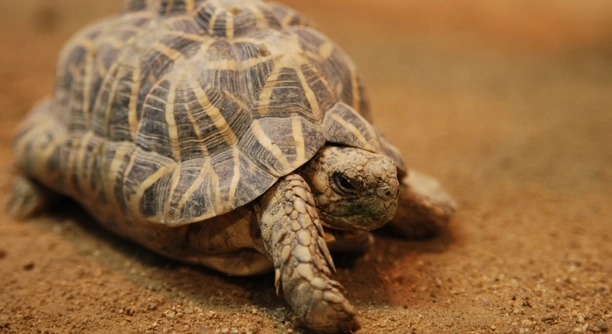
Indian Star Tortoises are fascinating creatures, but they can sometimes face health issues like shell rot. This condition, if not treated promptly, can worsen and lead to severe complications. Understanding how to spot and treat it is crucial.
Shell rot in Indian Star Tortoises occurs when bacteria or fungi cause damage to the shell’s outer layer, leading to soft, decayed spots. Early intervention with proper cleaning, drying, and medication can prevent further deterioration and promote healing.
Treating shell rot early is essential to your tortoise’s well-being. The following remedies will help ensure your tortoise recovers fully and maintains a healthy, strong shell.
How Shell Rot Develops in Indian Star Tortoises
Shell rot is a serious condition that can develop when your Indian Star Tortoise’s shell is exposed to bacteria or fungi. These microorganisms cause the outer layers of the shell to soften and decay. Poor habitat conditions, like high humidity and unclean environments, can make it easier for bacteria to thrive. If left untreated, the infection can lead to deeper damage, affecting the tortoise’s overall health. It’s important to inspect the shell regularly to catch the condition early before it becomes severe. Clean, dry environments and proper care can help prevent shell rot from developing in the first place.
Even a small scratch or wound on the shell can become an entry point for bacteria, increasing the risk of infection. The best way to avoid this is by providing a clean and dry habitat. Regularly disinfect the enclosure, and ensure that any wet spots are quickly dried. Maintaining proper humidity levels is essential to avoid creating an environment conducive to the growth of harmful microorganisms.
Prolonged exposure to dirty water or unsanitary conditions can also be harmful. Clean your tortoise’s living area frequently, ensuring that waste is removed regularly and water is fresh. This proactive approach will help keep shell rot at bay.
Recognizing the Symptoms of Shell Rot
Shell rot symptoms are easy to spot if you’re observant. Common signs include soft or spongy patches on the shell, often with a foul odor.
The early stages of shell rot typically appear as dark, discolored spots on the shell’s surface. These areas may become soft or mushy to the touch, a clear indication that the shell is deteriorating. If you notice this, it’s crucial to act quickly. Ignoring these signs can lead to further damage. More advanced rot may show visible holes or pits, and the smell of infection will become more pronounced. The longer you wait to address the issue, the more difficult it will be to treat. Keeping a close eye on your tortoise’s shell for any changes is important in managing its health.
Aside from the visible damage to the shell, your tortoise may also show signs of discomfort, such as reduced activity or changes in appetite. These behavioral changes may indicate that the infection is affecting its overall well-being. If you suspect shell rot, take action as soon as possible to ensure the best chance for recovery. Regular check-ups with a vet are a good idea if you notice persistent issues.
How to Clean a Tortoise’s Shell During Treatment
Cleaning the shell is a crucial step in treating shell rot. Use a gentle, non-abrasive brush to remove dirt and debris. Clean the affected area carefully.
After cleaning, gently scrub the shell with a soft brush to remove dirt and debris, focusing on the rotted areas. Use a mixture of warm water and a mild antiseptic or saline solution to avoid causing irritation. Never use harsh chemicals as they can harm the tortoise. Gently pat the shell dry with a clean, soft towel to prevent moisture buildup, which can worsen the rot. This cleaning routine helps prepare the shell for further treatment.
The goal of cleaning is to remove bacteria and dirt while preventing infection from spreading. It is important to avoid using excessive force or harsh scrubbing, as this can damage the shell and delay healing. You should clean the tortoise’s shell every few days during treatment, ensuring the area stays dry and free of harmful bacteria. This regular cleaning prevents the infection from worsening and allows other treatments, such as medicated ointments, to work effectively.
Drying the Affected Area
Drying the shell properly is key in treating shell rot. After cleaning, make sure the affected area is thoroughly dry.
The area where shell rot has set in needs to be kept dry at all times. Moisture can promote further bacterial or fungal growth. After cleaning the tortoise’s shell, leave it in a dry, warm area to air out. You can also gently pat the shell dry with a clean towel to remove excess moisture. Ensure that no humidity remains trapped, as this will slow down the healing process and encourage further infection. Proper drying is essential for effective treatment.
In addition to drying the shell after each cleaning, consider adjusting the humidity levels in the tortoise’s environment. Keep the habitat dry to prevent moisture buildup, especially around the affected area. This can speed up recovery and prevent new infections. If your tortoise has a wet habitat, take extra care to dry the shell promptly after contact with water or humidity. The more proactive you are in managing moisture, the quicker your tortoise’s shell will heal.
Applying Antiseptic Cream or Ointment
After cleaning and drying the shell, applying antiseptic cream or ointment is vital for treating shell rot. Choose one that is safe for reptiles.
Antiseptic creams or ointments designed for reptiles can be applied directly to the affected area. These help fight infection and promote healing. Follow the instructions on the product carefully for the best results. You should apply a thin layer to the affected areas and gently rub it in. Make sure the ointment doesn’t come into contact with the tortoise’s eyes or mouth.
Allow the cream to absorb into the shell and keep the tortoise in a dry, warm space to ensure it remains effective. Avoid putting the tortoise in water after application to prevent washing away the medication. Reapply the ointment as needed until the shell shows signs of improvement.
Monitoring Your Tortoise’s Progress
It’s essential to keep track of the healing process. Check the affected area regularly for signs of improvement or worsening.
Look for any changes in the color and texture of the shell. If the rot seems to be spreading or if the smell persists, consult a veterinarian. Regular observation is key to preventing further damage. If you notice any issues, take action immediately.
Preventing Future Infections
Prevention is always better than treatment. To avoid shell rot in the future, maintain a clean and dry environment for your tortoise.
Ensure the habitat is properly cleaned and free of bacteria. Adjust humidity levels to a safe range for your tortoise and avoid overcrowding in the enclosure. Regularly disinfect the water and any food dishes. Keeping your tortoise’s living area dry is essential for preventing shell rot from returning.
FAQ
How long does it take for shell rot to heal in Indian Star Tortoises?
The healing time for shell rot depends on the severity of the infection. If treated promptly and properly, mild cases may heal within a few weeks. More severe cases may take several months to fully recover. Regular cleaning, drying, and applying antiseptic ointments are crucial for speeding up the healing process. If the infection spreads, it may require more intensive treatment, including veterinary intervention.
Can shell rot spread to other tortoises?
Yes, shell rot is contagious, particularly if the environment is not kept clean. Bacteria and fungi can spread through contaminated surfaces, water, or direct contact with infected tortoises. It’s essential to isolate any tortoises with shell rot and thoroughly disinfect their habitat to prevent the infection from spreading to others.
What can I do if my tortoise has severe shell rot?
If your tortoise has severe shell rot, consult a veterinarian immediately. Severe cases may involve deep tissue damage that requires professional treatment. In some cases, antibiotics or antifungal medications may be necessary. The vet may also need to clean and debride the infected areas to promote healing. It’s important not to try to treat severe cases at home without professional guidance.
How can I prevent shell rot from occurring?
To prevent shell rot, ensure your tortoise’s habitat is clean, dry, and well-maintained. Regularly disinfect the enclosure, remove waste, and provide fresh water. Avoid overwatering, as excessive humidity can promote fungal and bacterial growth. Make sure the tortoise has access to clean, dry surfaces to bask on. Also, monitor for any signs of injury or infection on the shell.
What are the first signs of shell rot?
The first signs of shell rot include discolored spots, soft areas, or a foul odor coming from the shell. The shell may feel spongy or wet to the touch, especially around the affected area. If you notice any of these symptoms, begin treatment immediately to prevent the infection from worsening.
Is shell rot painful for my tortoise?
Yes, shell rot can cause pain and discomfort for your tortoise. The infection can affect the underlying tissue, making movement and eating difficult. In severe cases, the infection may cause swelling and visible sores. If you notice changes in your tortoise’s behavior, such as reduced activity or reluctance to move, it’s important to seek veterinary care.
Can I use human antiseptic ointment on my tortoise?
It is not recommended to use human antiseptic ointments on tortoises, as they may contain ingredients harmful to reptiles. Always use antiseptics and creams that are specifically formulated for reptiles. These products are designed to be safe for their sensitive skin and shells. Consult a veterinarian for advice on the best treatment options for your tortoise.
Should I take my tortoise to the vet for shell rot?
While minor cases of shell rot can be treated at home, it is always a good idea to consult a veterinarian, especially if the infection does not improve. A vet can assess the severity of the condition and recommend the appropriate treatment. For advanced or complicated cases, professional care is necessary to ensure proper healing and avoid permanent damage.
Can shell rot cause long-term damage to my tortoise’s shell?
Yes, if left untreated or not treated properly, shell rot can cause permanent damage to your tortoise’s shell. The infection can lead to deep tissue damage, holes, or deformations in the shell. Severe cases may result in the loss of part of the shell, which can affect the tortoise’s overall health and mobility. Early detection and prompt treatment are key to preventing long-term damage.
Is shell rot contagious to other pets?
Shell rot is primarily a concern for other tortoises and reptiles, but it is generally not contagious to mammals, birds, or other pets. However, it’s still important to maintain proper hygiene in your tortoise’s living area to prevent spreading bacteria or fungi to other animals. Disinfect surfaces regularly to ensure the health of all your pets.
Can I use natural remedies to treat shell rot?
While some natural remedies, such as honey or aloe vera, may have mild antiseptic properties, it’s best to rely on proven treatments. Natural remedies may not be strong enough to combat serious infections or may introduce other risks. Always consult a veterinarian before using any natural treatments to ensure the safety and effectiveness of the method.
How often should I check my tortoise’s shell for signs of rot?
You should check your tortoise’s shell regularly—at least once a week—for any signs of rot or injury. Early detection is key to successful treatment. If your tortoise spends a lot of time in wet or humid conditions, check its shell more frequently. Keeping an eye on your tortoise’s shell can help prevent minor issues from becoming major problems.
What should I do if my tortoise refuses to eat while recovering from shell rot?
Loss of appetite is a common symptom when a tortoise is sick, including during recovery from shell rot. If your tortoise refuses to eat, try offering a variety of foods, including favorites or softer options. If the lack of appetite persists for more than a few days, consult a veterinarian to ensure there are no underlying health issues affecting your tortoise’s recovery.
Final Thoughts
Shell rot is a serious condition that requires immediate attention. While it can be treated effectively with proper care, ignoring the symptoms or delaying treatment can lead to permanent damage. Early detection is key to preventing long-term issues. Keeping a close eye on your tortoise’s shell and overall health will help you spot problems before they worsen. If you notice any changes in the shell, such as discoloration, softness, or an unpleasant odor, it’s important to start treatment right away.
Taking care of your Indian Star Tortoise’s habitat is just as crucial as addressing health problems. Maintaining a clean and dry environment reduces the chances of shell rot and other infections. Ensure the enclosure has proper ventilation and temperature control, as this can help prevent excessive humidity. Regularly clean and disinfect surfaces, especially water dishes and basking areas. By providing a healthy and stress-free environment, you can greatly reduce the risk of shell rot and promote your tortoise’s overall well-being.
In addition to creating a suitable environment, proper nutrition plays a role in your tortoise’s recovery and health. A well-balanced diet, rich in the nutrients necessary for shell and bone development, can help boost the immune system. A healthy tortoise is less likely to develop infections, and if treated early, shell rot can be healed without lasting effects. As always, consult a veterinarian if the infection worsens or does not improve, as they can provide professional advice and treatment options. Taking these steps will not only help your tortoise recover but also ensure its long-term health and happiness.

Hello,
If you enjoy the content that we create, please consider saying a "Thank You!" by leaving a tip.
Every little bit helps us continue crafting quality advice that supports the health, happiness, and well-being of pets around the world, for pets of all shapes, sizes, and species.
We really appreciate the kindness and support that you show us!