
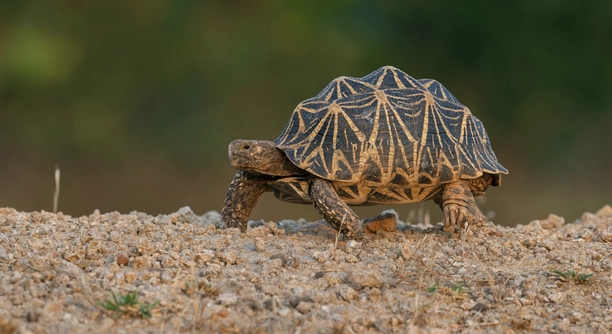
Is your Indian star tortoise showing unusual behavior or signs of illness? Respiratory infections can be serious for these reptiles, affecting their ability to breathe and function properly. Recognizing the symptoms early can help ensure they receive the care they need.
The most common symptoms of respiratory infection in Indian star tortoises include nasal discharge, wheezing, open-mouth breathing, lethargy, loss of appetite, swollen eyes, and excessive mucus. These signs indicate potential respiratory distress and should be addressed promptly to prevent complications and further health deterioration.
Understanding these symptoms will help you take the right steps to support your tortoise’s well-being. Early intervention can make a significant difference in managing respiratory infections effectively.
Nasal Discharge and Wheezing
Respiratory infections in Indian star tortoises often begin with nasal discharge. You may notice a wet or bubbly appearance around the nostrils, which can make breathing more difficult. Wheezing is another early sign, caused by mucus buildup in the airways. These symptoms may start mildly but can worsen if left untreated. The tortoise might also exhibit labored breathing, making soft clicking or whistling noises. If these signs persist, the infection could spread, leading to more severe respiratory distress. Providing a warm, dry habitat and consulting a reptile veterinarian are essential steps in addressing these issues.
Mild cases may improve with environmental adjustments, such as increasing temperature and humidity control. However, persistent or worsening symptoms require medical intervention.
A tortoise struggling to breathe may also become less active and refuse food. These changes indicate a growing problem that needs immediate attention to prevent further health complications.
Lethargy and Loss of Appetite
When a respiratory infection progresses, your tortoise may become lethargic. Instead of its usual activity, it might remain in one spot for long periods. Reduced energy often goes hand in hand with a loss of appetite. A sick tortoise may refuse food altogether or eat significantly less than usual.
If your tortoise is not eating, dehydration and weakness can develop quickly. Respiratory infections make it harder for them to breathe, which takes a toll on their overall health. You may also notice less movement, fewer interactions with their surroundings, and an overall dull appearance. A weakened immune system makes recovery more difficult, emphasizing the need for early intervention.
To support your tortoise, keep its enclosure warm and clean. Soaking in lukewarm water can help with hydration, but professional care is often necessary. A vet can prescribe antibiotics or other treatments to help your tortoise recover.
Swollen Eyes and Excessive Mucus
Swollen eyes in Indian star tortoises often indicate an underlying respiratory infection. The eyes may appear puffy, watery, or even closed due to irritation. Excessive mucus can also build up around the nose and mouth, making it harder for the tortoise to breathe properly.
Swelling around the eyes can lead to vision problems, making it difficult for your tortoise to locate food or navigate its enclosure. If mucus accumulates, it may form thick strands or bubbles around the nostrils, which can block airflow. These symptoms can worsen if the tortoise is kept in a damp or cold environment. Proper humidity levels are crucial to preventing further complications. A warm, dry space with clean substrate can help reduce symptoms, but veterinary treatment is necessary if swelling persists or worsens. Antibiotics may be required to clear up the infection before it becomes life-threatening.
If your tortoise’s mucus turns thick and yellow, the infection is becoming more severe. In some cases, breathing may become so difficult that the tortoise starts gasping or keeping its mouth open. These are signs that the infection is progressing and immediate veterinary care is needed. Delaying treatment can lead to irreversible damage or even respiratory failure, so early action is important.
Open-Mouth Breathing and Increased Throat Movement
Open-mouth breathing in tortoises is a sign of respiratory distress. This behavior occurs when nasal passages are blocked, forcing the tortoise to breathe through its mouth. You may also notice an increased movement in the throat area as the tortoise struggles to take in air. These symptoms indicate that the infection is advancing.
A healthy tortoise typically breathes quietly through its nose, so open-mouth breathing is abnormal. When the infection worsens, swelling and mucus can make nasal breathing nearly impossible. The tortoise compensates by using its mouth, which requires extra effort and leads to exhaustion. You might also observe gaping or gasping, especially after activity. This puts stress on the respiratory system and can quickly lead to severe health issues if untreated. A warm, stable habitat can help, but medical treatment is necessary to resolve the infection.
Ignoring these symptoms can put your tortoise’s health at serious risk. If breathing becomes labored or the tortoise appears weak, it is critical to seek veterinary assistance. Without treatment, respiratory infections can spread to the lungs, causing pneumonia. A vet can provide oxygen support, antibiotics, and fluid therapy to stabilize your tortoise and improve its chances of recovery.
Excessive Sneezing and Coughing
Frequent sneezing in Indian star tortoises can be a reaction to mucus buildup in the nasal passages. If the sneezing is persistent, it may indicate a worsening respiratory infection. Coughing is less common but can occur when mucus accumulates in the throat, making breathing more difficult.
If sneezing and coughing are accompanied by nasal discharge or wheezing, the infection is progressing. Environmental factors, such as high humidity or unclean substrate, can make symptoms worse. A dry, warm enclosure helps, but medical intervention is needed if these symptoms do not improve. A vet can assess the infection and recommend proper treatment.
Weakness and Reduced Activity
A sick tortoise often becomes weak and moves less than usual. You may notice it staying in one spot for long periods, avoiding interaction, or struggling to lift its head. This lack of movement signals that the infection is taking a toll on the tortoise’s overall health.
Weight Loss and Dehydration
Respiratory infections can lead to a reduced appetite, which may result in noticeable weight loss. Dehydration can also occur if the tortoise stops drinking water. Without proper hydration and nutrition, recovery becomes more difficult, making veterinary care essential for restoring health.
FAQ
How do Indian star tortoises get respiratory infections?
Respiratory infections in Indian star tortoises are often caused by improper living conditions. Cold temperatures, excessive humidity, and poor ventilation can weaken their immune system. Dusty or dirty substrates can also introduce bacteria, increasing the risk of infection. Stress from overcrowding or frequent handling may make them more susceptible.
Can a respiratory infection in a tortoise go away on its own?
Mild cases may improve with proper care, but most respiratory infections require veterinary treatment. Without intervention, the infection can worsen, leading to pneumonia. Even if symptoms seem to improve, bacteria can linger in the system and cause a relapse. Early treatment is the best way to ensure full recovery.
What are the first signs of respiratory infection in Indian star tortoises?
The earliest signs include nasal discharge, sneezing, and slight swelling around the eyes. The tortoise may also become less active or show a reduced appetite. If untreated, symptoms progress to open-mouth breathing, wheezing, excessive mucus, and severe lethargy, making recovery more difficult.
How can I help my tortoise recover from a respiratory infection?
A warm and stable environment is essential. Keep the enclosure temperature between 85-90°F during the day and avoid damp conditions. A vet may prescribe antibiotics to fight the infection. Encourage hydration by soaking the tortoise in shallow, lukewarm water for 15-20 minutes daily.
Can respiratory infections spread between tortoises?
Yes, respiratory infections can be contagious, especially in enclosed spaces. If one tortoise is sick, isolate it from others to prevent the spread of bacteria. Clean and disinfect the enclosure, water bowls, and food dishes regularly to minimize the risk of reinfection.
What should I do if my tortoise refuses to eat while sick?
Loss of appetite is common in sick tortoises. Offer soft foods, like finely chopped greens, to make eating easier. You can also soak food in water to increase hydration. If the tortoise refuses to eat for several days, a vet may recommend nutritional support or fluid therapy.
Is a respiratory infection in a tortoise life-threatening?
Yes, if left untreated, respiratory infections can develop into pneumonia, which can be fatal. Difficulty breathing, persistent mucus, and severe lethargy indicate a worsening condition. Seeking veterinary care as soon as symptoms appear greatly increases the chances of recovery.
How can I prevent respiratory infections in my tortoise?
Maintain proper temperature and humidity levels in the enclosure. Avoid sudden temperature drops, and ensure the substrate is clean and dry. Provide fresh water and a well-balanced diet to support a strong immune system. Regular checkups with a reptile veterinarian can also help detect issues early.
Final Thoughts
Respiratory infections in Indian star tortoises can become serious if not addressed early. Subtle signs like sneezing, nasal discharge, and lethargy can quickly progress to more severe symptoms, making breathing difficult and reducing their ability to eat. Proper habitat conditions, including stable temperatures, low humidity, and clean surroundings, play a crucial role in preventing infections. Keeping their enclosure warm, well-ventilated, and free of dust or dampness helps reduce the risk of bacterial growth. Regular observation of their behavior and appetite can also alert you to early signs of illness, allowing for quicker intervention.
Once a tortoise develops a respiratory infection, veterinary treatment is often necessary. Antibiotics may be prescribed to fight the infection, along with supportive care such as hydration and temperature control. Isolating a sick tortoise from others is important to prevent the infection from spreading. Providing easy access to fresh water and soft foods can help maintain strength during recovery. Even after symptoms improve, continued monitoring is necessary to ensure there is no relapse. Recovery can take time, and patience is key to helping your tortoise regain its health.
Preventing respiratory infections is always easier than treating them. A well-maintained habitat, a nutritious diet, and a stress-free environment all contribute to a tortoise’s overall health. Regular veterinary checkups can also help detect potential health concerns before they become serious. By staying attentive to their needs and providing proper care, you can help your Indian star tortoise live a healthy and comfortable life.

Hello,
If you enjoy the content that we create, please consider saying a "Thank You!" by leaving a tip.
Every little bit helps us continue crafting quality advice that supports the health, happiness, and well-being of pets around the world, for pets of all shapes, sizes, and species.
We really appreciate the kindness and support that you show us!