
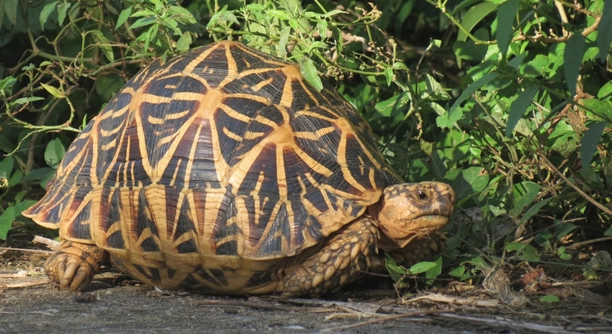
Indian Star Tortoises are known for their beautiful, star-like patterns on their shells. Breeding these tortoises requires careful attention to their needs and habits to ensure healthy offspring. This guide highlights key facts about their breeding process.
Indian Star Tortoise breeding requires a controlled environment with proper temperature, humidity, and diet. Both male and female tortoises need adequate space and conditions for successful mating, along with a balanced diet to support reproduction.
There are several important aspects of breeding that will help ensure success. From habitat setup to the correct feeding practices, learning these factors can make a significant difference in the outcome of your breeding efforts.
The Right Environment for Indian Star Tortoise Breeding
To breed Indian Star Tortoises successfully, you need to create the right environment. They prefer warm temperatures and a dry climate. The ideal temperature range for their habitat should be between 80°F and 90°F (27°C – 32°C). At night, it’s best to lower the temperature slightly to around 70°F (21°C). A basking spot should be provided where they can warm up, but they also need shaded areas to cool down.
Humidity is also essential. It should remain between 50% and 60%, but keep the habitat well-ventilated to avoid excess moisture. Use a large enclosure with plenty of space for them to roam. Natural lighting and a clean substrate like coconut coir will make the environment more comfortable for your tortoises. Setting up these conditions helps the tortoises thrive, making it more likely they will breed successfully.
Proper humidity and temperature will also support the health of the eggs once they are laid. Too much or too little moisture can negatively impact the eggs, making proper setup crucial for success.
Mating Behavior and Reproduction
Indian Star Tortoises are ready to mate at around 5 to 7 years of age. Once they are mature, you’ll likely observe males becoming more aggressive in their pursuit of females. They often display a behavior where they chase and nudge the female to get her attention. Males can be quite vocal, using grunting or hissing sounds during mating.
After successful mating, the female tortoise will lay her eggs in a carefully selected spot within her enclosure. She will dig a nest and deposit her eggs, typically laying between 3 to 5 eggs at a time. The nesting site should be undisturbed and kept at the correct temperature and humidity levels. It’s essential that the eggs are handled with care after being laid to ensure proper development.
During this time, the female may require extra care to ensure she remains healthy, as laying eggs can be taxing on her body. Proper nutrition, hydration, and a clean habitat will help her recover. Keep the environment as stress-free as possible for both the male and female to maximize breeding success.
Incubation Conditions for Indian Star Tortoise Eggs
Once the female has laid her eggs, the next crucial step is providing the right incubation conditions. The eggs should be placed in an incubator with a stable temperature of 85°F (29°C). Any significant fluctuation can cause developmental issues.
Maintaining the correct humidity level is also important. A range of 75% to 80% relative humidity will support the healthy development of the eggs. Incubation typically lasts between 60 to 90 days, depending on the temperature. The eggs should not be turned unless necessary to avoid disrupting the embryo’s development. It’s also a good idea to check them regularly for any signs of mold or damage.
Proper ventilation is essential for preventing excess moisture buildup in the incubator. Adequate airflow ensures that oxygen reaches the developing embryos, allowing them to grow without suffocating. Be patient and allow the eggs to incubate without interference. Healthy hatchlings will eventually emerge, ready to take on their new environment.
Caring for Newly Hatched Indian Star Tortoises
Once the hatchlings emerge, they’ll need a safe and warm environment to grow in. The first few weeks are critical for their development, so ensure the temperature stays within the 80°F to 85°F (27°C – 29°C) range. They’ll need a shallow water dish and fresh food for hydration.
After hatching, they are quite delicate and will require extra care. Set up their enclosure with soft, non-toxic substrates that they can walk on comfortably. Provide proper lighting to help them absorb calcium, which is vital for shell growth. A balanced diet consisting of leafy greens, flowers, and a variety of fruits should be introduced. Be sure to avoid overfeeding them, as this can lead to obesity and other health issues.
Monitor the hatchlings closely during their first few months. If they are active, eating well, and developing normally, you are on the right track. Keeping a stress-free, clean environment is key to ensuring their growth into healthy adults.
Diet and Nutrition for Breeding Indian Star Tortoises
A proper diet is essential for healthy breeding. Both male and female tortoises should receive a varied diet rich in calcium and vitamins to support their reproductive health. Include leafy greens, flowers, and some fruits for balanced nutrition.
Providing a calcium supplement is especially important for female tortoises, as it helps with egg production and shell strength. Male tortoises also benefit from a well-rounded diet, but you should avoid high-protein foods, as they can lead to health problems. Fresh water should always be available, and it’s important to avoid overfeeding to prevent obesity.
Temperature and Lighting for Breeding
Temperature and lighting are fundamental for successful breeding. Make sure the habitat has a consistent temperature range, with a basking area reaching up to 90°F (32°C). A UVB light source is crucial for their overall health and calcium absorption.
UVB light helps maintain their vitamin D3 levels, which supports calcium metabolism and shell growth. Without proper lighting, tortoises may develop metabolic bone disease. Providing both natural and artificial light sources will allow them to regulate their activity and help stimulate mating behaviors. Ensure a good balance between light and dark cycles for optimal results.
Common Breeding Issues
Even with careful planning, breeding may not always go as expected. Some tortoises may struggle to mate due to environmental stress, poor nutrition, or illness. Additionally, eggs may not hatch if temperature or humidity conditions fluctuate too much.
If you find that mating isn’t happening, try adjusting the temperature or increasing the space. Make sure both the male and female are healthy and receiving the right nutrition. Patience is important, as some tortoises take longer to breed.
FAQ
How long does it take for Indian Star Tortoise eggs to hatch?
It generally takes between 60 to 90 days for Indian Star Tortoise eggs to hatch, depending on the temperature and humidity levels. Higher temperatures can speed up the process, while cooler conditions can slow it down. It’s essential to maintain consistent conditions throughout the incubation period to ensure the best chance of hatching.
What temperature should the incubator be set at for Indian Star Tortoise eggs?
The ideal temperature for incubating Indian Star Tortoise eggs is around 85°F (29°C). A slight variation can be acceptable, but drastic changes in temperature can harm the eggs. It’s also essential to keep the incubator away from direct sunlight or areas with fluctuating temperatures.
Can I breed Indian Star Tortoises without an incubator?
While it is possible to breed Indian Star Tortoises without an incubator, using one ensures that the eggs are kept at a consistent temperature and humidity level, increasing the chances of successful hatching. If an incubator isn’t available, you’ll need to carefully control the environment in the nesting area to mimic the conditions of an incubator.
What should I do if my Indian Star Tortoise eggs don’t hatch?
If your eggs don’t hatch, first check the temperature and humidity levels in the incubator. Eggs may fail to hatch if the conditions weren’t ideal. You should also inspect the eggs for signs of mold or damage. In some cases, gently candling the eggs can show whether the embryos were developing before stopping. If no embryos were present, the eggs may have been infertile.
How can I tell if my Indian Star Tortoise eggs are fertile?
The best way to check if the eggs are fertile is by candling them. This involves shining a light through the egg to see if there is any development inside. Fertile eggs will show signs of an embryo forming, usually as a dark spot with veins. Infertile eggs will remain translucent or have an even color.
When is the best time to breed Indian Star Tortoises?
Indian Star Tortoises typically breed during the warmer months when the temperatures are naturally higher. In their natural habitat, they breed in the spring or early summer. If you’re breeding them in captivity, ensure that your setup mimics these seasonal changes to encourage mating.
Do Indian Star Tortoises need a mate to breed?
Yes, Indian Star Tortoises require both a male and a female to reproduce. Male tortoises can become quite persistent when searching for a mate, and they will typically chase the female to initiate mating. Without both sexes, breeding won’t occur.
How often can Indian Star Tortoises breed?
Indian Star Tortoises can breed annually, but it’s important to ensure that both the male and female are healthy and well-nourished. Overbreeding can lead to stress or health problems for the tortoises. Always ensure the female has enough time to recover before attempting to breed again.
Can I handle Indian Star Tortoise eggs?
It’s best to avoid handling the eggs too much to prevent damaging them. If you must move them, do so carefully and with clean hands. It’s also important not to rotate the eggs, as doing so can interfere with the embryo’s development. Only move them if necessary and always ensure they remain in optimal conditions.
What do I do if the baby tortoises are not eating?
If the hatchlings aren’t eating, check their environment. Make sure they have access to clean water and that the temperature is within the ideal range. Sometimes, baby tortoises may not eat right away after hatching due to stress, so give them a little time. If they still aren’t eating after a few days, consider consulting a vet to rule out any health issues.
Are Indian Star Tortoises social during the breeding season?
Indian Star Tortoises are generally solitary creatures, but they may show increased interaction during the breeding season. Males become more active, seeking out females for mating, and sometimes displaying territorial behaviors. However, outside of breeding, they tend to prefer being alone and may not show much interest in socializing.
Do I need to provide special care for female Indian Star Tortoises during breeding?
Female tortoises may need extra care during breeding, especially as they prepare to lay eggs. Ensure that the female is well-fed and hydrated, as egg production can be draining on her. You should also provide her with a safe, quiet place to lay eggs. After egg-laying, continue to monitor her health and ensure she has a balanced diet for recovery.
Can I breed Indian Star Tortoises in a small enclosure?
It is not recommended to breed Indian Star Tortoises in a small enclosure. They require a large space to move around, which helps them maintain proper health and encourages mating behaviors. Providing plenty of space also ensures that the tortoises don’t feel stressed, which can negatively affect their breeding.
How can I keep my Indian Star Tortoises healthy during breeding?
Maintaining a healthy environment is essential for breeding. This includes keeping the temperature and humidity levels stable, providing a varied and nutritious diet, and ensuring the tortoises have access to clean water. Regular checks for any signs of illness or stress will also help keep them in good health during the breeding season.
What are the signs that my Indian Star Tortoises are ready to breed?
Male tortoises may begin showing increased activity, such as chasing females and making vocalizations. Females may become more receptive to the males, allowing them to approach. You may also notice changes in their behavior, such as increased digging or seeking out specific spots for nesting. If both tortoises are healthy, these signs typically indicate that they are ready to breed.
Final Thoughts
Breeding Indian Star Tortoises can be a rewarding experience, but it requires careful attention to detail. These tortoises are sensitive creatures, and creating the right environment for them to thrive is essential. From maintaining the correct temperature and humidity levels to providing a proper diet, every aspect of their care plays a role in successful breeding. By understanding their needs and monitoring the process closely, you can increase the chances of a healthy outcome for both the parents and their hatchlings.
Patience is key when breeding Indian Star Tortoises. The process from mating to hatching can take several months, and there are many factors that could affect the results. Even with ideal conditions, there is always the chance that some eggs might not hatch or that the tortoises may not breed as expected. However, don’t be discouraged. Every breeding experience teaches you something new and helps you become more skilled at meeting their needs. Keeping a calm and consistent approach will benefit both you and your tortoises in the long run.
In the end, the most important thing is to ensure that the tortoises are healthy and well cared for throughout the entire breeding process. Whether you’re just starting or have bred tortoises before, focusing on their well-being will always be the foundation of success. With time, dedication, and the right care, your Indian Star Tortoises can thrive, and you can enjoy watching their offspring grow into strong, healthy adults.

Hello,
If you enjoy the content that we create, please consider saying a "Thank You!" by leaving a tip.
Every little bit helps us continue crafting quality advice that supports the health, happiness, and well-being of pets around the world, for pets of all shapes, sizes, and species.
We really appreciate the kindness and support that you show us!