
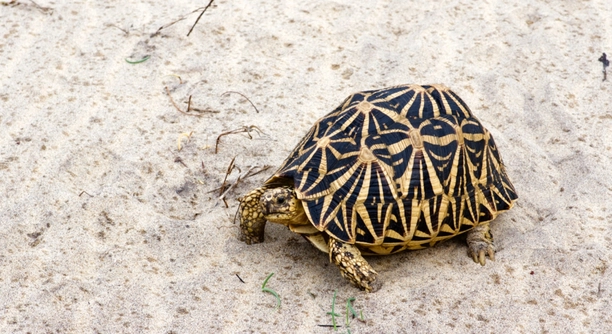
Ensuring your Indian Star Tortoise has a comfortable basking spot is key to its well-being. The right setup helps with digestion, energy, and overall health. A proper basking area is essential for its growth and happiness.
To improve your Indian Star Tortoise’s basking spot, ensure the area is warm, dry, and well-lit. Proper lighting and temperature regulation will encourage natural basking behaviors and provide essential UVB rays for their health and growth.
By making small adjustments to the basking spot, you can enhance your tortoise’s habitat and support its natural needs.
Choose the Right Location for the Basking Spot
Finding the best place for your tortoise’s basking area is important. Ideally, you should place it in a spot where it can receive direct sunlight for several hours a day. If you’re using artificial lighting, make sure the heat lamp is positioned correctly to mimic natural conditions. The spot should be away from drafts, as cold temperatures can cause stress and health issues. A warm, stable environment is essential for your tortoise to thrive. You can also use a thermometer to monitor the temperature in the basking area, ensuring it stays in the proper range.
Heat and light are critical for your tortoise’s activity and digestion. Avoid placing the basking area in locations with too much humidity, as this can create mold and fungus issues.
Check the light intensity and adjust it based on how your tortoise reacts to the warmth. If the spot doesn’t feel warm enough, it could cause your tortoise to feel sluggish or weak. It’s vital to strike the right balance between heat and rest periods for the best results.
Consider the Proper Lighting Setup
Lighting isn’t just about warmth; it also provides necessary UVB rays. A proper UVB light will help your tortoise absorb calcium, which is vital for shell and bone health. Use a UVB bulb that is designed for reptiles. Make sure the bulb is positioned within 12 inches of the basking area to be effective.
Investing in high-quality UVB lighting is essential for long-term health. If your tortoise isn’t getting the correct amount of light, it could develop metabolic bone disease or other health issues.
To keep your tortoise’s shell and bones strong, it’s necessary to change the UVB bulb regularly. Over time, UVB bulbs lose their effectiveness, even if they still emit visible light. Replace the bulb every 6 to 12 months to ensure proper UVB exposure. A timer can help regulate the light cycle, simulating natural day and night patterns.
Maintain Consistent Temperature
A stable temperature is crucial for your tortoise’s health. Use a reliable thermometer to monitor both the basking spot and cooler areas of the enclosure. The basking spot should be between 90-95°F, while the cooler side should stay around 75-80°F. Avoid any drastic temperature changes.
Consider using a heat mat or ceramic heat emitter to maintain consistent warmth. These provide gentle heat without emitting light, ensuring a steady temperature, even at night.
You can also use thermostats to regulate the temperature automatically. This reduces the risk of overheating or chilling. Make sure that any heating element is secure and won’t cause burns. Tortoises thrive when their environment stays at the proper temperatures consistently. Keeping these ranges in mind will help avoid stress or health issues.
Keep the Basking Spot Dry
It’s important to keep the basking area dry. Moisture can encourage the growth of harmful bacteria and fungi. If your tortoise is soaking in a damp environment too often, it can lead to shell rot or respiratory infections. Use absorbent materials, like dry bedding or a reptile carpet, to keep the area dry.
The basking spot should never be too humid. While your tortoise might need some humidity in the enclosure, the area where it basks should always remain dry and comfortable. Overly damp conditions can be harmful to its health and disrupt natural basking behaviors.
To ensure dryness, avoid over-watering plants in the enclosure. You can also use a fan to help circulate air and reduce moisture buildup. A dry, comfortable basking spot will help your tortoise enjoy its time in the sun and stay healthy.
Use the Right Surface for the Basking Spot
Choose a surface that provides good heat absorption. Natural stones or tiles are great for basking spots because they absorb heat efficiently. Avoid using surfaces that reflect light, as they can cause uneven heating. It’s important that the surface stays warm, but not too hot.
A good surface will help maintain proper temperature regulation and keep your tortoise comfortable. Tile is an excellent option because it holds warmth well and is easy to clean. Avoid plastic or metal, as they may become too hot and cause burns to your tortoise.
Ensure Proper Ventilation
Adequate ventilation is necessary to maintain a healthy environment. Stale air can lead to the buildup of humidity or toxins. Proper airflow allows the basking area to stay fresh and dry, preventing any issues with mold or respiratory infections.
Ensure there are vents or air openings near the basking area to allow air circulation. This will help prevent excessive moisture buildup and maintain a balance between warmth and air exchange. Regularly check that vents are unobstructed and clean.
FAQ
How do I know if my tortoise’s basking spot is too hot?
If the basking spot gets too hot, your tortoise may try to move away from it, or it may appear lethargic, sluggish, or even open its mouth. You can check the temperature using a thermometer. The basking area should stay between 90-95°F. Anything above that could be harmful. Make sure you adjust your heat sources to maintain a safe, comfortable range.
Can I use a regular light bulb for my tortoise’s basking spot?
Regular light bulbs do not provide the necessary UVB rays or heat required for your tortoise. A reptile-specific basking bulb or a UVB lamp is crucial. The UVB light helps your tortoise synthesize vitamin D3 and absorb calcium, which is vital for its bone health. Use a heat lamp in combination with the UVB light to create a balanced basking spot.
How often should I change the UVB bulb?
UVB bulbs lose their effectiveness over time, even if they still emit visible light. Ideally, replace the UVB bulb every 6-12 months. To ensure your tortoise gets enough UVB exposure, check the bulb’s specifications and follow manufacturer guidelines. You can use a UV meter to measure the UVB output if you want to be sure.
Can I use a heat pad for the basking area?
A heat pad is a good option for providing warmth, but it shouldn’t be the primary source of heat. It’s best to use a heat pad along with a heat lamp to ensure your tortoise can move between warm and cooler areas. The heat pad will help maintain a consistent temperature on the ground, but you still need overhead heat and UVB light for full basking benefits.
What should I do if my tortoise isn’t basking enough?
If your tortoise isn’t basking, it could be due to improper temperature, lighting, or stress. First, check the temperature to make sure it’s within the recommended range. Also, make sure the basking area is properly lit with UVB light. If the environment is too cold or humid, your tortoise might avoid basking. Also, try to minimize any potential stressors in the environment.
How can I make my tortoise feel more comfortable in its basking spot?
To help your tortoise feel more comfortable, make sure the basking area has a mix of warmth and dryness. You can add some rocks or tiles to help with heat absorption, and ensure that the area is free from drafts. Creating a natural, safe space will encourage your tortoise to bask more.
Do I need to use a special substrate for the basking area?
While the substrate in the basking area doesn’t need to be special, it should be dry and able to hold heat. Natural materials like coconut coir, sand, or tiles work well. Avoid overly wet or soft substrates like moss, as they can create excess humidity and lead to problems with your tortoise’s health.
How long should my tortoise bask each day?
Tortoises typically need between 6-8 hours of basking time each day to properly digest food and get the UVB exposure they need. However, the amount of time they bask can vary depending on the temperature and their activity level. It’s important to let them bask at their own pace, but consistent access to the basking spot is necessary.
Can I place my tortoise’s basking area outside?
Yes, you can place your tortoise’s basking area outside if the weather is warm and sunny. Just make sure the spot is safe from predators, too hot, or too cold. It’s essential to monitor the environment closely and bring your tortoise inside if temperatures become too extreme.
Should I adjust the basking area for different seasons?
Yes, you may need to adjust the basking area depending on the seasons. During colder months, make sure the heat sources are adequate to maintain the proper temperature. In warmer months, you might be able to rely more on natural sunlight. Always monitor the temperature and lighting, especially if moving the basking area outdoors.
How do I clean the basking area?
Regularly clean the basking area to prevent the buildup of bacteria, fungi, or waste. Remove any debris daily, and disinfect surfaces with a reptile-safe cleaner every week. Be sure to clean rocks, tiles, or other materials that provide warmth for your tortoise. Keeping the area dry is key to preventing mold and other health issues.
Can I use a heat lamp overnight?
Heat lamps are generally not necessary overnight unless your tortoise requires nighttime heating due to low ambient temperatures. It’s usually best to allow your tortoise to have a day/night cycle to mimic natural conditions. If your enclosure gets too cold at night, consider using a ceramic heat emitter or under-tank heating to maintain a stable temperature.
How do I know if my tortoise is getting enough UVB light?
If your tortoise has a healthy shell, is eating well, and appears active, it’s likely getting enough UVB light. However, if you notice signs like weak or soft shell, lethargy, or lack of appetite, it could be a sign of insufficient UVB exposure. To ensure your tortoise is getting adequate UVB, invest in a good quality UVB light and replace it regularly.
Final Thoughts
Creating the right basking spot for your Indian Star Tortoise is crucial for its overall health and well-being. When setting up the basking area, focus on maintaining a proper temperature, providing consistent UVB light, and ensuring the environment is dry. A stable basking spot will help your tortoise regulate its body temperature and aid in digestion, which is essential for its growth. Monitoring the temperature and light closely will also help prevent any health issues that could arise from an inadequate setup. By paying attention to these factors, you ensure that your tortoise can enjoy a safe and comfortable basking spot every day.
The materials you use in the basking area can make a big difference. Natural rocks or tiles are great choices because they absorb heat well and provide a dry surface for your tortoise to bask on. Avoid materials that retain moisture or become too hot, as this can harm your tortoise’s health. Be mindful of the humidity level in the enclosure as well. Keeping the basking spot dry and comfortable will encourage your tortoise to bask more, which is key to its overall happiness. A dry and stable basking area also reduces the risk of infections or shell rot.
Finally, remember that every tortoise is different, and you may need to adjust the basking setup as you observe your pet’s behavior. If you notice your tortoise avoiding the basking spot, it could be a sign of temperature issues or stress. Regularly check the temperature, lighting, and general condition of the basking area to ensure your tortoise remains comfortable. By following these steps and maintaining a consistent environment, you can create a space that supports the health and vitality of your Indian Star Tortoise.

Hello,
If you enjoy the content that we create, please consider saying a "Thank You!" by leaving a tip.
Every little bit helps us continue crafting quality advice that supports the health, happiness, and well-being of pets around the world, for pets of all shapes, sizes, and species.
We really appreciate the kindness and support that you show us!