
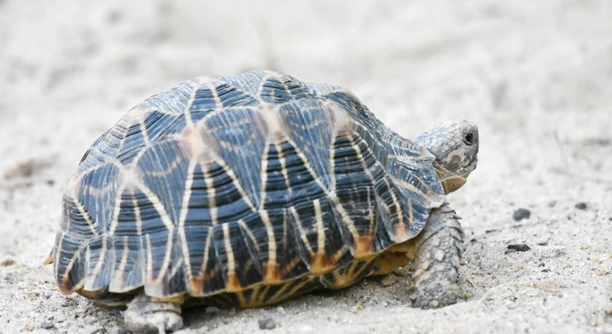
Maintaining a balanced diet for your Indian Star Tortoise is key to ensuring its long-term health and happiness. The right foods can help promote proper growth and prevent common health issues.
To maintain a balanced diet for your Indian Star Tortoise, it is essential to provide a variety of fresh, nutritious foods. Their diet should mainly consist of leafy greens, grasses, and occasional fruits. This will support proper digestion, shell health, and overall vitality.
A well-balanced diet can improve your tortoise’s quality of life. In the next sections, we’ll explore the best food choices to include in their meals.
Key Foods for an Indian Star Tortoise Diet
A healthy diet for an Indian Star Tortoise starts with leafy greens. These tortoises thrive on grasses, dandelion greens, and other leafy vegetables. Dark leafy greens such as collard greens, kale, and mustard greens should be a staple of their diet. Offering these regularly helps provide essential vitamins and minerals needed for bone health and shell development.
Alongside leafy greens, grasses like timothy hay can also be included. This offers fiber and assists with digestion. You can mix a variety of greens and grasses to keep meals interesting while ensuring nutritional balance.
Avoid feeding your tortoise too many high-oxalate vegetables, such as spinach or beet greens, as they can interfere with calcium absorption. While fruits such as papaya and melon are okay as occasional treats, they shouldn’t make up the majority of their diet. Keep portions controlled to avoid overfeeding.
Vegetables and Herbs to Include
Some vegetables and herbs are beneficial in small amounts.
Basil, cilantro, and parsley can be excellent additions to your tortoise’s diet. These herbs are packed with nutrients and can add variety. Be sure to avoid giving too much parsley as it can be high in calcium. Other vegetables like squash and bell peppers are also great for occasional meals.
A balanced diet for an Indian Star Tortoise doesn’t stop at greens. Certain vegetables provide a broad spectrum of vitamins and minerals that support digestion and shell growth. Squash, zucchini, and carrots are easy to prepare and can be fed in moderation. Just remember to chop them into smaller pieces to make it easier for your tortoise to eat.
These vegetables are not only tasty but packed with antioxidants, fiber, and essential vitamins. They support strong immune health and promote growth without overwhelming their system.
Safe Fruits for Your Tortoise
Fruits can be a delightful treat for your tortoise but should be offered in moderation. Watermelon, papaya, and cantaloupe are great options that are not only hydrating but also packed with vitamins.
While fruits are tasty, they’re often high in sugar and should never be the main part of the diet. Offering fruits once or twice a week is sufficient. Make sure to remove seeds and pits, as they can be harmful. It’s best to offer small, bite-sized portions to prevent your tortoise from overeating. Overfeeding fruits can lead to weight gain and upset digestion.
Moderation is key when feeding fruits. They should complement a diet of greens and vegetables. Offering too much fruit can disrupt your tortoise’s balance and lead to potential health issues, including shell deformities. Stick to a few safe fruit options, ensuring your tortoise gets a good mix of nutrients.
The Importance of Fiber in Their Diet
Fiber is essential for the digestive health of your Indian Star Tortoise.
Timothy hay is a fantastic source of fiber and should be included in their diet regularly. The fiber in hay helps promote proper digestion and keeps their intestines healthy. It’s also great for keeping their teeth worn down naturally.
Offering hay alongside leafy greens can create a more balanced, fiber-rich diet. Fiber helps prevent issues like constipation and supports the natural functioning of their digestive system. Be sure to provide enough hay to keep their digestive track in good shape. Regularly monitoring their digestion is key to maintaining overall health.
Avoiding High-Protein Foods
High-protein foods should be limited in your tortoise’s diet. Too much protein can cause kidney problems and other health issues. Stick to foods that are low in protein, like grasses and leafy greens, rather than protein-heavy options such as beans or certain animal-based foods.
Feeding excessive protein can result in an imbalance that leads to improper growth or shell deformities. It’s important to offer a diet that’s primarily plant-based and low in protein. Ensuring your tortoise gets the right amount of nutrients is key to keeping them healthy for the long term.
Supplements to Consider
In some cases, supplements can help round out a tortoise’s diet. Calcium and vitamin D3 are commonly needed, especially if your tortoise doesn’t get enough sunlight.
Calcium is crucial for strong bones and shells, so dusting food with a calcium supplement a few times a week is beneficial. Similarly, vitamin D3 helps with calcium absorption, especially when natural sunlight is limited. Make sure to follow recommended dosages to avoid over-supplementing.
FAQ
What should I feed my Indian Star Tortoise daily?
A daily diet for your Indian Star Tortoise should include a mix of leafy greens, grasses, and small amounts of vegetables. Good options include dandelion greens, kale, collard greens, and timothy hay. You can also offer occasional vegetables like squash, carrots, and bell peppers. These foods provide essential nutrients for their growth and shell health.
Can Indian Star Tortoises eat fruit every day?
Fruits should only be fed in moderation, about once or twice a week. While fruits like papaya, melon, and watermelon are safe, they are high in sugar and should not be the focus of their diet. Overfeeding fruit can lead to weight gain and digestive problems.
Is it okay to feed my tortoise spinach or lettuce?
Spinach should be limited due to its high oxalate content, which can interfere with calcium absorption. Lettuce, particularly iceberg lettuce, offers little nutritional value and should be avoided. Stick to more nutritious leafy greens like kale or collard greens to provide essential vitamins and minerals.
How often should I give my tortoise hay?
Hay should be available at all times. It provides essential fiber that supports digestion and helps keep your tortoise’s intestines healthy. Make sure to offer a good amount of grass hay, like timothy hay, daily to ensure they get enough fiber in their diet.
Can I feed my tortoise wild plants from my garden?
Some wild plants are safe, but it’s important to know which ones are safe and which ones are harmful. Avoid plants that may have been exposed to pesticides, herbicides, or fertilizers. Stick to safe, known plants like dandelion greens, clover, and plantain, but always research before feeding.
How do I know if my tortoise is overweight?
Signs of an overweight tortoise include a round or swollen body, difficulty moving, or a shell that appears to be spreading or growing unevenly. It’s important to monitor their food intake and ensure they are getting the right balance of nutrients. If in doubt, consult with a vet.
What vegetables should I avoid feeding my tortoise?
Avoid feeding your tortoise vegetables like spinach, rhubarb, and avocado. These can cause health problems such as kidney issues or upset digestion. Stay with safe vegetables like squash, zucchini, bell peppers, and carrots, but always offer them in moderation to avoid any imbalances.
How much should I feed my Indian Star Tortoise?
Feeding amounts depend on the age and size of your tortoise. For an adult, offer a meal of leafy greens and grasses about the size of their shell daily. Young tortoises may require more frequent feedings with smaller portions. Monitor their weight and adjust portions accordingly to prevent overfeeding.
Do Indian Star Tortoises need vitamins and minerals?
While most nutrients should come from a balanced diet of greens, grasses, and vegetables, some tortoises may require additional vitamins and minerals. Calcium and vitamin D3 supplements can be useful, especially if your tortoise doesn’t get enough sunlight. Always consult with a vet to determine if supplementation is necessary.
Can I feed my tortoise commercial food?
Commercial foods, like pellets, can be used occasionally, but they should not be the main part of your tortoise’s diet. These products may lack the full range of nutrients they need. Fresh, whole foods are always the best option. If you do use pellets, choose high-quality brands with minimal additives.
Final Thoughts
Maintaining a balanced diet for your Indian Star Tortoise is essential to ensure its health and longevity. A varied diet that includes leafy greens, grasses, and occasional vegetables and fruits is key to providing the necessary nutrients for growth, shell health, and overall well-being. By offering a mix of these foods, you can help prevent common health issues and support proper digestion. It’s important to remember that tortoises are herbivores, so their diet should be primarily plant-based, with minimal animal products or high-protein foods.
Overfeeding fruits, vegetables with high oxalate levels, or protein can lead to health problems such as kidney issues or shell deformities. Maintaining moderation is crucial when offering treats or supplemental foods like fruits and high-oxalate vegetables. If you’re ever unsure about what foods to offer or how much to feed, it’s always best to consult with a veterinarian familiar with reptiles. They can provide guidance on the specific dietary needs of your tortoise based on its age, size, and health.
Incorporating fiber-rich foods such as hay and ensuring calcium intake will also promote strong bones and digestive health. While it’s important to provide variety, a stable and consistent diet of fresh greens and proper supplements will give your tortoise the best chance to thrive. Regularly monitoring your tortoise’s weight and behavior will help you ensure it is receiving the right nutrients and living a healthy, happy life.

Hello,
If you enjoy the content that we create, please consider saying a "Thank You!" by leaving a tip.
Every little bit helps us continue crafting quality advice that supports the health, happiness, and well-being of pets around the world, for pets of all shapes, sizes, and species.
We really appreciate the kindness and support that you show us!