
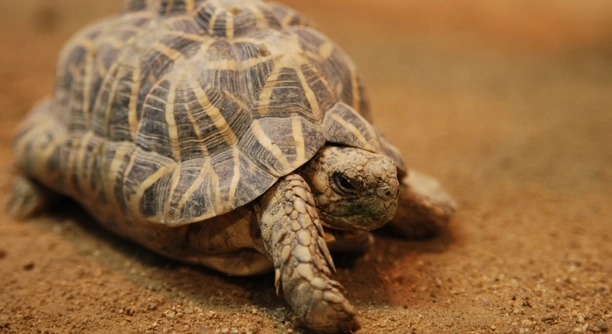
Are you considering adding an Indian Star Tortoise to your home? These fascinating reptiles make great pets, but there are a few things you should know before taking the plunge.
Indian Star Tortoises are delicate creatures that require special care, a controlled environment, and a proper diet to thrive. They need warm temperatures, UVB light, and a spacious enclosure. Ensuring these needs will promote their long-term health and well-being.
Knowing the right conditions to provide is essential in keeping your Indian Star Tortoise happy and healthy.
Proper Habitat for Your Indian Star Tortoise
Creating the right habitat is key to the health of your Indian Star Tortoise. They need a spacious enclosure with both dry and humid areas, a proper heat source, and access to UVB lighting. A basking spot should be provided for them to warm up, as they rely on heat to regulate their body temperature. The enclosure should be large enough to allow them to roam, as these tortoises are naturally active. Ideal temperatures should range between 80°F to 90°F during the day, with a cooler area around 70°F for nighttime. You can use a heat lamp to maintain the necessary warmth. UVB lighting is vital for calcium absorption and shell health. Without it, they can develop serious health issues. You can also add some soft soil and natural plants to mimic their natural environment.
A tortoise that doesn’t get proper lighting can develop metabolic bone disease, leading to shell deformities. A good lighting setup is non-negotiable for a healthy pet.
Regularly clean the habitat to prevent mold growth and remove any uneaten food. It’s also important to monitor humidity levels to avoid dry skin or respiratory problems. Consider adding a shallow water dish to encourage hydration.
Feeding Your Indian Star Tortoise
Feeding your Indian Star Tortoise can be simple, but you need to ensure you’re offering the right foods. They primarily eat grasses, leafy greens, and flowers. Avoid feeding them too much fruit, as it can lead to digestive issues. The best greens for them include dandelion leaves, clover, and hibiscus flowers. Offering a variety of plant-based foods helps meet their nutritional needs. Calcium and fiber are crucial to prevent health issues like shell deformities and digestive problems.
Feed them once or twice a day, making sure the food is fresh and clean. Also, provide a calcium supplement to ensure strong bones and a healthy shell.
Your tortoise’s diet should be well-rounded and varied, including items like collard greens, mustard greens, and endive. Offering a variety of foods mimics their natural foraging behavior, which is essential for their well-being. Additionally, avoid iceberg lettuce and other low-nutrient foods, as they don’t offer much nutritional value. Keep their feeding area clean to prevent bacterial growth that could harm them.
Temperature and Humidity Control
Maintaining the correct temperature and humidity is essential. You should aim for a daytime temperature of 80°F to 90°F, with a nighttime drop to 70°F. The humidity level should be between 50% and 70%. A thermometer and hygrometer will help you monitor these levels accurately.
To achieve these conditions, use heat lamps, ceramic heaters, and a humidity system. Ensure the basking area is the warmest, as your tortoise needs to regulate its body temperature. Mist the enclosure lightly to increase humidity. If the humidity is too low, your tortoise could suffer from dehydration or respiratory problems. Excess moisture can lead to mold, so it’s essential to strike a balance. Check humidity levels regularly and adjust the misting accordingly.
Without proper heat and humidity, your tortoise can become stressed, which affects its health. If you live in a dry climate, you may need to invest in a humidifier for better control. Overheating is also a risk, so be cautious of the temperature spikes.
Health Risks to Watch For
Indian Star Tortoises can suffer from several health problems if their care isn’t consistent. Metabolic bone disease (MBD) is common in tortoises that lack UVB light, which affects their calcium absorption. A poor diet and inadequate lighting can lead to weakened bones and shell deformities. Respiratory infections are also a concern, especially if the habitat is too cold or damp.
You should always be on the lookout for signs of sickness. If your tortoise is sluggish, not eating, or has nasal discharge, it could indicate a respiratory infection or vitamin deficiency. Dehydration can cause soft, wrinkled skin, so make sure your tortoise has access to clean water at all times. Additionally, if your tortoise’s shell appears soft or deformed, it’s a sign they need more calcium.
You must also consider your tortoise’s mental health. Stress from improper care, too much handling, or insufficient space can lead to behavioral issues like lack of appetite or aggression. Regularly check for signs of stress and adjust the environment accordingly to keep them happy and healthy.
Handling Your Indian Star Tortoise
Handling should be done with care. Avoid overhandling, as it can cause stress. When you do interact with your tortoise, keep it brief and gentle to avoid harming its fragile shell and body.
Always support the tortoise’s body properly. Hold it gently but firmly by its sides, avoiding sudden movements. This prevents injury and helps your tortoise feel secure. Allow your pet to explore its environment on its own, as they are naturally curious. Be sure to wash your hands before and after handling to avoid transferring harmful bacteria.
Common Behavioral Issues
Tortoises are generally calm, but they can show signs of stress or aggression if their environment is not ideal. An improper habitat or diet can lead to them becoming lethargic or losing interest in food. Additionally, your tortoise might hide more often if it feels insecure.
Stress can also result from overcrowding. If you have multiple tortoises, make sure they each have enough space. If aggression or territorial behavior occurs, it might be a sign that they need more room. A calm, spacious environment can encourage a more peaceful tortoise.
Bathing and Hydration
Bathing your tortoise is an important part of its care routine. It helps with hydration and cleaning, and it can aid in digestion. Fill a shallow dish with lukewarm water, and allow your tortoise to soak for 15-20 minutes. This should be done at least once a week.
Always supervise the bath to ensure the tortoise doesn’t try to escape or get too cold. After the soak, gently dry your tortoise with a soft towel before returning it to its habitat. Make sure clean, fresh water is always available for your tortoise to drink.
FAQ
How long do Indian Star Tortoises live?
Indian Star Tortoises can live for 40 to 50 years if properly cared for. Some even live longer with ideal conditions. It’s important to be prepared for a long-term commitment before bringing one into your home. With the right diet, lighting, and care, these tortoises can thrive for many decades.
What size enclosure do I need for an Indian Star Tortoise?
An adult Indian Star Tortoise needs an enclosure that’s at least 4 feet long by 2 feet wide. For hatchlings, you can use a smaller enclosure, but it should be roomy enough for them to explore. They are active creatures and need space to roam. A larger habitat will provide better mental and physical stimulation.
Can Indian Star Tortoises live outside?
Yes, Indian Star Tortoises can live outdoors, but only in climates that are warm year-round. They need temperatures between 80°F to 90°F during the day and a cooler night temperature around 70°F. If you live in a colder climate, you should keep them indoors. Outdoor enclosures should be secure to protect from predators and escape.
Do Indian Star Tortoises need a heat lamp?
Yes, a heat lamp is essential for maintaining the proper temperature range in their enclosure. The basking area should be warmer, around 90°F, while the rest of the enclosure should stay around 80°F during the day. The heat lamp should be turned off at night when the tortoise can cool down.
What should I feed my Indian Star Tortoise?
Indian Star Tortoises are herbivores and thrive on a diet of leafy greens, grasses, and flowers. You can offer dandelion leaves, hibiscus flowers, clover, and other edible plants. Avoid feeding them fruits often, as too much sugar can lead to digestive issues. Make sure their food is fresh and pesticide-free.
How often should I feed my Indian Star Tortoise?
You should feed your tortoise once or twice a day, depending on its age and size. Juveniles need more frequent feedings to support their growth, while adults can be fed once daily. Ensure that their food is clean and fresh, and always provide water during feeding.
What temperature should I keep my tortoise’s enclosure?
Daytime temperatures should range between 80°F to 90°F. At night, it can drop to around 70°F. These tortoises need a consistent environment, so use a thermometer to monitor the temperature in both the basking and cooler areas. Make sure the temperature doesn’t fluctuate too much.
How can I tell if my Indian Star Tortoise is sick?
If your tortoise becomes lethargic, stops eating, or shows signs of nasal discharge or wheezing, it may be ill. Shell deformities, soft shells, or changes in behavior are also indicators of potential health problems. If you notice these signs, it’s best to consult a veterinarian experienced with reptiles as soon as possible.
Do Indian Star Tortoises need UVB light?
Yes, UVB light is crucial for Indian Star Tortoises as it helps them absorb calcium, which is essential for shell and bone health. Without proper UVB exposure, they can develop metabolic bone disease. Make sure the UVB light is in place for 10-12 hours a day, and replace the bulb every six months.
Can I keep more than one Indian Star Tortoise together?
While it’s possible to keep multiple Indian Star Tortoises together, you need to ensure they have enough space. Tortoises are territorial, and too many in a confined space can lead to aggression. If you do have more than one, make sure each tortoise has its own space, food, and basking areas.
Do Indian Star Tortoises need supplements?
Yes, providing calcium and vitamin D3 supplements is recommended to support healthy bone and shell growth. Calcium is essential for preventing metabolic bone disease, while vitamin D3 helps with calcium absorption, especially when your tortoise is not exposed to enough natural sunlight or UVB lighting.
Can I bathe my Indian Star Tortoise?
Yes, bathing your tortoise is beneficial. It helps keep them hydrated, aids in digestion, and allows for cleaning. Fill a shallow dish with warm water and let them soak for 15 to 20 minutes. Gently dry them afterward with a soft towel. Make sure the water is not too deep, as they should not be submerged fully.
How often should I clean my Indian Star Tortoise’s enclosure?
You should clean your tortoise’s enclosure at least once a week, removing any waste and uneaten food. The substrate should be replaced regularly, and the enclosure itself should be disinfected every few weeks to prevent the growth of harmful bacteria or mold. Always keep the water dish clean and filled with fresh water.
What is the best substrate for an Indian Star Tortoise?
A good substrate for your Indian Star Tortoise is one that can retain some moisture but also dry out easily. Options like coconut coir, organic soil, or cypress mulch work well. Avoid using sand or gravel, as they can cause impaction if ingested.
Can I let my Indian Star Tortoise roam the house?
While tortoises can roam around, it’s not always ideal to let them wander freely in your home. They may come into contact with harmful chemicals or sharp objects. If you choose to let them explore, supervise them closely and create a safe, enclosed area.
Taking care of an Indian Star Tortoise requires a long-term commitment. They live for many years, so it’s important to be prepared for their needs throughout their life. Ensuring they have the right habitat, temperature, and lighting is essential for their health. A balanced diet, proper humidity, and adequate space are all factors that will help your tortoise thrive. It’s a good idea to regularly check their health and make adjustments to their environment as needed. With the right care, these tortoises can live for decades, bringing joy to their owners along the way.
One of the biggest challenges when owning an Indian Star Tortoise is providing the right environment. They need warmth, UVB light, and humidity control, which can sometimes require additional equipment, such as heat lamps and humidity monitors. Their habitat should be large enough for them to move around, and it should offer both a basking spot and a cooler area for them to regulate their body temperature. While it might seem like a lot of work at first, creating the perfect home for your tortoise is rewarding and ensures they stay healthy.
Lastly, understanding their behavior is key to creating a lasting bond with your Indian Star Tortoise. They are shy creatures, so avoid excessive handling. They can be curious but prefer to explore their surroundings at their own pace. It’s important to respect their space and allow them to be comfortable in their environment. Keeping your tortoise’s enclosure clean and ensuring they get the right nutrition will go a long way in promoting their well-being. By staying attentive and informed, you can provide a happy, healthy life for your Indian Star Tortoise.

Hello,
If you enjoy the content that we create, please consider saying a "Thank You!" by leaving a tip.
Every little bit helps us continue crafting quality advice that supports the health, happiness, and well-being of pets around the world, for pets of all shapes, sizes, and species.
We really appreciate the kindness and support that you show us!