
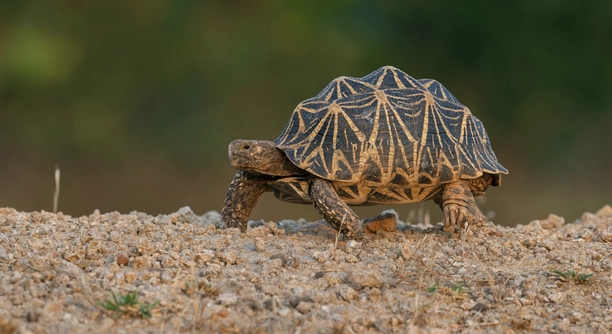
Do you ever find yourself wondering how to safely let your Indian star tortoise enjoy some time outdoors? Providing natural sunlight and fresh air is beneficial, but ensuring a secure and stress-free environment is essential for their well-being.
The safest way to provide outdoor time for your Indian star tortoise is by creating a secure, enclosed space with proper shade, protection from predators, and a temperature-controlled environment. Monitoring their activity and ensuring they cannot escape is also crucial.
Outdoor exposure plays a vital role in their health, but there are important factors to consider. From enclosure design to temperature management, understanding these elements will help you create the best outdoor experience for your tortoise.
Creating a Safe Outdoor Enclosure
A well-designed outdoor enclosure keeps your Indian star tortoise secure while allowing them to enjoy fresh air. It should have solid walls at least a foot high, extending underground to prevent burrowing escapes. A sturdy cover protects against predators like birds and stray animals. Shade is essential, as these tortoises can overheat quickly. Use plants, shelters, or shaded areas to keep them cool. The enclosure should be free from hazards like sharp objects or toxic plants. A soft, natural substrate like grass or soil helps prevent injuries. Always check for gaps or weak spots before placing your tortoise outside.
Regular supervision is necessary to ensure their safety. Even in a secure space, checking on them prevents accidents or overheating. Provide a shallow water dish for hydration, but avoid deep water that could cause drowning. Keeping the area clean reduces stress and maintains a healthy environment.
A secure outdoor setup allows your tortoise to explore safely. With proper planning, they can enjoy natural sunlight without the risk of harm. Taking these precautions ensures they remain comfortable and protected.
Monitoring Temperature and Sun Exposure
Indian star tortoises are sensitive to temperature changes and require a carefully controlled environment. Too much heat can cause dehydration, while cold weather may lead to health issues. A balance of sun and shade helps them regulate their body temperature.
Temperatures between 80-90°F are ideal for outdoor time. If it gets too hot, they should have shaded areas to cool down. Avoid placing them outside in extreme heat or cold. If temperatures drop below 70°F, bring them indoors to prevent stress or illness. Using a thermometer helps maintain safe conditions.
Extended sun exposure is beneficial for their health but should be monitored. UVB light from the sun supports shell growth and calcium absorption, preventing metabolic bone disease. However, prolonged direct sun can lead to overheating. Ensure they have shaded spots and access to fresh water. Adjust outdoor time based on the weather, and never leave them unattended in extreme conditions.
Protecting Against Predators
Outdoor time comes with risks, and predators are a major concern. Birds, dogs, and other animals can harm your tortoise if the enclosure isn’t secure. A strong wire mesh cover adds protection while still allowing sunlight and airflow. Always check for any openings where predators could enter.
Supervising your tortoise when they are outside helps prevent dangerous situations. Even if the enclosure is covered, predators may try to dig or reach through gaps. Placing the enclosure in a quiet area away from heavy foot traffic can reduce stress. Avoid leaving food around that might attract unwanted animals. A well-secured habitat ensures your tortoise stays safe while enjoying the outdoors.
Tortoises can become stressed if they sense a threat nearby. Signs of stress include hiding for long periods or refusing to eat. If you notice unusual behavior, bring them inside and reassess their outdoor space for potential risks.
Preventing Escapes
Tortoises are natural explorers and can squeeze through small gaps or dig under enclosures. Checking for weak spots in fencing or walls is important. A solid barrier at least a foot high, with part of it buried underground, prevents digging escapes. Smooth surfaces make it harder for them to climb out.
Regularly inspecting the enclosure for holes or gaps keeps your tortoise from wandering off. Placing obstacles near the edges, like rocks or plants, discourages climbing. If you notice your tortoise attempting to escape, observe their behavior to understand what might be causing restlessness. Sometimes, adding enrichment like safe plants or hiding spots can keep them engaged.
Tortoises rely on familiar surroundings and may become disoriented if they escape. Searching quickly and thoroughly increases the chances of finding them. Look under nearby objects, in shaded areas, and around fences. Keeping outdoor time supervised helps prevent them from getting lost.
Providing Proper Hydration
A shallow water dish should always be available in the enclosure. Tortoises need access to clean water to stay hydrated, especially in warm weather. The dish should be easy to enter and exit, preventing accidental drowning or difficulty reaching the water. Refresh the water daily to maintain cleanliness.
Soaking your tortoise in lukewarm water for about 15 minutes a few times a week helps with hydration. This is especially important during hot days or if they seem less active. Dehydration can lead to serious health problems, so monitoring their water intake is essential for their well-being.
Choosing Safe Outdoor Substrates
The right substrate provides comfort and safety while preventing injuries. Natural soil, grass, and cypress mulch are good options. Avoid rough surfaces like gravel or concrete, as they can damage the shell and feet. Loose soil allows for natural digging behavior, keeping your tortoise comfortable and engaged.
Avoiding Toxic Plants
Some plants can be harmful if eaten. Common toxic plants include azaleas, oleander, and ivy. Before placing plants in the enclosure, research their safety. Providing edible, non-toxic plants like hibiscus or dandelions gives your tortoise a natural and enriching outdoor experience without the risk of poisoning.
FAQ
How long can my Indian star tortoise stay outside?
Your tortoise can stay outside for a few hours as long as the temperature is between 80-90°F. If it gets too hot or cold, bring them inside. Always provide shade and fresh water to keep them comfortable. Supervision is recommended to prevent escapes or predator risks.
Can my tortoise stay outside overnight?
Leaving your tortoise outside overnight is not recommended. Temperatures can drop too low, which may cause stress or health problems. Predators are also more active at night, increasing the risk of danger. Bringing your tortoise inside ensures they stay safe and comfortable while resting.
Do Indian star tortoises need UVB light if they go outside?
Yes, but natural sunlight provides the best UVB exposure. If your tortoise spends time outside regularly, they will absorb enough UVB from the sun. If outdoor time is limited, an indoor UVB lamp is necessary to support their health and prevent metabolic bone disease.
What should I do if my tortoise starts overheating?
Move them to a shaded area immediately and offer fresh water. If they still seem stressed, soak them in lukewarm water for a few minutes. Signs of overheating include excessive panting, weakness, or trying to burrow. Avoid placing them outside in extreme heat.
Can my tortoise eat grass and plants from the yard?
Yes, but only if the plants are safe and free from pesticides. Some common plants, like hibiscus, dandelions, and clover, are safe for tortoises to eat. Avoid plants that are toxic, such as oleander, azaleas, or ivy, which can cause serious health issues.
What kind of enclosure is best for outdoor time?
A secure, enclosed area with solid walls and a mesh cover is ideal. The enclosure should have soft soil or grass, shaded areas, and a shallow water dish. Ensure there are no gaps where your tortoise could escape or where predators could enter.
Can my tortoise dig under the enclosure?
Yes, Indian star tortoises may dig, especially if they feel stressed or too hot. Burying part of the enclosure walls underground prevents escapes. Providing a proper substrate and shaded spots helps reduce digging behavior by keeping them comfortable.
How do I know if my tortoise is stressed outside?
Signs of stress include excessive hiding, lack of movement, or refusal to eat. If your tortoise seems uncomfortable, check for issues like extreme temperatures, unsafe plants, or predator activity. Adjusting their outdoor space can help them feel more secure and relaxed.
Is it safe for my tortoise to interact with other pets outside?
No, even well-behaved pets can unintentionally harm a tortoise. Dogs and cats may see them as toys, leading to injuries. Keeping your tortoise in a separate, secure enclosure prevents accidents and ensures they stay stress-free while outside.
How often should I clean the outdoor enclosure?
Remove leftover food and waste daily to keep the area clean. Deep clean the enclosure at least once a week by replacing dirty substrate and scrubbing water dishes. A clean environment reduces stress and prevents bacteria or parasites from affecting your tortoise’s health.
What if my tortoise tries to escape every time they go outside?
Check if their enclosure is too small or lacks hiding spots. A restless tortoise may feel unsafe or exposed. Adding plants, shaded areas, and hiding spots can make them feel more comfortable. If they still try to escape, supervise outdoor time closely to prevent them from wandering off.
Can my tortoise stay outside during the rainy season?
No, Indian star tortoises do not tolerate excessive moisture. Too much rain can cause respiratory infections and shell rot. If the weather is damp or rainy, keep them indoors in a warm, dry environment until conditions improve.
Do I need to provide additional heat sources for outdoor time?
Only if the temperature drops below 70°F. In cooler weather, a heat lamp or heated hide can help maintain a comfortable temperature. However, if it is too cold, it’s best to keep them indoors until conditions are more suitable.
Should I be worried about wild animals near the outdoor enclosure?
Yes, wild animals like raccoons, birds, or stray animals can be a threat. A secure, covered enclosure with sturdy walls prevents predators from reaching your tortoise. Regularly check for signs of digging or attempted entry to ensure the enclosure remains safe.
What’s the best way to make outdoor time enjoyable for my tortoise?
Providing a variety of safe plants, soft soil for digging, and shaded areas helps keep your tortoise happy. Changing up their environment with new hiding spots or edible plants can make their outdoor experience more engaging and enriching.
Final Thoughts
Providing safe outdoor time for your Indian star tortoise requires careful planning and attention to detail. A secure enclosure, proper temperature management, and protection from predators ensure they stay safe while enjoying fresh air and natural sunlight. Monitoring their behavior and making necessary adjustments helps create a stress-free environment. Regular supervision is key, as tortoises can be vulnerable to overheating, dehydration, or escape attempts. Taking small precautions, like checking for gaps in the enclosure and providing shaded areas, makes a big difference in their overall well-being. Outdoor time should always be a positive and safe experience for them.
Hydration, substrate choice, and plant safety also play an important role in outdoor care. A shallow water dish allows them to stay hydrated, while safe, natural substrates provide comfort and encourage natural behaviors. Avoiding toxic plants prevents health risks, and offering safe, edible greenery can enhance their outdoor experience. Every tortoise is different, so observing their habits helps in making adjustments that suit their needs. Some may enjoy digging, while others prefer hiding under shaded areas. Understanding what makes them feel comfortable helps in creating a safe and enjoyable outdoor space. Paying attention to their behavior ensures they get the most out of their time outside.
Providing outdoor time is beneficial, but indoor housing is still necessary for safety during extreme weather or nighttime. Indian star tortoises thrive when they have a balance of both indoor and outdoor care. Being mindful of environmental conditions, enclosure security, and hydration needs helps maintain their health and happiness. Regularly checking and improving their outdoor setup ensures long-term safety. Creating a safe and enriching space not only supports their well-being but also allows you to observe and enjoy their natural behaviors. Taking the right precautions helps your tortoise stay active, healthy, and comfortable in their outdoor environment.

Hello,
If you enjoy the content that we create, please consider saying a "Thank You!" by leaving a tip.
Every little bit helps us continue crafting quality advice that supports the health, happiness, and well-being of pets around the world, for pets of all shapes, sizes, and species.
We really appreciate the kindness and support that you show us!