
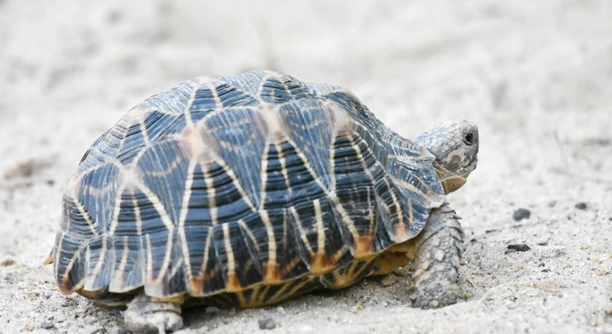
Taking care of an Indian Star Tortoise in a desert-like environment can be a challenge. Their natural habitat is different from a dry, hot climate. However, with proper attention, you can help them thrive in such conditions.
To ensure your Indian Star Tortoise thrives in desert-like conditions, you must focus on temperature control, hydration, diet, and shelter. Providing a proper heat source, regular access to water, a balanced diet, and a suitable hide can significantly improve their well-being.
Adapting to their unique needs in a desert climate will benefit both the tortoise and the owner. Continue reading to learn how you can create the perfect environment for them.
1. Create a Suitable Temperature Range
The temperature in a desert-like environment can be extreme, but it is essential to provide a balanced range for your Indian Star Tortoise. During the day, temperatures should range from 85°F to 90°F (29°C to 32°C) with a basking area that reaches 95°F (35°C). At night, the temperature can drop to around 70°F to 75°F (21°C to 24°C), simulating the natural cooling of the desert. A heat lamp or ceramic heater will ensure that your tortoise receives the warmth it needs during the day.
For the tortoise to regulate its body temperature properly, a thermal gradient should be maintained. This way, your tortoise can move between cooler and warmer areas as it needs. Monitor the temperature regularly using a thermometer and make adjustments as required to prevent any fluctuations that could stress the animal.
Setting up the right temperature conditions is one of the most critical aspects of creating a healthy environment for your tortoise. Ensuring proper temperature gradients will help keep them active and healthy.
2. Keep Hydration in Check
Hydration is another key factor for the well-being of your Indian Star Tortoise.
Tortoises in desert-like climates require access to fresh water daily. While they may not need to drink large amounts at once, having a shallow dish of water available is essential. A good practice is to provide a water dish that is large enough for the tortoise to soak in, which helps with both hydration and shell health. Keep the water clean and change it regularly to avoid bacteria buildup.
Ensure your tortoise has access to water at all times. Dehydration can lead to health issues, such as kidney problems or shedding difficulties. In addition to water, you can offer wet leafy greens to boost their hydration levels further. This will help mimic the moisture they would typically get from natural sources.
3. Provide a Balanced Diet
A healthy diet is crucial for your Indian Star Tortoise. Their natural diet consists of grasses, weeds, and some fruits and vegetables. In a desert-like environment, you must replicate this with food that is high in fiber and low in protein. Avoid feeding them too many fruits, as this can cause digestive problems. Offer a variety of leafy greens such as dandelion, clover, and collard greens. Adding small amounts of flowers like hibiscus and pansies can provide extra nutrients and diversity in their meals.
Feeding your tortoise regularly is key. Fresh food should be provided daily, ensuring they have access to clean, pesticide-free options. If they aren’t consuming food, you may need to adjust their habitat or food choices. You can also introduce calcium supplements to support their shell growth, as calcium plays a vital role in their health. Dusting their greens with calcium powder once or twice a week can help prevent shell deformities.
The right balance of food will help prevent health problems related to overfeeding and malnutrition. It’s also essential to monitor their weight and behavior to make sure they are eating enough. Be cautious with high-protein foods, as it can lead to kidney strain.
4. Create Proper Shelter
A proper shelter is necessary for your Indian Star Tortoise, especially in desert-like conditions. Tortoises need a space to escape the heat and rest during the night. This shelter should have enough space to move around comfortably, providing them with a sense of security. Consider using a small wooden or plastic shelter with adequate ventilation, allowing them to stay cool during the warmer part of the day.
The shelter should be equipped with a safe substrate like coconut husk or sand, which will allow them to dig and nest comfortably. A covered area with shaded spots will give them relief during the hottest hours. It’s essential that the shelter is positioned so that they can easily access both warm and cool areas within their enclosure.
Ensure the shelter is spacious enough for your tortoise to roam freely. Having a place where they can retreat during hot days will reduce stress. Always keep the shelter clean and dry to avoid any bacteria growth that could cause illness.
5. Provide UVB Lighting
UVB lighting is essential for your Indian Star Tortoise to maintain healthy shell growth and bone structure. In the wild, tortoises get UVB rays from the sun. In an enclosed environment, UVB lighting helps them synthesize vitamin D3, which is critical for calcium absorption. Without it, they may develop shell deformities and other health issues.
Install a UVB light in your tortoise’s enclosure and ensure it’s positioned to cover a large part of the habitat. Replace the bulb regularly, as the UVB output diminishes over time. Tortoises need around 12 hours of UVB exposure daily.
Ensure the lighting is not too close to your tortoise’s resting spots. A safe distance ensures they can move between areas of shade and light to regulate their temperature. This natural environment helps maintain their overall health and prevents complications from lack of UVB exposure.
6. Keep the Enclosure Clean
A clean living space is necessary for your tortoise’s health. Bacteria and parasites can easily thrive in dirty environments, leading to potential health problems. Clean the enclosure regularly by removing uneaten food and waste. Wash all surfaces, food dishes, and water containers with mild soap and water.
Once a week, replace any substrate and disinfect the shelter and enclosure to remove harmful bacteria. Pay attention to areas that are prone to moisture, as they can lead to mold or mildew growth. Keeping the habitat clean also reduces the chances of your tortoise developing respiratory infections or skin issues.
A well-maintained habitat ensures your tortoise stays comfortable and reduces the likelihood of illness. Regular cleaning also gives you the opportunity to check for any potential health concerns.
FAQ
How often should I feed my Indian Star Tortoise?
You should feed your Indian Star Tortoise daily. Offer fresh, pesticide-free greens such as dandelion, clover, and collard greens. Ensure the food is high in fiber and low in protein. Offer a variety of food options, including small amounts of flowers like hibiscus or pansies, to provide necessary nutrients and stimulate their appetite.
Can my Indian Star Tortoise live outside in a desert-like environment?
Yes, but only if you can provide the right conditions. Make sure they have access to shade during the hottest part of the day and a warm area for basking. The outdoor habitat should have proper shelter, UVB lighting, and a reliable water source. It’s essential to protect them from predators and extreme temperature fluctuations.
What is the best substrate for an Indian Star Tortoise in a desert-like environment?
In a desert-like environment, you can use substrates like coconut husk, organic soil, or sand. Avoid using substrates that can retain too much moisture, as this could lead to mold growth. A mix of sand and soil can replicate the natural environment, allowing your tortoise to dig comfortably.
Do I need to provide my Indian Star Tortoise with a humid environment?
While Indian Star Tortoises are native to semi-arid regions, they still need some humidity, especially for proper shedding and hydration. Keep the humidity level around 40-50%. You can achieve this by misting the enclosure lightly and providing a shallow soaking dish. Just avoid excessive moisture, as it can lead to respiratory issues.
What temperature should I maintain for my Indian Star Tortoise?
Daytime temperatures should range between 85°F to 90°F (29°C to 32°C). The basking area should be slightly warmer, around 95°F (35°C). At night, the temperature can drop to 70°F to 75°F (21°C to 24°C). Use a thermostat and thermometer to maintain a consistent temperature and avoid dangerous fluctuations.
How do I know if my Indian Star Tortoise is sick?
Common signs of illness in Indian Star Tortoises include a lack of appetite, lethargy, abnormal breathing sounds, or discolored eyes. If you notice any of these symptoms, it’s important to take your tortoise to a veterinarian who specializes in reptiles for an accurate diagnosis.
Can I house multiple Indian Star Tortoises together?
Indian Star Tortoises can be housed together, but it depends on their individual personalities and space. Make sure the enclosure is large enough to allow each tortoise to establish its territory. Be cautious about potential aggression, especially if there is insufficient space or food competition.
How do I provide UVB lighting for my Indian Star Tortoise?
Install a UVB light in your tortoise’s enclosure. The light should cover a large part of the habitat, and your tortoise should be able to access it for 12 hours a day. Replace the bulb every 6 months to ensure adequate UVB exposure. The light should be placed at an appropriate distance to avoid direct heat or burns.
What should I do if my Indian Star Tortoise isn’t eating?
If your tortoise isn’t eating, check the temperature, humidity, and overall conditions of its habitat. Stress from improper environmental conditions can cause a lack of appetite. Ensure there is a proper diet, clean water, and no disruptions. If the issue persists, consult a reptile vet.
How do I prevent shell deformities in my Indian Star Tortoise?
To prevent shell deformities, ensure your tortoise receives adequate UVB lighting for proper calcium absorption. Offer a balanced diet with plenty of fiber and calcium. You can also provide calcium supplements by dusting their food with calcium powder once or twice a week. Regular exposure to sunlight will also help keep their shell healthy.
What type of shelter does my Indian Star Tortoise need?
Your tortoise needs a safe, shaded shelter where it can escape the heat during the hottest parts of the day. A wooden or plastic shelter with ventilation and a substrate like coconut husk or sand works well. Ensure that the shelter is large enough for the tortoise to move freely and find a cool spot to rest.
Can I give my Indian Star Tortoise fruits as a treat?
Yes, you can offer fruits like watermelon or strawberries as an occasional treat. However, fruits should only make up about 5-10% of their diet due to their high sugar content. Focus on offering leafy greens, grasses, and flowers as their primary food source.
What should I do if my Indian Star Tortoise is shedding improperly?
If your tortoise is having trouble shedding, you can increase the humidity slightly and provide a shallow soaking dish. Soaking helps them remove old skin and aids in hydration. If the issue persists, consult a vet to ensure there are no underlying health problems.
How can I tell if my Indian Star Tortoise is stressed?
Stress signs in tortoises include hiding more than usual, not eating, or displaying erratic behavior. Make sure the enclosure has proper heating, lighting, and humidity levels. Stress can also be caused by a change in environment or housing too many tortoises together, so give them ample space to feel secure.
Is it necessary to give my Indian Star Tortoise a bath?
Bathing your tortoise occasionally is a good way to help with hydration and shedding. Use lukewarm water in a shallow dish and allow your tortoise to soak for 10 to 15 minutes. Don’t submerge them completely, and always supervise them during the bath.
What should I do if my Indian Star Tortoise has parasites?
If you suspect that your tortoise has parasites, such as worms or mites, take it to a reptile vet for a diagnosis. A stool sample may be required for testing. Your vet will provide treatment options, which could include deworming medications or topical treatments for mites.
Can my Indian Star Tortoise live alone?
Yes, Indian Star Tortoises can live alone. While they are generally solitary animals, they do well when housed individually. A single tortoise will not be stressed by competition for food or space, and they can live happily in a well-maintained habitat with proper care.
Caring for an Indian Star Tortoise in a desert-like environment requires attention to their specific needs. These tortoises are resilient creatures, but they thrive best when their habitat mimics the conditions of their native environment. It’s important to ensure they have the right temperature, lighting, humidity, and space to roam. A proper enclosure with access to both heat and shade will allow your tortoise to regulate its body temperature. Additionally, a diet consisting of a variety of greens and occasional treats like flowers will help maintain its health.
While it may seem challenging to care for these tortoises in a desert-like environment, their needs are manageable with the right setup. Providing a safe space with UVB lighting is essential for calcium absorption, which is critical for their shell health. Regularly check their environment for temperature and humidity levels, adjusting when necessary. Consistent monitoring of their health is key to preventing potential issues, such as dehydration or shell deformities, which can arise if their needs are not met.
Finally, Indian Star Tortoises are a unique and rewarding species to care for. While they may have specific environmental and dietary needs, with patience and proper care, they will thrive in a desert-like setting. Ensuring they have a comfortable, safe, and stimulating habitat will not only help them stay healthy but will also allow you to enjoy the rewarding experience of watching them flourish. Maintaining their well-being requires commitment, but the reward of a healthy, thriving tortoise makes the effort worthwhile.

Hello,
If you enjoy the content that we create, please consider saying a "Thank You!" by leaving a tip.
Every little bit helps us continue crafting quality advice that supports the health, happiness, and well-being of pets around the world, for pets of all shapes, sizes, and species.
We really appreciate the kindness and support that you show us!