
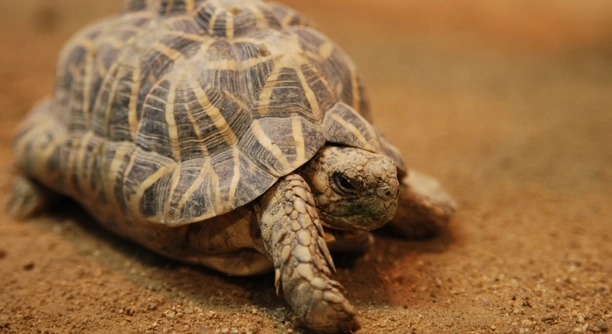
Diarrhea in Indian star tortoises can be concerning for any pet owner. It is important to recognize the symptoms early for proper treatment. This condition can stem from a variety of causes, so understanding it is essential.
Indian star tortoise diarrhea is often a sign of digestive issues, infections, or dietary imbalances. It may result from stress, poor diet, or even parasites. Early detection and proper care can help your tortoise recover quickly and effectively.
Proper treatment and care are crucial for recovery. Follow these steps to ensure your tortoise regains its health.
Causes of Diarrhea in Indian Star Tortoises
There are several reasons why an Indian star tortoise might develop diarrhea. One common cause is an improper diet. If the tortoise is fed too much protein or high-moisture foods, it can lead to digestive upset. Another possible cause is stress, which can occur due to changes in environment or handling. Parasites like protozoa or bacteria may also cause gastrointestinal issues, leading to diarrhea. Overheating or poor humidity levels in the habitat can further stress the tortoise, contributing to health problems. Recognizing these triggers early can help prevent a more serious condition from developing.
Keeping a consistent feeding schedule and providing a balanced diet is key. Avoid feeding your tortoise too many fruits or vegetables that are high in moisture content, as these can cause digestive upset. Regularly monitor your pet’s behavior and habitat, making sure the temperature and humidity are appropriate. Additionally, be cautious of any signs of infection or parasites. Taking proactive steps can make a big difference in your tortoise’s health and recovery.
If you suspect an infection or parasitic issue, contact a vet immediately for a proper diagnosis. Quick action is essential to prevent any further complications.
How to Treat Diarrhea in Indian Star Tortoises
Once you identify diarrhea in your tortoise, immediate steps should be taken to address the issue. Keep your tortoise hydrated by offering fresh, clean water. Reduce the moisture content in its food and avoid feeding fruits and vegetables for a while. Offering more dry foods like hay can help firm up the stool. Along with food adjustments, monitoring the humidity and temperature in the tortoise’s habitat is crucial. Ensure that the enclosure is neither too hot nor too cold, as extreme conditions can worsen the issue.
If the diarrhea persists for more than a few days, it’s important to consult a veterinarian. They may perform tests to rule out infections, parasites, or other health issues. The vet might recommend medications or changes in diet to help resolve the issue. It’s essential not to self-medicate or attempt treatments without professional guidance, as tortoises are sensitive creatures, and incorrect treatments can cause harm.
By taking quick and appropriate actions, you can help your tortoise recover from diarrhea and prevent future occurrences.
Recognizing the Signs of Diarrhea
Diarrhea in Indian star tortoises is often accompanied by other symptoms like lethargy, loss of appetite, or changes in behavior. These signs can indicate that the diarrhea is part of a broader health issue. Pay attention to any unusual changes in your tortoise’s routine.
Diarrhea can be a sign of digestive issues, infections, or stress. If your tortoise seems less active or isn’t eating as usual, it’s important to check its habitat and diet. Stress can cause a tortoise to stop eating or become less responsive. Look for signs of dehydration, such as sunken eyes or wrinkled skin, as this can worsen the condition. Keeping a close eye on your tortoise’s overall health is crucial during this time.
A proper diagnosis is key. If symptoms persist for more than a few days, seeking a veterinarian’s help can ensure that the right treatment is provided before the situation worsens.
Step-by-Step Guide to Treating Diarrhea
The first step in treating diarrhea is adjusting the diet. Reduce high-moisture foods like leafy greens or fruits, which can aggravate diarrhea. Instead, offer hay, which helps firm up the stool. Also, ensure the tortoise has constant access to clean, fresh water. Hydration is vital for recovery.
In addition to diet changes, it’s important to monitor the tortoise’s environment. Make sure the temperature and humidity are within the ideal range for the species. Too much moisture or improper temperature can worsen diarrhea. A balanced habitat helps to keep your tortoise comfortable, reducing stress and aiding in its recovery.
If diarrhea persists, consider consulting a vet. The vet may recommend medication or additional dietary adjustments based on the diagnosis. Taking these measures early can prevent dehydration and more serious health concerns.
Importance of Hydration
Hydration is critical when treating diarrhea in Indian star tortoises. Diarrhea can lead to dehydration, making recovery more difficult. Always provide fresh, clean water in their habitat, and ensure it’s easily accessible. Keeping your tortoise hydrated is one of the first steps toward helping it recover.
A dehydrated tortoise may show signs like sunken eyes or dry skin. If dehydration is suspected, try offering water through a shallow dish. You can also mist the enclosure lightly to encourage drinking and to maintain proper humidity levels. If dehydration continues, seek a vet for further treatment.
Adjusting the Diet
Modifying the tortoise’s diet is essential to help manage diarrhea. Avoid feeding high-moisture fruits and vegetables during recovery. Stick to drier foods like hay, grasses, or safe plant leaves. These foods can help firm up stools and promote better digestion during this delicate time. Consistency is important.
Too many high-moisture foods can upset a tortoise’s digestive system, especially during illness. Stick to a simple, balanced diet while your tortoise recovers. Gradually reintroduce other foods once it starts to feel better. Keeping things simple will reduce the risk of further digestive issues.
Keeping the Habitat Stable
The habitat plays a crucial role in a tortoise’s recovery. Ensure the temperature and humidity are consistent and suitable for an Indian star tortoise. Too much heat or humidity can stress your tortoise and affect its recovery. Make adjustments if needed and avoid drastic changes to the environment.
A stable, comfortable habitat helps reduce stress and supports the healing process. Regularly check the temperature and humidity levels in the enclosure to maintain a healthy environment. If the habitat becomes too dry or humid, make necessary changes to keep it in the optimal range for your tortoise.
FAQ
What are the common causes of diarrhea in Indian star tortoises?
Diarrhea in Indian star tortoises can occur due to several reasons. Common causes include improper diet, such as feeding too many high-moisture fruits or protein-rich foods, which upset their digestive system. Stress, changes in their environment, or handling can also lead to digestive issues. Infections or parasitic infestations are other potential causes. Additionally, poor habitat conditions, such as incorrect temperature or humidity, can further aggravate digestive problems. Understanding the triggers is essential for addressing the problem quickly and effectively.
How can I tell if my tortoise is dehydrated?
Signs of dehydration in a tortoise include sunken eyes, dry skin, and lethargy. The skin may appear wrinkled, and the tortoise may not be as active as usual. You can gently pinch the skin to see if it bounces back. If it remains tented, it’s a sign that the tortoise is dehydrated. Dehydration can worsen the effects of diarrhea, so it’s important to address it right away by offering water and adjusting the habitat’s humidity levels. If dehydration persists, a vet’s intervention may be necessary.
Is it safe to treat my tortoise’s diarrhea with medications?
It’s important not to self-medicate your tortoise without consulting a veterinarian. Some over-the-counter treatments may be harmful to your tortoise’s sensitive digestive system. If your tortoise’s diarrhea lasts more than a few days or is accompanied by other symptoms like weight loss, it’s best to visit a vet. The vet may prescribe specific medications or suggest dietary changes based on the cause of the diarrhea. Self-treatment without professional advice can lead to more harm than good, so it’s always safer to consult an expert.
How long should I wait before seeing a vet for diarrhea?
If your tortoise’s diarrhea lasts more than 48 hours, it’s time to consult a vet. Prolonged diarrhea can lead to dehydration and nutritional imbalances, making it essential to seek professional help sooner rather than later. If you notice other symptoms like loss of appetite, lethargy, or abnormal behavior, a vet visit is even more urgent. Early intervention can help prevent complications and support your tortoise’s recovery. Regular checkups are also a good idea to ensure your tortoise remains in overall good health.
What kind of food should I feed my tortoise during recovery?
During recovery, it’s best to stick to dry foods that are easy on your tortoise’s digestive system. Offer hay, grasses, and safe plant leaves. Avoid fruits, vegetables with high moisture content, or protein-heavy foods, as these can exacerbate diarrhea. You can gradually reintroduce other foods once the diarrhea improves. Providing clean, fresh water is essential to keep your tortoise hydrated, and you may mist the enclosure lightly to increase humidity if needed. Keep the diet simple and gentle on the digestive system for optimal recovery.
Can environmental factors cause diarrhea in Indian star tortoises?
Yes, environmental factors play a significant role in a tortoise’s health. Extreme temperatures or humidity can cause stress, which in turn can lead to digestive upset and diarrhea. Tortoises require a stable environment with proper heat and humidity levels to stay healthy. Too much heat can dehydrate your tortoise, while inadequate humidity can cause skin shedding issues or digestive discomfort. Always maintain the ideal conditions for your tortoise’s species to prevent stress and digestive issues. Regularly check the habitat and make adjustments as necessary.
Is it common for Indian star tortoises to get diarrhea?
While it’s not an everyday occurrence, diarrhea in Indian star tortoises can happen, especially if their diet or habitat isn’t carefully monitored. It’s more common when there are sudden changes in their environment or diet. Diarrhea can also be a sign of an underlying issue, such as an infection or parasites. Therefore, it’s important to act quickly when you notice any signs of digestive upset. Keeping their diet consistent and the habitat stable will reduce the likelihood of diarrhea in the future.
How can I prevent diarrhea in my tortoise?
Preventing diarrhea in Indian star tortoises requires maintaining a proper diet and habitat. Ensure they have a balanced diet with appropriate levels of fiber, protein, and moisture. Avoid feeding high-moisture fruits and vegetables too frequently. Regularly check their habitat’s temperature and humidity to ensure the environment is suitable. Avoid stress by keeping handling to a minimum and providing a calm, secure environment. Regular vet checkups and observing any signs of illness will help catch potential issues before they turn into more serious health problems.
Final Thoughts
Diarrhea in Indian star tortoises can be a serious issue, but with the right approach, it can be managed and treated effectively. It’s important to monitor their diet and environment closely. Changes in their food or habitat can lead to digestive problems, so being proactive in creating a stable, healthy environment can prevent many issues. Always ensure that your tortoise has access to clean water, a balanced diet, and the proper temperature and humidity in its enclosure. These steps help in maintaining their overall health and well-being.
If you notice signs of diarrhea, address it quickly to avoid dehydration and further complications. While it may be tempting to self-medicate, it’s always safer to consult a vet, especially if the symptoms persist. A vet can help determine the underlying cause and recommend an appropriate course of treatment. You can also reduce the risk of future digestive issues by making gradual changes to your tortoise’s diet and ensuring it remains stress-free in a stable environment. Consistency in care goes a long way in keeping your tortoise healthy.
In conclusion, managing diarrhea in Indian star tortoises involves a mix of proper diet, hydration, and a stable living environment. By following the steps outlined in this guide and seeking professional care when necessary, you can help your tortoise recover and avoid future digestive problems. Early detection and prompt action are key in treating diarrhea and ensuring your tortoise’s health in the long run.

Hello,
If you enjoy the content that we create, please consider saying a "Thank You!" by leaving a tip.
Every little bit helps us continue crafting quality advice that supports the health, happiness, and well-being of pets around the world, for pets of all shapes, sizes, and species.
We really appreciate the kindness and support that you show us!