
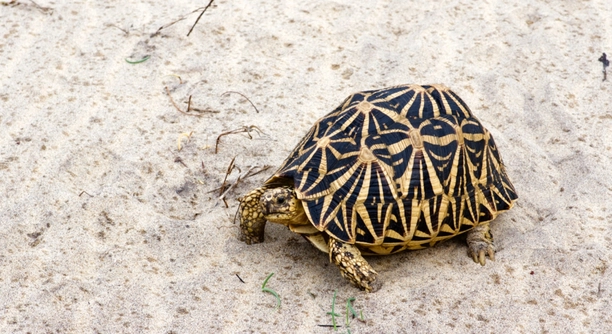
Indian Star Tortoises are beautiful creatures but prone to specific health issues. Recognizing signs of diseases early can help ensure your tortoise stays healthy. Here are seven tips for recognizing and preventing diseases in Indian Star Tortoises.
Preventing and recognizing diseases in Indian Star Tortoises begins with proper care. Ensure your tortoise’s habitat is clean and properly heated. Providing a balanced diet, along with regular health checks, can help catch diseases early and keep your tortoise in top condition.
Learn how to create the best environment for your tortoise’s health.
Understanding Common Diseases in Indian Star Tortoises
Indian Star Tortoises are vulnerable to a few common diseases that can impact their health. Respiratory infections are frequent, typically caused by poor ventilation or humidity levels. A lack of proper heating can also lead to metabolic bone disease, which affects bone density and strength. Additionally, shell rot and parasites are common problems, especially in unsanitary conditions. It is crucial to maintain a clean habitat and provide proper diet and lighting to prevent these health issues. Regular check-ups from a veterinarian can help catch potential issues before they become severe.
Diseases like respiratory infections often show signs such as wheezing or nasal discharge. Metabolic bone disease might manifest as soft or deformed shells. Early intervention is key to managing these conditions.
Proper care, such as maintaining a consistent temperature and humidity level, helps to prevent these diseases. Along with a healthy diet, this approach supports your tortoise’s long-term well-being. Routine vet visits ensure any early signs of illness are addressed quickly.
Habitat Maintenance to Prevent Disease
A clean, well-maintained habitat is essential in preventing disease. Regular cleaning of enclosures and proper ventilation go a long way. Keeping the environment consistent in temperature and humidity can reduce the risk of respiratory problems and infections.
A dry, clean space allows your tortoise to move freely without the threat of parasites or infections. Be sure to replace bedding regularly and remove any uneaten food. Clean water should be provided daily, ensuring it’s free of contaminants.
In addition to cleanliness, proper lighting should be provided to ensure your tortoise gets adequate UVB exposure. UVB rays are vital for vitamin D3 production, which helps in calcium absorption. Without UVB, your tortoise is more susceptible to metabolic bone disease. Equally important is the heating element; maintaining the right temperature ensures optimal digestion and overall health. Lastly, ensure your tortoise has ample space to roam in its enclosure. Stressed tortoises are more prone to illness, so a large, quiet area is essential.
Diet and Nutrition
A balanced diet is key to preventing many diseases in Indian Star Tortoises. Their diet should include high-fiber plants, such as grasses, leafy greens, and edible flowers. Avoid feeding them too much fruit or high-protein foods, as it can lead to kidney problems and other health issues.
Incorporate a variety of leafy greens like dandelion greens, collard greens, and clover. Offer occasional flowers like hibiscus and pansies, as they provide additional nutrients. Calcium is particularly important for shell and bone health, so dust their food with calcium powder a few times a week. Fresh, clean water should always be available to help with digestion.
Overfeeding or underfeeding can lead to obesity or malnutrition, both of which make your tortoise more susceptible to disease. Ensure your tortoise’s diet consists primarily of fibrous plants and avoid high-fat foods. Regularly monitor their weight to ensure they’re not gaining excess fat or losing too much. If your tortoise shows signs of weight loss, seek veterinary advice promptly.
Preventing Shell Rot
Shell rot is a serious condition caused by bacteria or fungi that can infect the tortoise’s shell. To prevent it, keep the tortoise’s habitat dry and clean. Regular cleaning and checking for cracks or soft spots on the shell are crucial.
If you notice any signs of shell rot, such as discoloration, soft patches, or an unpleasant odor, it’s important to act fast. Regular baths can help prevent bacterial build-up, while maintaining a dry environment helps avoid fungal growth. Ensure there’s no standing water in their enclosure, as moisture can lead to shell rot.
Treatment for shell rot includes disinfecting the shell and applying topical antifungal or antibacterial ointments. If the infection is severe, a veterinarian may need to remove the damaged parts. Keeping the tortoise in a clean, dry space and ensuring its diet is nutritious can go a long way in preventing future infections.
Identifying Respiratory Infections
Respiratory infections are common in Indian Star Tortoises, often caused by poor ventilation or humidity levels. Symptoms include wheezing, nasal discharge, and labored breathing. Maintaining proper environmental conditions helps reduce these risks.
A proper enclosure with good air circulation and correct humidity levels is essential. Regularly check for any signs of nasal discharge or breathing difficulties, as they indicate infection.
If your tortoise shows these signs, reduce humidity and ensure it has access to a warm area for proper recovery. Consult with a veterinarian for an accurate diagnosis and possible antibiotic treatment.
Managing Metabolic Bone Disease
Metabolic bone disease (MBD) occurs when tortoises lack sufficient calcium or UVB exposure, leading to weak bones and shells. Symptoms include soft shells, deformities, and difficulty moving. This condition is preventable with proper care.
To prevent MBD, provide ample UVB lighting, and include calcium-rich foods in their diet. A well-balanced diet combined with UVB exposure is key to keeping bones strong.
If you suspect MBD, seek veterinary care immediately. Treatment may involve calcium supplements and changes to your tortoise’s lighting. Adjust their habitat to ensure they have the proper exposure to UVB and heat for recovery.
Preventing Parasites
Parasites can affect tortoises living in unsanitary conditions or eating contaminated food. Symptoms of parasite infestations include lethargy, weight loss, and diarrhea. Keeping the habitat clean and offering fresh food can help prevent parasites.
To reduce parasite risk, clean your tortoise’s enclosure frequently and replace bedding regularly. Ensure they only eat fresh, clean food and water to avoid contamination. Regularly monitor their health to spot any signs of parasitic infections.
If your tortoise shows symptoms, consult with a vet for proper deworming treatments. Regular vet check-ups help keep parasites under control.
FAQ
How can I tell if my Indian Star Tortoise is sick?
Signs of illness in an Indian Star Tortoise include lethargy, loss of appetite, changes in shell condition, or abnormal breathing. If your tortoise becomes unusually inactive or refuses to eat, it may indicate a health issue. Additionally, check for any signs of nasal discharge, wheezing, or soft spots on the shell. Always seek a vet’s advice if you notice these signs.
What should I do if my tortoise is not eating?
If your tortoise refuses to eat, first check its environment. Ensure that the temperature, humidity, and lighting are at the proper levels. Stress from improper conditions can cause a loss of appetite. If conditions are correct and the issue persists, consult a veterinarian to rule out illness.
Can I keep my Indian Star Tortoise with other reptiles?
Indian Star Tortoises should be housed alone or with other tortoises of the same species. They are territorial and can become stressed or even aggressive toward other reptiles. Different species can also carry diseases that could harm your tortoise. It’s safest to keep them in their own space.
How often should I feed my tortoise?
Adult Indian Star Tortoises should be fed 3-4 times a week, while younger tortoises require more frequent feedings. Provide a variety of leafy greens, grasses, and edible flowers. Overfeeding can lead to obesity, so monitor their intake to ensure they are getting the right amount of food.
Is UVB lighting necessary for my tortoise?
Yes, UVB lighting is essential for your tortoise’s health. It helps them produce vitamin D3, which is necessary for calcium absorption. Without proper UVB lighting, your tortoise could develop metabolic bone disease. A proper UVB light should be used for 10-12 hours a day, and it should be replaced every 6 months.
What temperature should I keep my tortoise’s habitat?
The ideal temperature for an Indian Star Tortoise’s habitat is between 80-85°F (27-29°C) during the day, with a basking spot around 90-95°F (32-35°C). At night, temperatures can drop to around 70°F (21°C). A thermostat and heat lamp are essential for regulating these temperatures.
How can I prevent my tortoise from getting shell rot?
To prevent shell rot, ensure your tortoise’s environment is kept clean and dry. Avoid excessive moisture in the enclosure, as wet conditions promote bacterial and fungal growth. Regularly inspect your tortoise’s shell for any cracks, soft spots, or discoloration. If you notice any changes, consult a vet.
Can I bathe my tortoise?
Yes, you can bathe your tortoise. A warm water bath can help with hydration and assist in removing dirt or debris from their shell. Use shallow water to prevent your tortoise from drowning, and always supervise them during the bath. Ensure the water temperature is warm but not too hot.
What is the best substrate for an Indian Star Tortoise?
The best substrate for an Indian Star Tortoise is one that promotes good humidity levels and is easy to clean. Options include coconut coir, organic soil, or aspen shavings. Avoid using sand or gravel, as they can cause digestive problems if ingested. Change the substrate regularly to maintain a clean environment.
How can I prevent metabolic bone disease?
Metabolic bone disease can be prevented by ensuring your tortoise receives adequate UVB exposure and a calcium-rich diet. Include leafy greens, grasses, and calcium supplements in their diet. Make sure their habitat has proper lighting and temperature to aid in the absorption of calcium and support bone health.
What should I do if my tortoise has diarrhea?
Diarrhea in tortoises can be caused by stress, diet changes, or parasites. If your tortoise has diarrhea, check their diet and remove any foods that may be causing irritation. Keep their environment clean and monitor them for other symptoms. If diarrhea persists, consult a veterinarian for diagnosis and treatment.
How long can Indian Star Tortoises live?
Indian Star Tortoises can live up to 50-60 years or more if properly cared for. Providing a balanced diet, regular veterinary care, and a well-maintained habitat can help ensure a long and healthy life for your tortoise. It’s important to consider their long lifespan before getting one as a pet.
Is it safe to handle my Indian Star Tortoise?
Indian Star Tortoises generally do not enjoy being handled often, as it can cause them stress. However, gentle handling is safe as long as it is done infrequently and with care. Avoid picking them up by their legs or shell. Always support their body evenly and avoid any sudden movements.
What kind of bedding should I use for my tortoise’s enclosure?
For bedding, use natural, non-toxic materials like coconut coir, organic soil, or aspen shavings. These materials help with humidity control and are safe if ingested. Avoid sand or gravel, as they can cause impaction or digestive issues. Regularly change bedding to keep the habitat clean and dry.
How often should I clean my tortoise’s enclosure?
The enclosure should be cleaned at least once a week to maintain proper hygiene. Remove any uneaten food and waste daily. Replace bedding as needed and disinfect the entire enclosure periodically to prevent bacterial or fungal growth. Keeping the habitat clean is crucial to preventing diseases.
Can Indian Star Tortoises swim?
Indian Star Tortoises are not strong swimmers and should not be placed in deep water. They can wade through shallow water, but extended exposure to water can stress them. Always provide a shallow water dish for drinking and soaking, but ensure it is not deep enough for swimming.
Final Thoughts
Caring for an Indian Star Tortoise requires attention to its environment, diet, and overall health. These tortoises need a controlled habitat with the right temperature, humidity, and lighting. Without these essential elements, they are at risk of developing health issues. Proper UVB lighting is necessary for calcium absorption, which is vital for their bone health. Monitoring the temperature and providing a balanced diet can prevent many common illnesses. Keeping their enclosure clean and ensuring they have access to fresh water is also important for their well-being.
While Indian Star Tortoises are relatively low-maintenance compared to other pets, they still need consistent care. Providing them with a proper diet that includes leafy greens, grasses, and flowers helps maintain their health. Overfeeding or providing the wrong foods can lead to obesity or digestive problems. Offering variety in their diet is key, as it mimics their natural feeding habits. Regular veterinary check-ups are also essential to catch any potential health issues early. A veterinarian familiar with reptiles can provide valuable guidance on keeping your tortoise in the best possible health.
Understanding your tortoise’s behavior is crucial for identifying any signs of illness or stress. If your tortoise becomes lethargic, refuses to eat, or shows any changes in its shell or breathing, it may be time to consult a vet. Many diseases in tortoises can be prevented or managed with early detection and proper care. By staying vigilant and providing the right environment, your Indian Star Tortoise can live a long and healthy life. Ensuring its happiness and well-being requires commitment, but the reward of seeing a healthy tortoise thrive is worth the effort.

Hello,
If you enjoy the content that we create, please consider saying a "Thank You!" by leaving a tip.
Every little bit helps us continue crafting quality advice that supports the health, happiness, and well-being of pets around the world, for pets of all shapes, sizes, and species.
We really appreciate the kindness and support that you show us!