
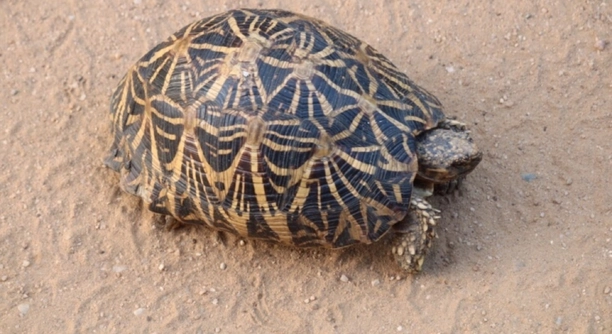
Maintaining healthy humidity levels is vital for the well-being of your Indian Star Tortoise. These tortoises require specific environmental conditions to thrive, and humidity plays a significant role in their overall health and comfort.
The ideal humidity range for an Indian Star Tortoise is between 50-70%. This can be maintained by monitoring their enclosure, providing proper hydration, and incorporating humidity-retaining materials. Regular adjustments based on seasonal changes will help ensure a balanced environment.
Proper humidity is key to your tortoise’s long-term health. With these simple tips, you can provide the optimal habitat.
The Importance of Humidity for Your Indian Star Tortoise
Humidity is an essential factor in the health of your Indian Star Tortoise. Without proper humidity levels, they can experience dehydration and respiratory issues. These tortoises are native to regions with warm climates and require a humid environment to maintain healthy skin and a functioning digestive system. Too low humidity can cause shedding problems, while high humidity can lead to respiratory issues or fungal infections. To ensure your tortoise thrives, it is crucial to regularly monitor and adjust their environment based on the humidity levels.
To keep your tortoise comfortable, you need to make sure their enclosure has enough moisture. Using a hygrometer will help you track the levels accurately. Adjustments like spraying water or adding water-dense materials, such as moss or wet towels, can help achieve the right humidity balance.
Maintaining consistent humidity is vital to your tortoise’s long-term health. It impacts everything from hydration to shedding and even digestion. Keeping the humidity levels within the right range ensures your tortoise lives a long and healthy life.
How to Maintain Humidity
A simple method to maintain humidity is to mist your tortoise’s enclosure with water regularly. This helps keep the air moist.
Another practical tip is adding a water dish large enough for your tortoise to soak in. The evaporation from the water will naturally raise the humidity levels in their habitat. Additionally, creating a microclimate with a humid hide, made from damp moss or a damp towel, can also be very effective. Make sure to place it in a secluded area of the enclosure to give your tortoise a place where it can retreat to stay hydrated. Be mindful not to overdo it with too much water, as this can create other issues, such as mold or too much moisture.
If you’re unsure of the humidity level, invest in a digital hygrometer. It will give you accurate readings and allow you to adjust the humidity levels as needed.
Monitoring Humidity Levels
It’s essential to regularly monitor the humidity levels to ensure they stay within the ideal range for your tortoise. Using a digital hygrometer is a reliable way to keep track of the moisture in their environment.
Place the hygrometer inside the enclosure at a location where it can measure the overall humidity level. Make sure the device is accurate and can give real-time readings. Some models come with alarms or alerts when the humidity falls outside the desired range. This helps you act quickly to prevent any issues before they become serious.
Without proper monitoring, humidity fluctuations can cause stress to your tortoise. If the humidity is too high, it could lead to fungal growth or respiratory infections. If it’s too low, your tortoise may become dehydrated, and it could affect its shell and overall health. Checking regularly and making adjustments accordingly ensures your tortoise’s habitat remains comfortable year-round.
Providing Proper Ventilation
Adequate ventilation is crucial in maintaining a healthy humidity balance. Without it, the enclosure can become too damp, promoting mold growth, which could harm your tortoise. Good airflow ensures that the moisture levels remain balanced.
To achieve this, ensure there are sufficient air holes in the enclosure or a mesh lid. The enclosure should allow for proper air circulation while still retaining moisture. Too many openings, however, can cause the humidity to drop too low. Aim for a balance between airflow and humidity retention. The ideal setup usually involves a balance of closed spaces with small ventilation gaps. This way, the humidity remains high, but the air still circulates freely to prevent stagnation.
Ventilation plays a big role in controlling both humidity and temperature. You don’t want the humidity to stay stagnant in a confined space. Too much still air can cause problems like bacteria growth. Proper ventilation, paired with humidity control, keeps the environment healthy and safe for your tortoise.
Using Humidity Retaining Materials
To maintain the right humidity levels, incorporating humidity-retaining materials in your tortoise’s enclosure can help. Moss, coconut coir, and damp towels are great options for boosting moisture.
These materials not only help maintain humidity but also provide a more natural environment for your tortoise. Simply place them in areas that retain moisture but avoid over-saturating the materials, as this could cause excessive humidity.
Regularly Spraying Water
Regularly spraying water in the enclosure helps increase humidity levels. Be sure not to overdo it, as too much water can cause the humidity to rise beyond the ideal range.
Mist the enclosure once or twice a day, depending on your local climate and the humidity levels in the room. Always check the humidity before adjusting to avoid sudden fluctuations. This small effort can make a significant difference in keeping the environment stable for your tortoise.
Providing a Humid Hide
Adding a humid hide is an excellent way to give your tortoise a place to retreat when needed. You can create this by using damp moss or a towel in a secluded area of the enclosure.
This hide helps your tortoise stay hydrated and provides them with a moist area where they can soak in the humidity. Make sure to check the hide frequently to ensure the moisture remains optimal. A proper hide gives your tortoise control over its environment, which is beneficial for its overall well-being.
FAQ
What humidity level is best for my Indian Star Tortoise?
The ideal humidity level for your Indian Star Tortoise should range between 50% and 70%. This range helps prevent dehydration and supports healthy skin and shell development. It also promotes good digestion. You can adjust the humidity using a combination of regular misting and moisture-retaining materials. Use a hygrometer to monitor the levels accurately and adjust as needed based on environmental changes, such as seasonal shifts.
How can I raise the humidity in my tortoise’s enclosure?
To raise humidity, you can add moisture-retaining materials like damp moss, coconut coir, or wet towels. Misting the enclosure regularly also helps. Additionally, placing a shallow water dish in the enclosure can increase humidity through evaporation. Ensure proper ventilation to avoid excessive moisture buildup that could lead to mold or respiratory problems. The combination of misting and adding moisture-retaining materials will help create a stable environment.
Is it necessary to have a humid hide in the enclosure?
Yes, a humid hide is important for providing your tortoise with a retreat where it can regulate its hydration. This hide helps keep your tortoise comfortable by offering a moist area to stay in. You can create a humid hide using damp moss or towels. Place it in a quiet corner of the enclosure where your tortoise can go for hydration. Regularly check and maintain the moisture levels to ensure it remains effective.
How often should I mist my tortoise’s enclosure?
The frequency of misting depends on the climate you live in and the humidity levels in your home. Typically, you should mist the enclosure once or twice a day. If the room is very dry or if you notice the humidity levels dropping, consider misting more frequently. Always check the humidity with a hygrometer before adjusting your misting routine. Too much misting can cause the humidity to rise too high, so it’s crucial to find the right balance.
Can low humidity harm my Indian Star Tortoise?
Yes, low humidity can lead to dehydration, respiratory issues, and shedding problems. If humidity levels drop below 50%, your tortoise may struggle with maintaining proper hydration. This can cause problems like dry skin and shell shedding issues. If left unaddressed, prolonged low humidity can affect its overall health. Use regular misting and moisture-retaining materials to maintain appropriate levels.
Can high humidity be harmful to my tortoise?
Yes, excessive humidity can lead to respiratory infections, fungal growth, and even shell rot in severe cases. Humidity levels above 80% for prolonged periods can cause these problems. It’s important to monitor the humidity closely and ensure it doesn’t go above 70%. Proper ventilation and occasional air circulation can help prevent stagnant moisture, which can exacerbate these issues.
What’s the best way to monitor humidity levels?
A digital hygrometer is the best tool for accurately monitoring humidity levels in your tortoise’s enclosure. Place it at the center of the enclosure to get a good reading of the overall humidity. Many hygrometers have alarms that alert you when humidity falls outside of the ideal range. It’s a simple yet effective way to ensure your tortoise’s environment stays balanced. Regular checks will also help you make adjustments promptly.
Do I need to use a heat lamp to maintain humidity?
While a heat lamp is important for regulating the temperature in the enclosure, it doesn’t directly affect humidity. However, using a heat source in combination with proper humidity control is essential for creating the right environment for your tortoise. The warmth from the lamp can aid in maintaining moisture levels by promoting evaporation from water sources and damp materials. Just be mindful of the temperature, as extreme heat can dry out the enclosure too much.
What materials are best for retaining humidity?
Some of the best materials for retaining humidity include coconut coir, moss, and damp towels. These materials absorb water and slowly release moisture into the air, helping maintain a consistent humidity level. You can mix and match these materials depending on the space available in your tortoise’s enclosure. Just make sure to check that the materials are not overly saturated, as this can lead to mold growth.
How can I prevent mold from forming due to humidity?
To prevent mold, make sure your enclosure has proper ventilation to allow air circulation. Excess moisture can create the perfect environment for mold growth, so avoid over-wetting the materials. If you notice any mold, remove it immediately and replace the affected materials. Regularly cleaning the enclosure and keeping humidity levels within the ideal range will also help prevent mold.
What should I do if the humidity is too high?
If the humidity in your tortoise’s enclosure is too high, first check the ventilation. Open up air vents or adjust the mesh lid to allow for better airflow. You can also remove any excess moisture-retaining materials or reduce misting. Monitor the humidity closely with a hygrometer to ensure that it stays within the safe range. It’s important to balance humidity to avoid respiratory or mold issues.
How can I recreate natural humidity conditions for my tortoise?
To mimic natural humidity conditions, try using a mix of humidity-retaining materials, providing a humid hide, and monitoring the environmental factors closely. In the wild, Indian Star Tortoises live in areas with seasonal changes in moisture levels, so adjusting their habitat according to the season is beneficial. Keep the enclosure clean and adjust the humidity with natural methods, such as dampening the substrate and using a water dish for evaporation.
Can I use a humidifier for my tortoise’s enclosure?
Using a humidifier is an option, but it requires careful monitoring. It can help maintain consistent humidity levels, especially in dry climates. Make sure the humidity doesn’t rise too high, as that can create other issues. Keep the humidifier far enough from the enclosure to avoid over-wetting the space. It’s always best to use a combination of natural methods and a hygrometer to adjust and monitor the humidity effectively.
Final Thoughts
Maintaining proper humidity levels for your Indian Star Tortoise is essential for its health and well-being. A balanced environment helps prevent dehydration, promotes healthy skin and shell growth, and supports proper digestion. Humidity levels between 50% and 70% are ideal, and you can achieve this range with some simple adjustments in your tortoise’s enclosure. Regular misting, using moisture-retaining materials, and adding a humid hide can make a significant difference in keeping the humidity at the right level. Monitoring the humidity with a hygrometer is a simple but effective way to ensure consistency.
While it’s important to raise humidity when needed, it’s equally essential not to let it get too high. Excessive humidity can lead to respiratory issues, mold growth, and shell rot. Therefore, always check the humidity levels and adjust accordingly, especially if you notice the air becoming too damp. If you live in a particularly dry area, it may be necessary to mist the enclosure more frequently or add extra humidity-retaining materials. However, it’s crucial to avoid over-saturating the environment, as this can create a breeding ground for mold and mildew, which are harmful to your tortoise’s health.
By taking these steps to maintain healthy humidity levels, you’ll be helping your Indian Star Tortoise thrive in its habitat. A stable environment not only keeps your tortoise comfortable but also ensures it remains healthy in the long term. Understanding the balance between moisture and ventilation will help you create an optimal space for your pet, reducing the risk of health issues. Remember that small adjustments, such as adding damp towels or adjusting the misting routine, can have a big impact on your tortoise’s overall well-being.

Hello,
If you enjoy the content that we create, please consider saying a "Thank You!" by leaving a tip.
Every little bit helps us continue crafting quality advice that supports the health, happiness, and well-being of pets around the world, for pets of all shapes, sizes, and species.
We really appreciate the kindness and support that you show us!