
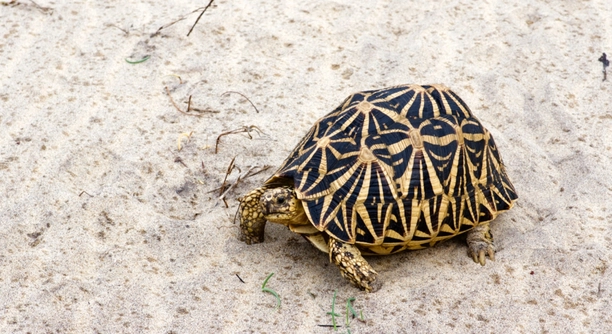
The Indian Star Tortoise is a fascinating and unique species that requires special attention to its diet. Ensuring they get the proper nutrition is crucial for their health and longevity. Here’s a breakdown of what you should know.
Proper nutrition for Indian Star Tortoises involves a variety of leafy greens, grasses, and occasional fruits. A balanced diet with calcium-rich foods, high-fiber content, and proper hydration will support their growth, shell health, and overall well-being.
Understanding their nutritional needs will help you provide the best care for your tortoise. By focusing on a varied, well-balanced diet, you can keep them happy and healthy.
Importance of a Balanced Diet for Indian Star Tortoises
A balanced diet is essential for the health of Indian Star Tortoises. Their primary food should consist of fibrous, high-calcium plants, such as leafy greens like dandelion, collard greens, and kale. These foods help to maintain a strong shell, proper digestion, and overall well-being. A variety of grasses and weeds should also be part of their diet. Avoid feeding them foods high in oxalates, such as spinach, as this can interfere with calcium absorption. Fruits should be given sparingly, as they are high in sugar and can cause digestive issues if overconsumed. Ensuring they have access to fresh water daily is also crucial for their hydration.
Their diet must not only include the right types of food but also a proper ratio of calcium and phosphorus. Calcium is vital for bone and shell development. Without enough calcium, tortoises can suffer from metabolic bone disease, which weakens their bones and shell.
Creating a diet plan that incorporates a variety of fresh, natural foods and avoids excessive fruits will go a long way in keeping them healthy. The right balance supports their long-term vitality and helps prevent common health problems.
Calcium and Vitamin D3: Essential for Shell Health
Both calcium and vitamin D3 are essential in maintaining a healthy shell for your tortoise. Without sufficient calcium, your tortoise may experience soft, brittle shells. Vitamin D3 helps in the absorption of calcium, so it’s equally important.
Exposure to natural sunlight or a UVB light source is vital for your tortoise’s vitamin D3 production. Without UVB light, even the best diet will not ensure proper calcium absorption. If your tortoise is not outside in the sun regularly, a UVB light should be used to provide the necessary exposure. This light mimics natural sunlight and ensures your tortoise’s body can process calcium efficiently.
Supplementing their food with calcium powder is also recommended. Be sure to dust their food lightly with the powder a few times per week. Over-supplementation can lead to issues, so it’s important to monitor the levels carefully. Too much calcium can cause kidney problems or other health concerns. With proper UVB exposure, along with a balanced diet, your tortoise will have a healthier, stronger shell.
Fiber-Rich Foods for Healthy Digestion
Fiber is crucial for maintaining good digestion in Indian Star Tortoises. Foods such as grass, hay, and fibrous leaves should be a constant in their diet. These high-fiber foods help prevent constipation and other digestive issues.
Providing a variety of fiber-rich foods is important for their gut health. Tortoises that don’t receive enough fiber may struggle with constipation, which can lead to more serious health problems. Grasses are a natural source of fiber, but leafy greens like mustard greens and hibiscus leaves also provide the necessary bulk.
It’s essential to offer them a range of fiber sources to mimic their natural diet. Consistent access to these foods ensures your tortoise’s digestive system functions smoothly. This also helps them avoid impaction, a condition where undigested food causes blockages in their intestines, which can be dangerous.
The Role of Hydration
Hydration is vital for your tortoise’s health. While they do not require large amounts of water, keeping them properly hydrated will prevent kidney issues and aid digestion.
Always provide fresh water daily, as dehydration can lead to various problems. Tortoises typically drink less than other animals, but they still need access to clean water at all times. Some tortoises also benefit from soaking in shallow water once or twice a week, which encourages hydration and helps with shedding their skin.
In the wild, they get moisture from their food, but in captivity, it’s crucial to offer them water frequently. Avoid putting the water bowl in a location where it can easily be contaminated with dirt, as dirty water can cause health problems. By ensuring proper hydration, your tortoise will thrive and stay healthy.
Avoiding Processed Foods
Processed foods should never be a part of your tortoise’s diet. They can lead to health problems such as obesity, kidney disease, and digestive issues. Stick to fresh, natural foods whenever possible.
Processed foods lack the essential nutrients that tortoises need. They are also often high in preservatives, which can harm their digestive systems. Foods like lettuce, carrots, and other store-bought items often don’t offer enough fiber or calcium. It’s best to provide your tortoise with natural plants, grasses, and leafy greens instead of processed options. Keeping their diet simple ensures they remain healthy and active.
Treats and Fruits in Moderation
Fruits can be offered as an occasional treat. They should not make up a significant portion of their diet due to their high sugar content. Too many treats can lead to obesity.
When giving fruits, opt for low-sugar options like papaya or melon. Ensure these treats are not excessive, as tortoises’ digestive systems are not designed to handle large amounts of sugar. Fruits should always be given sparingly, and it’s important to balance them with their regular leafy greens and grasses. Overindulging on fruits can quickly lead to weight gain or even diabetes in some tortoises.
Supplements for Nutritional Gaps
Supplements can help fill any nutritional gaps in your tortoise’s diet. Calcium and vitamin D3 are the most commonly needed. These supplements ensure proper shell development and prevent deficiencies.
While a balanced diet is essential, some tortoises may still need extra support. Offering calcium powder, especially for younger tortoises, can aid their shell growth. Vitamin D3 is also important to assist with calcium absorption. If your tortoise isn’t getting adequate sun exposure, a UVB light can support their natural production of vitamin D3.
FAQ
How often should I feed my Indian Star Tortoise?
You should feed your Indian Star Tortoise every day, offering fresh food once or twice daily. Younger tortoises need more frequent meals, while adults can typically be fed once a day. Make sure to offer them a variety of leafy greens, grasses, and occasional fruits.
Can I feed my Indian Star Tortoise commercial tortoise food?
Commercial tortoise food can be used as a supplement, but it should not replace fresh, natural foods. Some commercial foods are high in preservatives and low in nutrients. It’s better to focus on providing fresh greens, weeds, and grasses, which offer the necessary nutrients.
What types of greens can I feed my Indian Star Tortoise?
You can feed your tortoise a variety of leafy greens, such as dandelion greens, collard greens, mustard greens, and hibiscus leaves. These are high in calcium and fiber, which are crucial for their health. Avoid feeding them iceberg lettuce as it has little nutritional value.
Can I feed my Indian Star Tortoise fruits?
Fruits should be offered sparingly due to their high sugar content. Occasional fruits like papaya, melons, and berries can be given as a treat, but they should never be a primary part of their diet. Always balance fruits with high-fiber greens.
What should I avoid feeding my Indian Star Tortoise?
Avoid feeding your tortoise foods that are too high in oxalates, such as spinach, as they can interfere with calcium absorption. Also, steer clear of processed foods, dairy, and foods high in sugar, like carrots and other root vegetables. These can lead to digestive problems.
How do I know if my tortoise is getting enough calcium?
A clear sign of calcium deficiency is a soft or deformed shell. If your tortoise’s shell becomes weak or lacks proper growth, you may need to adjust their diet or offer calcium supplements. Dusting their food with calcium powder a few times a week is a good practice.
Do I need to give my Indian Star Tortoise a calcium supplement?
Yes, especially if you’re concerned that their natural food might not be providing enough calcium. Calcium supplements should be offered to ensure proper shell growth and to prevent metabolic bone disease. Dust their food lightly with calcium powder a few times per week.
Should I use a UVB light for my Indian Star Tortoise?
Yes, a UVB light is essential for your tortoise, especially if they’re kept indoors. UVB light helps them produce vitamin D3, which is crucial for calcium absorption. If you can’t provide natural sunlight, a UVB light should be used for 10-12 hours a day.
How much water should I give my Indian Star Tortoise?
Your tortoise should always have access to clean, fresh water. While they do not drink much, it’s important to offer water every day. Some tortoises also benefit from soaking in shallow water once or twice a week to help with hydration and shedding.
How do I prevent my tortoise from becoming overweight?
Avoid overfeeding and limit the amount of high-calcium, high-calorie foods like fruits. Stick to a variety of fiber-rich greens and grasses. Monitor their weight regularly and adjust their diet to maintain a healthy balance. Providing enough space for exercise also helps prevent weight gain.
Can I feed my tortoise vegetables like carrots or potatoes?
Carrots should be fed only in moderation due to their high sugar content. Potatoes, however, should be avoided altogether. They are too starchy and can lead to digestive issues. It’s best to focus on high-fiber plants and grasses instead.
How can I tell if my tortoise is healthy?
A healthy Indian Star Tortoise should have a hard, smooth shell without any cracks or soft spots. They should be active and alert, with no signs of lethargy or loss of appetite. Healthy tortoises also maintain a proper weight and have clear, bright eyes.
Should I feed my tortoise food with high water content?
Foods with high water content, like cucumbers and watermelon, should be fed sparingly. While they can help with hydration, they don’t provide the necessary nutrients that your tortoise needs for growth and shell development. Stick to more fibrous, leafy greens as a staple food.
Is it safe to feed my Indian Star Tortoise the same food every day?
Feeding them the same food every day is not recommended. A varied diet ensures that they receive a broader spectrum of nutrients. You should rotate their food, including different greens and grasses, to provide a more balanced diet. This will prevent nutritional deficiencies.
What is the best temperature for my Indian Star Tortoise’s habitat?
Your tortoise should be kept in a temperature range of 75°F to 95°F during the day, with a basking spot around 95°F. At night, temperatures can drop to around 70°F. Make sure to provide a heat source and a UVB light to maintain these temperatures.
Can I feed my tortoise plants from my garden?
You can feed your tortoise plants from your garden, but only if they are safe and non-toxic. Avoid plants that may have been treated with pesticides or chemicals. Stick to organic, tortoise-safe plants like dandelion, clover, and hibiscus. Always double-check that the plants are non-toxic.
How often should I change my tortoise’s water?
Change your tortoise’s water daily to ensure it remains clean. Dirty water can harbor bacteria and lead to infections. If your tortoise soaks in the water bowl, be sure to clean it regularly, especially if debris is present.
Can I use a heat lamp for my Indian Star Tortoise?
Yes, a heat lamp is important to provide warmth for your tortoise. It should mimic natural sunlight by creating a basking area with temperatures between 90°F and 95°F. Ensure the lamp provides both heat and UVB light to support your tortoise’s overall health.
Taking care of an Indian Star Tortoise requires attention to detail and understanding their nutritional needs. They thrive on a balanced diet that includes a variety of fibrous plants, leafy greens, and the occasional fruits. Providing fresh water daily is just as important, as hydration plays a key role in maintaining their health. While their food may seem simple, ensuring the right balance of nutrients—such as calcium, vitamin D3, and fiber—will go a long way in keeping them happy and strong. With the proper diet, your tortoise can enjoy a long, healthy life.
It’s important to avoid processed foods, as they lack the nutrients tortoises need and can lead to health problems over time. Stick to natural, fresh foods and make sure to introduce variety to their diet to cover all nutritional bases. Be mindful of foods that can interfere with calcium absorption, like spinach, and avoid feeding them high-sugar fruits or vegetables too frequently. The right food choices, along with careful attention to hydration, will help your tortoise avoid common health issues such as obesity, shell deformities, or digestive problems.
In addition to diet, offering proper care through light, temperature, and space is essential. A UVB light will help your tortoise produce vitamin D3, supporting calcium absorption and shell health. A suitable habitat temperature ensures they remain active and healthy. Regular monitoring of their weight and health can help you make adjustments to their care if needed. Overall, by paying attention to their dietary needs and environment, you’re setting your Indian Star Tortoise up for a long, fulfilling life.

Hello,
If you enjoy the content that we create, please consider saying a "Thank You!" by leaving a tip.
Every little bit helps us continue crafting quality advice that supports the health, happiness, and well-being of pets around the world, for pets of all shapes, sizes, and species.
We really appreciate the kindness and support that you show us!