
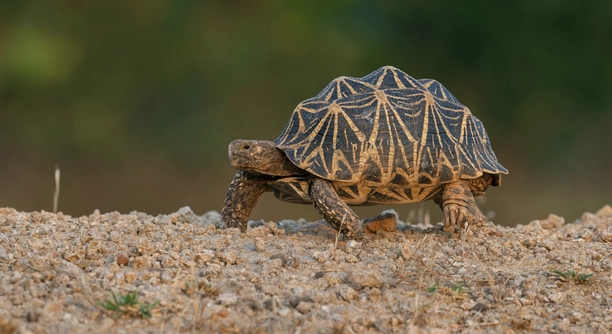
Raising Indian Star Tortoise hatchlings requires careful attention to their needs from the moment they hatch. These little reptiles are delicate, and their early care sets the stage for a healthy, thriving life.
To ensure your Indian Star Tortoise hatchlings grow strong, provide proper warmth, hydration, a balanced diet, and a suitable enclosure. Monitor their health closely and adjust care based on their specific needs to promote long-term well-being.
The right care during their early stages will help your hatchlings grow into healthy adults. Let’s look at the steps you can take to ensure their health.
Providing the Right Temperature
Indian Star Tortoise hatchlings need a warm environment to thrive. The ideal temperature range for their enclosure is between 85°F and 90°F during the day, with a slight drop at night. It’s crucial to use heat lamps or ceramic heaters to ensure they stay warm but not overheated. Avoid placing the heat source too close, as excessive heat can lead to dehydration or stress. Maintaining the right temperature helps their digestion and activity levels.
To maintain consistent warmth, a thermostat can be used to regulate the temperature. Providing a warm basking spot and a cooler area within the enclosure allows the tortoises to regulate their body temperature naturally.
In addition to heat, UVB lighting is important. Indian Star Tortoises need exposure to UVB rays for proper calcium metabolism and shell growth. If you’re unable to provide natural sunlight, use UVB bulbs in their habitat. This helps prevent conditions like metabolic bone disease, which can severely affect their health.
Hydration and Diet
Hydration is vital for hatchlings. Ensure they have access to clean, fresh water at all times. Tortoises can sometimes be picky drinkers, so soaking them in shallow water once or twice a week can encourage drinking.
A balanced diet is essential for their growth. Feed them a variety of greens like dandelion leaves, clover, and kale. It’s also important to offer high-fiber plants such as grass and hibiscus. Be sure to avoid feeding them too much fruit, as this can cause digestive issues. Dust their food with calcium powder a few times a week to support strong bones and shells.
Hatchlings also need variety to ensure they’re receiving the necessary nutrients. Include calcium-rich plants and supplements to avoid deficiencies. Regularly adjusting their food options based on their growth will help them thrive in the long term.
Creating the Right Habitat
A proper habitat is essential for Indian Star Tortoise hatchlings. Their enclosure should have enough space for movement, with plenty of hiding spots and areas to explore. Use a large, well-ventilated terrarium or a suitable outdoor pen if the weather allows.
Provide soft bedding like coconut husk or peat moss, which will help retain moisture and promote a healthy environment. It’s important to avoid using sand or gravel, as these can lead to accidental ingestion, causing digestive problems. Also, include rocks or logs for climbing to keep them active and engaged.
Ensure the enclosure has a clean, dry spot for them to rest, as well as a humid area to maintain proper hydration levels. Adding live plants not only enhances the look but provides additional food sources and shelter. Regular cleaning is necessary to prevent bacterial buildup and ensure a safe environment for growth.
Monitoring Health and Behavior
Keep an eye on your hatchlings’ activity and behavior to detect any health problems early. Healthy tortoises are generally active and will spend time basking, exploring, and eating. Lack of movement, excessive sleeping, or refusal to eat could be signs of an issue.
Regularly check their shell for any signs of injury, fungus, or irregular growth. A healthy shell should be smooth and free of cracks or soft spots. If you notice any changes, consult a vet familiar with reptiles for advice. Watch for signs of dehydration, like sunken eyes or dry skin.
Maintaining a consistent routine for feeding, temperature, and hydration is important for their health. By keeping a close eye on them, you can address any concerns quickly. It also helps to document their growth and behavior, which can be useful when seeking advice from a veterinarian.
Avoiding Common Mistakes
One common mistake is overfeeding hatchlings. While it’s tempting to feed them often, too much food can lead to obesity and health problems. Offer the right portions to ensure they get the proper nutrients without overdoing it.
Another mistake is improper humidity levels. Too much or too little humidity can cause shedding problems or dehydration. Keeping the right balance is essential for healthy skin and growth. Use a humidity gauge to monitor the enclosure and make adjustments as needed.
Handling and Socialization
Handling your hatchlings should be minimal during their early stages. While it’s important to gently get them accustomed to your presence, too much handling can cause stress. Always support their entire body when picking them up and avoid sudden movements.
Over time, they may become more tolerant to being handled as they grow. Slowly introducing them to your hands and letting them explore their surroundings will help them feel comfortable. Always supervise handling sessions to ensure they don’t escape or become frightened.
Enclosure Size and Setup
As your hatchlings grow, they will need more space to move around. Start with a smaller enclosure and gradually upgrade as they get larger. Ensure that the space is enough to accommodate their activity and health needs.
Besides space, make sure the setup includes both shaded and sunny areas. This allows them to regulate their body temperature naturally, improving digestion and overall well-being. Using different substrates, like a mix of soil and moss, will help maintain the right humidity levels in the enclosure.
FAQ
How often should I feed my Indian Star Tortoise hatchlings?
Indian Star Tortoise hatchlings should be fed daily. Offer a variety of greens and some high-fiber plants like clover, dandelion, or hibiscus. A small amount of fruit can be offered occasionally, but it should not make up the majority of their diet. Ensure you provide a balanced amount of food and avoid overfeeding, which can cause obesity and health problems. It’s important to monitor their growth to make sure they’re eating the right portions.
How do I know if my tortoise is dehydrated?
Signs of dehydration in a tortoise can include sunken eyes, dry skin, and lethargy. If you notice these symptoms, offer your hatchling a shallow soak in warm water for about 20 minutes. This will help hydrate them. Ensure their enclosure has proper humidity and that fresh water is always available for them to drink. Regular soaking can prevent dehydration, especially in hotter climates.
What temperature should my Indian Star Tortoise’s enclosure be?
The ideal temperature range for an Indian Star Tortoise is between 85°F and 90°F during the day. The temperature should drop slightly at night to around 75°F. This allows the tortoise to have a thermal gradient within its enclosure, giving it the ability to move between warmer and cooler areas as needed. Using a heat lamp or ceramic heater will help maintain this temperature range, but avoid placing the heat source too close to the tortoise.
Can I keep more than one tortoise together?
While it’s possible to keep multiple Indian Star Tortoises together, it’s generally better to house them separately, especially if they are hatchlings. Tortoises are solitary animals and may become territorial as they grow, leading to stress or even fights. If you choose to keep more than one, make sure each has enough space and separate feeding areas to avoid conflict. Always monitor their interactions to ensure no harm is done.
What kind of substrate should I use in their enclosure?
Coconut husk, peat moss, or a mixture of soil and moss are good substrates for Indian Star Tortoises. These materials help maintain humidity and provide a comfortable surface for the tortoises to walk on. Avoid using sand or gravel as they can cause gastrointestinal issues if ingested. You can also add some rocks or logs for climbing and exploration, which will help keep your tortoise active.
How can I tell if my tortoise is sick?
If your tortoise is not eating, appears lethargic, or has abnormal behavior, these could be signs of illness. Check their shell for any abnormalities like soft spots, cracks, or fungal growth. A healthy shell should be hard and smooth. Respiratory issues like wheezing, nasal discharge, or open-mouthed breathing can also indicate illness. If you notice any unusual signs, it’s best to consult a veterinarian who specializes in reptiles.
What UVB lighting is necessary for my tortoise?
UVB lighting is essential for your Indian Star Tortoise, especially if it is kept indoors. UVB helps with calcium absorption, which is crucial for shell development and overall health. Use a high-quality UVB bulb designed for reptiles and ensure it’s placed within the right distance from the tortoise. Replace the UVB bulb every 6 months, as the strength diminishes over time. If possible, allow your tortoise some outdoor exposure to natural sunlight to support their health.
How big should the enclosure be for hatchlings?
For hatchlings, a 40-gallon terrarium is a good starting point. As they grow, you’ll need to upgrade to a larger enclosure. A 75-gallon tank or outdoor pen with plenty of space will be suitable for a fully grown Indian Star Tortoise. The enclosure should provide both basking and cooler areas for temperature regulation, along with areas for hiding and exploring.
Is it necessary to give my tortoise supplements?
Yes, calcium and vitamin D3 supplements are necessary for Indian Star Tortoise hatchlings. Dusting their food with a calcium powder a few times a week helps prevent metabolic bone disease. Ensure the calcium supplement doesn’t contain phosphorus, as this can interfere with calcium absorption. A vitamin D3 supplement can be given if they do not get enough exposure to natural sunlight or UVB lighting.
What should I do if my tortoise is not eating?
If your tortoise is refusing food, first check the temperature and humidity levels in its enclosure. If these are off, the tortoise might be stressed or uncomfortable. If everything is in order, try offering a variety of greens or soaking the food in water to increase moisture. Sometimes hatchlings will stop eating when stressed, so ensure they have a peaceful environment. If the problem persists for more than a few days, consult a veterinarian.
Final Thoughts
Caring for Indian Star Tortoise hatchlings can be a rewarding experience if done correctly. These reptiles are delicate at the beginning of their lives, and their needs are specific. Providing the right environment, temperature, humidity, and food will ensure they grow into healthy adults. It’s important to stay consistent with their care, paying attention to small details such as the proper lighting and hydration levels. The first few months of a hatchling’s life are crucial, and the effort you put into maintaining their habitat will pay off in the long run.
Their diet plays a major role in their development. Offering a variety of greens, high-fiber plants, and occasional fruits will help them get the necessary nutrients. Remember to avoid overfeeding, as this can lead to health problems later on. Supplementing their food with calcium powder a few times a week will also support their bone and shell growth. If you notice any changes in their eating habits or behavior, it could indicate an underlying issue. Regular observation and a balanced diet are key to raising healthy tortoises.
One of the most important things to remember is that each tortoise is unique. Some hatchlings may grow at different rates, while others might prefer certain foods or have different activity patterns. It’s crucial to adjust their care based on their individual needs. Creating a safe, comfortable environment where they can thrive will help them grow strong and healthy. By maintaining proper care routines and providing the right resources, your Indian Star Tortoise hatchlings will have the best chance at living long, healthy lives.

Hello,
If you enjoy the content that we create, please consider saying a "Thank You!" by leaving a tip.
Every little bit helps us continue crafting quality advice that supports the health, happiness, and well-being of pets around the world, for pets of all shapes, sizes, and species.
We really appreciate the kindness and support that you show us!