
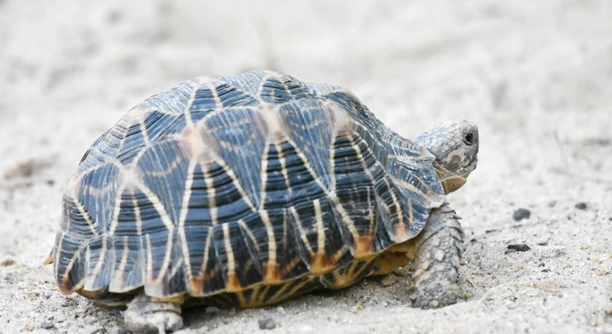
Caring for your Indian Star Tortoise is essential for ensuring its long, healthy life. Proper care and maintenance can significantly impact its lifespan. These tortoises need specific environmental conditions to thrive in both captivity and the wild.
To help your Indian Star Tortoise live longer, providing a suitable habitat, proper nutrition, regular health check-ups, and avoiding common mistakes is crucial. Creating an ideal environment and ensuring proper care can prevent illnesses and improve overall longevity for your tortoise.
Learning the key tips for enhancing your tortoise’s quality of life will ensure it remains happy and healthy.
Proper Housing for Your Indian Star Tortoise
Your Indian Star Tortoise needs a well-maintained habitat to stay healthy and live longer. A large enclosure with proper ventilation and space is crucial for its well-being. The habitat should replicate its natural environment as closely as possible. Provide a clean, dry, and warm area for your tortoise, including a basking spot with proper UV lighting. A temperature range between 80-90°F during the day and slightly cooler at night is ideal. Include hiding spots where your tortoise can retreat for privacy and stress relief. Make sure there is access to fresh water at all times.
For the substrate, use a mixture of organic soil, sand, or coconut coir that allows for proper drainage and can be easily cleaned. Keep the enclosure free of mold and bacteria. A large enclosure ensures that the tortoise can exercise, which contributes to its health.
Having the right housing conditions directly impacts your tortoise’s overall health. Keeping the enclosure dry and well-ventilated helps prevent respiratory issues. It’s crucial to maintain a consistent temperature and humidity level that mimics their natural habitat for optimal care.
Nutrition and Diet
Providing the right diet is essential for your tortoise’s health. Focus on a variety of leafy greens, vegetables, and grasses. Offer a balanced diet that’s high in fiber and low in protein to avoid kidney issues.
Ensure that your tortoise’s food is pesticide-free. Offering foods such as dandelion greens, clover, and collard greens can promote a long life. You should also occasionally include calcium supplements to support shell growth and bone health.
Proper Lighting for Your Indian Star Tortoise
UVB lighting is a must for your tortoise. It helps them synthesize vitamin D3, which is vital for calcium absorption and bone health. Ensure that the UVB bulb is placed close to the basking area, so your tortoise gets enough exposure.
Change the UVB bulbs regularly as their effectiveness diminishes over time, even if the light still appears to be working. Aim to provide 10-12 hours of light daily, mimicking natural sunlight. Avoid using regular household bulbs, as they do not provide the necessary UVB radiation your tortoise needs.
Also, make sure the tortoise can retreat to a shaded area when needed. Having access to both light and shade ensures they can regulate their body temperature and remain comfortable throughout the day.
Hydration and Water Quality
Your tortoise needs access to clean water at all times. It’s important to offer fresh water daily in a shallow dish. Ensure that the water level is low enough to prevent drowning.
Regularly change the water to keep it free from dirt and bacteria. Sometimes tortoises drink less, but they may soak in water to stay hydrated. Keep a shallow soaking dish to encourage this behavior, which will also help with shedding. Soaking is especially important if you live in a dry environment.
Maintaining hydration prevents dehydration, which can lead to health problems like kidney issues. A regular water change routine and clean soaking areas help prevent skin infections and other related issues.
Regular Health Check-ups
Taking your tortoise for regular check-ups is essential to ensure its long-term health. A vet that specializes in reptiles can help spot any underlying issues early.
Even if your tortoise seems healthy, having a professional check-up can prevent potential problems. Regular visits ensure that everything is in order and can help with early detection of health concerns.
Check-ups should include a thorough examination of the shell, eyes, skin, and internal organs. The vet may also test for parasites and monitor weight, providing recommendations for care adjustments as needed.
Exercise and Space
Providing plenty of space encourages your tortoise to roam and exercise. A larger enclosure gives your tortoise room to explore and stay active.
A sedentary lifestyle can lead to health issues like obesity or poor shell growth. Ensure that your tortoise gets ample room to roam, climb, and explore its environment. Activities like climbing rocks and basking promote healthy movement and prevent muscle atrophy.
FAQ
How often should I feed my Indian Star Tortoise?
Feeding your Indian Star Tortoise every other day is ideal. It’s important not to overfeed, as they can become overweight. Offer a variety of leafy greens, vegetables, and grasses. Portion control helps maintain a healthy diet without risking obesity.
Can my Indian Star Tortoise live outside?
Yes, your tortoise can live outside, but only if the climate is suitable. They thrive in warm environments and need a safe, enclosed space to roam. Ensure the enclosure is secure, free from predators, and offers both shaded and sunny areas.
What temperature is best for my tortoise’s habitat?
Your tortoise needs a temperature between 80-90°F during the day, with a drop of about 10°F at night. Use a thermometer to ensure the temperature stays consistent, and a heat lamp to provide warmth. Avoid temperature fluctuations that can stress your tortoise.
How do I keep my tortoise’s shell healthy?
Keep the shell clean and dry. Regularly inspect it for cracks, signs of disease, or fungal growth. Bathing your tortoise and ensuring proper hydration can help maintain its shell. A balanced diet with calcium supplements also promotes healthy shell growth.
Can my tortoise eat fruits?
Fruits should be offered sparingly. Too much fruit can lead to an imbalance in their diet, as it’s higher in sugar. Occasionally offering small pieces of fruit like papaya or melon is fine, but it should not be a daily part of their meals.
How can I prevent parasites in my tortoise?
Prevent parasites by maintaining a clean environment and offering fresh, pesticide-free food. Quarantine new tortoises before introducing them to your existing ones to prevent the spread of diseases. Regular vet check-ups are also necessary to monitor for parasites.
Why is my tortoise not eating?
There could be several reasons for a lack of appetite. Stress, improper temperature, or a diet that doesn’t meet nutritional needs are common causes. Check the habitat conditions, and ensure you are offering a variety of fresh foods. A vet visit might be needed if the issue persists.
Can my tortoise live with other tortoises?
Indian Star Tortoises are generally solitary animals. While they can coexist with others in the right environment, it’s important to ensure there is enough space and resources for each tortoise. Aggression and stress can occur if they feel crowded or territorial.
How often should I change the bedding in my tortoise’s habitat?
Change the bedding regularly to avoid the buildup of bacteria. Depending on the type of substrate you use, it’s important to clean it at least once a week or as needed. Spot cleaning daily will also help maintain a clean environment for your tortoise.
What do I do if my tortoise is shedding?
Shedding is a normal process for tortoises. Ensure your tortoise has access to fresh water and a humid environment to help with the shedding process. Gently soaking your tortoise in warm water can also aid in shedding and prevent skin issues.
Is it normal for my tortoise to sleep a lot?
Yes, tortoises tend to sleep more during cooler months or if they are not feeling well. However, prolonged periods of lethargy could indicate a health issue. Monitor your tortoise’s behavior, and consult a vet if you notice any concerning changes.
How can I tell if my tortoise is stressed?
Signs of stress in tortoises include reduced activity, lack of eating, hiding more often, or excessive scratching at the enclosure. Stress can result from environmental changes, improper habitat conditions, or an overcrowded enclosure. Addressing these factors can help reduce stress levels.
Can I take my tortoise outside in the winter?
It’s not safe to take your tortoise outside in the winter, as they are sensitive to temperature changes. During colder months, keep them indoors in a warm, controlled environment to prevent hypothermia or respiratory problems.
How do I know if my tortoise is healthy?
A healthy tortoise will be active, have clear eyes, and a smooth, intact shell. It should eat regularly, drink water, and show interest in its environment. Monitor its weight and behavior to ensure it’s in good health. If you notice changes, consult a vet.
What should I do if my tortoise has a respiratory infection?
Respiratory infections in tortoises can cause wheezing, nasal discharge, or labored breathing. If you notice these symptoms, isolate the tortoise and consult a vet immediately. Early treatment is crucial for recovery and preventing the infection from worsening.
Can I give my tortoise a bath?
Yes, you can give your tortoise a bath in warm water. This helps with hydration, cleaning, and shedding. Make sure the water is shallow enough to prevent drowning. Bathing your tortoise also aids in maintaining good hygiene.
How long do Indian Star Tortoises live?
Indian Star Tortoises can live for 30 to 50 years with proper care. Some may live even longer if given the right environment, diet, and regular check-ups. Their long lifespan makes them a significant commitment, so proper care is essential.
Can I keep my tortoise indoors?
Yes, you can keep your Indian Star Tortoise indoors, but you must create an environment that mimics the outdoors. Provide UVB lighting, a proper heat source, and an enclosure that allows your tortoise to move freely. Regular cleaning and a balanced diet are also essential for indoor care.
What are signs of shell damage?
Signs of shell damage include cracks, discoloration, soft spots, or any open wounds. If you notice any of these, immediately consult a vet for proper treatment. Regular cleaning and careful handling can prevent damage and ensure your tortoise’s shell stays intact.
Final Thoughts
Taking care of your Indian Star Tortoise involves more than just providing food and water. It requires creating the right environment and maintaining consistent care to ensure its well-being. Regular check-ups, a balanced diet, and proper habitat conditions are key to supporting its health and longevity. By understanding your tortoise’s needs, you can avoid common health issues and provide a happier, longer life for your pet.
Proper attention to diet is essential, but it’s just one aspect of care. Ensuring that your tortoise has enough space to roam, a safe environment, and the right temperature are all important. Additionally, understanding signs of stress, illness, or discomfort is vital in addressing potential health problems early. Regular baths, access to clean water, and safe sunlight exposure can help prevent skin and shell issues, promoting overall health.
Indian Star Tortoises are rewarding pets that require a significant amount of care. Though they are relatively low-maintenance, they thrive in environments where their basic needs are met. By paying attention to their specific care requirements, such as appropriate diet and space, you can enjoy having a healthy, happy tortoise for many years. With proper care, your tortoise can thrive in a well-maintained habitat, contributing to a fulfilling and lasting relationship with your pet.

Hello,
If you enjoy the content that we create, please consider saying a "Thank You!" by leaving a tip.
Every little bit helps us continue crafting quality advice that supports the health, happiness, and well-being of pets around the world, for pets of all shapes, sizes, and species.
We really appreciate the kindness and support that you show us!