
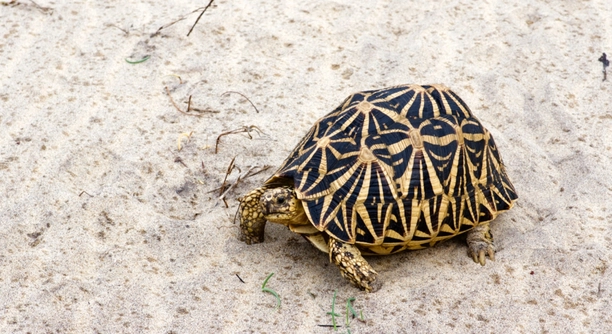
The Indian Star Tortoise is known for its unique appearance and behavior. However, not much is understood about their mating habits. These fascinating creatures have a distinctive approach to reproduction that is worth exploring.
Indian Star Tortoises exhibit complex mating rituals that include vocalizations and physical displays. These tortoises may also engage in head-bobbing and shell bumping to communicate readiness. Mating often occurs during the monsoon season, providing the ideal conditions for reproduction.
Understanding these behaviors can shed light on the life cycle of the Indian Star Tortoise. The insights reveal interesting facts that contribute to their survival in the wild.
The Mating Rituals of Indian Star Tortoises
Indian Star Tortoises are unique in the way they engage in mating. During the mating season, males show their interest by chasing females. They often engage in head-bobbing and shell-bumping, which are signals of readiness. These interactions are part of a ritual to establish dominance and attract the attention of the female. Male tortoises may also produce vocalizations to communicate their intentions. These sounds are subtle but serve to get the female’s attention. Once the male is successful in getting the female’s attention, he attempts to mount her. This can sometimes take time and may involve multiple attempts. Their mating behavior is influenced by environmental factors, especially temperature and humidity, which can play a key role in determining the timing of reproduction.
The female plays an important role in the process, as she will often move around to assess the male’s behavior before accepting him. Once the female is ready to mate, the process is relatively quick but requires precise coordination.
After mating, the female typically moves to a secluded area to lay her eggs. She will dig a hole in the soil where she deposits them. The eggs are then left to incubate on their own, relying on the temperature of the environment to provide the necessary warmth for development. This method of reproduction is relatively common among reptiles and has evolved to ensure the survival of the species. Once the eggs hatch, the young tortoises begin their independent lives, starting a new cycle of life in the wild.
Why Temperature Matters for Indian Star Tortoises
Temperature plays a significant role in the success of tortoise mating. The conditions are carefully chosen to ensure the eggs’ proper development.
A suitable environment is essential for the Indian Star Tortoise’s reproduction. Temperature determines when they breed and influences the chances of the eggs hatching successfully. During the mating season, females need warmth for optimal egg incubation. Males also rely on warmth for energy during mating displays. When temperatures fluctuate outside the ideal range, it can cause delays or even prevent mating from occurring. These fluctuations can also affect the health of the eggs and the hatchlings. Because of this, the tortoises prefer the monsoon season, as it offers stable conditions. The combination of warmth and humidity in the monsoon season creates an environment where reproduction is most successful. By understanding how environmental factors affect their behavior, researchers can work towards better conservation methods.
The Role of Head-Bobbing in Courtship
Head-bobbing is one of the key behaviors that male Indian Star Tortoises use to get the attention of females. This display involves rapid movements of the head up and down. It is often done in a rhythmic pattern, signaling the male’s intentions.
This behavior serves multiple purposes. The first is to show that the male is strong and ready to mate. By performing the head-bobbing, the male hopes to attract the female’s attention. It also helps him stand out in the environment, making his presence known. Female tortoises may not immediately respond to the display, but they observe the male’s behavior. In some cases, the head-bobbing can be seen as a test of endurance. The male needs to maintain the display for a longer period to show his fitness.
For males, this is a vital step in securing a mate. If the female finds the display convincing enough, she may approach, allowing the male to proceed with courtship.
Shell-Bumping During Mating
Shell-bumping is another unique part of the Indian Star Tortoise mating ritual. This behavior occurs when a male and female interact during the mating process. The male will use his shell to gently bump the female’s, signaling his interest.
The act of shell-bumping is often seen after the male has performed his head-bobbing display. It’s a way for the male to get closer to the female and encourage her to remain still. The bumps are soft and rhythmic, not aggressive. They are meant to be playful, though they serve a practical purpose in courtship. The male may repeat the shell-bumping action several times. This helps build a bond and makes the female feel more comfortable. Once the female is receptive, mating can occur. The shell-bumping provides a non-threatening way for the male to assert his presence without forcing an immediate response.
This behavior is critical in ensuring that mating takes place smoothly and successfully. It also reflects the overall gentle nature of the species when it comes to reproduction.
The Influence of Season on Reproduction
The monsoon season is critical for the mating habits of Indian Star Tortoises. The seasonal rains bring both moisture and warmth, creating the ideal environment for breeding. This time also ensures that food is abundant, supporting the energy needs of both males and females.
During the monsoon, temperatures rise, and humidity levels are perfect for mating. These conditions are crucial as they help in egg development and survival. The tortoises are more active during this time, making it the most common period for mating. The availability of food and water also supports the overall health of the tortoises, improving their chances of successful reproduction.
Seasonal changes significantly affect the timing of mating. The tortoises have adapted to breed during these favorable conditions to maximize their reproductive success.
How Mating Displays Vary Between Males
Not all male Indian Star Tortoises will perform their courtship displays the same way. Each male may vary slightly in the way he exhibits head-bobbing, shell-bumping, or vocalizations. These differences can be subtle, but they still matter.
Some males may perform more exaggerated head-bobbing movements to show their strength, while others may use more frequent, softer displays to appear less threatening. The nature of these displays can depend on the individual male’s personality and energy levels. In some cases, a more persistent male may continue his courtship longer to catch the female’s attention.
These variations in courtship strategies can influence mating success. Females may prefer certain behaviors over others, with some responding better to more persistent or energetic displays.
Female Behavior in Mating
Female Indian Star Tortoises also play an active role in the mating process. They assess the males through observation and will often show interest only when they are ready.
Females take their time evaluating the male’s actions and are more likely to engage when they perceive the male’s behavior as suitable for mating. They are often observed to move away or ignore males who display weakness or poor stamina.
FAQ
How long do Indian Star Tortoises mate?
Mating between Indian Star Tortoises typically lasts only a short time, often between 15 minutes to an hour. The length of the mating process can vary depending on several factors, including the female’s receptiveness and the male’s persistence. While the initial courtship displays, such as head-bobbing and shell-bumping, can take longer, the actual mating itself is relatively quick. The entire mating sequence, from the first displays to the completion, usually occurs within a couple of hours.
Do Indian Star Tortoises mate for life?
No, Indian Star Tortoises do not mate for life. Their mating behavior is mostly seasonal, with males and females coming together during the breeding season. After mating, the tortoises typically part ways and do not form long-term bonds. Their relationships are more about reproduction than companionship, with mating occurring when environmental conditions are optimal.
When do Indian Star Tortoises reach sexual maturity?
Indian Star Tortoises generally reach sexual maturity at around 5 to 7 years old. However, the exact age can vary based on environmental factors such as diet and habitat. Females tend to mature a little later than males. Sexual maturity is marked by the ability to engage in mating, although tortoises may not actively breed until conditions are right.
How can I tell if a female Indian Star Tortoise is ready to mate?
A female Indian Star Tortoise typically shows signs of readiness through increased activity and behavior changes. She may become more receptive to the male’s courtship displays, including head-bobbing and shell-bumping. Additionally, females might exhibit behaviors such as digging or seeking out specific areas for nesting, signaling their readiness for mating and egg-laying.
What role does temperature play in Indian Star Tortoise mating?
Temperature plays a significant role in Indian Star Tortoise mating. During the breeding season, which usually coincides with the monsoon season, the warm temperatures and high humidity levels create an ideal environment for mating. These conditions promote the successful fertilization of eggs and enhance the likelihood of healthy hatchlings. Cold weather, on the other hand, can delay or prevent mating from occurring.
How often do Indian Star Tortoises reproduce?
Indian Star Tortoises typically breed once a year, during the monsoon season. The frequency of reproduction depends on environmental conditions and the health of the tortoises. Males may mate with multiple females during the breeding season, while females will lay a clutch of eggs after successful mating. However, they do not reproduce year-round, and mating only occurs during the optimal season for egg development.
How does the mating process differ in the wild versus captivity?
In the wild, the mating process of Indian Star Tortoises is influenced by natural environmental factors, such as temperature and food availability. These factors help regulate the breeding cycle. In captivity, however, the process may be affected by artificial conditions like controlled temperatures, diet, and the absence of seasonal cues. While the basic courtship behaviors remain the same, mating success in captivity may require more careful monitoring to ensure optimal conditions for reproduction.
What do male Indian Star Tortoises do if a female is not interested?
If a female Indian Star Tortoise is not interested in mating, the male will often stop his courtship displays. However, he may continue to follow her, trying to get her attention with head-bobbing or shell-bumping. If the female remains uninterested, the male may move on to another female. Unlike some animals, Indian Star Tortoises do not engage in aggressive mating attempts when faced with rejection.
Can Indian Star Tortoises mate with other species?
Indian Star Tortoises are generally specific in their mating preferences and do not typically mate with other species. While they may coexist with other tortoise species in shared habitats, mating usually occurs within their own species. The behavior, size, and reproductive timing of different tortoise species often prevent interbreeding, as they require specific environmental cues and courtship behaviors for successful reproduction.
How do Indian Star Tortoises care for their eggs?
Indian Star Tortoises do not provide care for their eggs once laid. After mating, the female will find a suitable spot to dig a nest, where she will deposit her eggs. She covers the eggs with soil and leaves, ensuring that they remain insulated and protected from the elements. The eggs rely on the temperature of the surrounding environment for incubation. After about 90 to 120 days, the eggs will hatch, and the young tortoises emerge independently.
How long is the incubation period for Indian Star Tortoise eggs?
The incubation period for Indian Star Tortoise eggs generally lasts between 90 and 120 days, depending on environmental conditions such as temperature and humidity. Warmer temperatures tend to speed up the development process, while cooler conditions may delay hatching. The eggs require stable conditions for the best chance of successful hatching. Once the young tortoises hatch, they are fully independent and begin their lives in the wild or in captivity.
Final Thoughts
The mating process of Indian Star Tortoises is shaped by various factors, including environmental conditions, temperature, and seasonal changes. These tortoises are most active during the monsoon season, a time when food is abundant and the weather supports their breeding needs. The monsoon rains provide the warmth and moisture that are essential for successful mating, egg development, and hatchling survival. This seasonal timing ensures that the tortoises reproduce under the best possible conditions, which is crucial for their continued survival in the wild.
While their courtship behavior might seem simple, there are distinct differences in how each male approaches mating. Male tortoises may use a combination of head-bobbing, shell-bumping, and vocalizations to attract a mate. These behaviors can vary in intensity, with some males being more persistent than others. Female tortoises, on the other hand, take their time to assess these courtship displays, showing preference for males that demonstrate strength and stamina. The process emphasizes the importance of both the male’s efforts and the female’s willingness to mate, contributing to the species’ overall reproductive success.
Understanding these patterns is crucial for those who care for or study Indian Star Tortoises. Whether in the wild or in captivity, knowledge of their mating habits can help in providing the best environment for them to thrive. This includes ensuring the proper temperature, humidity, and seasonal cues for successful breeding. While mating is a natural part of their life cycle, it is essential to remember that conservation efforts, such as habitat protection and controlled breeding programs, play a key role in sustaining the species for future generations.

Hello,
If you enjoy the content that we create, please consider saying a "Thank You!" by leaving a tip.
Every little bit helps us continue crafting quality advice that supports the health, happiness, and well-being of pets around the world, for pets of all shapes, sizes, and species.
We really appreciate the kindness and support that you show us!