
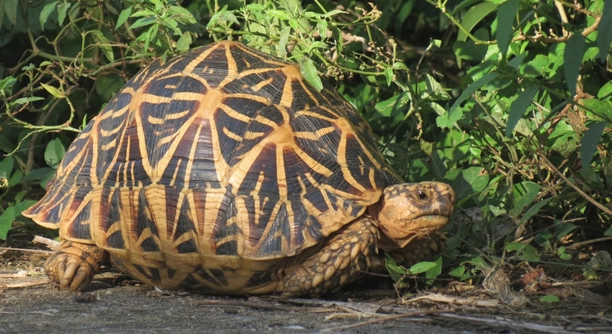
Are you setting up a tank for your Indian star tortoise but feel unsure about common mistakes that could harm their habitat?
The most critical errors when setting up an Indian star tortoise tank include improper substrate, incorrect lighting, and poor humidity control. Avoiding these mistakes is essential to maintain their health and create a suitable environment.
Even small errors can lead to stress or illness for your tortoise. Learning these key pitfalls will help you craft a safe, comfortable home for your new companion.
Using the Wrong Substrate
A proper substrate is essential for your Indian star tortoise’s health. Many owners choose sand or gravel, but these materials can cause impaction if swallowed. The best choices are coconut coir, cypress mulch, or organic topsoil. These substrates retain moisture well, helping to maintain humidity without becoming overly damp. Additionally, they provide a soft surface that encourages natural digging behaviors. Avoid synthetic mats, as they do not support burrowing and can cause stress. Make sure to keep the substrate clean by spot-cleaning daily and fully replacing it monthly to prevent bacteria buildup.
A dry or overly damp substrate can cause respiratory issues or shell problems. Using a suitable material with the right moisture balance will promote a healthy environment for your tortoise.
Choosing the right substrate not only supports natural behaviors but also helps maintain stable humidity, keeping your tortoise comfortable and reducing health risks.
Inadequate Lighting and Heating
Without proper lighting and heating, your Indian star tortoise can suffer from metabolic bone disease and weakened immunity. UVB lighting is essential for calcium absorption, while a basking spot keeps their body temperature regulated for digestion and activity.
Ensure your tortoise has access to both UVB light and a basking lamp. Place the UVB bulb above the tank, covering about two-thirds of the enclosure. The basking spot should maintain a temperature of 95°F, while the cooler side should be around 75°F. Use thermometers to monitor these temperatures consistently. Additionally, provide a 12-hour day/night cycle to mimic natural sunlight patterns. Replace UVB bulbs every 6 to 12 months, as their effectiveness decreases over time.
With the right lighting and temperature setup, your tortoise will stay healthy, active, and stress-free. Consistent conditions help them absorb nutrients properly, supporting strong bones and overall well-being.
Ignoring Proper Humidity Levels
Low humidity can cause pyramiding, a shell deformity that affects tortoise health. Indian star tortoises need humidity levels between 60% and 80%. Use a digital hygrometer to monitor levels and mist the enclosure daily to maintain the proper range.
A humid hide is essential for maintaining shell health. Place a small shelter filled with damp sphagnum moss inside the enclosure. This spot provides a moist retreat for your tortoise to regulate its hydration. Additionally, covering part of the tank with a lid or plastic sheet can help retain humidity without soaking the entire enclosure.
Improper humidity can lead to respiratory infections or shell deformities. Maintaining consistent moisture levels supports your tortoise’s growth and overall well-being. Regularly check the humidity and adjust as needed, especially during seasonal changes when indoor air becomes drier.
Overcrowding the Enclosure
Too many decorations or a small tank can limit your tortoise’s movement and cause stress. Indian star tortoises need space to roam freely, so aim for at least a 4×2-foot enclosure for one adult tortoise. A larger space is always better for their well-being.
An open floor plan with natural items, such as logs and flat rocks, encourages exploration without restricting movement. Avoid cluttering the tank with unnecessary decorations that can cause injury or stress. Include shaded areas and hiding spots to make the space feel safe, but keep pathways clear for walking.
Overcrowding limits exercise and natural behaviors, leading to boredom and stress. Keeping the enclosure open and spacious promotes healthy activity and prevents behavioral issues. A well-balanced habitat ensures your tortoise stays happy and active.
Using the Wrong Diet
A poor diet can cause health issues like soft shells and organ damage. Indian star tortoises need a high-fiber, low-protein diet. Feed them grasses, hay, and leafy greens. Avoid fruits, as they are too sugary for their digestive system.
Calcium is crucial for healthy shell growth. Provide calcium supplements two to three times a week. You can also add a cuttlebone to the enclosure, which helps them get calcium while naturally wearing down their beak.
Neglecting Clean Water
Dirty water can lead to infections and dehydration. Always provide a shallow, clean water dish large enough for soaking. Change the water daily and clean the dish regularly to prevent bacteria buildup.
Skipping Regular Health Checks
Tortoises hide illnesses, so regular checks are important. Look for signs like swollen eyes, soft shells, or unusual behavior. Early detection can prevent serious health issues and keep your tortoise healthy.
FAQ
How often should I clean my Indian star tortoise’s tank?
Spot-clean the tank daily by removing waste and uneaten food. Deep-clean the enclosure once a month by replacing the substrate and disinfecting the tank, hides, and water dishes with reptile-safe cleaner.
What is the ideal temperature for an Indian star tortoise tank?
Maintain a basking spot at 95°F and keep the cooler side of the tank around 75°F. Use a ceramic heat emitter or basking lamp and monitor temperatures with digital thermometers to avoid sudden changes.
Do Indian star tortoises need a night light?
No, they do not need light at night. Tortoises require a natural day-night cycle. Use a ceramic heat emitter if you need to maintain warmth without disturbing their sleep.
How deep should the substrate be?
Provide at least 3 inches of soft, moisture-retentive substrate, such as coconut coir or organic topsoil. This depth allows your tortoise to burrow comfortably, which is essential for their natural behavior.
Can Indian star tortoises live with other tortoises?
It is best to house them separately. Indian star tortoises are shy and territorial. Keeping them alone prevents stress, fights, and injuries. If you must house multiples, ensure the space is large and offers multiple hiding spots.
How long should the UVB light be on each day?
Keep the UVB light on for 10 to 12 hours daily to mimic natural sunlight. This is crucial for their calcium absorption and bone health. Turn it off at night to maintain a proper day-night cycle.
Can I feed my Indian star tortoise fruits or vegetables?
Limit fruits, as they are too sugary and can cause digestive issues. Focus on grasses, hay, and leafy greens like dandelion and collard greens. You can occasionally offer vegetables such as squash or pumpkin.
How often should I soak my Indian star tortoise?
Soak your tortoise two to three times a week for about 20 minutes. This helps with hydration and prevents shell deformities. Use shallow, lukewarm water and let them walk around freely during the soak.
What size tank does an Indian star tortoise need?
One adult tortoise needs at least a 4×2-foot enclosure. A larger space is always better, as it allows them to explore and exercise. For outdoor enclosures, ensure they are escape-proof and have shaded areas.
Can I use tap water for my tortoise?
Yes, but it’s best to use dechlorinated tap water. If your tap water contains high chlorine levels, let it sit for 24 hours before use or use a reptile-safe water conditioner.
How can I tell if my tortoise is stressed?
Watch for signs such as hiding for long periods, refusing food, or pacing the tank. Stress is often caused by incorrect temperatures, poor lighting, or a small enclosure. Address these issues promptly to keep them comfortable.
Do Indian star tortoises hibernate?
No, they do not hibernate. Indian star tortoises are from warm climates and remain active year-round. Keep their temperature and lighting stable, especially during colder months.
Can I use sand in my tortoise enclosure?
Avoid using sand. It can cause impaction if swallowed and is too dry for their needs. Use coconut coir, cypress mulch, or organic topsoil for a safe and comfortable habitat.
How do I prevent shell pyramiding?
Maintain proper humidity levels between 60% and 80%, provide UVB lighting, and feed a high-fiber, low-protein diet. Consistent soaks and a humid hide also help prevent shell deformities.
Can I handle my Indian star tortoise often?
Limit handling to reduce stress. Indian star tortoises are shy and prefer their own space. If you do handle them, be gentle and support their entire body to prevent injury.
Final Thoughts
Caring for an Indian star tortoise requires attention to detail, but with the right setup, you can create a safe and comfortable home. Avoiding common mistakes like improper substrate, poor lighting, and low humidity will keep your tortoise healthy and happy. Providing a spacious enclosure with natural elements helps them feel secure and allows them to express their natural behaviors. Consistency with their diet, lighting, and temperature is key to supporting their growth and overall well-being.
It is important to observe your tortoise regularly and make adjustments as needed. Small changes, such as improving humidity or offering more variety in their diet, can prevent health issues before they start. Regular health checks, proper soaking routines, and a clean environment all play a role in keeping your tortoise healthy. Paying attention to their behavior can also help you spot signs of stress or illness early, giving you time to address any problems.
Taking the time to understand your tortoise’s needs will help them thrive for years to come. With proper care, Indian star tortoises can live long, healthy lives and bring joy to your home. Although they are delicate, careful attention to their environment and habits can prevent most common issues. Providing the right balance of warmth, humidity, and nutrition will ensure their well-being and help them grow strong and healthy.

Hello,
If you enjoy the content that we create, please consider saying a "Thank You!" by leaving a tip.
Every little bit helps us continue crafting quality advice that supports the health, happiness, and well-being of pets around the world, for pets of all shapes, sizes, and species.
We really appreciate the kindness and support that you show us!