
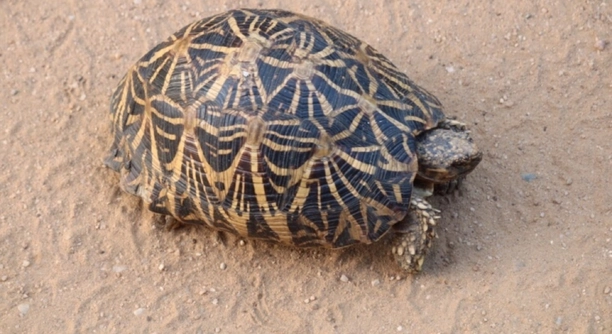
Are your Indian star tortoise’s breathing patterns changing, or do they seem less active than usual? Respiratory problems can be a concern, but with the right care, you can prevent them and keep your tortoise healthy.
The best way to prevent respiratory problems in your Indian star tortoise is by maintaining proper humidity levels, ensuring a clean enclosure, and providing a well-balanced diet. Stable temperatures, adequate ventilation, and regular health checks also play a key role in prevention.
Understanding these factors will help you create a safe environment for your tortoise. By making small adjustments, you can reduce risks and ensure they thrive for years to come.
Maintain the Right Humidity Levels
Indian star tortoises need a specific humidity level to stay healthy. If their enclosure is too dry, they can develop respiratory problems. On the other hand, excessive humidity can lead to bacterial and fungal infections. Keeping humidity between 60-80% is ideal for their well-being. Use a hygrometer to monitor levels and adjust as needed. Adding a shallow water dish and misting the enclosure occasionally can help. However, avoid making the habitat too damp, as stagnant moisture can cause health issues. Providing proper substrate, like coconut fiber or sphagnum moss, helps maintain a stable humidity level.
A well-balanced humidity level ensures your tortoise breathes comfortably and avoids respiratory distress. Making small adjustments can go a long way in preventing issues.
If you notice your tortoise wheezing, struggling to breathe, or having a runny nose, check the humidity first. Addressing this early can prevent more serious health concerns.
Keep the Enclosure Clean
A dirty enclosure can quickly become a breeding ground for bacteria, leading to respiratory infections. Regular cleaning removes waste, uneaten food, and mold that could harm your tortoise. Spot-clean daily and do a deep clean at least once a month.
Using a substrate that absorbs moisture without staying too wet is important. Dirty or damp bedding can contribute to bacterial growth, increasing the risk of illness. Choose natural, absorbent materials like cypress mulch or coconut husk. These help maintain cleanliness while providing a comfortable surface for your tortoise. Also, avoid using strong chemical cleaners, as the fumes can irritate their respiratory system. Mild soap and warm water work best.
Proper ventilation is equally important. Without it, harmful bacteria and mold can thrive. Ensure the enclosure has adequate airflow to keep the environment fresh. Making these changes can significantly lower the risk of respiratory problems.
Provide a Stable Temperature
Temperature fluctuations can weaken your tortoise’s immune system, making them more vulnerable to respiratory infections. Keep their enclosure between 75-85°F during the day and no lower than 70°F at night. Using a high-quality heat source helps maintain consistency.
A basking spot of around 90-95°F is essential for digestion and overall health. Without it, your tortoise may become lethargic, affecting their ability to fight off infections. Place a heat lamp on one side of the enclosure to create a temperature gradient. This allows your tortoise to move between warmer and cooler areas as needed. Avoid heat rocks, as they can cause burns. Always use a thermometer to monitor temperatures.
Cold drafts can also lead to respiratory problems. Keep the enclosure away from windows, air vents, and doors where sudden temperature changes may occur. Insulating the enclosure during colder months can help keep conditions stable.
Ensure Proper Ventilation
Poor ventilation can trap moisture and bacteria, leading to respiratory infections. A well-ventilated enclosure allows fresh air to circulate while preventing excessive humidity buildup. Avoid completely enclosed setups that limit airflow, as stagnant air can encourage bacterial growth.
Using a mesh-top enclosure or providing small ventilation holes can help maintain air quality. If you use a closed enclosure, make sure to open it occasionally to allow fresh air in. Avoid placing the enclosure in an area with poor airflow, like a damp basement or a cramped space. A small fan, placed away from the enclosure, can help with air circulation. However, avoid strong drafts, as they can cause stress and temperature fluctuations.
Cleaning the enclosure regularly also improves air quality. Waste and uneaten food can lead to ammonia buildup, which can irritate your tortoise’s respiratory system. A fresh, well-ventilated space keeps your tortoise breathing comfortably and reduces health risks.
Offer a Balanced Diet
A nutritious diet strengthens your tortoise’s immune system, helping prevent respiratory infections. Feed a variety of leafy greens, grasses, and occasional fruits. Avoid high-protein foods, as they can cause health issues. A calcium supplement with vitamin D3 supports strong bones and overall health.
Dehydration can also weaken immunity. Provide fresh water daily in a shallow dish. Soaking your tortoise in lukewarm water a few times a week helps with hydration. Foods with high water content, like cucumbers and aloe vera, can also support hydration. Proper nutrition keeps your tortoise strong and less prone to illness.
Watch for Early Signs of Illness
Lethargy, wheezing, nasal discharge, or open-mouth breathing can indicate respiratory issues. If you notice these symptoms, check humidity, temperature, and enclosure cleanliness. Acting quickly can prevent the condition from worsening and requiring veterinary intervention.
Schedule Regular Vet Checkups
Annual checkups help catch potential health issues before they become serious. A vet can assess your tortoise’s breathing, overall condition, and provide guidance on proper care. If symptoms appear, seek professional help immediately to prevent complications.
FAQ
What are the main causes of respiratory infections in Indian star tortoises?
Respiratory infections are often caused by low temperatures, excessive humidity, or poor enclosure hygiene. A dirty environment allows bacteria to grow, while unstable temperatures weaken the immune system. Poor ventilation and a lack of proper UVB lighting can also contribute to respiratory issues. Stress from handling or sudden habitat changes may make your tortoise more vulnerable.
How can I tell if my tortoise has a respiratory infection?
Common signs include wheezing, open-mouth breathing, nasal discharge, and lethargy. Your tortoise may also show less interest in food or struggle to keep its eyes open. If the condition worsens, you might notice frequent yawning, gasping, or excessive mucus around the nostrils. Monitoring behavior closely helps catch symptoms early.
Can a respiratory infection go away on its own?
Mild cases may improve if environmental conditions are corrected quickly. However, respiratory infections can become severe if left untreated. If your tortoise continues to show symptoms despite changes to humidity, temperature, and cleanliness, a vet visit is necessary. Delaying treatment can lead to pneumonia, which is life-threatening.
What should I do if my tortoise is wheezing or breathing heavily?
Check the enclosure’s temperature and humidity levels first. Ensure that the basking spot is warm enough and that the overall temperature does not drop too low at night. Improve ventilation if needed. If symptoms persist, isolate your tortoise from others and consult a reptile veterinarian for proper treatment.
How can I improve my tortoise’s immune system to prevent respiratory issues?
A well-balanced diet with calcium and vitamin D3 supplements helps keep your tortoise strong. Proper UVB lighting supports immune function and overall health. Keeping stress levels low, ensuring stable temperatures, and providing clean water also contribute to a stronger immune system. Hydration and regular soaking can further support health.
Is high humidity always bad for Indian star tortoises?
Indian star tortoises require moderate humidity, around 60-80%. Excessive humidity, especially in an unventilated space, can encourage bacterial growth and lead to infections. However, too little humidity can cause dehydration and shell problems. Maintaining the right balance is key to keeping your tortoise healthy.
Can I use a humidifier in my tortoise’s enclosure?
A humidifier can be useful if your home’s air is too dry, but it should be used with caution. Overuse can make the enclosure too damp, leading to respiratory issues. If you use one, monitor humidity levels with a hygrometer to keep conditions stable.
What type of bedding is best for preventing respiratory infections?
Coconut fiber, cypress mulch, and sphagnum moss are good options, as they help regulate humidity without becoming too wet. Avoid pine or cedar shavings, as their strong scents and oils can irritate your tortoise’s respiratory system. Keeping bedding clean and dry reduces the risk of bacterial buildup.
How often should I clean my tortoise’s enclosure?
Spot-cleaning should be done daily by removing waste and uneaten food. A deep clean, including replacing substrate and disinfecting surfaces, should be done at least once a month. Using a mild, reptile-safe cleaner prevents harmful fumes from affecting your tortoise’s breathing.
Can stress cause respiratory infections in tortoises?
Yes, stress weakens the immune system, making your tortoise more susceptible to infections. Frequent handling, sudden changes in temperature, or introducing new animals to the enclosure can cause stress. Providing a stable, quiet environment with minimal disturbances helps prevent health issues.
Should I separate a sick tortoise from others?
If you have multiple tortoises, isolating a sick one prevents the illness from spreading. Respiratory infections can be contagious, so keeping the affected tortoise in a separate enclosure with optimal conditions ensures a better recovery while protecting the others.
When should I take my tortoise to the vet for respiratory issues?
If symptoms persist for more than a few days despite environmental adjustments, a vet visit is necessary. Severe signs like gasping for air, excessive mucus, or extreme lethargy require immediate attention. A vet can prescribe antibiotics or other treatments to help your tortoise recover.
Final Thoughts
Preventing respiratory problems in your Indian star tortoise comes down to maintaining the right environmental conditions. Keeping humidity at the proper level, ensuring stable temperatures, and providing good ventilation all play a key role in keeping your tortoise healthy. A clean enclosure reduces bacteria growth, while a well-balanced diet supports a strong immune system. Small adjustments, like using a hygrometer to monitor humidity or placing the enclosure in a draft-free area, can make a big difference. By being proactive and creating the right habitat, you can significantly lower the risk of respiratory issues.
Regular observation is important in catching early signs of illness. Wheezing, open-mouth breathing, nasal discharge, or lethargy should never be ignored. If you notice any of these symptoms, check the enclosure’s conditions and make necessary changes. Sometimes, simple fixes like increasing the temperature or improving airflow can help. However, if symptoms persist, a vet visit is essential. Respiratory infections can worsen quickly, and professional treatment can prevent serious complications. Acting quickly when something seems off can save your tortoise from prolonged discomfort and health risks.
Caring for an Indian star tortoise requires attention to detail, but it is rewarding to see them thrive in a well-maintained environment. Every tortoise has unique needs, so monitoring their behavior helps you understand what works best for them. Making small, consistent efforts in enclosure maintenance, diet, and health checks will keep your tortoise happy and active for years to come. With the right care, you can ensure they stay strong, healthy, and free from respiratory problems.

Hello,
If you enjoy the content that we create, please consider saying a "Thank You!" by leaving a tip.
Every little bit helps us continue crafting quality advice that supports the health, happiness, and well-being of pets around the world, for pets of all shapes, sizes, and species.
We really appreciate the kindness and support that you show us!