
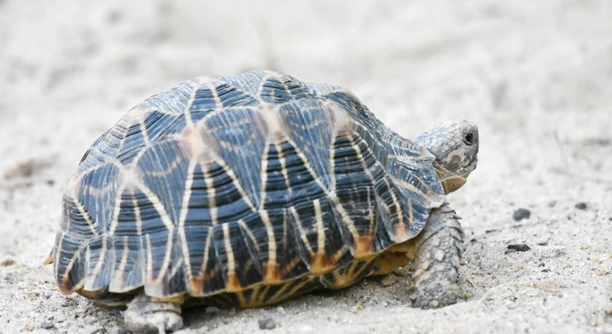
Indian Star Tortoises are wonderful pets, but like all reptiles, they can face health challenges. Understanding these issues is key to keeping them happy and healthy for years. Here are common problems to look out for.
Indian Star Tortoises can suffer from a variety of health issues, including respiratory infections, shell rot, parasites, and improper diet. Proper care, regular vet visits, and a balanced environment can help prevent and treat these conditions effectively.
Knowing how to address these health issues will help you provide better care for your tortoise. Keep reading to learn how to fix these common problems.
Respiratory Infections in Indian Star Tortoises
Respiratory infections are a common issue for Indian Star Tortoises, and they can be caused by several factors such as poor humidity levels, sudden temperature changes, or overcrowding. Tortoises that experience difficulty breathing, have runny noses, or display lethargy are often suffering from this issue. If not addressed quickly, respiratory infections can become more severe and even lead to long-term health problems. Keeping the enclosure temperature stable and ensuring proper humidity levels can prevent these infections. It’s essential to monitor your tortoise closely and seek prompt veterinary care if symptoms appear.
Many tortoise owners may not realize that improper housing conditions can contribute significantly to respiratory infections. Tortoises require a consistent environment with controlled humidity and temperature. A humid hide or an enclosure with proper ventilation can help create the ideal conditions to prevent these infections. If your tortoise starts showing symptoms of a respiratory issue, taking it to a vet immediately can help prevent complications.
Providing optimal living conditions is key. Ensuring your tortoise stays comfortable can help avoid respiratory infections in the future.
Shell Rot: How to Spot and Treat It
Shell rot is another concern for Indian Star Tortoises. This condition is often caused by poor hygiene, damp living conditions, or injury to the shell. It’s easy to identify shell rot by looking for discolored or soft patches on the shell, which may also produce a foul odor. If left untreated, shell rot can become severe, potentially leading to permanent shell damage.
To prevent shell rot, it’s important to regularly clean your tortoise’s habitat and ensure that it stays dry. If the tortoise experiences an injury to the shell, you should disinfect the wound to prevent infection. Treatment for shell rot typically includes keeping the tortoise in a clean, dry environment and applying specific medications or ointments recommended by a vet. Ensuring that your tortoise has access to sunlight or UVB light also supports healthy shell growth.
A clean and dry environment can go a long way in preventing shell rot. Taking care of your tortoise’s shell will keep it healthy for years.
Parasites in Indian Star Tortoises
Parasites can be a hidden issue for tortoises, often showing no immediate signs of trouble. Common parasites include internal worms and external mites. Symptoms can include weight loss, lethargy, or abnormal stool. A vet can help identify these problems through fecal tests. Regular deworming treatments, as advised by your vet, can help keep your tortoise healthy and parasite-free.
To prevent parasites, make sure your tortoise’s habitat is kept clean and dry. Regularly change bedding and provide fresh water. If your tortoise has access to outdoor areas, be cautious about potential contamination from other animals. Quarantining new tortoises or animals is also a good practice.
Proper care and cleanliness can prevent many parasitic infections. Keeping a close eye on your tortoise’s behavior and health will ensure early detection and treatment.
Improper Diet and Malnutrition
An improper diet can cause a variety of health issues for Indian Star Tortoises. A diet lacking in essential nutrients can lead to metabolic bone disease, weak shells, or stunted growth. Feeding your tortoise a variety of leafy greens, grasses, and occasional fruits is key. It’s important to avoid high-protein foods or foods rich in oxalates, as they can cause problems in the long run.
Tortoises also need a proper calcium and vitamin D3 intake for healthy bone growth. Providing a supplement or ensuring exposure to UVB light can help your tortoise absorb calcium more effectively. Malnutrition can be prevented by offering a well-rounded diet and avoiding overfeeding with high-fat or sugary foods.
A proper diet and careful attention to nutritional balance are essential for maintaining your tortoise’s health. With the right food, your tortoise can grow strong and thrive.
Dehydration in Indian Star Tortoises
Dehydration is a common problem in tortoises, often caused by inadequate water intake or a dry environment. Signs include sunken eyes, dry skin, and lethargy. Offering fresh water daily and providing a humid hide can prevent dehydration. Always make sure your tortoise has access to water and high-humidity areas.
A balanced hydration routine will help your tortoise stay healthy and active. Regular misting and providing a shallow water dish for soaking can also support hydration, especially in dry climates. If dehydration persists, consult with a vet for further care and treatment.
Proper hydration helps maintain your tortoise’s well-being and prevent many health issues. Keep water readily available to your tortoise at all times.
Obesity in Indian Star Tortoises
Obesity can be a problem if a tortoise is overfed or given high-fat foods. Too much food or poor-quality food can lead to weight gain, putting stress on their organs. Signs include lethargy, difficulty moving, and a distended body. It’s important to monitor your tortoise’s diet and avoid overfeeding.
A well-balanced diet with controlled portions is the best approach. Offering a variety of grasses and leafy greens will provide nutrients without the risk of excessive fat. Make sure your tortoise gets plenty of time to roam and exercise to maintain a healthy weight. Regular weight checks will help monitor its condition.
Maintaining a healthy weight will help your tortoise live a longer, more comfortable life. Overfeeding or improper diet can cause lasting issues.
Shell Deformities in Indian Star Tortoises
Shell deformities often occur due to malnutrition, improper lighting, or lack of space to move freely. These deformities can affect the tortoise’s growth and overall health. They may appear as soft or misshapen shells that can lead to pain and difficulty in movement. Proper diet and UVB exposure are key to preventing deformities.
Tortoises require proper calcium and vitamin D3 intake for shell development. UVB light is crucial for helping your tortoise absorb calcium from its food. A balanced diet and proper lighting will help avoid shell issues. Ensure that your tortoise has a spacious area to move around to maintain proper shell growth.
Providing the right environment and care is vital to prevent shell deformities. Early intervention will ensure your tortoise remains healthy.
FAQ
How can I tell if my Indian Star Tortoise is sick?
Common signs that your tortoise is sick include a lack of appetite, unusual lethargy, discharge from the eyes or nose, difficulty breathing, and changes in its shell or stool. If your tortoise starts acting differently or shows any of these signs, it’s best to visit a vet to get a proper diagnosis. Regular health checks can help detect early symptoms before they become serious.
What is the best way to prevent respiratory infections in my tortoise?
To prevent respiratory infections, maintain a stable temperature and humidity level in your tortoise’s habitat. Ensure the enclosure is well-ventilated but free from drafts. Avoid sudden temperature changes, as this can stress your tortoise and lead to illness. Additionally, providing a clean environment and ensuring your tortoise gets enough UVB light can help boost its immune system.
How often should I feed my Indian Star Tortoise?
Indian Star Tortoises should be fed every other day, offering a variety of leafy greens, grasses, and occasional fruits. Avoid overfeeding and ensure that their diet consists mainly of high-fiber foods. You can also supplement their diet with calcium powder to support healthy bone and shell development. Portion control is essential to prevent obesity and other health issues.
Can my tortoise live outside?
Yes, your tortoise can live outside, but only if the environment is safe and suitable for its needs. The outdoor enclosure should have enough space for it to move around, be free of predators, and have proper shelter for protection from extreme weather. If you live in a region with cold winters, it’s important to bring your tortoise inside during the colder months.
How can I keep my tortoise’s shell healthy?
A healthy shell requires a proper diet with enough calcium, UVB light exposure, and a clean environment. Offering a variety of leafy greens and grasses will provide the necessary nutrients for shell growth. Regular soaking in shallow water can also help keep the shell hydrated. Avoid any sharp objects or rough surfaces in the enclosure that could cause injury.
What kind of lighting does my tortoise need?
Indian Star Tortoises require UVB light for at least 10-12 hours a day to help them absorb calcium and maintain strong bones and a healthy shell. You can use a UVB bulb specifically designed for reptiles. Ensure the light is positioned properly within the enclosure, as it needs to be within range for your tortoise to receive the full benefits.
How can I tell if my tortoise is dehydrated?
Signs of dehydration include sunken eyes, dry skin, and lethargy. If your tortoise refuses to drink water or shows these symptoms, it may be dehydrated. To prevent dehydration, provide a shallow water dish that your tortoise can soak in, and mist the enclosure regularly to maintain the humidity levels. You can also offer water through soaking to encourage hydration.
What temperature should my tortoise’s habitat be?
Indian Star Tortoises need a temperature range between 80-85°F (27-29°C) during the day, with a basking spot that reaches 90-95°F (32-35°C). At night, the temperature can drop to around 70°F (21°C). Make sure the temperature is stable and avoid sudden fluctuations, as these can cause stress and health issues.
Can my tortoise get too hot?
Yes, tortoises can overheat if their environment becomes too hot. This can lead to dehydration and heat stress, which can cause serious health problems. It’s important to have areas in the enclosure that offer shade and cooler temperatures. If you notice signs of overheating, such as excessive panting or lack of movement, move your tortoise to a cooler environment immediately.
How often should I clean my tortoise’s enclosure?
Cleaning the enclosure regularly is important to keep your tortoise healthy. Remove uneaten food, waste, and dirty bedding every day. Perform a deep clean of the entire enclosure every 1-2 weeks, washing all surfaces and changing the bedding to prevent bacteria build-up. A clean environment helps prevent parasites, infections, and other health issues.
Final Thoughts
Taking care of an Indian Star Tortoise requires attention to their diet, environment, and health needs. These tortoises can live long, healthy lives if provided with the right care and a suitable habitat. Regular check-ups with a vet, a balanced diet with leafy greens, and appropriate lighting are essential to keeping your tortoise in good health. Ensuring they have space to roam and a warm, safe place to rest also supports their well-being. By following proper care guidelines, you can help prevent many common health problems.
It’s also important to monitor their behavior and physical condition regularly. If your tortoise shows signs of illness, such as changes in appetite, lethargy, or abnormal breathing, seek professional advice. Prompt action can often prevent serious health issues from becoming worse. Additionally, proper hydration, avoiding overfeeding, and ensuring your tortoise gets enough calcium and UVB light are simple yet effective ways to support their long-term health. Maintaining the right environmental conditions is just as important as their diet and health checks.
While caring for an Indian Star Tortoise may seem challenging at times, it becomes second nature with experience. They are hardy creatures that, with proper care, can thrive for many years. Understanding their needs and habits will help you provide the best care possible. By making the effort to ensure their habitat is suitable and their diet balanced, you create the perfect environment for your tortoise to grow, explore, and live a healthy, happy life.

Hello,
If you enjoy the content that we create, please consider saying a "Thank You!" by leaving a tip.
Every little bit helps us continue crafting quality advice that supports the health, happiness, and well-being of pets around the world, for pets of all shapes, sizes, and species.
We really appreciate the kindness and support that you show us!