
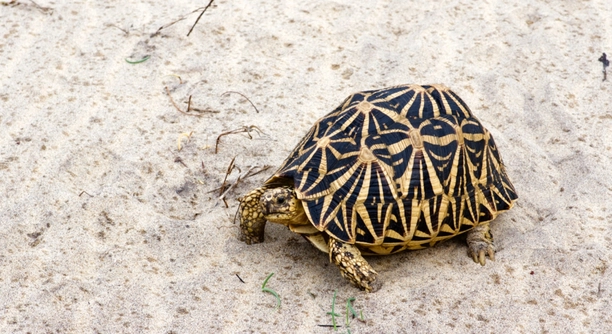
Keeping your Indian Star Tortoise’s tank clean is essential for their health and happiness. Regular maintenance ensures a safe and comfortable environment for your pet. This guide will walk you through simple steps to keep their home spotless.
To clean your Indian Star Tortoise’s tank effectively, begin by removing all waste, scrubbing surfaces, and disinfecting with safe cleaners. Replace bedding and ensure proper water filtration. These steps will maintain a healthy, clean living space for your tortoise.
Proper cleaning not only improves your tortoise’s quality of life but also prevents potential health issues.
Step 1: Gather Your Cleaning Supplies
Before you start cleaning your Indian Star Tortoise’s tank, make sure you have the right supplies. You’ll need gloves, a bucket of warm water, a soft scrub brush, and a safe disinfectant. Avoid using harsh chemicals, as they can harm your tortoise. Choose an animal-safe cleaner that will effectively remove bacteria without leaving any residue. If you’re using a new cleaning product, always check the label to ensure it’s safe for reptiles. Having everything ready will save time and make the process smoother.
Once you’ve gathered your supplies, you’re all set to begin cleaning. This will help prevent any stress or confusion for both you and your pet during the cleaning process.
Organizing your supplies in advance also prevents unnecessary delays. When you’re ready, start by removing your tortoise from the tank. Place them in a safe spot while you clean. This will allow you to focus on the tank without distractions, ensuring thorough cleaning.
Step 2: Remove the Bedding and Waste
Begin by taking out any bedding or substrate material. This includes sand, wood chips, or coconut fiber. Dispose of any soiled material and replace it with fresh bedding. Make sure to remove any visible waste, such as feces or uneaten food. If you use a specific substrate type, replace it with the same kind to maintain your tortoise’s comfort. The new bedding will create a clean, soft surface for your pet to move around.
Make sure to inspect the tank’s corners and edges to ensure you haven’t missed any waste. Keeping the environment clean helps your tortoise stay healthy.
Once all the old bedding is removed, give the tank’s base a quick wipe-down to ensure it’s completely clean. Don’t leave any residue behind, as this can attract bacteria. If necessary, use a soft brush to scrub any stubborn spots. This is an important step to make sure there is no lingering waste in hidden areas. Cleaning the tank thoroughly also reduces unpleasant odors and prevents mold buildup.
Step 3: Scrub the Tank’s Surfaces
Next, focus on scrubbing the tank’s surfaces. Use a soft brush or sponge with warm water to clean the walls, floor, and any other areas that may have dirt or algae buildup. Be gentle, especially around areas where your tortoise may frequently go. It’s best to scrub in circular motions to loosen dirt without damaging the tank’s material. Avoid using abrasive pads that can scratch the glass or plastic. Scrubbing will ensure all surfaces are clean, which reduces the risk of bacteria.
Remember to clean any accessories, such as rocks, hiding spots, or plants, as well. These items can collect waste and algae, affecting your tortoise’s health. After cleaning, rinse everything thoroughly with warm water to remove any leftover cleaning solution.
Step 4: Disinfect the Tank
After scrubbing, it’s time to disinfect the tank. Choose a non-toxic disinfectant to kill any remaining germs or bacteria. Spray the disinfectant evenly over the entire tank, focusing on areas that may be prone to bacteria growth, like corners or cracks. Let it sit for a few minutes, allowing it to work effectively. Make sure the room is well-ventilated, as the disinfectant can sometimes have strong fumes. You should also wear gloves during this step to protect your hands from the cleaning agents.
Once the disinfectant has had time to work, thoroughly rinse the tank with warm water. It’s essential to remove all traces of the disinfectant to prevent it from coming into contact with your tortoise. After rinsing, wipe down the surfaces with a clean cloth or paper towels. This ensures that the tank is completely free of any leftover cleaning products.
Step 5: Clean the Water Dish
Your tortoise’s water dish needs regular cleaning to keep it free of bacteria and dirt. Start by emptying the dish and washing it with warm water. Use a brush to scrub off any debris or algae that may have formed on the sides. Make sure to clean both the inside and the outside of the dish. If necessary, soak the dish in warm, soapy water for a few minutes to loosen any tough stains.
Once it’s clean, rinse the dish thoroughly to remove any soap residue. It’s important to avoid leaving any soap on the dish, as this could harm your tortoise if they drink from it. After rinsing, fill the dish with fresh, clean water. Always make sure your tortoise has access to clean water at all times.
Step 6: Replace the Substrate
After thoroughly cleaning the tank, it’s time to replace the substrate. Choose a material that suits your tortoise’s needs, such as coconut fiber, orchid bark, or a combination of soil and sand. The new substrate should be deep enough for your tortoise to dig and burrow comfortably. It’s essential to make sure the material is clean and dry before placing it in the tank.
Make sure the substrate is spread evenly across the bottom of the tank. Aim for a depth that is comfortable for your tortoise, giving them enough space to move around freely. Avoid adding too much at once, as it could make the tank feel cramped. A layer of about 2-3 inches is usually ideal for most tortoises. If you use sand or soil, be sure it’s non-toxic and safe for your tortoise to interact with. This ensures they can stay healthy in their environment.
Substrate replacement helps to maintain a clean environment and supports your tortoise’s natural behaviors, such as digging or burrowing. These actions help them feel secure in their tank. You should replace the substrate entirely every few weeks or as needed based on how dirty it gets. Keep an eye on any smells or signs of waste buildup, as this may indicate that it’s time to change it out. Having fresh bedding ensures a cleaner, healthier home for your pet.
Step 7: Ensure Proper Tank Ventilation
Once your tank is fully cleaned and reassembled, it’s vital to ensure proper ventilation. A well-ventilated tank will reduce the buildup of moisture, which can lead to mold or bacteria growth. Make sure the tank has proper air circulation by checking the ventilation holes.
Good ventilation also helps maintain a comfortable temperature and humidity level, which is essential for your tortoise’s well-being. If your tank doesn’t have enough airflow, you might want to invest in a small fan or adjust the tank’s position to allow for more natural airflow. Without proper ventilation, the risk of respiratory issues increases for your tortoise, so always ensure that air can circulate freely within the enclosure.
Be mindful of the humidity level as well. Too much humidity can create a breeding ground for bacteria, while too little can lead to dehydration. Regularly check both the temperature and humidity in the tank, using a thermometer and hygrometer to ensure your tortoise’s environment is in optimal condition. A well-maintained tank will contribute to your pet’s overall health and happiness.
Clean the Tank Accessories
Don’t forget to clean the accessories inside the tank, like rocks, hiding spots, and food dishes. These can accumulate waste and bacteria, affecting your tortoise’s health. Wash each item separately with warm water and a soft brush to remove any debris or dirt.
After cleaning, make sure everything is thoroughly rinsed to remove any soap residue. Scrub any spots with stuck dirt or algae. Regularly cleaning these accessories ensures your tortoise stays in a safe environment, free from harmful bacteria. Once clean, place the accessories back in the tank, arranging them in a way that makes your tortoise feel comfortable and secure.
Replace UVB Light Bulb
Over time, UVB bulbs lose their effectiveness, even if they still appear to work. Tortoises need UVB light for proper calcium absorption and overall health. Regularly check and replace the UVB light bulb, typically every 6-12 months, depending on the manufacturer’s instructions.
Be sure the new bulb is the correct type and wattage for your tortoise’s tank size. A well-maintained UVB light source ensures your tortoise receives the necessary exposure to UV rays. Keep the bulb at the correct distance from the basking area to maximize its benefits. This is an important step in keeping your pet healthy.
Monitor Temperature and Humidity
Maintaining proper temperature and humidity is essential for your tortoise’s health. Use a reliable thermometer to ensure the basking area is between 90°F to 95°F, with a cooler area ranging from 70°F to 80°F. Keep humidity levels between 40% and 60%, depending on your tortoise species.
FAQ
How often should I clean my Indian Star Tortoise’s tank?
It’s important to clean your tortoise’s tank regularly to keep it free from waste and bacteria. The tank should be thoroughly cleaned once every 2-4 weeks, depending on the amount of waste and soiling. You should remove any visible waste, uneaten food, and spot-clean as needed between full cleanings. This ensures your tortoise’s habitat stays fresh, reducing the risk of illness. Additionally, replace the bedding or substrate when it begins to smell or accumulate waste. Clean water dishes daily to avoid bacterial growth.
What kind of bedding is best for an Indian Star Tortoise?
The best bedding for your Indian Star Tortoise is a material that allows for easy cleaning and encourages natural behaviors like digging. Coconut coir, orchid bark, and a mix of sand and soil work well. These options are absorbent and safe for your tortoise. Avoid cedar or pine wood shavings, as they can release harmful fumes. The bedding should be deep enough to let your tortoise dig and burrow, but not so deep that it makes the tank feel cramped. Make sure to replace the bedding regularly to keep the environment clean.
Can I use bleach to clean my tortoise’s tank?
While bleach is an effective disinfectant, it should be avoided for cleaning your tortoise’s tank. The harsh chemicals in bleach can leave toxic residues that may harm your tortoise if ingested or come into contact with their skin. Instead, choose a reptile-safe cleaner that will kill bacteria without leaving harmful residues. If you do use bleach, rinse the tank thoroughly with water and allow it to dry completely before placing your tortoise back inside. Always check that any cleaner you use is specifically labeled safe for reptiles.
How do I prevent odors in my tortoise’s tank?
To prevent odors in your Indian Star Tortoise’s tank, spot clean daily to remove waste and uneaten food. Change the bedding regularly, especially if it becomes damp or soiled. Ensuring proper ventilation also helps to reduce odor buildup. A well-maintained water dish can also prevent any unpleasant smells. Make sure to change the water regularly and clean the dish daily. If odors persist, check your humidity and temperature levels, as improper conditions can sometimes lead to bacterial growth, which causes unpleasant smells.
Is it necessary to use a UVB light for my tortoise?
Yes, UVB lighting is essential for your tortoise’s health. It helps them absorb calcium, which is vital for bone development and overall well-being. Without proper UVB exposure, tortoises are at risk for metabolic bone disease. Make sure to provide a UVB light in the basking area of the tank. Replace the bulb every 6 to 12 months, as UVB output decreases over time, even if the light still works. Ensure the bulb is at the proper distance from the basking area for maximum effectiveness.
What temperature should the tank be for my tortoise?
The temperature inside the tank should mimic the natural environment of your Indian Star Tortoise. The basking area should be around 90°F to 95°F, while the cooler side of the tank can range from 70°F to 80°F. Use a thermometer to monitor the temperature and make adjustments as needed. A gradient temperature allows your tortoise to choose the area that best suits their needs. It’s also important to maintain a proper day-night temperature cycle, as this helps regulate their natural behaviors and overall health.
How do I clean the water dish properly?
To clean your tortoise’s water dish, empty it out and rinse it with warm water. If necessary, use a soft brush to scrub any debris or algae that may have built up on the sides. Avoid using soap or cleaning agents, as they can leave harmful residues. Once the dish is clean, refill it with fresh water. Regular cleaning of the water dish helps to prevent bacterial growth and ensures that your tortoise always has access to clean drinking water. Make it a habit to check and clean the water dish daily.
Do I need to provide a hiding spot for my tortoise?
Yes, it’s important to provide a hiding spot or shelter in the tank for your tortoise. Hiding spots allow your tortoise to feel secure and safe, mimicking their natural behavior in the wild. Use a small cave, box, or even a pile of rocks as a hiding area. The hiding spot should be large enough for your tortoise to comfortably fit but not too large that it feels unsafe. A secure hiding place helps reduce stress and gives your tortoise a place to rest when they need to retreat from light or activity.
Can I use sand as bedding for my tortoise?
Sand can be used as bedding for your tortoise, but it’s important to choose the right kind of sand. Avoid using play sand, as it can be too fine and may cause impaction if ingested. Opt for a coarser, reptile-safe sand that allows for natural digging and burrowing. You can mix it with other substrates, like coconut coir, to create a better environment for your tortoise. Regularly monitor the cleanliness of the sand and replace it when necessary to avoid the build-up of waste. Ensure your tortoise has access to fresh water to help prevent accidental ingestion.
How do I maintain humidity in the tank?
Humidity is crucial for your Indian Star Tortoise, especially if it’s part of a species that requires a moderate level of moisture. You can maintain the proper humidity by spraying the substrate with water occasionally or using a humidity gauge to monitor the levels. Keep the humidity around 40-60%, which is ideal for most tortoises. Make sure there are no damp spots in the tank that could promote mold growth. Proper humidity helps with shedding and keeps your tortoise’s skin healthy. If you notice that the humidity is too low, consider using a humidity box or adding a small water dish to increase moisture.
What should I do if my tortoise isn’t eating?
If your tortoise isn’t eating, check the temperature and humidity in the tank to make sure the conditions are optimal. Stress, illness, or environmental issues can cause a loss of appetite. If the conditions seem fine and your tortoise is still not eating, consult with a reptile veterinarian to rule out any health problems. Tortoises may also stop eating during hibernation or brumation periods, so it’s essential to know the seasonal habits of your specific species. Keeping your tortoise’s tank clean and free from waste can also reduce stress and encourage eating.
Keeping your Indian Star Tortoise’s tank clean is not just about tidying up; it’s about creating a safe, healthy environment for your pet. Regular cleaning prevents bacteria buildup and ensures your tortoise has a comfortable space to live in. It’s important to remove waste daily, clean the tank thoroughly every few weeks, and replace the substrate when necessary. By maintaining a consistent cleaning routine, you reduce the risk of health problems and keep your tortoise happy. A clean tank also reduces unpleasant smells, making it more enjoyable for both you and your pet.
In addition to cleaning, consider other aspects of your tortoise’s environment, such as temperature, humidity, and UVB light. These factors are just as important as a clean tank. Proper temperature and humidity levels allow your tortoise to regulate its body functions, while UVB light is essential for calcium absorption and overall health. Always monitor the tank’s conditions and make adjustments as needed. If you notice any changes in your tortoise’s behavior, such as lack of appetite or unusual movements, it might indicate a problem with the tank’s environment. Regular checks can prevent potential issues before they become serious.
Lastly, maintaining a healthy habitat for your Indian Star Tortoise requires patience and attention to detail. While cleaning is a key part of tank upkeep, it’s just one piece of the puzzle. Providing your tortoise with a comfortable substrate, clean water, and secure hiding spots will enhance their quality of life. As long as you are diligent about regular maintenance and mindful of their environmental needs, your tortoise will thrive. With a little effort and care, you can ensure that your pet’s home is a safe, healthy, and enjoyable place to be.

Hello,
If you enjoy the content that we create, please consider saying a "Thank You!" by leaving a tip.
Every little bit helps us continue crafting quality advice that supports the health, happiness, and well-being of pets around the world, for pets of all shapes, sizes, and species.
We really appreciate the kindness and support that you show us!