
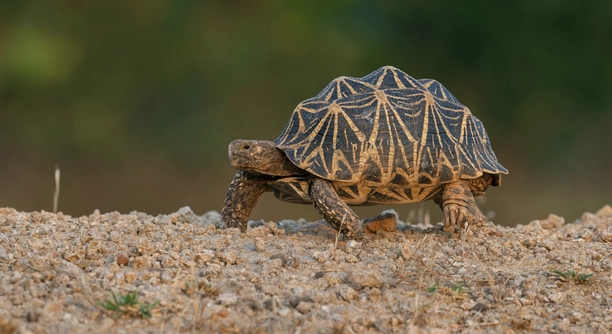
Shell rot is a common issue among Indian Star Tortoises, and it can affect their health and wellbeing. This condition can develop due to improper care, hygiene, or environmental factors, making it important for pet owners to be aware of its causes and treatment.
Shell rot in Indian Star Tortoises is a bacterial or fungal infection that damages the outer layers of the shell. It often results from a wet or unsanitary environment, leading to the decay of the keratin layers. Immediate treatment is necessary to prevent further harm.
Taking swift action is key to your tortoise’s recovery. Knowing how to treat shell rot can help your pet heal and stay healthy for years to come.
Causes of Shell Rot in Indian Star Tortoises
Shell rot can happen for a variety of reasons. One of the main causes is an environment that’s too wet. If your tortoise’s enclosure isn’t dry enough or has poor ventilation, moisture can build up on the shell, leading to infections. Another cause is lack of proper hygiene. If the tank or the tortoise itself is not cleaned regularly, bacteria and fungi can easily thrive, resulting in shell rot. Sometimes, even the tortoise’s diet may contribute to weaker shells, especially if it lacks essential vitamins and minerals.
A wet or unsanitary living space is often to blame for shell rot. Keeping your tortoise’s habitat clean and dry is the most effective way to prevent this.
Infections develop when bacteria or fungi penetrate the shell due to poor care. The infection can start as small, soft spots but can quickly spread if left untreated. These spots may turn into deeper holes, causing serious damage. When the shell is compromised, it affects the tortoise’s overall health. A weakened shell can be harder to recover from and may lead to long-term issues. Regular cleaning and proper care are key to preventing this painful condition.
How to Spot Shell Rot Early
Detecting shell rot early can make all the difference in treatment. Watch for soft or discolored patches on your tortoise’s shell. These may feel spongy or wet to the touch, signaling an infection.
If you notice changes like these, check your tortoise’s environment immediately. Clean the enclosure thoroughly, and take steps to improve the ventilation. Next, inspect the shell for any cracks, pits, or unusual textures. Be cautious when handling, as the infected areas can be quite sensitive. If left unchecked, the infection may spread to other parts of the shell, making treatment more complicated. If unsure, consult a vet who specializes in reptiles.
Remedies for Shell Rot: Cleaning the Affected Area
Start by carefully cleaning the affected area to remove dirt and debris. Use a soft brush and warm, clean water to gently scrub the shell. Be sure not to use any harsh chemicals that could irritate the infection. If necessary, dilute a mild antiseptic solution and apply it to the infected spots.
After cleaning, dry the shell thoroughly to avoid further moisture buildup. If the shell is soft or fragile, handle it with extra care to prevent any additional damage. You might need to repeat this process every day to help the healing process. Keeping the environment clean and dry during this time is essential.
Once cleaned, consider applying an antibiotic ointment as recommended by a veterinarian. This can help prevent the infection from spreading. Be patient during the healing process, as it may take weeks for the shell to fully recover. Make sure to monitor the tortoise for any signs of further infection or discomfort.
Proper Habitat Conditions
Keeping your tortoise’s habitat in optimal condition is crucial for healing. Ensure that the environment is dry and well-ventilated, as excess moisture encourages bacteria growth. Place your tortoise in a warm, dry area with good air circulation to prevent moisture from accumulating on its shell.
Proper lighting and temperature are also essential. A heat source helps to dry the shell and promotes faster healing, but make sure the area isn’t too hot or cold. An under-tank heating pad works well for maintaining consistent warmth. Remember, a balanced habitat not only aids in recovery but also prevents future issues with shell rot.
Using Antiseptic Solutions
Antiseptic solutions can help prevent infections from spreading. A diluted iodine solution is a common choice, but make sure to follow the instructions on the label. Gently apply the solution to the affected area using a cotton ball or gauze. This helps kill bacteria and fungi that could worsen the condition.
Ensure the solution doesn’t remain too long on the shell, as some antiseptics can irritate the skin if left too long. Repeat the application daily until the shell appears to heal. Avoid using strong chemicals that could harm the tortoise further.
Improving the Diet
A proper diet can help support your tortoise’s recovery. Make sure it’s rich in calcium and vitamin D3, which are essential for shell health. Offering a variety of leafy greens, such as kale, dandelion greens, and collard greens, can provide the necessary nutrients. You may also want to add a calcium supplement.
A balanced diet will help strengthen the tortoise’s shell, making it less prone to injury. Pay attention to their eating habits and adjust portions accordingly to promote overall health, aiding recovery from shell rot more effectively.
How do I know if my Indian Star Tortoise has shell rot?
Look for signs of soft, discolored patches or areas on the shell that seem wet or spongy. The shell may also have visible cracks or holes, which are common symptoms of shell rot. If you notice the shell is soft when touched, it’s a sign the outer layers are breaking down. The affected area might also have a foul smell. It’s essential to act quickly if you see these signs to prevent the infection from spreading.
What causes shell rot in Indian Star Tortoises?
Shell rot typically occurs when the tortoise’s environment is too damp or dirty. Poor ventilation, humidity, and not cleaning the enclosure regularly create an ideal setting for bacterial or fungal infections. In addition, an improper diet that lacks essential nutrients, like calcium or vitamin D3, can weaken the shell, making it more susceptible to damage and infection.
Can shell rot be treated at home?
Yes, mild cases of shell rot can be treated at home with proper care and attention. Start by cleaning the affected area with warm water and a soft brush, removing any dirt and debris. Applying an antiseptic solution like iodine to the infected spot can help kill bacteria. Make sure to provide a clean and dry environment for the tortoise to recover, and avoid excessive moisture that can aggravate the infection.
How long does it take for shell rot to heal?
Healing time for shell rot depends on how severe the infection is and how quickly treatment is started. In mild cases, it might take a few weeks for the shell to fully heal. More serious infections may take longer, and additional veterinary care might be required. During the healing process, continue to keep the tortoise’s habitat clean, dry, and at the right temperature.
Should I take my tortoise to the vet for shell rot?
If the infection is not improving with at-home treatment, or if the condition worsens, it’s important to consult a veterinarian. A vet can assess the severity of the infection and provide proper medication, including stronger antibiotics or antifungal treatments. They can also help rule out other health issues that may be contributing to the problem.
What should I do if the shell has deep cracks or holes?
If the shell has deep cracks or holes, it’s a more serious issue that requires professional care. A vet can clean the wound, treat the infection, and may even perform surgery if necessary. These types of injuries can affect the tortoise’s health long term, so it’s essential to seek veterinary attention right away.
Can I use any over-the-counter creams for shell rot?
While some over-the-counter creams and ointments may claim to help with shell rot, it’s always best to consult a vet before using any treatments. Some creams may not be safe for reptiles or may worsen the infection. A vet can recommend specific products designed for tortoises, which will be more effective and safe.
Can a tortoise recover from shell rot?
Yes, with prompt and proper treatment, most tortoises can recover from shell rot. The key is to address the issue early and provide the right environment and care. However, recovery time can vary depending on the severity of the condition. In cases where the shell is severely damaged, the tortoise may have long-term effects, but it can still live a happy life with the right care.
How can I prevent shell rot from happening?
Preventing shell rot involves maintaining a clean and dry environment for your tortoise. Make sure their enclosure is well-ventilated, and avoid letting moisture build up in their habitat. Regularly clean the enclosure to remove waste and bacteria. Ensure your tortoise has a balanced diet, rich in calcium and vitamin D3, to help maintain a strong shell. Lastly, provide proper lighting and heating to support a healthy environment.
Can shell rot spread to other tortoises?
Shell rot itself is not typically contagious between tortoises. However, if one tortoise is kept in an unhygienic environment, it can lead to the spread of harmful bacteria or fungi that may affect other animals. To prevent this, ensure that each tortoise has its own clean, dry space, and avoid placing sick tortoises with healthy ones until they have fully recovered.
What should I do if the infection is not improving?
If the infection shows no signs of improvement or worsens despite home care, you should consult a veterinarian immediately. In some cases, the infection may be too advanced for at-home treatments to be effective. A vet can provide stronger medications and might need to perform more intensive procedures to ensure the infection doesn’t spread further.
Dealing with shell rot in Indian Star Tortoises can be a challenging experience, but it’s important to take quick and effective action when you notice the signs. The condition can develop from environmental factors, poor hygiene, or an inadequate diet. When treated early, many tortoises can recover fully, but the key is to address the issue before it becomes severe. A clean and dry environment, combined with proper nutrition, will help prevent shell rot from occurring in the first place. Ensuring that your tortoise has a healthy habitat will make it less likely to develop infections and help it thrive.
Regularly checking your tortoise for signs of shell rot is an essential part of responsible care. If you notice any soft, discolored patches or unusual damage to the shell, it’s best to act quickly. Cleaning the affected area with warm water, applying antiseptics, and adjusting the environment to reduce moisture will help promote healing. In some cases, seeking veterinary care may be necessary to address more serious infections. Veterinarians can offer targeted treatments to stop the infection and prevent further damage. It’s always better to seek professional advice if you’re unsure about the severity of the condition.
Preventing shell rot is far easier than treating it, so maintaining a proper habitat and diet is crucial. Regular cleaning of the enclosure, ensuring the right balance of humidity, temperature, and proper lighting will keep your tortoise healthy and reduce the risk of infection. A diet rich in calcium and vitamins will support a strong shell, making it more resistant to damage. With the right care, your Indian Star Tortoise will not only recover from shell rot but also continue to live a long and healthy life. The effort you put into maintaining their environment and health will pay off in the long run.

Hello,
If you enjoy the content that we create, please consider saying a "Thank You!" by leaving a tip.
Every little bit helps us continue crafting quality advice that supports the health, happiness, and well-being of pets around the world, for pets of all shapes, sizes, and species.
We really appreciate the kindness and support that you show us!