
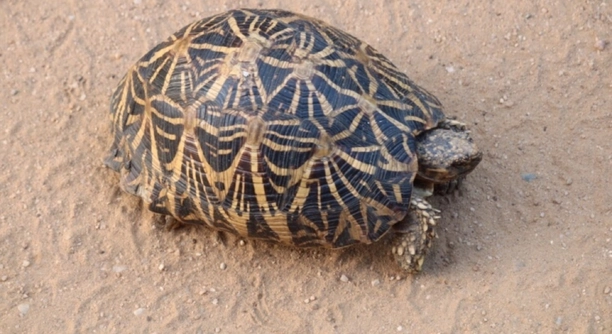
Creating a beautiful environment for your Indian Star Tortoise can enhance its well-being and make the tank more pleasant to look at. With a little creativity and planning, your tortoise’s space can be both functional and aesthetically pleasing.
There are several ways to improve the look of your Indian Star Tortoise’s tank, such as adding natural elements, selecting the right substrate, and ensuring proper lighting and humidity levels. These factors will contribute to the tank’s overall beauty and functionality.
In the following sections, we’ll explore simple tips and tricks to help you create a visually appealing and healthy habitat for your tortoise.
Use Natural Elements to Decorate the Tank
Adding plants, rocks, and wood to your tortoise’s tank is one of the simplest ways to create a beautiful, natural environment. Live plants like succulents or ferns provide visual interest and help regulate humidity. Choosing plants that are safe for your tortoise is key. Rocks can be stacked to create hiding spots or basking areas, which not only looks attractive but also gives your tortoise a comfortable space to explore. Wood pieces, such as driftwood, can add texture and variety to the habitat. These natural elements create a more dynamic tank that mimics the tortoise’s natural surroundings.
Natural decorations are more than just for looks—they provide enrichment for your tortoise. A well-decorated tank encourages exploration and helps keep your tortoise active, which can lead to a healthier lifestyle.
Be sure to check that all items are safe for your tortoise. Some plants may be toxic, and wood should be untreated and free of chemicals. Adding variety to the tank can help stimulate your tortoise mentally and physically, keeping them engaged. These simple changes can enhance both the tank’s appearance and its functionality.
Choose the Right Substrate
Selecting the proper substrate plays a big role in both the aesthetics and health of your tortoise’s tank.
A natural substrate, like coconut coir or a mix of soil and sand, will give the tank a more earthy look and feel. These materials help maintain proper humidity levels and are comfortable for your tortoise to walk on. Avoid substrates like gravel or clay, which are harder to clean and may cause problems with digestion if ingested.
The right substrate provides a comfortable surface for your tortoise while contributing to a more natural aesthetic. Coconut coir is easy to work with, retains moisture, and allows for better temperature control. A good balance of substrate helps prevent any build-up of excess moisture, which can lead to health issues. Keep the substrate clean by removing waste daily to ensure it remains pleasant for both you and your tortoise.
Provide Proper Lighting
Lighting plays a major role in making your tortoise’s tank both beautiful and functional.
The right lighting helps set the mood in the tank while providing essential UVB rays for your tortoise’s health. UVB lighting helps your tortoise absorb calcium, preventing shell deformities. Make sure to position the light source in a way that creates a natural day-night cycle, which is beneficial for your tortoise’s well-being. Using warm-toned lights will also give the tank a pleasant glow.
Consider using a combination of basking lights and UVB lights to ensure your tortoise receives the proper amount of heat and light. These lights should be replaced regularly as their UV output diminishes over time. Proper lighting helps not only the tank’s aesthetic appeal but also promotes a healthy environment for your tortoise.
Keep Humidity in Check
Humidity levels are crucial for your tortoise’s health and the appearance of the tank.
Maintaining the right humidity can keep both the tortoise and the plants thriving. The tank should have a humidity level of about 50-70%. Too much moisture can lead to mold growth, while too little can dry out your tortoise’s skin and affect digestion. You can achieve the correct humidity by using a spray bottle or installing a humidity gauge.
Along with good humidity, proper ventilation is important. Make sure the tank is well-ventilated to avoid any stagnant air that could harm both your tortoise and plants. Managing humidity ensures the habitat looks inviting and contributes to your tortoise’s overall health. Proper moisture levels make the environment feel more natural, providing your pet with a space that supports its well-being.
Add Hiding Spots
Tortoises enjoy having safe spaces where they can retreat and feel secure.
Including caves, small hideaways, or even overturned pots provides them with an area to relax. These hiding spots also add texture and interest to the tank’s design. A comfortable environment encourages your tortoise to explore and move around more often.
Providing hiding spots ensures your tortoise feels safe, reducing stress. The added variety in the tank also makes the space look more natural, like an actual habitat. These areas will give your pet the opportunity to rest in peace, away from the elements of the tank.
Create a Basking Area
A basking area is essential for your tortoise’s health and can be a beautiful feature.
Use flat rocks or a wooden platform under the light to create a warm basking spot. Make sure the area is large enough for your tortoise to stretch out. A basking spot offers a space for your tortoise to soak up the warmth it needs.
The basking area will add visual interest and function. By setting it up properly, you provide your tortoise with a place to rest, digest, and regulate body temperature. Keep the area clean, and maintain the appropriate heat, so it remains inviting.
Add Decorative Touches
Small decorative elements can enhance the overall aesthetic of the tank.
Items like colorful stones, seashells, or small figurines can bring life to the tank. These touches should complement the natural elements and not overcrowd the space. Aim for a clean, balanced look. Avoid any sharp or harmful decorations that may hurt your tortoise.
FAQ
How often should I clean my Indian Star Tortoise’s tank?
You should clean your tortoise’s tank at least once a week. Spot clean daily by removing waste and leftover food to keep the tank fresh. A full tank cleaning involves removing the substrate, washing all decorations, and cleaning the walls of the tank. The frequency of full cleanings depends on how much waste is produced and the size of the tank. The cleaner the tank, the healthier it will be for your tortoise. Always check for any mold or buildup, especially in areas with high humidity, and clean them immediately to prevent health issues.
Can I use artificial plants in the tank?
Artificial plants can be used, but they should be made of non-toxic materials. Look for options that are soft and won’t harm your tortoise if they try to nibble on them. Real plants are generally better for providing a more natural environment, but artificial plants can still improve the aesthetics of the tank. If you choose artificial plants, make sure they don’t overcrowd the tank or create a hiding spot that’s too small. Keep them clean to avoid dust and debris buildup, which can affect the tank’s air quality.
What is the best temperature for my tortoise’s tank?
The temperature in the tank should range from 75°F to 85°F (24°C to 29°C) on the cool side and 90°F to 95°F (32°C to 35°C) on the basking spot. It’s important to provide a temperature gradient, allowing your tortoise to regulate its body temperature by moving between warmer and cooler areas. Use a thermometer to monitor the temperature, and make adjustments as necessary by adding or adjusting heat lamps. A basking light is essential for creating a hot spot, while the cooler side provides a comfortable space for your tortoise to retreat.
Do I need a humidity gauge in the tank?
Yes, a humidity gauge is a useful tool to ensure your tank maintains the proper moisture level. For Indian Star Tortoises, humidity should be kept between 50% and 70%. Too much humidity can cause mold growth and too little can lead to dehydration and respiratory issues. A humidity gauge allows you to monitor the levels and make adjustments using a spray bottle or a humidifier if needed. This helps create a more natural environment and supports your tortoise’s overall health, as humidity also affects skin shedding and digestion.
What kind of lighting do I need for my tortoise’s tank?
Your tortoise requires both UVB lighting and a basking light. UVB light is vital for calcium absorption, preventing shell deformities and promoting healthy bone growth. The basking light provides warmth, mimicking the natural sun. The UVB light should be replaced every six months as its effectiveness diminishes over time. Set up the lights to create a basking area with a temperature of around 90°F to 95°F (32°C to 35°C) and a cooler side of the tank with temperatures around 75°F to 85°F (24°C to 29°C). This ensures your tortoise can regulate its body temperature properly.
What should I feed my Indian Star Tortoise?
Indian Star Tortoises are primarily herbivores, so their diet should consist mostly of grasses, leafy greens, and edible flowers. A variety of greens, such as dandelion greens, kale, and collard greens, should be included. Avoid high-oxalate greens like spinach, as they can affect calcium absorption. You can also offer occasional fruits like watermelon, cantaloupe, or berries in small amounts. Always make sure the food is fresh and free of pesticides. Providing a balanced diet is key to maintaining a healthy tortoise and promoting proper shell growth and overall well-being.
How can I tell if my tortoise is stressed?
Signs of stress in your tortoise can include lack of appetite, lethargy, excessive hiding, or a refusal to bask. Stress may be caused by an inappropriate tank environment, such as poor lighting, incorrect temperatures, or overcrowding. It’s also possible that your tortoise is feeling insecure, especially if the tank does not have enough hiding spaces. If you notice any of these signs, it’s important to assess the tank setup and make changes. A consistent routine and a peaceful environment will help reduce stress levels and keep your tortoise happy and healthy.
Can my tortoise live with other animals in the same tank?
It’s not recommended to house your Indian Star Tortoise with other animals in the same tank. Tortoises are solitary creatures and can become stressed or territorial when housed with other animals. They may also not get along with other pets, especially those that might view them as food or threaten their space. If you’re considering introducing any other animals to the tank, do so only after researching their compatibility. For the well-being of your tortoise, it’s better to keep them in their own space to avoid unnecessary stress and potential injuries.
What type of substrate is best for an Indian Star Tortoise tank?
A natural substrate is best for your tortoise’s tank. A mixture of coconut coir and organic topsoil works well. This combination provides a natural look and allows for burrowing, which tortoises enjoy. You can also use a small amount of sand, but avoid using it in large amounts as it can cause digestive issues if ingested. Make sure the substrate retains moisture without becoming too wet, and be sure to clean it regularly. The right substrate helps maintain proper humidity, aids in burrowing, and supports your tortoise’s overall health.
Final Thoughts
Creating a beautiful and functional habitat for your Indian Star Tortoise doesn’t have to be complicated. By adding natural elements like plants, rocks, and wood, you can create a tank that not only looks inviting but also enhances the tortoise’s overall health. These elements provide hiding spots, places to explore, and help mimic the tortoise’s natural environment. A simple setup with these features can make the tank feel more like a home for your pet while encouraging natural behaviors like climbing, digging, and basking.
Choosing the right lighting, substrate, and humidity levels is equally important for both the appearance of the tank and your tortoise’s well-being. The lighting not only provides a warm basking area but also supports the tortoise’s health by ensuring they get the necessary UVB exposure. Keeping the humidity levels in the proper range is crucial for avoiding skin issues and creating a comfortable space. Selecting a safe and comfortable substrate that retains moisture helps your tortoise stay hydrated and provides a natural surface to walk on.
While decorating the tank is a fun way to personalize it, always remember the importance of balance. Adding too many decorations can overcrowd the space, and your tortoise may feel stressed or have limited room to move. Focus on creating a habitat that looks appealing but also meets the needs of your tortoise. By keeping the tank clean, maintaining the proper environment, and providing a safe space for your pet to explore, you’ll be creating a beautiful home that both you and your tortoise can enjoy.

Hello,
If you enjoy the content that we create, please consider saying a "Thank You!" by leaving a tip.
Every little bit helps us continue crafting quality advice that supports the health, happiness, and well-being of pets around the world, for pets of all shapes, sizes, and species.
We really appreciate the kindness and support that you show us!