
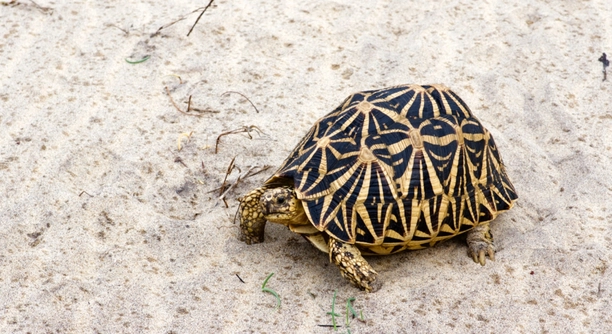
Is your Indian star tortoise refusing to eat, leaving you concerned about its health and well-being? Loss of appetite in these tortoises can be alarming, but understanding the possible causes can help you take the right steps to address the issue.
The most common reasons your Indian star tortoise isn’t eating include improper temperature, dehydration, stress, or an unbalanced diet. Ensuring optimal habitat conditions, providing fresh food, and minimizing stressors can encourage your tortoise to resume eating and maintain good health.
A healthy tortoise needs the right environment and diet to thrive. Learning what factors affect its appetite can help you identify the cause and find a solution that keeps your tortoise happy and well-nourished.
Check the Temperature
Indian star tortoises need warm temperatures to stay active and eat properly. If their environment is too cold, their metabolism slows down, making them less interested in food. A basking spot of around 95°F and an ambient temperature of 80°F is ideal. Nighttime temperatures should not drop below 75°F. Using a high-quality heat lamp and a thermometer can help maintain these levels. Without proper warmth, your tortoise may become lethargic and refuse to eat. Adjusting the temperature gradually can encourage it to start eating again.
Make sure the temperature stays consistent throughout the day. Sudden drops or excessive heat can stress your tortoise, affecting its appetite. A reliable thermostat can help regulate the heat and prevent fluctuations.
If your tortoise remains inactive or refuses food despite adjustments, consider checking for additional factors like lighting or humidity. Proper environmental conditions will help your tortoise feel comfortable and more willing to eat.
Ensure Proper Hydration
Dehydration can make your tortoise feel weak and uninterested in food. A shallow water dish should always be available, and the water should be clean and fresh. Soaking your tortoise in lukewarm water for 15–20 minutes a few times a week can also help with hydration.
A dry environment can contribute to dehydration. Indian star tortoises need a humidity level of around 60–70% to stay hydrated. If the enclosure is too dry, your tortoise may struggle with digestion and refuse food. Using a hygrometer to monitor humidity levels and adding a damp substrate or misting the enclosure can help.
Sometimes, a tortoise may not drink on its own, even with water available. In this case, regular soaking is essential. Dehydration can also cause other health problems, so it’s important to address it early. If your tortoise remains lethargic and doesn’t respond to hydration efforts, seeking a vet’s advice may be necessary.
Reduce Stress
A stressed tortoise may refuse to eat. Loud noises, frequent handling, or changes in its environment can make it feel unsafe. Providing a quiet, stable habitat with hiding spots can help your tortoise feel secure and more likely to eat.
If the enclosure is in a high-traffic area, consider moving it to a quieter space. Avoid handling your tortoise too often, as it may see this as a threat. Sudden changes, like new decorations or different substrates, can also cause stress. Keeping the setup consistent and introducing changes gradually can make a difference.
Other animals in the home can also create stress. If you have pets, ensure they don’t disturb the tortoise. Even if they seem curious, their presence may be overwhelming. Giving your tortoise time to adjust to its surroundings without unnecessary disruptions can help restore its appetite.
Offer a Variety of Foods
A tortoise may stop eating if it gets bored with its diet. Offering different leafy greens, vegetables, and occasional fruits can encourage it to eat again. Indian star tortoises thrive on a high-fiber, calcium-rich diet, so variety is important for both nutrition and interest.
Some good options include dandelion greens, hibiscus leaves, and prickly pear cactus. Avoid feeding too many fruits, as they can cause digestive issues. If your tortoise refuses a certain food, try mixing it with something it already likes. Sprinkling calcium powder on its meals can also support its health.
Food presentation matters. Chopping greens into smaller pieces or mixing different textures can make meals more appealing. If your tortoise still isn’t eating, try offering food at different times of the day. Some tortoises prefer eating in the morning, while others may eat later when they feel more comfortable.
Check for Illness
A sick tortoise may lose its appetite. Common health issues include respiratory infections, parasites, and shell problems. If your tortoise is wheezing, has swollen eyes, or shows unusual behavior, it may need veterinary care. Ignoring symptoms can make the condition worse over time.
Weight loss, soft stools, or a runny nose can also indicate illness. Regular health checks can help catch problems early. If you notice anything unusual, consult a reptile vet as soon as possible. A proper diagnosis and treatment plan can help your tortoise recover and regain its appetite.
Adjust the Lighting
Indian star tortoises need proper lighting to stay healthy. A UVB lamp helps them absorb calcium and maintain strong bones. Without enough UVB exposure, they may become weak, leading to appetite loss. Ensure the light is on for 10–12 hours daily and replaced every six months.
Monitor Feeding Habits
Pay attention to how often and how much your tortoise eats. Some may eat less during seasonal changes, while others may have preferences for certain foods. Keeping track of its eating patterns can help identify any long-term issues that need to be addressed.
FAQ
Why is my Indian star tortoise not eating after moving to a new home?
A new environment can cause stress, making your tortoise refuse food. It may take a few days or even weeks to adjust. Keep handling to a minimum and ensure the enclosure has proper heat, humidity, and hiding spots. Offering familiar foods and maintaining a consistent routine can help it feel more comfortable. If it still refuses food after an extended period, reassess the habitat for any issues that could be causing discomfort.
Can seasonal changes affect my tortoise’s appetite?
Yes, temperature and daylight shifts can impact eating habits. In cooler months, even with stable enclosure conditions, a tortoise may eat less due to natural biological rhythms. Some may also slow down in activity. Keeping the enclosure warm and well-lit can help minimize seasonal effects, but slight fluctuations in appetite are normal.
What should I do if my tortoise is drinking but not eating?
Hydration is a good sign, but if your tortoise isn’t eating, it may be experiencing stress, improper temperatures, or a diet issue. Try offering fresh greens and favorite foods. If it remains uninterested, check for illness or environmental factors. If appetite loss continues for more than a week, consult a vet.
How long can an Indian star tortoise go without eating?
A healthy adult tortoise can survive for several weeks without food, but this is not ideal. Young tortoises need more frequent nutrition and can be at risk if they stop eating for even a few days. If your tortoise refuses food for over a week, address possible causes and seek veterinary advice.
Should I force-feed my tortoise if it refuses to eat?
Force-feeding is not recommended unless instructed by a vet. Forcing food can cause stress and injury. Instead, focus on identifying the reason for appetite loss. Adjusting temperature, offering a variety of foods, and reducing stress can encourage eating naturally. If necessary, a vet can provide guidance.
Can a tortoise’s diet affect its appetite?
Yes, an unbalanced diet can cause appetite issues. Too much fruit or protein can lead to digestive problems, while a lack of fiber can affect overall health. Indian star tortoises need a diet rich in leafy greens, with occasional flowers and calcium supplements. A well-balanced diet supports proper digestion and long-term well-being.
What signs indicate a serious health problem?
Lethargy, weight loss, swollen eyes, runny nose, or labored breathing can signal a serious issue. A lack of appetite combined with any of these symptoms should not be ignored. Regular check-ups and prompt vet visits can prevent minor health concerns from turning into major problems.
Can social interactions with other tortoises affect eating habits?
Yes, if multiple tortoises share an enclosure, competition for food can arise. A dominant tortoise may prevent others from eating. Observing their behavior can help determine if separation is necessary. Providing multiple feeding areas can also reduce stress and encourage normal eating habits.
Does UVB lighting really make a difference?
UVB lighting is essential for vitamin D3 production and calcium absorption. Without it, a tortoise may develop metabolic bone disease, leading to weakness and appetite loss. Ensure your tortoise gets daily UVB exposure through a high-quality reptile lamp, replaced every six months for effectiveness.
What if my tortoise is eating less but still active?
If your tortoise remains active and shows no signs of illness, slight changes in appetite may not be a major concern. Some tortoises naturally eat less on certain days. However, monitor its weight and behavior closely. If appetite continues to decline, check habitat conditions and diet for possible improvements.
Final Thoughts
Ensuring your Indian star tortoise maintains a healthy appetite requires attention to its environment, diet, and overall well-being. Temperature, humidity, lighting, and stress levels all play a role in whether your tortoise feels comfortable enough to eat. Even small changes in habitat conditions can have a big impact. Regularly monitoring these factors can help prevent appetite issues before they become serious. Providing fresh food, clean water, and a quiet space will encourage natural eating habits. If your tortoise refuses food, identifying the cause early can make it easier to find a solution.
While occasional appetite loss may not always indicate a serious problem, extended periods of not eating should not be ignored. A tortoise that refuses food for more than a week may need closer observation. Checking for signs of illness, dehydration, or improper habitat conditions is important. If adjustments do not help, consulting a reptile veterinarian is the best course of action. Professional guidance can help diagnose any underlying health concerns and ensure your tortoise gets the care it needs. Keeping a feeding log can also be useful in tracking patterns and noticing changes over time.
A well-balanced diet and a stress-free environment will help your tortoise stay active and healthy. Offering a variety of safe greens, maintaining consistent temperatures, and minimizing disruptions will create an ideal space for your tortoise to thrive. Every tortoise is different, so patience and careful observation are key. Understanding its habits and preferences will make it easier to care for in the long run. With proper attention and care, your tortoise can live a long and healthy life while maintaining a steady appetite.

Hello,
If you enjoy the content that we create, please consider saying a "Thank You!" by leaving a tip.
Every little bit helps us continue crafting quality advice that supports the health, happiness, and well-being of pets around the world, for pets of all shapes, sizes, and species.
We really appreciate the kindness and support that you show us!